


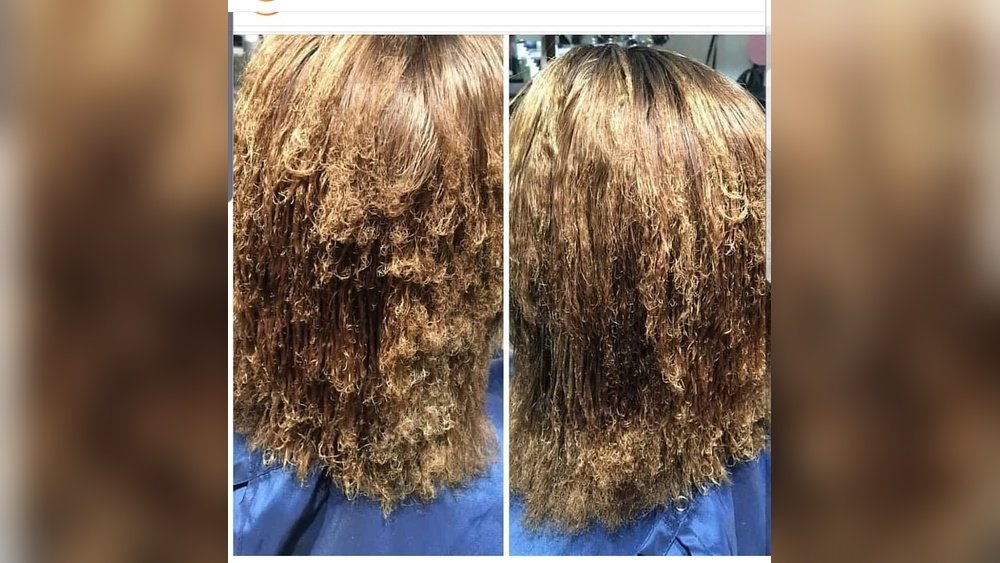
Thinking about giving your bleached hair a fresh new look with a perm? You’re not alone.
Many wonder if it’s even possible to perm bleached hair without turning it into a frizzy, dry mess. The truth is, your hair has already been through a lot with bleaching — it’s fragile, weaker, and more prone to damage.
So, can you really perm bleached hair and still get beautiful curls? In this guide, you’ll discover what risks you face, when it might actually work, and how to protect your hair if you decide to go for it. Keep reading to find out how to make the best choice for your hair’s health and style.
Risks Of Perming Bleached Hair
Perming bleached hair carries significant risks due to the hair’s fragile state. Bleaching breaks down natural proteins and weakens the hair’s structure. Adding perm chemicals can cause serious damage. Understanding these risks helps you make a safer choice.
Hair Breakage And Melting
Bleached hair has fragile bonds that perm chemicals can break. This can cause strands to snap or “melt” away. Hair melting means the strands become gummy and break easily. The result is severe hair loss and uneven texture.
Dryness And Frizz Issues
Bleaching removes moisture and natural oils from hair. Perming can worsen dryness, leaving hair rough and brittle. Dry hair easily frizzes and resists styling. It becomes hard to manage and looks unhealthy.
Uneven Or Loose Curl Patterns
Damaged hair struggles to hold a perm’s shape. Bonds may not reform evenly, causing patchy curls. Some curls may be tight while others stay loose or limp. This leads to an inconsistent and unattractive look.
Perm Failure Possibilities
Perms may fail completely on bleached hair. The curls might not form or fade quickly. Re-perming damaged hair can cause even worse damage. This risk makes perming bleached hair a gamble with hair health.

Credit: www.youtube.com
Conditions Favoring A Perm On Bleached Hair
Perming bleached hair requires careful consideration. The process adds chemicals to hair already weakened by bleach. Certain conditions can improve the chances of a successful perm. These include the level of bleaching, hair health, stylist skill, and testing before the perm.
Understanding these factors helps protect hair from damage and achieve better curl results. Here are key conditions that favor perming bleached hair.
Light Bleaching Levels
Hair bleached only a few levels is stronger and less damaged. Light bleaching means less chemical stress on hair strands. This gives hair a better chance to hold curls without breaking. Avoid perming hair that is heavily bleached or toned. Such hair is fragile and more likely to suffer damage from perm chemicals.
Maintaining Healthy Hair
Healthy hair recovers better from chemical treatments. Regular conditioning and protein treatments strengthen bleached hair. Hair with good moisture and elasticity handles perming more safely. Avoid perming hair that feels dry, brittle, or has many split ends. Strong hair strands resist breakage and hold curls longer.
Stylist Expertise And Techniques
A skilled stylist knows how to treat bleached hair gently. They select perm solutions that are less damaging, such as acid perms. Proper timing and temperature control reduce harm to hair. Experienced stylists can tailor techniques based on hair condition. Their expertise minimizes risks and improves curl quality on bleached hair.
Importance Of Strand Testing
Strand testing is crucial before perming bleached hair. It shows how hair reacts to perm chemicals. A small test curl reveals possible damage or poor curl formation. This step helps avoid full-head perm disasters. Strand testing guides the stylist to adjust formulas and timing for safer results.
Types Of Perms Suitable For Bleached Hair
Perming bleached hair requires special care and the right type of perm. Not all perms suit bleached hair, as it is fragile and damaged from chemicals. Choosing the correct perm type helps protect hair health while achieving curls. Some perms are gentler and safer for bleached strands.
Acidic Perms
Acidic perms use a mild acid solution with a low pH level. They cause less damage than alkaline perms. These perms work well on bleached hair because they are gentle and reduce breakage. Acidic perms create soft, natural-looking curls. They also help maintain hair moisture and shine.
Cystamine Perms
Cystamine perms use cysteamine, a gentler chemical than traditional perm solutions. This method protects the hair’s cuticle and strengthens weak bonds. Cystamine perms produce lasting curls without harsh damage. They are a good choice for bleached hair that needs extra care. The curls hold well and look healthy.
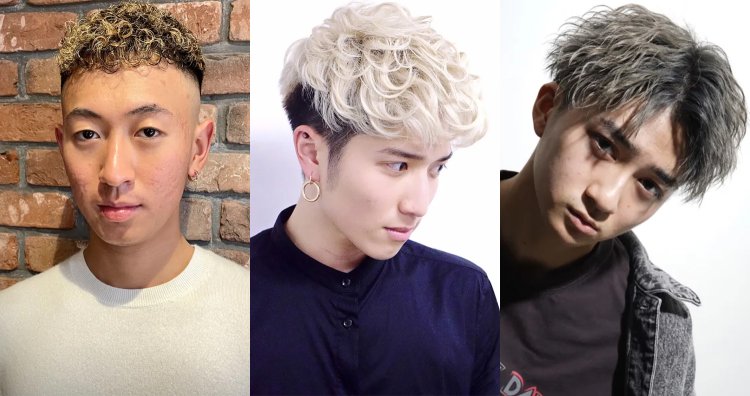
Digital Perms
Digital perms use heat and special rods to create waves or curls. The heat is controlled and less damaging. Digital perms suit bleached hair with good moisture and elasticity. They create soft, bouncy curls that last longer. This type of perm also helps reduce frizz and dryness on bleached hair.
Credit: en.otokomaeken.com
Preparing Bleached Hair For A Perm
Preparing bleached hair for a perm takes careful steps. Bleached hair is fragile and needs extra care. Strengthening the hair before perming helps reduce damage. Proper preparation improves results and keeps hair healthier.
Deep Conditioning Treatments
Deep conditioning adds moisture back to dry bleached hair. Use rich conditioners that penetrate the hair shaft. Apply treatments weekly for at least two weeks before perming. This restores softness and reduces brittleness. Well-moisturized hair is less likely to break during the perm.
Using Bond Builders
Bond builders repair damaged hair bonds from bleaching. Products with bond-building ingredients strengthen hair from inside. Use bond builders before and after conditioning treatments. They help protect hair during chemical processes. Stronger bonds mean curls hold better and hair stays intact.
Assessing Hair Elasticity
Elasticity shows how much your hair can stretch without breaking. Test a small strand by gently pulling it. Healthy hair stretches and returns to normal shape. If hair breaks or feels weak, avoid perming. Good elasticity means hair can handle the perm chemicals better.
Aftercare For Permed Bleached Hair
After perming bleached hair, proper aftercare is essential. Bleached and permed hair tends to be fragile and dry. This makes it easy for hair to break or lose its curl pattern. Special care helps keep hair healthy and curls looking fresh longer.
Focus on hydration and gentle handling. Avoid harsh products and heat styling tools. Use products that protect and nourish hair deeply. Consistent care will improve hair texture and curl bounce.
Moisture Retention Strategies
Use sulfate-free shampoos designed for dry or damaged hair. Apply deep conditioning treatments once or twice a week. Leave-in conditioners help lock moisture in the hair shaft. Oils like argan or jojoba can seal moisture and add shine. Avoid washing hair too often to prevent drying out.
Frizz Control Methods
Apply anti-frizz serums or creams on damp hair. Use a microfiber towel or cotton T-shirt to dry hair gently. Avoid rough towel drying, which causes frizz and breakage. Sleep on a satin or silk pillowcase to reduce friction. Limit heat styling to prevent further damage and frizz.
Managing Curl Longevity
Use curl-enhancing products that define and hold curls softly. Refresh curls with a water spray mixed with leave-in conditioner. Avoid heavy products that weigh curls down. Trim hair regularly to remove split ends. Protect hair from sun and chlorine exposure to maintain curl health.
Alternatives To Perming Bleached Hair
Perming bleached hair carries high risks due to its fragile condition. Many seek curly styles but avoid damage. Alternatives offer safer ways to enjoy waves or curls without harsh chemicals. These options can protect hair health and still give a styled look.
Heat Styling Options
Heat tools like curling irons create temporary waves quickly. Use a heat protectant spray to reduce damage. Avoid high temperatures to keep bleached hair from breaking. Soft curls or beach waves last until the next wash. This method keeps hair safe and looks stylish.
Waiting For Hair Regrowth
Letting your natural hair grow out is a gentle option. Trim bleached ends slowly to improve hair health. Once new hair grows, perming becomes safer on stronger strands. Patience helps avoid breakage and uneven curls. Meanwhile, try other styling methods for variety.
Temporary Wave Solutions
Products like mousse, sea salt spray, or styling gels add wave texture without damage. Foam rollers or braids overnight give natural curls without heat. These styles wash out easily and refresh your look often. Temporary waves keep bleached hair healthy and flexible.
Finding The Right Professional
Finding the right professional is key to safely perming bleached hair. This process needs skill and care. A trained stylist can protect your hair from damage. Choose someone who understands the risks and solutions. A good expert will guide you through each step. They will also help you decide if perming is right for your hair type and condition.
Choosing Experienced Stylists
Pick a stylist with experience in bleached and permed hair. They know how chemicals interact and affect hair health. Ask about their training and past work. Check reviews or photos of their results. Avoid stylists who do not specialize in chemical treatments. Experience helps prevent damage and ensures better curl results.
Consultation And Hair Assessment
Book a consultation before the perm appointment. The stylist should examine your hair closely. They check for dryness, breakage, and elasticity. This step shows if your hair can handle the perm. Expect honest advice about your hair’s condition. The stylist may suggest treatments or alternatives to protect your hair.
Setting Realistic Expectations
Understand what perming bleached hair can achieve. Curls may be softer or less defined than on healthy hair. The perm might not last as long as usual. Damage can cause uneven or loose curls. Your stylist will explain possible outcomes clearly. Realistic goals help avoid disappointment and protect your hair’s future.

Credit: www.wisteriaavenue.co.uk
Frequently Asked Questions
What Happens If You Perm Bleached Hair?
Perming bleached hair risks severe damage, causing dryness, breakage, frizz, and uneven curls. Only lightly bleached, healthy hair may safely hold soft waves with a skilled stylist using gentle perms. Always get a professional assessment and deep condition hair before perming.
What Hair Cannot Be Permed?
Hair that is severely damaged, over-processed, bleached, or very fragile cannot be safely permed. Avoid perming dry, brittle hair.
What Kind Of Perm Do You Use On Bleached Hair?
Use gentle acidic or cystamine perms on lightly bleached, healthy hair only. Always consult a professional stylist first. Perform strand tests and deep condition hair before perming. Avoid perms on severely damaged or heavily bleached hair to prevent breakage and frizz.
How Long After Bleaching Can I Get A Perm?
Wait at least 2 to 4 weeks after bleaching before perming. Ensure hair feels strong and well-conditioned to reduce damage risk. Always consult a professional stylist for a strand test and personalized advice.
Conclusion
Perming bleached hair carries real risks due to its fragile state. Expect dryness, breakage, or uneven curls without proper care. Lightly bleached, healthy hair might handle gentle perms better. Always get a professional’s advice before deciding. Testing a small section helps prevent damage surprises.
Deep conditioning supports hair strength before and after perming. Choose experienced stylists who use mild chemicals for best results. Careful steps can reduce damage but can’t guarantee perfect curls. Think twice, weigh risks, and prioritize your hair’s health.
As an Amazon Associate, I earn from qualifying purchases.
Lovingshe is a participant in the Amazon Services LLC Associates Program which is an affiliate advertising program designed to provide a means for sites to earn advertising fees by advertising and linking to Amazon.com. Amazon may use cookies to track referrals from our site. Visit Amazon’s privacy policy for details
