


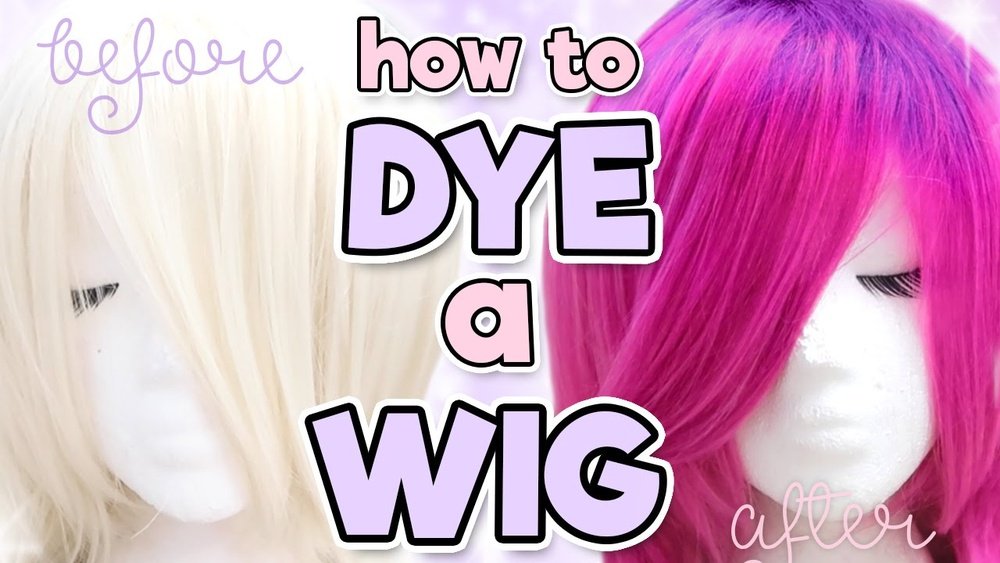
Are you thinking about changing up your look by dyeing your synthetic hair extensions? You’re not alone.
Many want to customize their extensions to match their style perfectly. But here’s the catch: synthetic hair isn’t like natural hair. It’s made from plastic fibers that don’t react to regular hair dye the way real hair does. So, can you actually dye synthetic hair extensions without ruining them?
You’ll discover the truth behind dyeing synthetic hair, the safest and most effective methods to try at home, and expert tips to keep your extensions looking vibrant and healthy. Keep reading to find out how you can transform your synthetic hair extensions the right way!
Synthetic Hair Basics
Synthetic hair extensions are popular for their affordability and style variety. Understanding their basic features helps in proper care and customization. Synthetic hair is made from man-made fibers, not natural strands. This difference affects how you treat and color the extensions.
Knowing the fiber composition and its limitations can save you from damaging the hair. It also guides you on the best methods to change or refresh the color safely.
Fiber Composition
Synthetic hair is crafted from plastic fibers like acrylic, polyester, or PVC. These fibers mimic the look of real hair but have different properties. They do not absorb color like natural hair. The plastic surface creates a barrier to most hair dyes.
The structure of these fibers is designed for durability and shine. They keep their shape even after washing. This makes synthetic hair less flexible in terms of chemical treatments.
Heat And Color Resistance
Synthetic fibers resist heat better than natural hair. But they can melt or warp under high temperatures. This limits the use of heat styling tools. Color resistance means regular hair dye does not work well.
Special dyes made for synthetic fibers are required to change color. These dyes bond with plastic fibers, unlike traditional hair color. Using normal dye can make synthetic hair brittle or dull. Proper care ensures the extensions last longer and look their best.
Why Regular Dye Fails
Dyeing synthetic hair extensions with regular hair dye often leads to disappointing results. The main reason lies in the nature of synthetic fibers. These fibers do not absorb color the way natural hair does. Regular dyes are designed for natural hair, which has a different chemical makeup. This mismatch causes the dye to fail on synthetic extensions.
Chemical Structure Of Fibers
Synthetic hair is made from plastic fibers like polyester or acrylic. These fibers have a smooth surface and lack the porous structure of natural hair. Natural hair has cuticles that open to absorb dye molecules. Synthetic fibers do not open up, so regular hair dye cannot penetrate or bond. The dye simply sits on the surface and washes out quickly. This makes color change ineffective and short-lived on synthetic hair.
Damage Risks
Applying regular hair dye to synthetic extensions can cause damage. The chemicals in hair dye are harsh and not made for plastic fibers. They can weaken the fibers, making them brittle and prone to breakage. Heat and strong chemicals may cause melting or deformation. This damage reduces the lifespan and look of synthetic hair extensions. Safe color changes require special dyes made specifically for synthetic fibers.
Dye Options For Synthetic Hair
Dyeing synthetic hair extensions requires special care and the right products. Regular hair dyes do not work on synthetic fibers. These fibers are made from plastic, so they need dyes designed for synthetic materials. Two popular dye options help change synthetic hair color effectively. Each option has unique benefits and techniques.
Synthetic Fabric Dyes
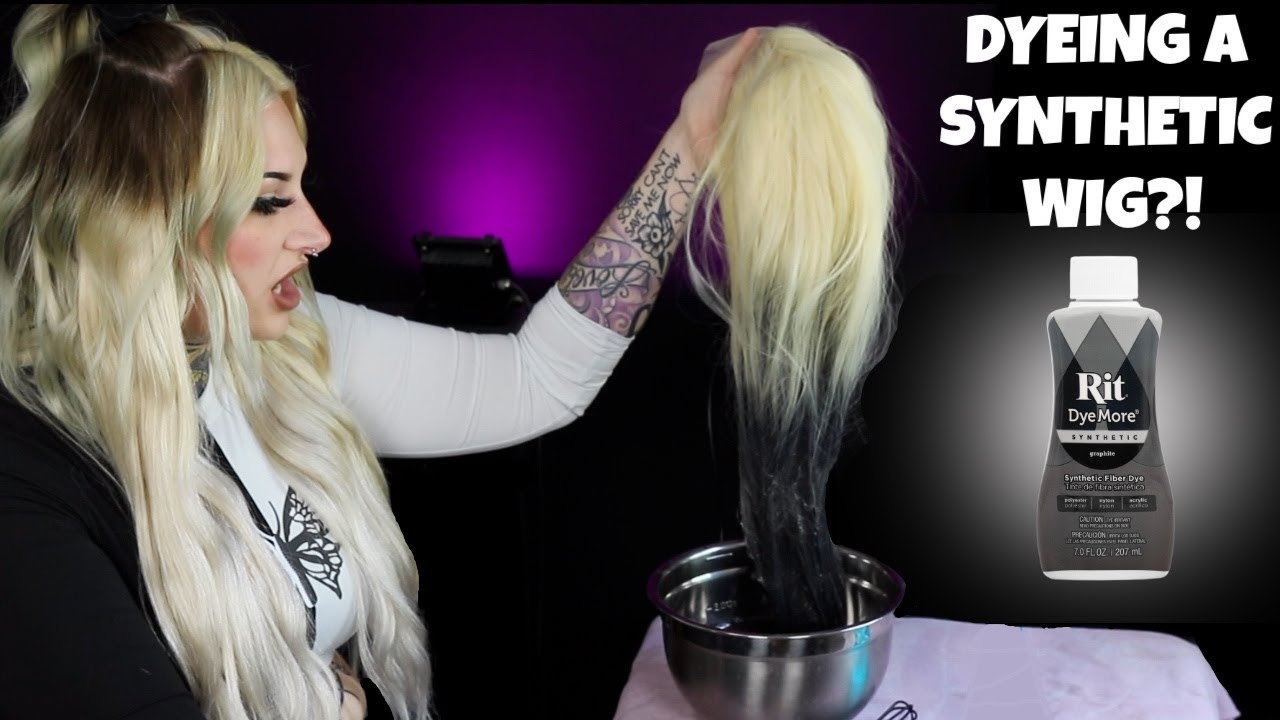
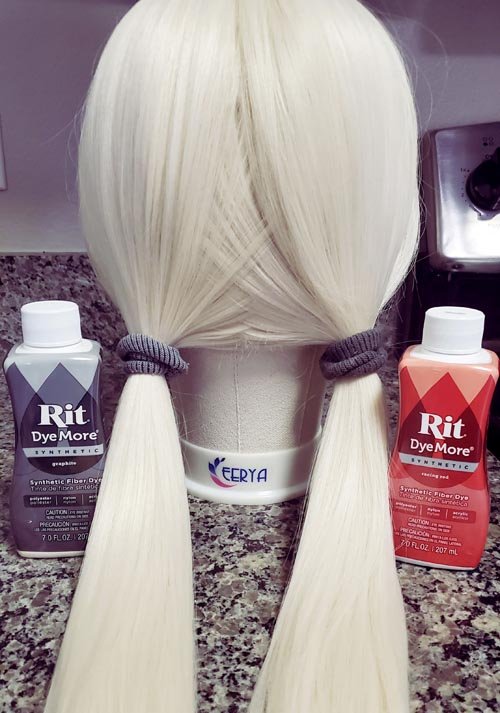
Synthetic fabric dyes are ideal for vibrant, lasting color on synthetic hair. Brands like Rit DyeMore and iDye Poly are popular choices. These dyes are made for polyester and similar fabrics, which match synthetic hair fibers. The process usually involves mixing the dye with hot water. Then, you soak the hair extensions until you get the desired color.
Synthetic fabric dyes penetrate the plastic fibers well. They provide rich and even color. Using these dyes is simple but requires careful temperature control. Too much heat can damage the hair. Always follow the dye instructions closely for best results. This method works well on light-colored or white synthetic hair for brighter colors.
Acrylic Ink And Alcohol Mix
Acrylic ink mixed with rubbing alcohol offers a DIY dyeing solution. This mix works because the alcohol helps the ink spread evenly on synthetic fibers. You can use this method to add subtle or bold color effects. It is perfect for small projects or customizing a few strands.
To use this mix, combine acrylic ink and rubbing alcohol in a spray bottle. Spray the mixture onto the hair and let it dry. This method does not require heat, making it gentle on synthetic fibers. The color stays on the surface but can last long with proper care. This option gives more control over the color intensity and placement.
Dyeing Techniques
Dyeing synthetic hair extensions requires special methods. These techniques help add color without ruining the fibers. Synthetic hair does not absorb regular hair dye well. Using the right approach keeps the hair soft and shiny.
Two common techniques include the dye bath method and spray or gradient effects. Both give unique looks and can change the hair’s style easily. Learning these methods helps you customize synthetic hair extensions safely.
Dye Bath Method
The dye bath method involves soaking hair in a colored liquid. Use synthetic fabric dye designed for plastic fibers. Prepare warm water, not boiling, to avoid damage. Stir the dye in the water until it is fully dissolved.
Dip the synthetic hair extensions into the dye bath. Move them gently to cover all strands evenly. Leave the hair in the dye for 10 to 30 minutes. Check the color often to avoid over-darkening.
After dyeing, rinse the hair with cool water carefully. Avoid harsh rubbing to keep the fibers smooth. Let the extensions air dry on a flat surface. This method gives deep, rich color that lasts longer.
Spray And Gradient Effects
Spray dyeing creates a soft, blended look on synthetic hair. Use fabric dye mixed with water in a spray bottle. Lightly mist the hair to add color without soaking it.
For gradient effects, spray more dye at the tips. Gradually reduce the amount of dye towards the roots. This creates a natural fade from dark to light. Allow the color to dry before adding more layers.
This technique lets you create trendy styles like ombre or highlights. It works well for small color changes or touch-ups. Spray dyeing keeps synthetic hair soft and prevents stiffness.
Preparation And Aftercare
Preparing synthetic hair extensions for dyeing and caring for them afterward ensures better results and longer wear. Proper steps protect the hair fibers and maintain softness and shine. Preparation and aftercare help prevent damage during and after the dye process.
Choosing The Right Base Color
Select a light base color for the best dye results. White or blonde synthetic hair takes color evenly and shows vibrancy. Darker bases block dye absorption and give dull or uneven tones. Avoid pre-colored extensions with strong shades if you want a bright new color.
Protecting Work Surfaces
Cover tables and counters with plastic or old newspapers. Dye can stain surfaces and is hard to remove. Wear gloves to protect your hands from chemicals. Keep paper towels nearby to clean spills quickly. A tidy workspace reduces stress and mess during dyeing.
Conditioning Tips
Use a gentle conditioner made for synthetic fibers after dyeing. It restores softness and reduces tangling. Avoid heavy or oil-based products as they weigh down the extensions. Air dry the hair on a flat surface to keep its shape. Proper conditioning keeps synthetic hair smooth and manageable.
Credit: www.youtube.com
Common Challenges
Dyeing synthetic hair extensions presents unique challenges. These fibers differ from natural hair in structure and composition. Synthetic strands are made from plastic materials, which react differently to dyes. Understanding these challenges helps in making informed decisions. It also prevents damage to your extensions and avoids disappointing results.
Color Limitations
Synthetic hair cannot absorb regular hair dye. The plastic fibers resist chemical changes. Only special fabric dyes designed for synthetics work well. These dyes bond to the fiber surface instead of penetrating it. Color choices are limited by the original shade of the extensions. Darker extensions rarely lighten or change color completely. Light or white synthetic hair allows for better dye results. Achieving vibrant or pastel shades is easier on lighter bases.
Maintaining Luster
Dyeing synthetic hair may dull its natural shine. The plastic surface can lose its smooth texture. Harsh chemicals or high heat make fibers brittle. Brittle fibers may tangle or break more easily. Proper care after dyeing is crucial to maintain luster. Use gentle shampoos and avoid heavy styling tools. Light conditioning helps keep the hair silky and smooth. Maintaining shine preserves the natural look of extensions.
Tools And Products
To dye synthetic hair extensions, having the right tools and products is vital. Synthetic fibers differ from natural hair. They do not absorb regular hair dye. Specialized dyes and supplies can help achieve the desired color. Proper materials prevent damage and ensure even coloring. Choose products designed for synthetic fibers for the best results.
Recommended Dye Brands
Some dye brands work well on synthetic hair extensions. Rit DyeMore is popular and made for synthetic fabrics. iDye Poly is another option, known for vibrant and lasting colors. Miyacozome offers synthetic fabric dyes that penetrate plastic fibers gently. These brands are safe and effective when used as directed. Avoid regular hair dyes, as they do not bond with synthetic fibers.
Mixing Supplies
Mixing supplies help prepare the dye for synthetic hair. Use a heat-safe bowl to mix the dye with water. Stir sticks or spoons make blending easier. Rubber gloves protect hands from stains and chemicals. Measuring cups ensure correct dye-to-water ratios. A thermometer helps keep water temperature steady, usually warm but not boiling. These tools make dyeing smoother and safer.

Credit: intactehair.com
Diy Dyeing Safety
DIY dyeing synthetic hair extensions demands careful attention to safety. Chemicals used in the process can be harsh and may cause harm if handled improperly. Protecting yourself and your extensions is crucial to achieve a good result without damage.
Safety starts with understanding the materials and following proper procedures. Using the right products and techniques reduces the risk of injury and preserves the quality of your hair extensions.
Handling Chemicals
Always wear gloves to protect your skin from dyes and solvents. Work in a well-ventilated area to avoid breathing in strong fumes. Use containers made for dyeing to prevent reactions with chemicals. Keep dye and other products away from children and pets. Read all instructions on the dye packaging before starting. Avoid mixing different chemicals unless the instructions allow it. Dispose of leftover dyes safely to protect the environment.
Avoiding Damage
Synthetic hair is sensitive to heat and harsh chemicals. Use dyes made specifically for synthetic fibers to prevent damage. Test a small section of hair before full application to check results. Avoid boiling water; use warm water to apply dye. Do not leave dye on too long as it may weaken the fibers. Rinse extensions gently with cool water to keep them soft. Store dyed extensions properly to maintain their color and texture.
Credit: cosplayerjourney.com
Frequently Asked Questions
What Happens If You Dye Synthetic Hair Extensions?
Dyeing synthetic hair extensions with regular dye can damage fibers, causing brittleness and loss of shine. Use special synthetic fabric dyes for safe color changes.
What Hair Dye Works On Synthetic Hair?
Use specialized synthetic fabric dyes like Rit DyeMore or iDye Poly for synthetic hair. Regular hair dye won’t work. Acrylic ink mixed with rubbing alcohol also colors synthetic fibers effectively. Dye on lighter bases for best results, and avoid standard hair color products to prevent damage.
Can You Dye Artificial Extensions?
You cannot dye artificial hair extensions with regular hair dye. Use specialized synthetic fabric dyes like Rit DyeMore for color changes. Avoid heat and harsh chemicals to prevent damage. Dyeing works best on light-colored synthetic extensions and may darken but not lighten the fibers.
Will Regular Rit Dye Work On Synthetic Hair?
Regular Rit Dye does not work well on synthetic hair because it cannot bond with plastic fibers. Use Rit DyeMore or iDye Poly instead. These specialized dyes chemically adhere to synthetic fibers, providing better color and durability without damaging the hair.
Conclusion
Dyeing synthetic hair extensions is tricky but possible with the right products. Regular hair dyes do not work on synthetic fibers. Use fabric dyes made for polyester or synthetic materials instead. These dyes bond better and give longer-lasting color. Keep in mind, synthetic hair may become damaged if not handled carefully.
Choose a light-colored base for brighter results. Always follow dye instructions to protect your extensions. This way, you can enjoy a fresh look without ruining your synthetic hair. Experiment with care and patience for the best outcome.
As an Amazon Associate, I earn from qualifying purchases.
Lovingshe is a participant in the Amazon Services LLC Associates Program which is an affiliate advertising program designed to provide a means for sites to earn advertising fees by advertising and linking to Amazon.com. Amazon may use cookies to track referrals from our site. Visit Amazon’s privacy policy for details
