


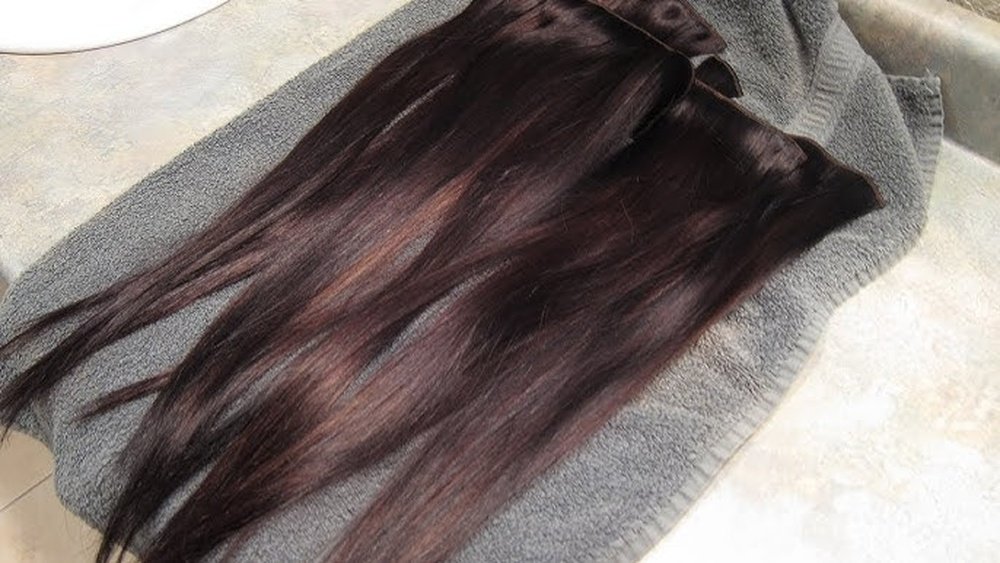
Thinking about changing up your look with a fresh hair color but already love your extensions? You might be wondering, “Can you dye hair extensions?”
The answer isn’t as simple as it seems. Whether your extensions are human hair or synthetic, coloring them comes with important do’s and don’ts that can make all the difference between a flawless finish and costly damage. You’ll discover how to safely dye your extensions, what colors work best, and why professional help could be your secret weapon.
Keep reading to find out how to transform your hair extensions without risking their quality or your style!
Types Of Hair Extensions
Hair extensions come in different types. Each type has unique features and care needs. Knowing the type helps decide if you can dye them safely.
Two main types exist: human hair and synthetic hair extensions. Both look good but behave very differently with dye.
Human Hair Extensions
Human hair extensions are real hair from donors. They look natural and feel soft. You can dye human hair extensions like your own hair. Use gentle dyes and avoid bleach. Dyeing allows changing color or matching your hair. These extensions last longer with proper care.
Synthetic Hair Extensions
Synthetic hair extensions are made from plastic fibers. They hold their shape and color well. Traditional hair dye does not work on synthetic fibers. Special fabric dyes are needed to change color. Dyeing synthetic extensions is tricky and can damage them. Most people avoid dyeing synthetic hair to keep it strong.
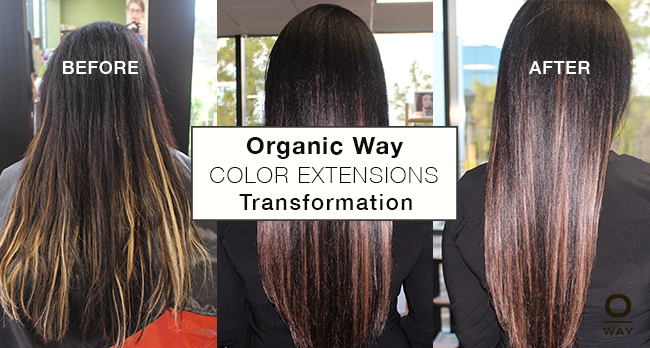
Credit: www.simplyorganicbeauty.com
Dyeing Human Hair Extensions
Dyeing human hair extensions offers a way to customize your look without changing your natural hair. These extensions are made from real hair strands. They respond to color treatments similarly to your own hair. This makes dyeing possible and effective for blending or creating new styles.
Careful attention is necessary during the dyeing process. The quality of the extensions and type of dye used affect the final result. Proper steps help keep extensions soft and shiny after coloring.
Coloring Options
Human hair extensions can be dyed using permanent, semi-permanent, or temporary color. Permanent dyes change the hair color deeply and last longer. Semi-permanent dyes add color but fade after several washes. Temporary dyes coat the hair and wash out quickly.
Choosing the right dye depends on your desired look and how long you want the color to last. You can match the extensions to your hair or create highlights for contrast.
Avoiding Lightening
Lightening or bleaching extensions is risky and not recommended. These processes can cause dryness and damage, leading to breakage. Extensions do not recover like natural hair.
Sticking to darker or similar shades is safer. This approach preserves the hair’s strength and appearance. Avoid harsh chemicals that strip natural oils from the extensions.
Professional Assistance
Seeking help from a professional colorist is best for dyeing extensions. Experts know how to handle the hair gently and choose suitable products. They achieve even color without harming the strands.
Professionals also advise on aftercare to maintain the color and hair health. This support extends the life of your dyed extensions and keeps them looking great.
Dyeing Synthetic Hair Extensions
Dyeing synthetic hair extensions requires a different approach than dyeing natural hair. These extensions are made from man-made fibers that do not absorb traditional hair dyes. Understanding the right techniques and products is important before attempting any color changes. This section explains the challenges and safe methods for dyeing synthetic hair extensions.
Limitations With Traditional Dyes
Traditional hair dyes do not work well on synthetic fibers. These dyes are made for natural hair, which has a porous structure to absorb color. Synthetic fibers are smooth and non-porous, so the dye cannot penetrate. Using regular hair dye on synthetic extensions often results in uneven color or no change at all. It can also damage the fibers, making them brittle and frizzy.
Using Fabric Or Special Dyes
Fabric dyes or special synthetic hair dyes are better choices. These dyes are designed to bond with synthetic materials. They can add color without causing damage. Always test the dye on a small section first to see the results. Use low heat or no heat to set the color, as high heat can melt synthetic fibers. Follow the instructions on the dye packaging carefully for best results.
Risks And Considerations
Dyeing synthetic hair extensions carries risks. The color may fade quickly or look unnatural. Some dyes can weaken the fibers or change their texture. Avoid using bleach or harsh chemicals on synthetic hair. These can ruin the extensions permanently. Consider buying pre-colored synthetic extensions if you want vibrant or long-lasting color. Proper care after dyeing helps maintain the look and feel of the extensions.

Credit: www.luxeremi.com
Preparation Before Dyeing
Preparing hair extensions before dyeing is essential to get the best results. Proper preparation helps protect the extensions from damage and ensures even color application. Taking the right steps can make the dyeing process smoother and safer.
Removing Extensions
Remove the hair extensions carefully from your natural hair. Dyeing extensions while attached can cause damage to both your hair and the extensions. Use the right tools to avoid pulling or breaking the bonds. Clean extensions allow dye to absorb more evenly.
Testing Color Compatibility
Test the dye on a small section of the extension first. This helps check if the color will turn out as expected. It also reveals how the hair reacts to the dye. Avoid surprises by testing before applying dye to the entire extension.
Do’s And Don’ts
Dyeing hair extensions requires care and attention. Following the right do’s and don’ts ensures the best results. Mistakes can damage the extensions or cause uneven color. This section covers safe dyeing tips and common errors to avoid. Understanding these points helps keep your extensions looking natural and healthy.
Safe Dyeing Practices
Choose high-quality human hair extensions for dyeing. Synthetic extensions do not absorb color well.
Test a small section before full application. This prevents unwanted color results.
Use gentle, ammonia-free dyes to protect hair fibers. Harsh chemicals can cause breakage.
Apply dye evenly with a brush or gloves to avoid patchy spots.
Keep extensions moist during the dyeing process to prevent dryness.
Rinse thoroughly with cool water to lock in color and avoid fading.
Allow extensions to air dry naturally to maintain softness and shine.
Common Mistakes To Avoid
Do not dye extensions that are attached to your natural hair. This can weaken bonds and cause damage.
Avoid lightening dark extensions. Bleaching can ruin the hair texture.
Never use regular hair dye on synthetic extensions. It will not work.
Do not leave the dye on for too long. Over-processing harms the hair.
Do not skip conditioning after dyeing. It restores moisture and smoothness.
Avoid mixing too many dye brands or colors. It may cause unexpected results.
Do not dry extensions with heat tools immediately after dyeing. Let them dry first.
Maintaining Dyed Extensions
Maintaining dyed hair extensions requires special attention to keep them looking vibrant and healthy. Dyed extensions can fade or become damaged without proper care. Simple routines help preserve color and texture, making your extensions last longer. Understanding these care tips is essential for anyone who colors their extensions.
Care Tips
Use sulfate-free shampoos to avoid stripping color. Wash extensions gently with cool water. Avoid hot water that can dry out the hair. Do not rub or twist extensions while washing. Pat them dry with a soft towel instead. Limit heat styling to prevent damage. Use heat protectant sprays before using any hot tools. Store extensions properly to avoid tangling and breakage.
Extending Color Longevity
Protect dyed extensions from direct sunlight to reduce fading. Wear hats or scarves when outdoors for long periods. Avoid swimming in chlorinated or salty water, which can strip color. Rinse extensions immediately after swimming if exposure occurs. Use color-depositing conditioners to refresh color between dye jobs. Schedule regular touch-ups to maintain the vibrancy of the dye. Keep extensions hydrated with deep conditioning treatments weekly.
Choosing The Right Products
Choosing the right products for dyeing hair extensions is key for good results. Extensions need gentle care and the correct dye. The wrong products can cause damage and ruin your look. Understanding the best dyes and what to avoid helps protect your extensions. This guide will help you pick products that keep your extensions healthy and vibrant.
Best Hair Dyes For Extensions
Use dyes made for human hair extensions only. Permanent hair dyes with mild formulas work best. Semi-permanent dyes are safer for less damage. Avoid strong bleach or high-lift colors. Choose products that add moisture and shine. Look for sulfate-free and ammonia-free dyes. These keep hair soft and smooth. Test dye on a small piece first. This checks how the extensions react. Pick colors close to the original shade for easy blending.
Avoiding Damaging Chemicals
Stay away from harsh chemicals like bleach and peroxide. These dry out extensions and cause breakage. Do not use regular box dyes meant for natural hair. Extensions need special care as they do not grow back. Avoid dyes with alcohol or strong fragrances. These ingredients strip moisture and weaken hair. Use conditioners and masks after dyeing. They restore softness and prevent tangling. Handle extensions gently during the dyeing process. Rinse with cool water to seal the cuticle.

Credit: www.youtube.com
When To Consult A Professional
Dyeing hair extensions can be tricky and risky. Choosing the right time to consult a professional saves you from damage and disappointment. Professionals know how to handle different types of extensions and dyes. They provide the best results and protect your investment.
Benefits Of Salon Services
Salon experts use high-quality dyes suited for hair extensions. They match colors perfectly to your natural hair or desired shade. Professionals have tools and skills to apply dye evenly. They can customize the color to suit your style and skin tone. Salons also offer deep conditioning treatments after coloring. This keeps your extensions soft and shiny.
Avoiding Damage And Shedding
Hair extensions are delicate and need careful handling. Dyeing them at home can cause dryness and breakage. Professionals minimize chemical exposure and avoid harsh treatments. They protect the bonds or clips from weakening. Proper dyeing reduces shedding and extends extension life. Avoid costly repairs or replacements by trusting a pro.
Key Takeaways
Understanding the essentials about dyeing hair extensions helps avoid damage and ensures a better result. This section highlights the key points every user must know before changing extension colors. Follow these guidelines to keep your extensions looking fresh and healthy.
Confirming Hair Type
Human hair extensions can be dyed safely with proper care. Synthetic extensions usually cannot absorb traditional hair dye. Knowing your extension type prevents mistakes and damage. Always check the label or ask your supplier.
Safe Color Choices
Dyeing extensions darker is easier and safer than lightening them. Avoid bleaching or drastic color changes that harm the hair fibers. Use colors close to the original shade for natural results. Testing a small section first reduces surprises.
Importance Of Professional Help
Professionals understand the right products and techniques for dyeing extensions. They protect the hair and attachment points during the process. Seeking expert help lowers the risk of damage and uneven color. It also extends the life of your extensions.
Frequently Asked Questions
What Happens If You Dye Hair Extensions?
Dyeing hair extensions can damage them, especially if synthetic. Only human hair extensions dye well. Remove extensions before coloring. Use darker or same shades to avoid damage. Professional coloring ensures better results and protects extensions from shedding or breakage.
Can Fake Hair Extensions Be Dyed?
Fake (synthetic) hair extensions cannot be dyed with regular hair dye. Special fabric dyes may work but often damage fibers. Only human hair extensions can be safely dyed, preferably darker or the same shade, and with professional help.
Can You Change The Color Of Hair Extensions?
You can dye human hair extensions, preferably darker or the same shade. Avoid lightening to prevent damage. Synthetic extensions usually cannot be dyed with regular hair color. Always remove extensions before coloring and seek professional help for best results.
Which Hair Extensions Can You Dye?
You can dye human hair extensions, preferably darker or the same shade. Avoid lightening. Synthetic extensions usually cannot be dyed with regular hair dye. Always remove extensions before dyeing and seek professional help to prevent damage.
Conclusion
Dyeing hair extensions is possible but requires caution and care. Only human hair extensions take color well. Avoid lightening extensions to prevent damage. Use gentle dyes and test a small strand first. Synthetic extensions usually cannot be dyed with regular hair dye.
Removing permanent extensions before dyeing protects them from harm. Proper care helps maintain extension quality and color. Choose the right method to keep your extensions looking natural and healthy.
As an Amazon Associate, I earn from qualifying purchases.
Lovingshe is a participant in the Amazon Services LLC Associates Program which is an affiliate advertising program designed to provide a means for sites to earn advertising fees by advertising and linking to Amazon.com. Amazon may use cookies to track referrals from our site. Visit Amazon’s privacy policy for details
