


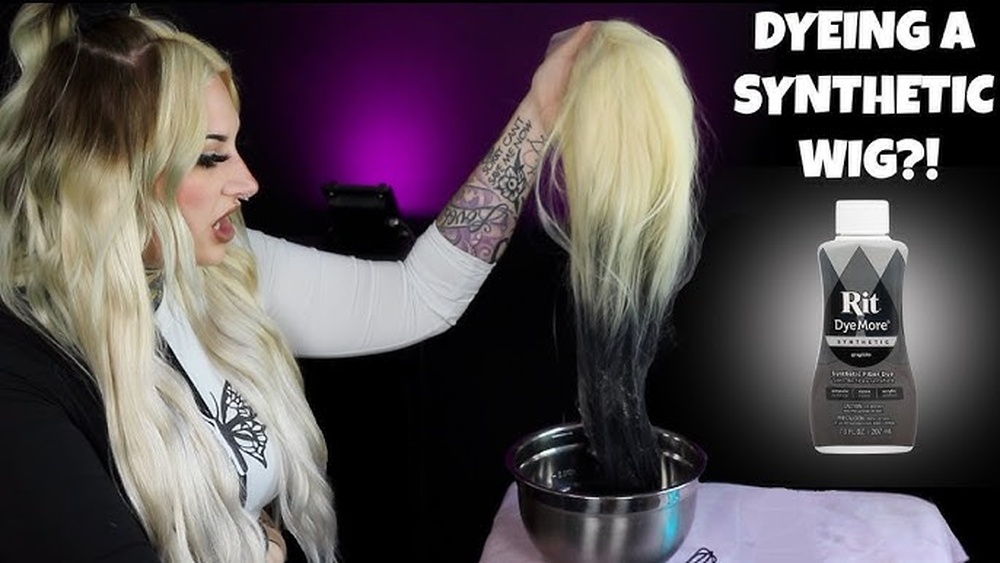
Are you wondering if you can change the color of your synthetic hair? Whether you have a wig, extensions, or a synthetic hairpiece, you might want to give it a fresh new look.
But here’s the catch—synthetic hair isn’t like natural hair. Regular hair dyes just won’t work, and using the wrong products can leave your hair damaged or discolored. So, can you color synthetic hair? The good news is yes, but it takes the right approach and materials.
You’ll discover exactly how to dye synthetic hair safely and effectively, the best products to use, and insider tips to avoid common mistakes. Keep reading to unlock the secrets that will help you transform your synthetic hair with vibrant, lasting color.

Credit: www.youtube.com
Synthetic Hair Basics
Synthetic hair looks and feels like real hair but differs in many ways. It is made from man-made fibers designed to mimic natural hair strands. Understanding these basics helps explain why coloring synthetic hair is tricky. The structure and material of synthetic hair affect how it reacts to dyes. Regular hair dye often fails because synthetic fibers do not absorb color like human hair.
Knowing what synthetic hair is made of and why dyes fail is key before trying any coloring methods. This knowledge helps choose the right products and avoid damage.
What Is Synthetic Hair Made Of
Synthetic hair is usually made from plastic fibers. Common materials include acrylic, polyester, and polyvinyl chloride (PVC). These fibers are lightweight and hold their shape well. Unlike human hair, they do not absorb moisture or oils. The fibers are smooth and coated to look shiny. This coating also makes it hard for color to penetrate the strands.
Why Regular Hair Dye Fails
Regular hair dye is designed for porous human hair. It works by opening the hair cuticle to deposit color inside. Synthetic fibers are non-porous and smooth. Hair dye cannot enter or bond with plastic fibers. Instead, it just sits on the surface and washes away easily. This leads to uneven color or no change at all. Specialized fabric dyes are needed to color synthetic hair effectively.
Dye Options For Synthetic Hair
Dyeing synthetic hair requires special products and techniques. Regular hair dye won’t work on synthetic fibers. Synthetic hair is made from plastic, which needs fabric dyes or other specific methods. Choosing the right dye ensures vibrant and lasting color. Below are popular dye options for synthetic hair.
Synthetic Fabric Dyes
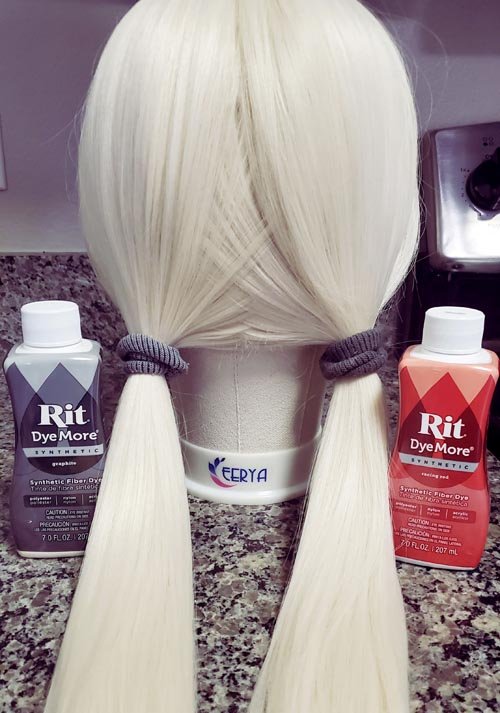
Synthetic fabric dyes are made for plastic fibers. Popular brands include Rit DyeMore, iDye Poly, and Miyacozome. These dyes work well on polyester and nylon fibers.
To use, heat water to a warm temperature, not boiling. Dip the synthetic hair into the dye bath carefully. Leave it in the dye for the recommended time on the package. Rinse the hair with cold water after dyeing.
This method is best for changing color or darkening light synthetic hair. It gives deep, rich color that lasts longer than other options.
Acrylic Ink And Alcohol Mix
Acrylic ink mixed with rubbing alcohol creates a flexible dye for synthetic hair. This mix works well for spray or gradient effects. It allows more creativity with color placement.
Mix acrylic ink with 70% or higher rubbing alcohol in a spray bottle. Spray the mixture evenly on the synthetic hair. Let it dry completely before styling or wearing.
This method is perfect for adding highlights or subtle color changes. It does not soak into the fibers but coats the surface.
Other Diy Methods
Some people use markers, fabric paint, or permanent markers to color synthetic hair. These methods are less permanent and may fade after washing.
Use fabric markers or paint designed for polyester fabrics. Apply color carefully and allow it to dry fully. Test on a small section first to check color results.
These options work well for small areas or temporary color changes. They offer a quick and easy way to customize synthetic hair.
Step-by-step Dyeing Process
Dyeing synthetic hair requires specific steps to ensure vibrant, lasting color. The process differs from natural hair coloring because synthetic fibers need special dyes. Follow this step-by-step guide to safely and effectively change your synthetic hair color.
Preparing The Hair
Start by washing the synthetic hair gently with mild shampoo. Avoid using conditioner before dyeing, as it can block color absorption. Let the hair dry completely on a towel. Detangle carefully using a wide-tooth comb. Protect your workspace with old towels or plastic sheets to catch dye spills. Wear gloves to protect your hands from stains.
Applying Fabric Dye
Use fabric dyes made for synthetics, like Rit DyeMore or iDye Poly. Heat water to warm, not boiling. Mix the dye according to package instructions. Submerge the synthetic hair fully in the dye bath. Stir gently to avoid tangling. Leave the hair in the dye for 30 to 60 minutes. Check the color frequently to get the desired shade.
Using Acrylic Ink Spray
Mix acrylic ink with rubbing alcohol in a spray bottle for a DIY option. Spray the mixture evenly over dry synthetic hair. Use light, even coats to build color slowly. This method works well for gradients or custom designs. Allow the hair to dry completely between coats. Repeat spraying until you reach the preferred intensity.
Rinsing And Conditioning
Rinse the synthetic hair in cool water until the water runs clear. Avoid hot water, which can damage fibers. Do not use regular conditioner, as it may strip the dye. Instead, use a synthetic wig conditioner or leave-in detangler. Gently comb through to remove tangles. Let the hair air dry on a flat surface or wig stand.
Coloring Tips And Tricks
Coloring synthetic hair requires careful planning and the right techniques. The fibers do not absorb dye like natural hair, so special care is essential. The following tips help achieve the best results and protect your hair and workspace during the process.
Starting With A Light Base
Begin with a light-colored synthetic wig or hairpiece for better dye results. Light bases, like white or blonde, show vibrant colors more clearly. Dark synthetic hair may not change much with dye. Choose a light base to ensure the new color stands out and looks natural.
Avoiding Color Lightening
Synthetic hair cannot be lightened like natural hair. Standard bleach or hair lightener will not work on plastic fibers. Focus on darkening or changing the color to another shade. Use fabric dyes designed for synthetic materials to get lasting color. Trying to lighten synthetic hair may damage the fibers and ruin the piece.
Protecting Your Workspace
Set up your dyeing area carefully to avoid stains. Use old towels or plastic sheets to cover surfaces. Wear gloves to protect your hands from dye stains. Work in a well-ventilated space to reduce strong fumes from synthetic dyes. Keeping your area clean helps prevent unwanted mess and damage.
Maintaining Moisture After Dyeing
Synthetic hair can dry out after dyeing. Apply a light conditioner or synthetic hair moisturizer to keep fibers soft. Avoid heavy oils, which can weigh hair down. Let the hair air dry naturally on a wig stand. Proper moisture care extends the life and shine of dyed synthetic hair.
Common Challenges
Coloring synthetic hair poses several challenges. The fibers do not react like natural hair. Understanding these common issues helps set the right expectations.
Color Fading Issues
Synthetic hair colors tend to fade faster than natural hair dyes. The plastic fibers do not hold color deeply. Washing or sun exposure can cause the color to dull quickly. Regular touch-ups may be necessary to maintain vibrancy. Using color-safe shampoos helps slow fading but does not stop it completely.
Uneven Dye Results
Dyeing synthetic hair often leads to patchy or uneven color. The fibers absorb dye inconsistently due to their smooth surface. Some areas may take the color better than others. This problem is common with darker or very bright colors. Testing a small section first can help predict the final result.
Damage Prevention
Applying dye to synthetic hair can cause damage if not done carefully. High heat or harsh chemicals weaken the fibers. Use gentle dye products made for synthetic materials only. Avoid boiling water or prolonged soaking to protect the hair’s structure. Always rinse thoroughly and handle the hair with care to prevent tangling or frizz.
Credit: cosplayerjourney.com
Best Products To Use
Choosing the right product to color synthetic hair makes all the difference. Synthetic fibers need special dyes that can bond with their plastic structure. Normal hair dyes do not work on synthetic hair. The best results come from synthetic fabric dyes designed for polyester and similar fibers. These dyes offer vibrant and lasting color changes.
Below are some top products used to dye synthetic hair. Each has unique features and instructions for use. They work well on wigs, extensions, and other synthetic hair pieces.
Rit Dyemore
Rit DyeMore is a popular synthetic fabric dye. It works well on polyester and nylon fibers found in synthetic hair. Use hot water (not boiling) to prepare the dye bath. Dip the synthetic hair fully and stir gently. Rinse with cool water after dyeing. The color lasts long and looks rich. Rit DyeMore is great for darkening or changing colors on light bases.
Idye Poly
iDye Poly is another excellent choice for synthetic hair coloring. It is specially made for polyester fabrics and synthetic fibers. Heat the dye in water and soak the hair for even coverage. This dye offers bright, bold colors that stick well. iDye Poly is easy to use and produces vibrant results on white or light synthetic hair.
Miyacozome
Miyacozome is a synthetic fabric dye gaining popularity. It works on a variety of synthetic materials, including wigs and extensions. The dyeing process involves heating the dye solution and submerging the hair. Miyacozome colors are vivid and durable. It suits users who want long-lasting color with minimal fading.
Creative Effects
Creative effects open up exciting possibilities for synthetic hair. Although synthetic fibers do not absorb color like natural hair, special techniques allow vibrant, artistic designs. These methods help achieve unique looks that stand out. Synthetic hair can showcase beautiful transitions and blends with the right approach.
Ombre And Gradient Styles
Ombre and gradient styles create a smooth color flow on synthetic hair. Using spray techniques or fabric dyes, you can add depth and dimension. Start with a lighter base for better color results. Gradually layer colors from dark to light or vice versa. This effect adds a modern and stylish touch to synthetic wigs or extensions.
Custom Color Blending
Custom color blending allows mixing multiple shades on synthetic hair. Acrylic inks mixed with rubbing alcohol work well for this. Spray or brush the blend carefully to avoid harsh lines. This technique gives a hand-painted, artistic appearance. It suits bold, creative looks and personalized styles. Blending colors can transform plain synthetic hair into a unique masterpiece.

Credit: www.amazon.com
Frequently Asked Questions
What Dye Works On Synthetic Hair?
Use specialized fabric dyes like Rit DyeMore or iDye Poly for synthetic hair. Regular hair dye won’t work on plastic fibers. Acrylic ink mixed with rubbing alcohol also dyes synthetics well. Always start with a light base color for vibrant results.
What Will Happen If I Dye Synthetic Hair?
Dyeing synthetic hair with regular dye won’t work and may damage fibers. Use special synthetic fabric dyes for lasting color. Only darken synthetic hair; it won’t lighten. Always condition after dyeing to maintain moisture and texture.
Will Regular Rit Dye Work On Synthetic Hair?
Regular Rit dye does not work well on synthetic hair because it cannot bond with plastic fibers. Use Rit DyeMore or iDye Poly for best results on synthetic materials. These specialized dyes penetrate synthetic fibers, providing lasting color, unlike standard hair dye which only suits natural hair.
What Is The Best Dye For Synthetics?
The best dye for synthetic hair is specialized fabric dye like Rit DyeMore or iDye Poly. These dyes bond well with synthetic fibers. Acrylic ink mixed with rubbing alcohol also works for gradient effects. Always dye on lighter bases for vibrant colors and avoid regular hair dye.
Conclusion
Coloring synthetic hair needs care and the right products. Regular hair dye will not work because synthetic fibers are plastic. Use fabric dyes made for synthetics like Rit DyeMore or iDye Poly. A lighter base color gives the best results.
Acrylic ink mixed with rubbing alcohol also works well for subtle shades or gradients. Always follow dye instructions carefully and test on a small piece first. With patience and the right method, you can change synthetic hair color successfully. Remember, synthetic hair needs special treatment to keep it looking great.
As an Amazon Associate, I earn from qualifying purchases.
Lovingshe is a participant in the Amazon Services LLC Associates Program which is an affiliate advertising program designed to provide a means for sites to earn advertising fees by advertising and linking to Amazon.com. Amazon may use cookies to track referrals from our site. Visit Amazon’s privacy policy for details
