


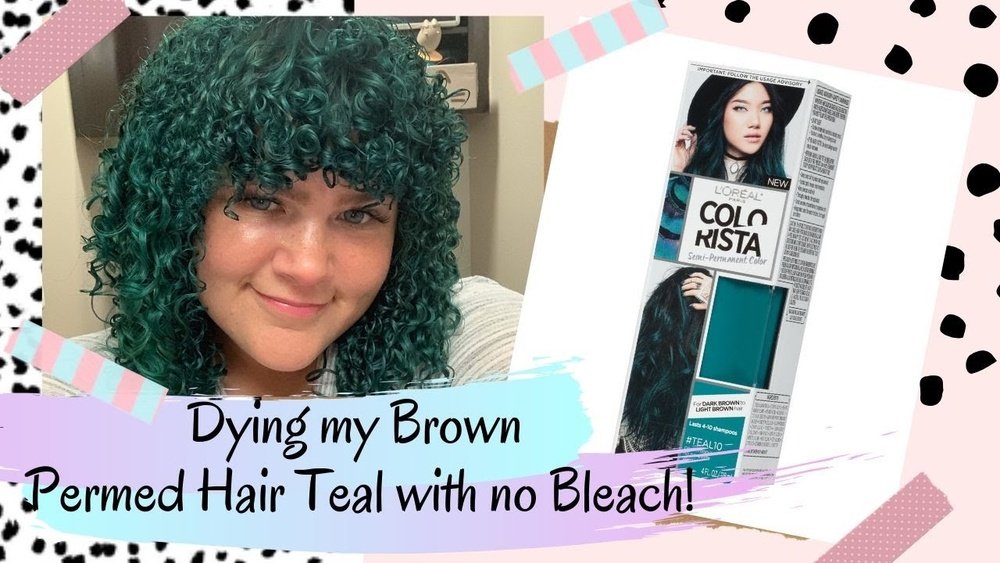
Thinking about adding some fresh color to your permed hair? You might be wondering if it’s safe or if you’ll risk damaging your curls.
Coloring permed hair isn’t as simple as it seems—both processes use chemicals that can stress your hair. But don’t worry, with the right timing and care, you can enjoy vibrant color without sacrificing the health and bounce of your perm.
You’ll discover exactly when and how to color your permed hair safely, plus expert tips to keep your locks looking their best. Ready to transform your look without the damage? Keep reading to learn how!

Credit: www.youtube.com
Timing For Coloring
Coloring permed hair requires careful timing to keep your hair healthy and vibrant. The chemicals used in perming and coloring can weaken hair if done too close together. Planning the right time to color ensures better results and less damage. Understanding how long to wait and what happens to your hair during this time is key.
Waiting Period After Perm
Wait at least one to two weeks after a perm before coloring. This gap lets your hair recover from the perming chemicals. Coloring too soon can cause severe damage like breakage and dryness. The waiting time helps your hair regain strength and moisture.
Chemical Impact On Hair
Perming and coloring both change hair structure using strong chemicals. These chemicals break and rebuild hair bonds. Doing both treatments too close can stress hair beyond repair. Hair becomes fragile, leading to frizz, split ends, and dullness. Gentle colors and low peroxide levels reduce this risk.
Hair Recovery Process
The recovery process after a perm is vital for healthy coloring. Hair needs time to rehydrate and regain elasticity. Deep conditioning treatments help restore moisture and smoothness. A healthy hair base takes color better and lasts longer. Avoid harsh treatments during recovery to protect hair health.
Safe Dye Choices
Choosing the right hair dye is important for permed hair. Permed hair is fragile and needs gentle products. Safe dye choices protect your curls and keep hair healthy. Using mild dyes reduces the chance of damage and dryness. Below are some good options for coloring permed hair safely.
Semi-permanent Colors
Semi-permanent colors are gentle and do not contain harsh chemicals. They coat the hair shaft without penetrating deeply. This means less damage to the perm’s structure. These colors fade gradually with washing, which is good for trying new shades. They add shine and refresh your color without stripping moisture.
Demi-permanent Options
Demi-permanent dyes last longer than semi-permanent ones but still avoid strong chemicals like ammonia. They use low levels of peroxide to slightly open the hair cuticle. This allows color to enter gently and cause less damage. Demi-permanent colors blend well with natural hair and enhance your perm’s look. They are a balanced choice for color and care.
Ammonia-free Dyes
Ammonia-free dyes are less harsh and do not open the hair cuticle as much as regular dyes. They keep the hair’s natural moisture intact. These dyes reduce the risk of drying out permed hair. Ammonia-free formulas often include conditioning agents to soothe and protect hair. They are ideal for maintaining curl definition and softness.
Coloring Tips
Coloring permed hair requires special care to avoid damage and maintain curl health. The right approach helps keep hair vibrant and strong. Follow these simple coloring tips to protect your permed hair during the coloring process.
Lower Developer Volume
Use a lower developer volume to reduce hair damage. Permed hair is fragile and needs gentle treatment. A 10 or 20 volume developer is better than higher volumes. This prevents harsh chemicals from breaking your curls or causing dryness.
Strand Testing
Always perform a strand test before coloring your entire head. This test shows how your hair will react to the dye. It helps avoid unexpected color results and damage. Apply the color on a small hair section and wait to see the outcome.
Deep Conditioning
Deep conditioning is essential after coloring permed hair. It restores moisture and strengthens hair strands. Use a rich conditioner or hair mask once a week. This keeps your curls soft, shiny, and healthy over time.

Credit: apohair.com
Perm Before Or After Color
Deciding whether to perm your hair before or after coloring affects the health and look of your hair. Both processes change hair structure with chemicals. Planning the order helps reduce damage and keeps your style fresh. Understanding what happens when you perm before or after coloring helps you choose the best option.
Effects Of Perming First
Perming changes hair bonds to create curls. This can make hair more fragile. Coloring hair after perming may cause extra dryness. The color might not spread evenly on curly hair. Waiting one to two weeks after perming before coloring helps hair recover. Using gentle, ammonia-free dyes reduces risk of damage. Deep conditioning treatments keep hair strong and soft.
Coloring Before Perming
Coloring hair first can weaken it. Chemicals in hair dye open the cuticle and change hair color. Perming after coloring can cause color to fade faster. The perm solution may also harm colored hair more easily. Wait at least two weeks after coloring before perming. This allows color to set and hair to regain strength. Always use protective treatments during both processes.
Combining Both Processes
Some people want to perm and color hair at the same time. This increases risk of damage and breakage. Hair may become dry, brittle, or lose shine. A skilled stylist can space treatments to protect hair health. They may use milder chemicals or special products. Testing a small section first helps avoid surprises. Proper aftercare is crucial for maintaining color and curl quality.
Professional Guidance
Seeking professional guidance is key before coloring permed hair. Experts can tailor advice to your hair’s unique needs. They help protect hair health and achieve the desired color safely.
Stylist Consultation
Schedule a visit with a licensed stylist. They review your hair history and current condition. Discuss your color goals clearly. Professionals spot potential risks early. This step avoids damage and unexpected results.
Assessing Hair Condition
The stylist examines your hair’s strength and moisture levels. They check for breakage or dryness from the perm. This assessment determines if your hair can handle coloring. Healthy, well-moisturized hair responds better to dye.
Custom Recommendations
Based on the assessment, the stylist suggests suitable color types. They might recommend gentle, ammonia-free dyes or semi-permanent options. Timing between perm and coloring is advised carefully. Personalized care plans ensure hair stays vibrant and strong.

Credit: www.salonhaze.com
Frequently Asked Questions
How Long After A Perm Can You Color Your Hair?
Wait at least one to two weeks after a perm before coloring to prevent damage. Use gentle, ammonia-free dyes and always do a strand test. Deep condition regularly to maintain hair health. Consult a stylist for personalized advice.
What Hair Dye Is Safe For Permed Hair?
Use ammonia-free, semi-permanent, or color-depositing gloss dyes for permed hair. Wait 1-2 weeks post-perm, do a strand test, and deep condition regularly.
Will Coloring My Hair Relax My Perm?
Coloring hair can weaken and relax a perm if done too soon. Wait 1-2 weeks after perming before coloring. Use gentle, ammonia-free dyes and deep condition regularly to maintain curl integrity. Always perform a strand test and consult a stylist for best results.
Does A Perm Take Out Hair Dye?
A perm can lighten hair dye slightly by opening hair cuticles. It may cause color fading but does not fully remove dye. Waiting 1-2 weeks after perming before dyeing helps protect hair health and color vibrancy.
Conclusion
Coloring permed hair is possible with care and patience. Wait at least one to two weeks after perming. Use gentle, ammonia-free or semi-permanent colors to reduce damage. Always do a strand test before full application. Deep conditioning keeps hair strong and hydrated.
Consulting a professional helps protect your hair’s health. Taking these steps keeps your hair vibrant and healthy.
As an Amazon Associate, I earn from qualifying purchases.
Lovingshe is a participant in the Amazon Services LLC Associates Program which is an affiliate advertising program designed to provide a means for sites to earn advertising fees by advertising and linking to Amazon.com. Amazon may use cookies to track referrals from our site. Visit Amazon’s privacy policy for details
