


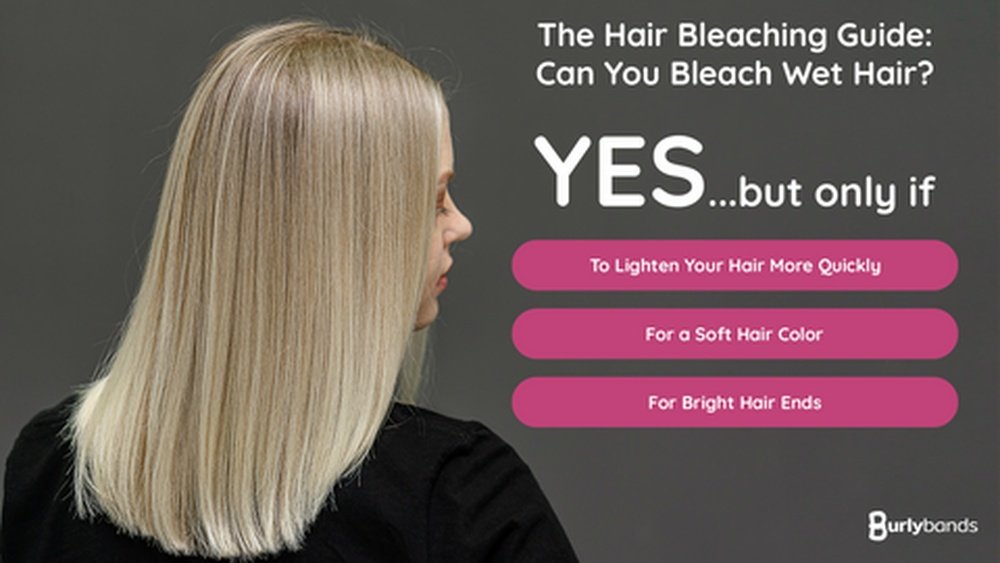
Have you ever wondered if bleaching wet hair is a good idea? Maybe you’re in a rush, or you think wet hair might make the bleach work faster.
But before you dive in, it’s important to know how water affects the bleaching process—and your hair’s health. Bleaching wet hair isn’t as simple as it seems. It can change how the bleach works, how your hair reacts, and even the final color you get.
If you want to avoid damage, uneven color, or unwanted results, keep reading. This guide will help you understand what really happens when you bleach wet hair and how to make the safest, smartest choice for your hair.
Bleaching Basics
Understanding the basics of bleaching helps you make safer choices. Bleach changes hair color by breaking down natural pigments. This process can be harsh, so knowing how bleach works is key.
Many wonder if bleaching wet hair changes the results. The difference between dry and wet application matters a lot. Each method affects hair texture and color outcome in unique ways.
How Bleach Works On Hair
Bleach contains chemicals that remove hair’s natural color. It breaks down melanin, the pigment giving hair its shade. This causes hair to lighten, sometimes to a pale blonde.
The process can weaken hair strands. That’s why it needs careful handling and proper timing. Over-bleaching can cause dryness and breakage.
Dry Vs. Wet Application
Applying bleach on dry hair gives stronger lift and faster results. The bleach can penetrate evenly and lighten hair more effectively.
Wet hair dilutes the bleach, making it less strong. This can lead to softer, less dramatic lightening. It may also cause uneven color and patchiness.
Wet hair is fragile, increasing the risk of damage. It can make hair more prone to breakage during bleaching. Choosing between dry and wet depends on the desired outcome and hair condition.
Effects Of Bleaching Wet Hair
Bleaching wet hair can lead to several unexpected effects. Hair soaked with water changes how bleach works. This change affects the color result and the hair’s health. Understanding these effects helps in making better hair care decisions.
Dilution And Reduced Effectiveness
Water in the hair dilutes the bleach mixture. This dilution weakens the bleach’s power to lift color. The result is a slower or less noticeable lightening effect. The bleach may need longer to work or may not lighten as planned. This also makes color results harder to control.
Hair Fragility And Breakage
Wet hair is more fragile than dry hair. The chemical process of bleaching breaks down hair proteins. When hair is wet, these proteins are weaker and break more easily. This leads to increased hair damage and split ends. Over time, it can cause significant hair breakage and loss.
Uneven Color Results
Water creates barriers on hair strands. These barriers stop bleach from spreading evenly. Some parts of hair may get more bleach than others. This causes patchy or streaky color results. The final hair color looks less natural and uneven. Proper application is harder with wet hair.
Benefits Of Wet Bleaching
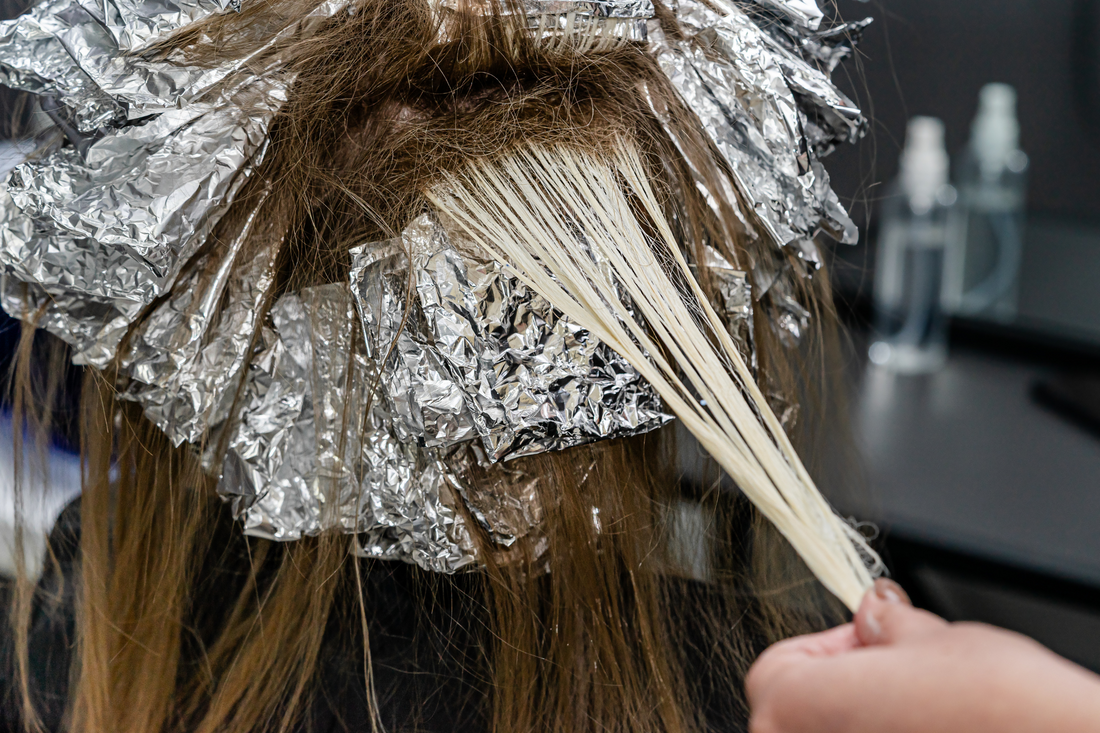
Wet bleaching offers unique advantages for hair lightening. Applying bleach to damp hair changes how the bleach interacts with the hair strands. This method can create a softer and more controlled lightening effect. Many people choose wet bleaching for its gentler impact and subtle results.
Gentler Lightening
Bleaching wet hair slows down the lightening process. Water dilutes the bleach, making it less strong. This reduces damage to the hair cuticle. The gentler lift helps protect fragile or previously processed hair. It lowers the risk of breakage during bleaching.
Subtle, Natural Look
Wet bleaching creates a softer, sun-kissed appearance. The lighter effect blends well with natural hair color. It avoids harsh, stark contrasts that dry bleaching can cause. This method is great for achieving gradual, natural highlights. The result looks less artificial and more blended.
Credit: getrevela.com
Risks Of Wet Bleaching
Bleaching wet hair carries several risks that can affect hair health and the final look. The presence of water changes how bleach reacts with hair strands and the scalp. Many people think wet hair is safer for bleaching. But it often leads to unwanted results and damage.
Understanding these risks helps you avoid common mistakes. It also ensures better hair care during the bleaching process. Below are the main problems linked to bleaching wet hair.
Increased Hair Damage
Wet hair is fragile and stretches more easily. Bleach on wet hair can cause more breakage than on dry hair. Water dilutes the bleach, making the chemical process longer. This extended exposure weakens hair fibers. Hair becomes dry, brittle, and prone to split ends after bleaching wet hair.
Patchy Highlights
Water causes bleach to spread unevenly. Bleach may not stick well to wet hair strands. This leads to inconsistent color and patchy highlights. Some parts of the hair lighten too much, while others barely change. The uneven look is hard to fix without damaging hair further.
Scalp Sensitivity
A wet scalp is more sensitive to bleach chemicals. Water opens pores and softens the skin. Bleach can cause irritation, redness, or even burns on a wet scalp. This increases discomfort and the risk of scalp damage. Protecting the scalp during bleaching is crucial to avoid pain.
Tips For Bleaching Damp Hair
Bleaching damp hair requires careful handling to avoid damage. Moisture affects how bleach reacts with hair. It can cause uneven color and weaken hair strands.
Follow these tips to keep hair healthy and achieve better results.
Towel-dry Instead Of Soaking
Always towel-dry hair before bleaching. Avoid bleaching soaking wet hair. Excess water dilutes bleach, reducing its strength. Damp hair allows better control and even bleach application. This helps to prevent patchy color and damage.
Protect Scalp Oils
Do not wash hair just before bleaching. Natural scalp oils act as a barrier. They protect skin from irritation and burns. Clean hair may cause redness and discomfort. Leaving oils intact helps keep your scalp safe during bleaching.
Use Bond Builders
Bond builders strengthen hair during bleaching. They reduce breakage and dryness. Adding them to bleach protects hair structure. Use products designed to rebuild bonds. This keeps hair healthier and more resilient.
Seek Professional Help
Bleaching damp hair is tricky. A professional knows how to handle moisture and bleach safely. They can customize the process for your hair type. Professionals reduce the risk of damage and uneven color. Always consider expert help for best results.
.jpg)
Credit: vqhair.com
When To Avoid Wet Bleaching
Knowing when to avoid wet bleaching protects your hair from damage. Wet hair changes how bleach works, sometimes causing harm. Some hair types and conditions must skip wet bleaching to stay healthy. Identifying these situations helps keep your hair strong and beautiful.
Highly Porous Hair
Porous hair absorbs moisture and chemicals quickly. Wet bleaching can make damage worse. The bleach penetrates too fast, causing uneven color and breakage. Avoid wet bleaching if your hair feels rough or looks frizzy. Treat your hair to deep conditioning before any chemical process.
Severe Damage History
Hair with past damage is fragile and weak. Wet bleaching adds stress and can break hair easily. It may cause split ends and dryness. If your hair has been bleached or treated many times, skip wet bleaching. Give your hair time to heal with nourishing treatments.
Major Color Changes
Large color changes need strong bleach action. Wet hair dilutes bleach, reducing its power. This leads to patchy and uneven results. For big lifts, dry hair gives better control and consistent color. Avoid wet bleaching when you want a dramatic color change.
Wet Balayage Technique
The wet balayage technique offers a fresh twist on traditional hair coloring. This method applies the color or bleach to damp hair instead of dry strands. It allows for softer, more natural-looking highlights. The moisture in the hair changes how the bleach interacts with the strands. This results in a lighter, sun-kissed effect that many find appealing.
Many stylists use the wet balayage technique to create subtle dimension and blend colors seamlessly. It is ideal for those who want a gentle lift without harsh lines. The process is less damaging because the water dilutes the bleach slightly. This technique suits people seeking a low-maintenance, natural look.
How It Differs From Traditional Balayage
Traditional balayage is done on dry hair for more control and stronger lift. The bleach or color is painted directly onto dry strands, allowing for precise placement. This leads to brighter, more noticeable highlights. The dry hair absorbs bleach faster, so the effect is more dramatic.
Wet balayage uses damp hair, which slows the bleaching process. The water dilutes the bleach, making the lift softer. The color spreads more evenly, creating a smoother transition between shades. The result looks more blended and natural compared to traditional balayage.
Because the hair is wet, the stylist must work quickly to avoid uneven color. The technique requires skill to ensure highlights don’t become patchy. Wet balayage is less harsh but offers less dramatic contrast than the dry method.
Best Hair Types For Wet Balayage
Wet balayage works well on fine to medium hair textures. The dampness helps the bleach spread smoothly on thinner hair. It prevents harsh lines that can appear on fine hair with traditional balayage.
This technique suits straight or slightly wavy hair best. The gentle lift enhances natural movement and shine. Thick, curly hair may need more careful application to avoid uneven color.
People with light to medium base colors benefit most from wet balayage. The diluted bleach lifts color softly on lighter shades. Dark hair may require multiple sessions for visible results using this technique.
Wet balayage fits those wanting a subtle, natural glow without heavy maintenance. It enhances hair texture gently and adds brightness without harsh contrast.

Credit: fullyvital.com
Aftercare For Bleached Hair
Bleaching hair can cause dryness and damage. Proper aftercare helps keep hair healthy and strong. Treat your hair gently to restore moisture and prevent breakage. Focus on nourishing treatments, reducing heat exposure, and regular trims. These steps support hair recovery after bleaching.
Moisturizing Treatments
Bleached hair loses moisture quickly. Use deep conditioning masks once or twice a week. Look for products with natural oils and proteins. Leave treatments on for at least 15 minutes. Rinse with cool water to seal the hair cuticle. This helps keep hair soft and hydrated.
Avoiding Heat Damage
Heat styling tools can worsen damage after bleaching. Limit the use of hair dryers, straighteners, and curling irons. When you must use heat, apply a heat protectant spray first. Choose the lowest heat setting available. Air drying hair is the safest choice for fragile strands.
Regular Trims
Bleached hair often develops split ends. Trim your hair every 6 to 8 weeks. Removing damaged ends prevents breakage from moving up the hair shaft. Regular trims keep hair looking healthy and fresh. Ask your stylist for a gentle trim to maintain length.
Frequently Asked Questions
What Happens If I Bleach My Hair While Wet?
Bleaching wet hair dilutes bleach, weakening its effect and causing uneven color. Wet hair breaks more easily, increasing damage risk.
Can You Bleach Hair While It’s Wet?
Bleaching wet hair is possible but not recommended. Water dilutes the bleach, weakening its effectiveness and causing uneven color results. Wet hair is fragile and more prone to breakage during bleaching, increasing the risk of damage and scalp irritation.
What Are The Risks Of Bleaching Wet Hair?
Bleaching wet hair can cause excessive breakage, dryness, and split ends. The water makes it harder to apply bleach evenly, resulting in patchy highlights. Additionally, a wet scalp is more sensitive, increasing the chance of irritation or chemical burns.
Is Bleaching Damp Hair Safer Than Soaking Wet?
Yes, bleaching damp hair is safer than soaking wet. Towel-dried hair still retains some moisture but reduces bleach dilution and damage. This method allows more control and lessens the risk of breakage or uneven color application.
Conclusion
Bleaching wet hair can lead to uneven color and more damage. Wet hair weakens, making breakage more likely during bleaching. A damp, towel-dried hair state is safer for lightening. Protect your scalp by avoiding washing before bleaching. Using bond builders helps maintain hair strength.
For best results, seek advice from a professional colorist. Choose carefully to keep your hair healthy and vibrant.
As an Amazon Associate, I earn from qualifying purchases.
Lovingshe is a participant in the Amazon Services LLC Associates Program which is an affiliate advertising program designed to provide a means for sites to earn advertising fees by advertising and linking to Amazon.com. Amazon may use cookies to track referrals from our site. Visit Amazon’s privacy policy for details
