


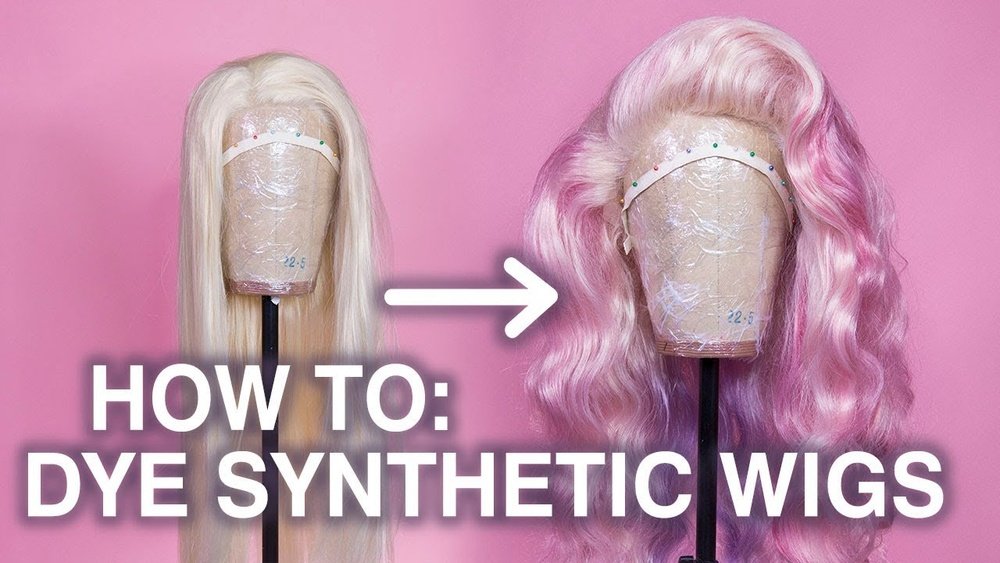
Are you wondering if you can change the color of your synthetic hair? Maybe you’ve bought a synthetic wig or extensions and want a fresh new look without spending a fortune.
The truth is, dyeing synthetic hair isn’t as simple as using regular hair dye. Since synthetic fibers are made from plastic, they don’t absorb color the same way natural hair does. But don’t worry—you can still transform your synthetic hair with the right techniques and products.
You’ll discover how to safely and effectively dye synthetic hair, what types of dyes work best, and important tips to get vibrant, lasting results. Ready to unlock new colors for your synthetic hair? Keep reading to find out how!
Credit: www.youtube.com
Can Synthetic Hair Be Dyed
Synthetic hair differs from natural hair in many ways. One key difference is how it reacts to color. Most synthetic hair is made from plastic fibers. These fibers do not absorb regular hair dye like human hair does. This means typical hair dye will not work on synthetic hair.
Special methods and products are needed to change the color of synthetic hair. The process is not as simple as with real hair. It requires specific dyes that bond with the plastic fibers. Using the wrong dye can damage the synthetic hair or produce poor color results.
What Hair Dye Works On Synthetic Hair?
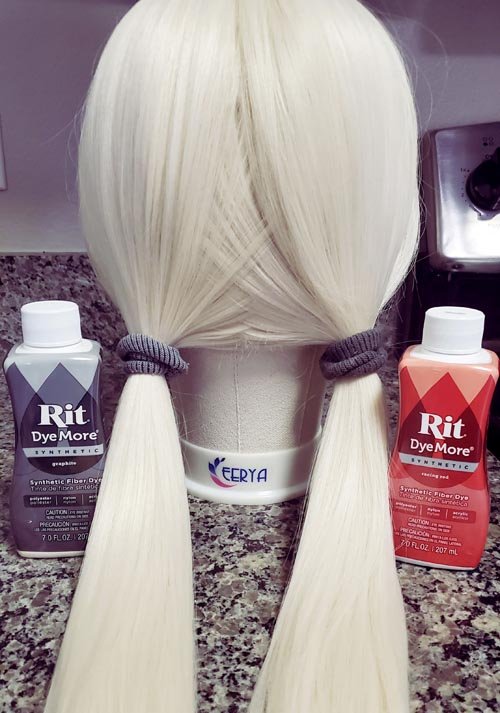
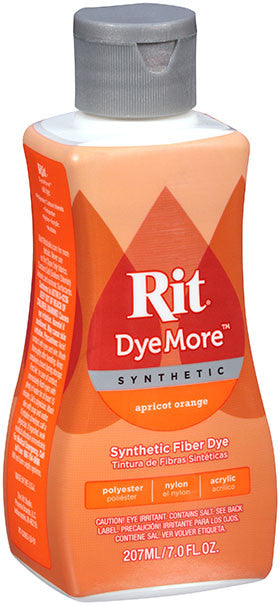
Only dyes made for synthetic materials work on synthetic hair. These are usually fabric dyes designed for polyester or nylon. Brands like Rit DyeMore or iDye Poly are popular choices. They contain chemicals that stick to plastic fibers.
Regular hair dye, which targets the protein in natural hair, will not stick to synthetic fibers. The color will wash out quickly or may not show up at all. Choosing the right dye is essential for lasting color on synthetic hair.
Dyeing Methods For Synthetic Hair
Synthetic hair can be dyed using two main methods. The first uses synthetic fabric dyes. The second uses a mix of acrylic ink and rubbing alcohol.
- Synthetic Fabric Dyes: These dyes offer rich, vibrant colors. The process involves soaking the synthetic hair in hot water with the dye. Afterward, rinse and condition the hair.
- Acrylic Ink & Alcohol: This method works well for gradients or spray effects. Mix acrylic ink with rubbing alcohol in a spray bottle. Spray the mixture onto the hair and comb through for even coverage.
Best Base Color For Dyeing Synthetic Hair
Starting with a lighter base color improves dye results. White or blonde synthetic hair takes color better. Dark synthetic hair may not show new colors well. Light bases allow for bright, vibrant shades after dyeing.
Choosing the right base color and dye method helps achieve the desired look. Patience and care during the process protect the hair’s texture and shine.
Why Regular Hair Dye Fails
Dyeing synthetic hair is tricky. Regular hair dye does not work on synthetic fibers. The main reason lies in the material of synthetic hair. It is made from plastic fibers, not natural hair strands. These fibers do not absorb color the same way human hair does.
Regular hair dye is designed to open hair cuticles. It deposits color inside the hair shaft. Synthetic hair lacks these cuticles. The plastic surface is smooth and non-porous. The dye molecules cannot penetrate or stick well.
Difference In Material Composition
Human hair contains keratin and protein. It reacts chemically with hair dye. Synthetic hair uses polyester, acrylic, or nylon. These materials resist chemical changes. Hair dye formulas cannot bond with plastic fibers.
Lack Of Absorption
Natural hair swells to absorb dye. Synthetic fibers stay hard and sealed. The dye simply sits on the surface. It washes off easily or fades fast. This causes uneven or dull color results.
Color Molecule Size
Hair dye molecules are designed for natural hair. They fit into the hair structure. Plastic fibers have different surface properties. Molecules cannot attach or enter the fibers. This stops the dye from working properly.
Heat And Chemical Sensitivity
Synthetic hair reacts poorly to heat and chemicals. Hair dye often requires heat to set color. The heat can melt or damage synthetic fibers. Chemicals in dye may weaken the synthetic strands. This limits the options for safe dyeing.
Best Dyes For Synthetic Hair
Choosing the best dyes for synthetic hair requires understanding the material. Synthetic hair is made from plastic fibers, so regular hair dyes will not work. Specialized dyes that can bond with synthetic fibers are essential. These dyes help add vibrant color and last longer on synthetic wigs and extensions. Two popular options are synthetic fabric dyes and acrylic ink mixed with alcohol. Each method offers unique advantages for dyeing synthetic hair effectively.
Synthetic Fabric Dyes
Synthetic fabric dyes are designed for polyester and plastic fibers. Brands like Rit DyeMore, iDye Poly, and Miyacozome are popular choices. These dyes penetrate synthetic fibers better than normal hair dye.
The process usually involves dipping the hair into hot water mixed with the dye. The water should be hot but not boiling to protect the fibers. After soaking, rinse the hair thoroughly and use a conditioner to keep it soft.
These dyes work best on lighter colored synthetic hair. They can darken or completely change the color. Using synthetic fabric dyes gives rich, even color that lasts longer.
Acrylic Ink And Alcohol Mix
Acrylic ink mixed with rubbing alcohol offers a creative way to dye synthetic hair. This method is great for adding gradients or spray effects.
Mix acrylic ink and alcohol in a spray bottle, adjusting the ratio to control color strength. More alcohol means a lighter, more diluted color.
Spray the mixture onto the synthetic hair and use a comb to spread the color evenly. This technique allows for precise application and unique color designs.
This method works well for synthetic hair that is white or light blonde, as the colors show up brighter.
Step-by-step Dyeing Process
Dyeing synthetic hair requires careful steps to achieve vibrant colors. The process differs from natural hair dyeing because synthetic fibers need special dyes. This guide explains how to dye synthetic hair using two popular methods. Follow these steps to refresh your synthetic wig or extensions safely and effectively.
Using Synthetic Fabric Dye
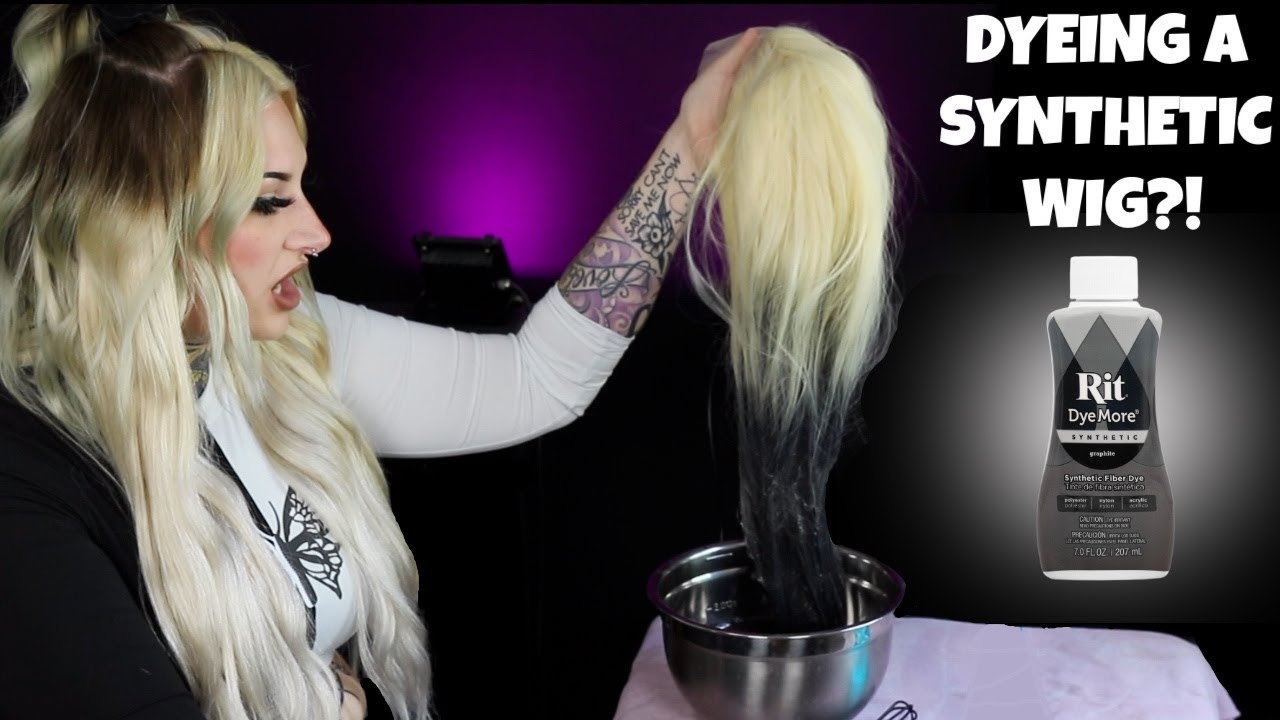
Choose a synthetic fabric dye like Rit DyeMore or iDye Poly. These dyes are designed to bond with plastic fibers. Start by filling a container with hot water, but not boiling.
Submerge the synthetic hair into the dye bath. Stir gently to ensure even coverage. Let the hair soak for 10 to 30 minutes, depending on the color strength you want.
After soaking, rinse the hair in cool water until the water runs clear. Gently squeeze out excess water without wringing. Allow the hair to air dry on a wig stand or hanger.
This method works best on lighter synthetic hair for vivid color results. Avoid using regular hair dye, as it won’t stick to synthetic fibers.
Applying Acrylic Ink And Alcohol
Mix acrylic ink or paint with rubbing alcohol in a spray bottle. Use a ratio of about 1 part ink to 5 parts alcohol for a lighter shade. Adjust the mix for stronger colors.
Spray the mixture evenly over the synthetic hair. You can create gradients or subtle color changes using this technique. Let the hair dry completely after application.
This method offers more control and is great for creating unique color effects. Test the spray on a small hair section before full application.
Both methods require patience and care but provide a fresh, new look for synthetic hair.
Tips For Dyeing Success
Dyeing synthetic hair needs special care to get good results. Using the right methods and materials helps the color last longer and look natural. This section shares simple tips to guide you through the process. Follow these steps to avoid common problems and protect your synthetic hair during dyeing.
Start With Light Colors
Choose light colors for synthetic hair dyeing. Light shades show better on synthetic fibers. Dark colors may not cover well or look dull. Begin with white or blonde synthetic hair for bright colors. Testing a small strand helps avoid mistakes.
Protect Work Surfaces
Cover tables or floors with plastic or old cloth. Dye can stain surfaces easily. Wear gloves to protect your hands. Keep water and cleaning supplies nearby for quick clean-up. Work in a well-ventilated area to avoid strong fumes.
Condition After Dyeing
Use a conditioner made for synthetic hair after dyeing. It keeps fibers soft and smooth. Rinse hair gently with cool water to remove excess dye. Avoid heat tools to prevent damage. Conditioning helps maintain color and hair quality.
Creative Dyeing Techniques
Creative dyeing techniques offer exciting ways to change synthetic hair colors. These methods go beyond simple single-tone dyeing. They allow for artistic expression and unique styles. Using the right products and techniques can make synthetic hair look vibrant and fresh. Below are some popular creative dyeing styles that work well on synthetic fibers.
Gradient And Ombré Effects
Gradient and ombré effects create smooth color transitions on synthetic hair. Start with a lighter base color for the best results. Use fabric dyes made for synthetic fibers to achieve these looks. Dip the hair gradually in the dye bath or apply dye in layers. Blend colors softly from dark to light or from one shade to another. This method adds depth and dimension to synthetic wigs or extensions.
These effects mimic natural hair trends and add a modern twist. They work well on long synthetic hair strands. Be patient and gentle while blending to avoid harsh lines. Use a wide-tooth comb to help blend the colors evenly.
Spray Application Methods
Spray application methods offer precise control over color placement. Mix acrylic ink or fabric dye with rubbing alcohol in a spray bottle. Adjust the mixture to achieve the desired color intensity. Light sprays create subtle tints, while heavier sprays give bold colors.
This technique is ideal for adding highlights, streaks, or multi-color patterns. Spray from different angles for a natural look. Use gloves and work in a well-ventilated area. Allow the synthetic hair to dry fully before styling or wearing.
Common Challenges And Solutions
Dyeing synthetic hair has unique difficulties. The fibers differ from natural hair.
Many face problems with color absorption and lasting results. Solutions exist to tackle these issues.
Understanding Fiber Limitations
Synthetic hair is made of plastic fibers. These do not absorb regular hair dyes.
Using traditional hair dye often results in uneven color or no change. Specialized dyes designed for synthetics work better.
Choosing The Right Dye
Fabric dyes made for polyester or nylon provide better color bonding. Examples include Rit DyeMore and iDye Poly.
These dyes penetrate the synthetic fibers and offer more vibrant, lasting color.
Preparing Synthetic Hair Properly
Clean the hair gently before dyeing. Remove any styling products or oils.
Start with a lighter base color for brighter results. Dark synthetic hair may not show new dye well.
Avoiding Damage To Fibers
High heat can melt synthetic hair. Use warm water, not boiling, during the dye process.
Follow product instructions carefully to keep the fibers intact and soft.
Testing Color First
Always test dye on a small hair section. This prevents unwanted color results.
Adjust dye strength and time based on this test before full application.
Credit: cosplayerjourney.com
Aftercare For Dyed Synthetic Hair
After dyeing synthetic hair, proper care keeps the color vibrant and the fibers healthy. Synthetic hair requires gentle handling because it is made from plastic fibers. Good aftercare helps prevent damage and fading.
Follow these tips to maintain dyed synthetic hair. These steps extend the life of the color and the wig or extensions.
Washing Dyed Synthetic Hair
Use cool water only. Hot water can damage the fibers and fade the color. Choose a mild shampoo made for synthetic hair. Avoid regular hair products. Gently wash without rubbing or twisting. Rinse thoroughly with cool water.
Drying Dyed Synthetic Hair
Pat dry with a soft towel. Do not wring or squeeze the hair. Let it air dry on a wig stand or flat surface. Avoid heat tools like hair dryers. Heat can melt the synthetic fibers and ruin the color.
Brushing And Styling Dyed Synthetic Hair
Use a wide-tooth comb or a brush made for synthetic hair. Start detangling from the ends and work upwards. Avoid harsh pulling to prevent fiber breakage. Do not use heated styling tools unless the hair is heat-resistant.
Storage Tips For Dyed Synthetic Hair
Store in a cool, dry place away from sunlight. UV rays cause color fading. Keep the hair in a breathable bag or on a wig stand. Avoid plastic bags that trap moisture and cause damage.
Credit: www.3tabeliaopiracicaba.com.br
Frequently Asked Questions
What Hair Dye Works On Synthetic Hair?
Use specialized fabric dyes like Rit DyeMore or iDye Poly for synthetic hair. Regular hair dye won’t work on plastic fibers. Acrylic ink mixed with rubbing alcohol also works for lighter colors and effects. Always start with a light base for vibrant results.
What Will Happen If You Dye Synthetic Hair?
Dyeing synthetic hair with regular dye fails because fibers resist color. Use special fabric dyes like Rit DyeMore for effective results. Dye only dark shades on light synthetic hair. Avoid standard hair color to prevent damage and uneven coloring.
Will Regular Rit Dye Work On Synthetic Hair?
Regular Rit Dye does not work well on synthetic hair because it cannot bond with plastic fibers. Use Rit DyeMore or iDye Poly, which are made for synthetics. These dyes provide lasting color by bonding with synthetic materials and require a lighter base for vibrant results.
What Type Of Synthetic Hair Is Best For Dying?
Polyester-based synthetic hair is best for dyeing using fabric dyes like Rit DyeMore or iDye Poly. These dyes bond well with plastic fibers. Use a light base color for vibrant results and avoid regular hair dye, as it won’t adhere effectively to synthetic fibers.
Conclusion
Synthetic hair can be dyed, but it needs special dyes. Use fabric dyes made for synthetic fibers like Rit DyeMore. Regular hair dye will not work on plastic hair. Dyeing works best on light-colored synthetic hair. Dark colors are easier to achieve than lighter ones.
Acrylic ink mixed with alcohol also creates nice color effects. Always follow safety steps and protect your workspace. With care and the right products, synthetic hair can change color beautifully. Experiment gently and enjoy your new look!
As an Amazon Associate, I earn from qualifying purchases.
Lovingshe is a participant in the Amazon Services LLC Associates Program which is an affiliate advertising program designed to provide a means for sites to earn advertising fees by advertising and linking to Amazon.com. Amazon may use cookies to track referrals from our site. Visit Amazon’s privacy policy for details
