


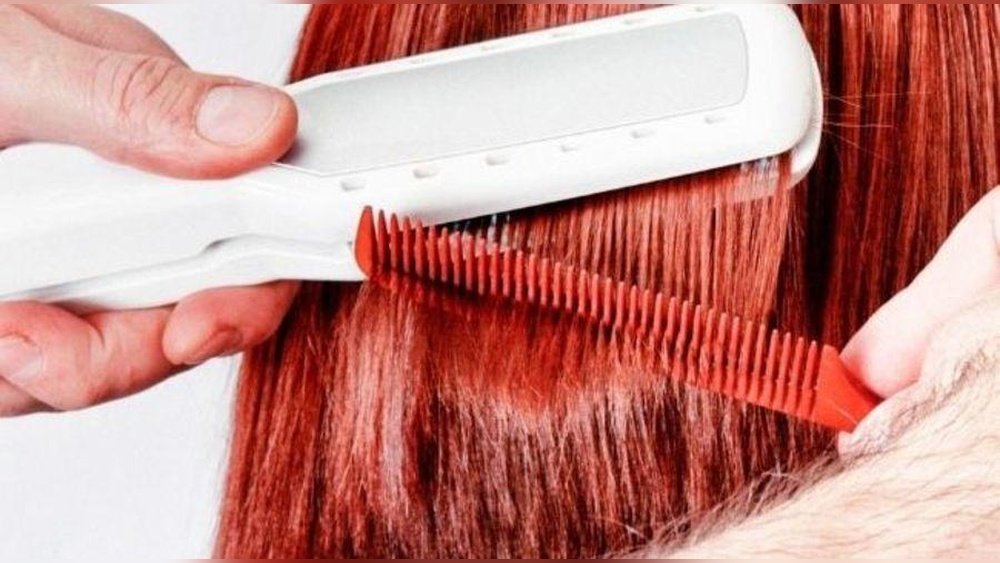
If you’re dealing with head lice, you might wonder if straightening your hair could be a quick fix to kill those stubborn nits. After all, the heat from a flat iron seems powerful enough to zap anything in its path.
But can hair straightening really get rid of lice and their eggs? Before you grab your straightener, it’s important to know what really works—and what doesn’t. You’ll discover the truth behind using heat to kill nits, why some methods fall short, and what you should do to effectively free your hair from lice for good.
Keep reading to protect your scalp and your style!

Credit: www.chemist-4-u.com
Heat And Lice
Heat from hair tools like straighteners can affect lice. Adult lice may die when exposed to high temperatures. The heat damages their bodies quickly. This makes straightening a possible method to reduce lice numbers.
However, nits or lice eggs react differently to heat. Their hard shells protect them from damage. The temperature must be very high to harm the eggs. This can be risky for the scalp and hair.
How Heat Affects Adult Lice
Adult lice are small insects that breathe through tiny holes. Heat from a straightener can block these holes. This causes the lice to die from heat exposure. Direct contact with the heated plates is necessary.
Lice can move quickly and avoid heat by crawling to cooler hair areas. This reduces the chance of killing all lice with straightening. Still, heat can kill many lice on contact. This helps lower the infestation level.
Limitations Of Heat On Nits
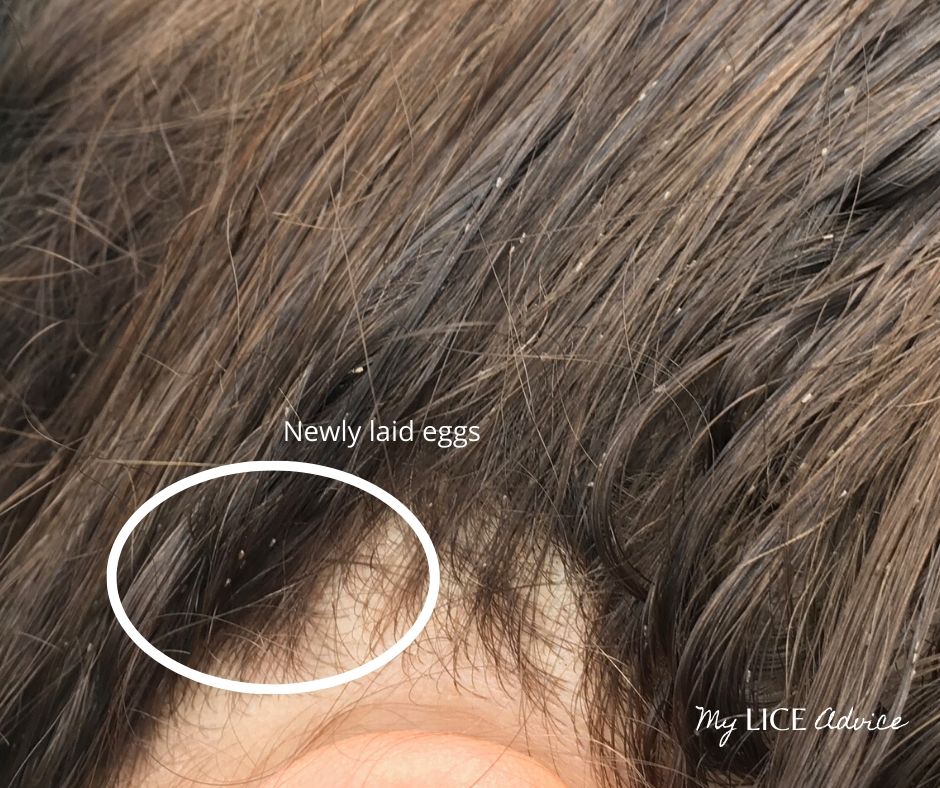
Nits stick tightly to the hair shaft with a strong glue. Heat from a straightener may not reach the eggs near the scalp. The shell protects the egg inside from moderate heat.
High heat that kills nits can also harm the scalp and hair. It is unsafe to apply such heat near the roots. Physical removal by combing remains the best way to remove nits.
Relying only on heat risks leaving live eggs behind. These eggs will hatch and restart the lice problem. Combining heat treatment with proper nit combing is safer and more effective.

Credit: www.chemist-4-u.com
Hair Straightening Effects
Using a hair straightener on lice and nits may sound like a quick fix. The heat from the straightener can kill adult lice on contact. But nits are a different challenge. They stick tightly to hair strands. The heat may not reach them properly.
Understanding how hair straightening affects lice and nits helps to know its limits. It is important to learn what happens during the process.
Direct Contact With Lice
The hair straightener needs to touch lice directly to kill them. The heat burns adult lice instantly. But lice can move fast. Some may escape before the heat reaches them. This means straightening can reduce lice numbers but may not remove them all.
Heat Penetration Challenges
Nits are glued near the scalp on the hair shaft. The heat from a straightener does not reach the scalp well. Nits have tough shells that protect them. Even high heat often cannot penetrate these shells. This makes killing nits with straightening very difficult.
Risks Of Hair Damage
Applying strong heat to kill lice and nits can harm hair. Frequent straightening can dry hair and cause breakage. It can also weaken hair strands over time. Using a straightener as a lice treatment risks damaging hair health.
Nits Attachment And Removal
Understanding how nits attach to hair and the methods to remove them is crucial. Nits are lice eggs stuck firmly to hair strands. Removing them requires more than just heat treatment. This section explains how nits attach and why certain removal methods work better.
Strong Bond To Hair Shaft
Nits stick tightly to the hair shaft with a glue-like substance. This bond makes them hard to remove. The glue holds the eggs near the scalp, where lice hatch. This strong attachment protects nits from falling off easily.
Why Heat Alone Is Insufficient
Heat from straightening irons cannot kill all nits. The eggshells are tough and protect the embryos inside. Heat may not reach the base of the hair where nits cling. Applying high heat near the scalp is unsafe and can cause burns. Therefore, heat alone cannot guarantee nit removal.
Effective Physical Removal Methods
Physically removing nits is the most effective way to get rid of them. Using a fine-toothed lice comb helps to pull nits off the hair shafts. Manual removal ensures eggs are taken off completely. This method reduces the chance of lice hatching and spreading again.
Alternative Lice Treatments
Alternative lice treatments offer options beyond just heat from hair straightening. Many people seek safer and more effective ways to remove lice and nits. Using heat alone may not fully solve the problem, especially for nits firmly attached to hair strands. Combining different methods often improves results and reduces the chance of lice returning.
Combining Heat With Other Methods
Heat can kill some lice on contact, but nits are harder to destroy. Using a fine-toothed comb helps remove nits physically. After straightening, carefully comb through wet hair to catch remaining eggs. Some treatments suggest applying heat after chemical or natural remedies. This approach targets both live lice and stubborn nits for better control.
Chemical Treatments
Chemical shampoos and lotions kill lice and sometimes nits. These products contain insecticides like permethrin or pyrethrin. Follow instructions carefully to avoid side effects. Chemical treatments may require repeated use for full effectiveness. They often work best combined with combing to remove dead lice and eggs from hair.
Natural Remedies
Natural remedies use oils and plant extracts to suffocate lice. Tea tree oil, coconut oil, and neem oil are popular choices. These oils coat lice, making it hard for them to breathe. Natural methods are gentler and safer for children. They need patience and repeated application to fully clear lice and nits.
Safety Considerations
Using a hair straightener to kill nits involves important safety concerns. The process requires careful handling to avoid damage to your scalp and hair. Protecting your skin and hair health must come first. Proper precautions help prevent injuries and maintain hair strength.
Avoiding Scalp Burns
Direct heat from a straightener can easily burn the scalp. The skin on the head is sensitive and can get damaged quickly. Keep the straightener away from the scalp as much as possible. Use low to medium heat settings to reduce risk. Move the straightener gently and do not hold it in one place. Always test the temperature on a small hair section before full use.
Protecting Hair Health
High heat damages hair by drying it out and causing breakage. Nits are attached close to the roots, where heat can harm the hair follicles. Use heat protectant sprays before straightening to minimize damage. Avoid frequent use of the straightener to keep hair strong and healthy. Proper hair care after straightening helps restore moisture and shine. Regular conditioning and gentle handling improve hair resilience.
Myths And Facts
Many people wonder if straightening hair can kill nits. There are many myths and facts around this topic. Understanding these can help you choose the right treatment for lice.
The truth is often different from what people believe. Let’s clear up some confusion.
Common Misconceptions About Straightening
Some believe that using a hair straightener will kill all lice and nits instantly. This is not true. Heat from the straightener can kill adult lice only if it touches them directly.
Nits, or lice eggs, are glued tightly to the hair shaft. They are much harder to kill with heat. Many think straightening reaches the scalp, but it usually does not reach the roots where nits are.
People also think that straightening hair can replace other treatments. This idea is risky because nits can survive and hatch later, causing re-infestation.
What Science Says
Research shows that heat can kill adult lice, but it must be very close and direct. The temperature needs to be high enough to burn the lice on contact.
Scientific studies confirm that nits have a strong shell. This shell protects them from heat. Even a hot straightener often cannot kill them completely.
Experts advise using combing and special lice treatments to remove nits safely. Heat alone is not reliable to get rid of all lice and eggs.
In short, straightening hair may kill some lice, but it cannot kill all nits. Effective lice removal needs a combination of methods.
Credit: myliceadvice.com
Frequently Asked Questions
What Happens If You Straighten Your Hair With Lice?
Straightening hair can kill some adult lice by direct heat contact. Nits usually survive since heat doesn’t reach the scalp or penetrate eggshells. Hair straightening alone cannot fully eliminate lice or nits; physical removal and proper treatment remain necessary for effective lice control.
Can You Kill Nits With A Hair Straightener?
A hair straightener can kill lice on contact but cannot reliably kill nits. Nits stick firmly to hair and need manual removal. Heat from straighteners can’t safely reach eggs near the scalp, making this method ineffective for complete nit elimination.
Does Heat Kill Nits In Hair?
Heat can kill adult lice on direct contact, but it does not reliably kill nits. Nits firmly attach to hair and resist heat. Effective nit removal requires combing or specialized treatments, as heat from straighteners often fails to reach eggs near the scalp safely.
Does Ironing Kill Lice Eggs?
Ironing rarely kills lice eggs because their tough shells protect them from heat. Nits stick firmly to hair and need manual removal. Direct, high heat is necessary but unsafe near the scalp. Use combing or specialized treatments for effective lice egg removal.
Conclusion
Using a hair straightener can kill some live lice on contact. It cannot remove or kill nits effectively. Nits stick tightly to hair and need combing to remove. Heat cannot safely reach the scalp where nits attach. Relying on straighteners alone may leave eggs behind.
Combining combing and proper treatments works best to stop lice. Straightening hair might help but is not a complete solution. Patience and thorough care are key to ending lice infestations.
As an Amazon Associate, I earn from qualifying purchases.
Lovingshe is a participant in the Amazon Services LLC Associates Program which is an affiliate advertising program designed to provide a means for sites to earn advertising fees by advertising and linking to Amazon.com. Amazon may use cookies to track referrals from our site. Visit Amazon’s privacy policy for details
