


Have you ever wondered if lice can cause your hair to fall out? If you’re dealing with that stubborn itching and worrying about your hair’s health, you’re not alone.
Many people ask this question because hair loss is scary, and lice infestations can be frustrating. The good news is, understanding how lice affect your scalp and hair can help you take the right steps to protect your hair and stop the problem before it gets worse.
Keep reading to discover the truth about lice and hair loss, what symptoms to watch for, and how you can treat lice effectively to keep your hair healthy and strong.

Credit: www.liceclinicsofamerica.com
Lice And Hair Follicles
The relationship between lice and hair follicles is often misunderstood. Lice do not burrow into the scalp or destroy hair follicles. Instead, they live on the surface of the scalp and attach their eggs, called nits, to individual hair strands. Understanding how lice interact with hair follicles helps clarify if they can cause hair loss.
Lice need hair to cling to and to stay close to the scalp for warmth and food. They feed on small amounts of blood by biting the scalp. This feeding does not directly harm the hair follicles. The main problems arise from the irritation and scratching caused by lice bites.
How Lice Live On Scalp
Lice live very close to the scalp, usually near the nape of the neck and behind the ears. They cling tightly to hair strands using their claws. Lice move by crawling; they cannot jump or fly.
They feed by biting the scalp to drink blood multiple times a day. This feeding keeps them alive but causes itching. The lice also lay eggs attached firmly to hair shafts. These eggs hatch in about a week.
Impact On Hair Follicles
Lice do not feed on or damage hair follicles directly. Hair follicles remain intact under the scalp surface. The main damage comes from scratching irritated skin.
Scratching can cause small wounds and infections, which may harm the scalp. In severe cases, this can weaken hair roots and cause temporary hair loss. The hair usually grows back once the lice and irritation are treated.
Symptoms Of Lice Infestation
Lice infestation causes several uncomfortable symptoms. Recognizing these signs helps in early treatment. Understanding the symptoms is key to managing lice effectively.
These symptoms affect daily life and scalp health. They range from itching to visible signs on the scalp. Sleep disruption is also common due to lice activity at night.
Intense Itching And Discomfort
Itching is the most common symptom of lice infestation. It happens because of an allergic reaction to louse saliva. The itching usually starts mild but becomes intense over time. It mostly occurs around the ears and neck. Constant itching causes discomfort and often leads to scratching. Scratching may damage the scalp and increase the risk of infection.
Visible Signs On Scalp
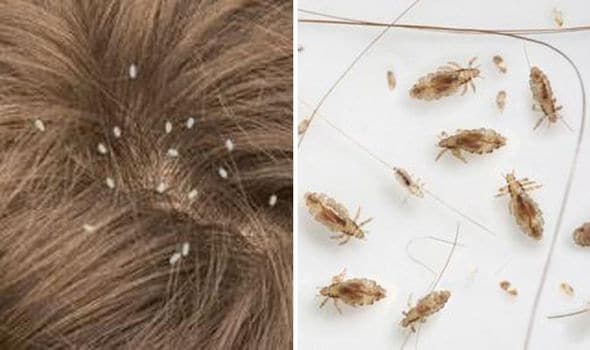
Visible signs help confirm lice presence. Tiny lice and their eggs, called nits, attach to hair strands. Nits look like small white or yellowish dots near the scalp. You may also notice red bumps or sores caused by scratching. These signs show the infestation’s severity. Checking the scalp under good light helps spot lice early.
Sleep Disruption
Lice are most active at night, causing sleep problems. Itching worsens when lying down, making it hard to rest. This leads to tiredness and poor concentration during the day. Sleep disruption affects both children and adults with lice. Treating lice quickly can improve sleep quality and overall comfort.
Hair Damage From Lice
Lice infestations can cause more than just itching and discomfort. They may also lead to noticeable hair damage. Understanding how lice affect hair health helps clarify whether hair loss is possible during an infestation.
Hair damage from lice mostly results from physical stress on the hair and scalp. The lice feed on blood and lay eggs close to the scalp. This activity can weaken hair strands and interfere with normal growth.
Brittleness And Breakage
Lice cause hair to become brittle and fragile. Their movement and biting irritate the scalp and hair shafts. Frequent scratching damages the hair cuticle, leading to breakage. Over time, this makes hair look thin and unhealthy.
Follicle Blockage Effects
Lice eggs, known as nits, attach firmly to hair shafts near follicles. A heavy buildup of nits can block follicles and reduce airflow to the scalp. This blockage may cause follicle inflammation, affecting hair growth and health.
Temporary Hair Loss Causes
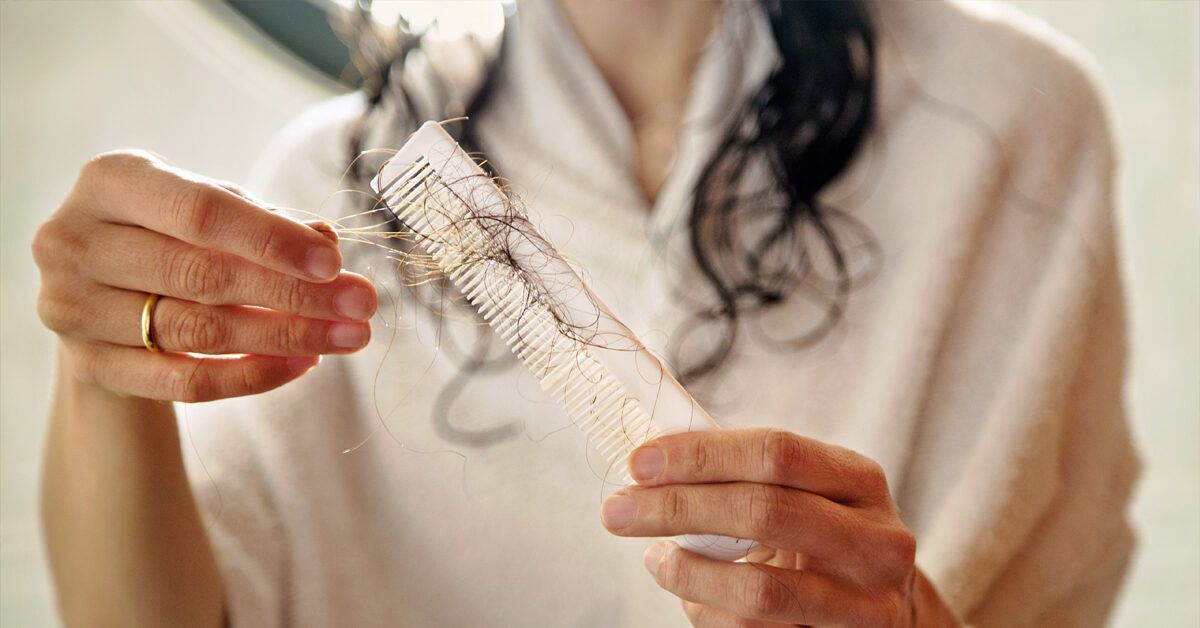
Hair loss from lice is usually temporary. The loss happens from scratching and hair breakage, not from lice eating hair roots. Once the lice are removed and the scalp heals, hair often grows back naturally. Proper treatment and care help restore hair health quickly.
Credit: www.healthline.com
Complications From Scratching
Scratching is a natural reaction to the intense itching caused by lice. This persistent scratching can damage the scalp’s surface. Such damage often leads to further problems beyond just discomfort. These problems may affect the scalp’s health and the condition of the hair itself. Understanding these complications helps explain how lice indirectly contribute to hair loss.
Bacterial Infections
Scratching breaks the skin on the scalp. This creates open wounds that let bacteria enter easily. Bacterial infections, such as impetigo or cellulitis, can develop. These infections cause redness, swelling, and pus-filled sores. They may also cause pain and fever. Treating these infections usually requires antibiotics. Without treatment, infections can worsen and lead to more serious health problems.
Scalp Sores And Irritation
Repeated scratching causes sores and raw patches on the scalp. These sores are painful and slow to heal. Constant irritation makes the scalp more sensitive and inflamed. The damaged skin may bleed or crust over. This creates an uncomfortable cycle of itching and scratching. The scalp’s natural barrier is weakened, making it vulnerable to further infections.
Impact On Hair Health
Scratching can harm the hair follicles beneath the scalp. Hair follicles may become inflamed or damaged. This damage can weaken hair roots and cause hair to break or fall out. Heavy infestations cause hair to become brittle and fragile. Constant scratching also disrupts the scalp environment necessary for healthy hair growth. Usually, hair loss is temporary and reverses once the scalp heals and lice are removed.
Long-term Effects Of Untreated Lice
Untreated lice infestations can lead to serious long-term effects. The problem grows worse over time without proper care. Persistent itching and irritation can cause more damage than the lice alone. Understanding these effects helps emphasize the need for timely treatment.
Worsening Infestation
Lice multiply quickly if left untreated. One or two lice can turn into dozens in days. The scalp becomes a crowded, uncomfortable environment. Intense itching increases as the lice population grows. This causes more scratching, which damages the scalp further.
Anemia Risks In Severe Cases
Heavy lice infestations can sometimes cause anemia. Lice feed on small amounts of blood from the scalp. Large numbers of lice can lead to blood loss over time. This may cause tiredness, weakness, and pale skin. Anemia is rare but possible in severe cases.
Psychological And Social Impact
Living with lice affects mental health and social life. Constant itching and discomfort cause stress and frustration. Children may feel embarrassed or isolated at school. Adults can experience anxiety and lowered self-esteem. These effects harm overall well-being and daily activities.
Treatment Challenges
Treating head lice can be difficult. Many people face challenges that make getting rid of lice harder. These problems can affect the success of treatment and the health of the scalp and hair. Understanding these challenges helps in managing lice infestations better.
Resistance To Treatments
Lice have become resistant to some common treatments. Chemicals in shampoos and lotions may not kill all lice. This resistance causes treatments to fail. People may need to try several methods to remove lice completely. Using the wrong treatment or stopping too soon also causes resistance.
Importance Of Timely Intervention
Early treatment is very important. The longer lice stay, the more they multiply. This makes itching and scalp damage worse. Delayed care can cause sores and infections. These problems may lead to hair breakage or temporary hair loss. Quick action prevents severe scalp damage and helps hair stay healthy.
Hair Regrowth After Lice
Hair regrowth after a lice infestation is a common concern. Lice do not eat hair or destroy hair follicles. Hair loss linked to lice usually happens because of scratching or scalp irritation. Once the lice are removed and the scalp heals, hair often grows back naturally. Patience is key during recovery.
Recovery Timeline
Hair growth speed varies but generally follows a pattern. Mild scalp irritation may heal within a few weeks. Hair damaged by scratching or infection can take several months to regrow. New hair typically appears within one to three months after treatment. Full recovery depends on how severe the infestation was and how well the scalp heals.
Factors Affecting Hair Growth
Several factors influence how quickly hair regrows after lice. The scalp’s health plays a major role; a clean, healthy scalp promotes faster growth. Nutritional status also affects hair recovery. Stress and poor sleep can slow down the process. Avoiding harsh hair treatments helps prevent further damage. Gentle care and a balanced diet support hair regrowth.
Credit: www.thehairlossclinic.com
Frequently Asked Questions
Will Hair Grow Back After Lice?
Hair usually grows back after lice because lice don’t damage hair follicles. Temporary hair loss results from scratching and irritation. Treating lice promptly helps restore healthy hair growth.
What Are Four Symptoms Of Head Lice?
Four symptoms of head lice include intense itching, a sensation of movement in hair, small bumps or sores from scratching, and difficulty sleeping.
What Happens To Lice If Left Untreated?
Untreated lice cause intense itching, scalp irritation, and possible bacterial infections from scratching. Severe cases may lead to hair damage, temporary hair loss, sleep loss, and social distress. Lice multiply rapidly and do not disappear without treatment, worsening discomfort and complications over time.
How To Treat Head Lice While Pregnant?
Treat head lice during pregnancy by using natural remedies like wet combing or olive oil. Avoid chemical treatments unless a doctor approves. Consult your healthcare provider before starting any treatment for safety. Maintain hygiene and wash bedding and clothes thoroughly to prevent reinfestation.
Conclusion
Lice do not directly cause permanent hair loss. Scratching and infections can weaken hair temporarily. Treating lice quickly helps protect your scalp and hair health. Hair usually grows back once the lice are removed. Avoid scratching to prevent sores and further damage.
Keeping your scalp clean supports healing and hair regrowth. Early action reduces discomfort and stops lice spreading. Understanding lice effects helps you manage symptoms better.
As an Amazon Associate, I earn from qualifying purchases.
Lovingshe is a participant in the Amazon Services LLC Associates Program which is an affiliate advertising program designed to provide a means for sites to earn advertising fees by advertising and linking to Amazon.com. Amazon may use cookies to track referrals from our site. Visit Amazon’s privacy policy for details
