


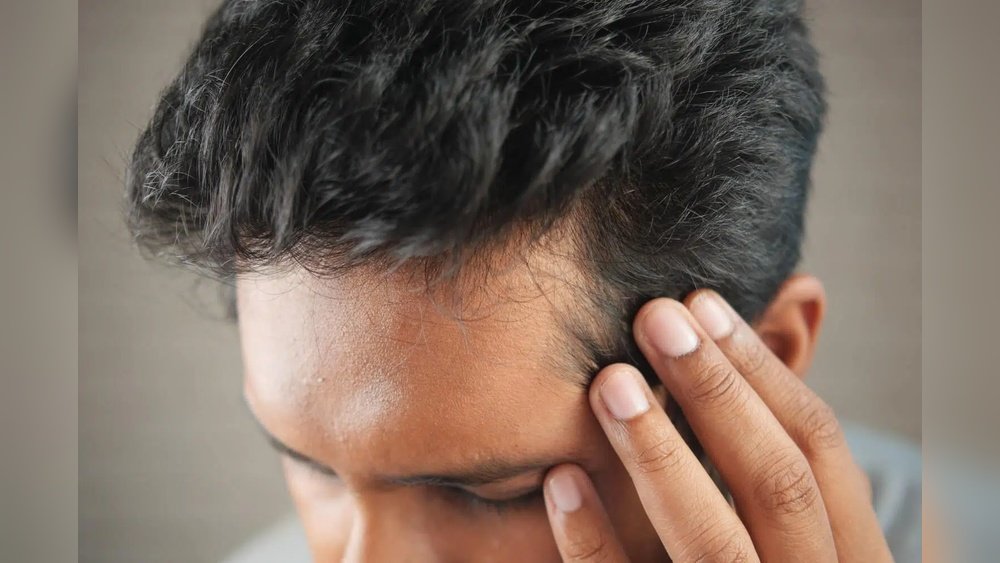
Are you taking Lexapro and worried that your hair might be thinning? You’re not alone.
Hair loss can be alarming, especially when you’re trying to improve your mental health with medication. Many people wonder, “Can Lexapro cause hair loss? ” Understanding whether this common antidepressant affects your hair can help you make informed choices and ease your concerns.
You’ll discover how Lexapro might impact your hair, how common this side effect really is, and what steps you can take if you notice changes. Keep reading to get clear, straightforward answers that matter to you and your well-being.

Credit: www.reddit.com
Lexapro And Hair Loss
Many people wonder about Lexapro and hair loss. Lexapro, known as escitalopram, is a common antidepressant. It helps balance chemicals in the brain. Like many medicines, Lexapro can cause side effects. Hair loss is one possible concern for some users. Understanding the relationship between Lexapro and hair loss can help users manage their treatment better.
Common Side Effects Of Lexapro
Lexapro’s common side effects include nausea, headache, and dizziness. Some users may feel tired or have trouble sleeping. Sexual problems and dry mouth are also reported. These side effects often improve with time. Serious side effects are rare but possible. Hair loss is not listed among the most common effects.
Incidence Of Hair Loss With Lexapro
Hair loss from Lexapro is rare but has been reported. It is usually temporary and mild. This side effect may show several weeks after starting the drug. Hair often regrows after stopping Lexapro. The exact cause is unclear, but changes in hormone levels or stress may play a role. If hair loss occurs, consulting a doctor is important to explore other causes.
How Antidepressants Affect Hair
Antidepressants can impact hair in several ways. Some medications may cause hair thinning or loss. This effect usually happens because these drugs change the natural hair growth cycle. Hair follicles can enter a resting phase, leading to shedding. Not all antidepressants affect hair equally. Understanding how they work helps to identify potential risks.
Hair Loss Linked To Ssris And Snris
Selective serotonin reuptake inhibitors (SSRIs) and serotonin-norepinephrine reuptake inhibitors (SNRIs) are common antidepressants. Both groups have been linked to hair loss in some patients. SSRIs like fluoxetine, sertraline, and escitalopram can cause temporary hair thinning. SNRIs such as duloxetine and venlafaxine may also lead to hair shedding. This type of hair loss is usually reversible after stopping the medication.
Risk Comparison Among Antidepressants
Different antidepressants carry different risks for hair loss. Studies show bupropion has a higher chance of causing hair thinning compared to many SSRIs and SNRIs. Paroxetine, an SSRI, shows a lower risk for hair loss. Tricyclic antidepressants may also cause shedding but less often. Hair usually regrows once the medication is discontinued or adjusted. Patients should consult doctors before making any changes.
Mechanisms Behind Hair Loss
Hair loss can occur for many reasons. Understanding how medications like Lexapro might cause hair loss helps manage expectations. Hair follicles go through cycles of growth and rest. When this cycle is disrupted, hair shedding may increase. Stress, illness, and medications can all affect this cycle.
Lexapro, an SSRI antidepressant, may influence hair growth by altering body chemistry. This section explains the possible ways Lexapro may trigger hair loss. Other factors affecting hair loss while on Lexapro are also discussed.
How Escitalopram May Trigger Hair Loss
Escitalopram changes serotonin levels in the brain. This shift can affect hair follicles indirectly. Some users report hair thinning weeks after starting the drug.
One theory suggests that serotonin impacts the hair growth cycle. It may push hair follicles into the resting phase prematurely. This causes more hairs to fall out than usual.
Another explanation involves stress hormones. Escitalopram can alter cortisol levels, which may harm hair follicles. This stress response can trigger temporary hair loss known as telogen effluvium.
Other Factors Contributing To Hair Loss
Hair loss during Lexapro use may not be solely due to the drug. Underlying health issues like thyroid problems can also cause shedding. Nutritional deficiencies and poor diet play a role too.
Emotional stress and anxiety, common in depression, can weaken hair growth. The combined effect of illness and medication can increase hair loss risk.
Genetics also influences hair loss patterns. Some people naturally have thinner hair or are prone to shedding. Monitoring all these factors helps to understand hair changes better.

Credit: www.reddit.com
Duration And Reversibility
Understanding the duration and reversibility of hair loss linked to Lexapro helps ease concerns. Hair thinning may start weeks or months after beginning the medication. The good news: this side effect often does not last forever. Knowing how long it may last and whether hair grows back guides better decisions about treatment and self-care.
Temporary Nature Of Antidepressant Hair Loss
Hair loss caused by Lexapro is usually temporary. It happens because the medication can affect the hair growth cycle. Many patients notice shedding after a few weeks. This shedding is often telogen effluvium, a common form of temporary hair loss. The body eventually adjusts to the medication. Hair follicles return to their normal cycle, stopping further loss.
Not everyone taking Lexapro experiences hair loss. The risk varies from person to person. Factors like genetics and overall health also matter. Most people see hair thinning improve without stopping the medication. Patience is key during this period.
Hair Regrowth After Stopping Lexapro
Hair usually grows back after stopping Lexapro. Once the drug leaves the system, hair follicles resume normal activity. Regrowth can begin within a few months. Full recovery may take six months to a year. New hair often looks healthy and thick again.
Stopping Lexapro should only happen under medical advice. Abruptly ending the drug can cause withdrawal symptoms. A doctor can suggest a safe plan to stop the medication. They may also recommend ways to support hair health during this time.
Managing Hair Loss While On Lexapro
Managing hair loss while taking Lexapro can be challenging. Hair thinning can cause stress and affect self-confidence. Taking proactive steps helps reduce hair shedding and supports healthier hair growth.
Understanding how to handle hair loss during treatment is important. It allows better control over your wellbeing and keeps you informed about your options.
When To See A Doctor
Consult a doctor if hair loss becomes severe or sudden. Seek medical advice if you notice scalp irritation or other symptoms. A healthcare professional can determine if Lexapro causes the hair loss or if other factors are involved.
Early diagnosis helps prevent further hair damage. Reporting symptoms promptly can lead to better treatment plans.
Possible Medication Adjustments
Doctors may adjust your Lexapro dose to reduce hair loss risk. They might suggest switching to a different antidepressant with fewer side effects. Never stop or change medication without medical guidance.
Medication changes require close monitoring to maintain mental health stability. Your doctor will weigh benefits against side effects carefully.
Additional Hair Care Tips
Use gentle shampoos and avoid harsh chemicals on your hair. Limit heat styling tools to prevent extra damage. Eat a balanced diet rich in vitamins that support hair growth, like biotin and vitamin D.
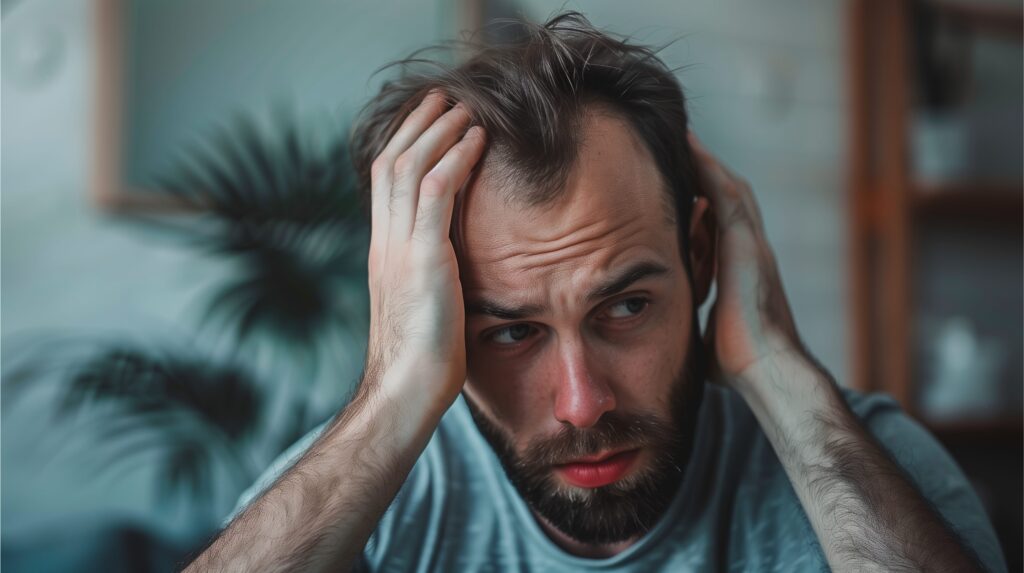
Reduce stress through relaxation techniques since stress can worsen hair loss. Regular scalp massages may improve blood flow and hair health.
Credit: cosmedica.com
Frequently Asked Questions
Will Hair Grow Back After Stopping Lexapro?
Hair often regrows after stopping Lexapro, as its hair loss side effect is usually temporary. Consult your doctor before stopping.
What Is The 1 Side Effect Of Lexapro?
The 1 side effect of Lexapro is nausea. It may also cause headache, insomnia, and drowsiness.
What Antidepressants Make Your Hair Fall Out?
SSRIs like Fluoxetine, Sertraline, Paroxetine, Citalopram, Escitalopram, and SNRIs like Duloxetine, Venlafaxine can cause temporary hair loss. Bupropion also poses a higher risk. Hair usually regrows after stopping these medications. Consult a doctor before making changes.
Can Hair Loss From Antidepressants Be Reversed?
Hair loss from antidepressants is usually temporary. Hair often regrows after stopping or switching medication under doctor supervision.
Conclusion
Hair loss from Lexapro is rare but possible. Many users do not experience this side effect. When it happens, hair usually grows back after stopping the medication. Speak with your doctor if you notice hair thinning. They can help find the best solution for you.
Never stop or change your medicine without medical advice. Understanding side effects helps you manage treatment better. Stay informed and take care of your health.
As an Amazon Associate, I earn from qualifying purchases.
Lovingshe is a participant in the Amazon Services LLC Associates Program which is an affiliate advertising program designed to provide a means for sites to earn advertising fees by advertising and linking to Amazon.com. Amazon may use cookies to track referrals from our site. Visit Amazon’s privacy policy for details
