


Are you thinking about getting hair extensions but worried they might ruin your natural hair? You’re not alone.
Many people ask, “Can hair extensions damage my hair? ” The truth is, while hair extensions can give you that luscious, fuller look you crave, they can also cause problems if not done right. Imagine your hair being pulled constantly or weighed down—it can weaken your roots and lead to breakage or even hair loss.
But don’t panic just yet. You’ll discover exactly how hair extensions can harm your hair, the warning signs to watch for, and most importantly, how to protect your hair while enjoying the beauty extensions offer. Keep reading to find out how to keep your hair healthy and strong, even with extensions!
Credit: www.greatlengths.com.au
Hair Loss From Extensions
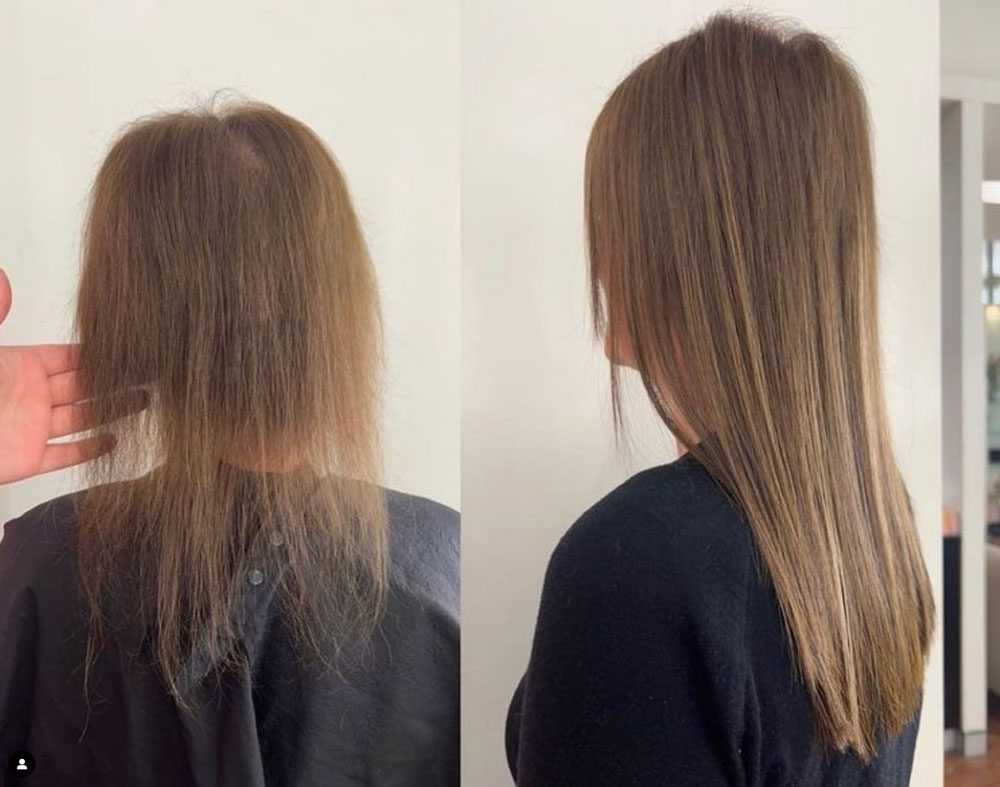
Hair extensions add volume and length quickly. Many love their look. But extensions can cause hair loss. This happens if the hair and scalp face too much stress. Understanding how extensions affect your hair helps prevent damage.
Tension And Weight Effects
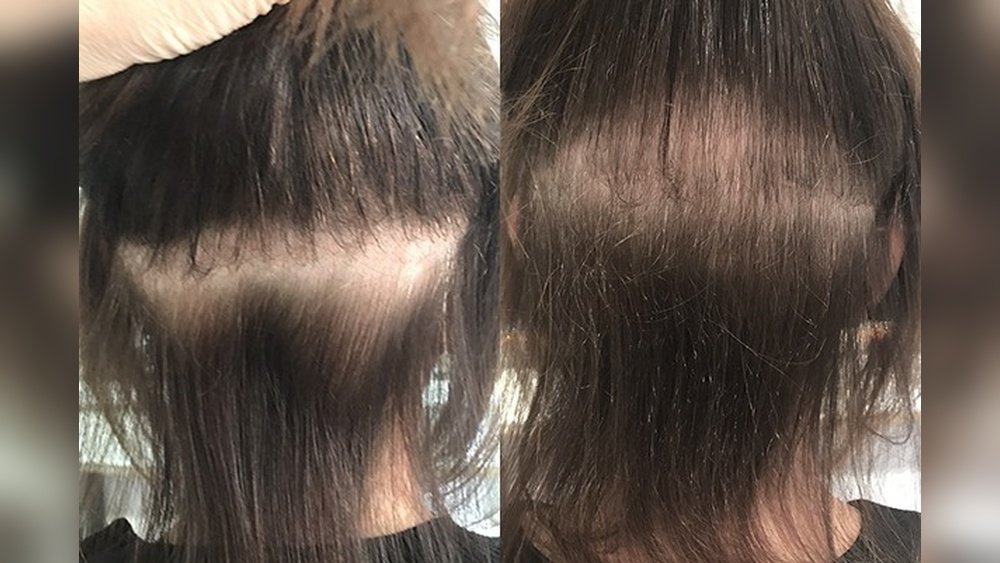
Extensions add extra weight to your natural hair. This weight pulls on hair strands. Constant pulling stresses hair follicles. Over time, this stress can cause follicles to weaken. Weak follicles lead to hair falling out. This condition is called traction alopecia. It often shows as thinning near the hairline or part.
Impact Of Improper Installation
Installing extensions incorrectly increases hair damage. Tight bonds or poorly placed extensions pull unevenly. This causes more tension on some hair strands. Too much tension breaks hair shafts. It also irritates the scalp. Using the wrong tools or techniques worsens the problem. Professional installation reduces these risks.
Damage From Chemicals And Adhesives
Extensions often use glue or adhesive tapes. Chemicals in these products can harm hair and scalp. Some adhesives dry out hair strands. Others cause scalp irritation or allergic reactions. Removing extensions with harsh chemicals can break hair. Gentle products and careful removal protect hair health.
Risks Of Prolonged Wear
Wearing extensions for a long time causes more damage. Hair and scalp get less rest. Constant wear keeps hair under stress. This stops natural hair from growing well. Follicles may become weak and stop producing hair. Taking breaks between extensions lets hair recover. It also reduces the chance of permanent loss.
Preventing Hair Damage
Preventing hair damage is key when using extensions. Taking care of your natural hair keeps it healthy and strong. Proper methods and gentle handling reduce the risk of breakage and hair loss. Follow simple steps to protect your hair and enjoy your extensions safely.
Choosing A Professional Stylist
A skilled stylist knows how to apply extensions safely. They use the right tools and techniques to avoid stress on hair roots. Professional installation reduces the chance of damage and ensures a natural look. Always trust experts for your hair extension needs.
Listening To Your Hair
Pay attention to how your hair feels after extensions. If you notice pain, itching, or tightness, these may be signs of damage. Act quickly by consulting your stylist. Early response helps prevent long-term harm and keeps your hair healthy.
Taking Regular Breaks
Give your natural hair time to rest between extensions. Continuous wear can strain hair follicles and cause thinning. Breaks allow your scalp and hair to recover and grow stronger. Plan breaks every few months for healthy hair maintenance.
Gentle Removal Techniques
Removing extensions carefully is vital to avoid pulling or breaking hair. Use recommended removal products and follow stylist instructions. Never pull extensions off by force. Gentle removal protects your natural hair from unnecessary damage.
Selecting The Right Extension Method
Choose extension types that suit your hair texture and lifestyle. Some methods cause less tension and are easier to maintain. Clip-ins and tape-ins tend to be gentler than sew-ins or glue. Match the method to your hair’s needs for better health.
Signs Of Hair Damage
Hair extensions can enhance your look but may cause damage if not used carefully. Recognizing early signs helps protect your natural hair. Watch for changes in your scalp and hair health. These signs show that your hair might be under stress from extensions.
Scalp Pain And Soreness
Pain or soreness on your scalp often signals too much tension. Extensions that pull too tightly cause discomfort. This tightness can irritate your scalp and hair roots. Persistent pain means the extensions may be damaging your hair follicles.
Excessive Shedding And Breakage
More hair falling out than usual is a clear warning. Extensions add weight, making hair fragile and prone to breakage. You might notice small broken hairs around the extension bonds. Losing strands daily beyond normal shedding should not be ignored.
Thinning And Traction Alopecia
Traction alopecia happens when hair is pulled constantly. It causes thinning around the hairline or where extensions attach. This condition can become permanent if extensions keep stressing the follicles. Early signs include bald patches or sparse areas near the extensions.
Credit: adoredsalon.com
Temporary Vs Long-term Effects
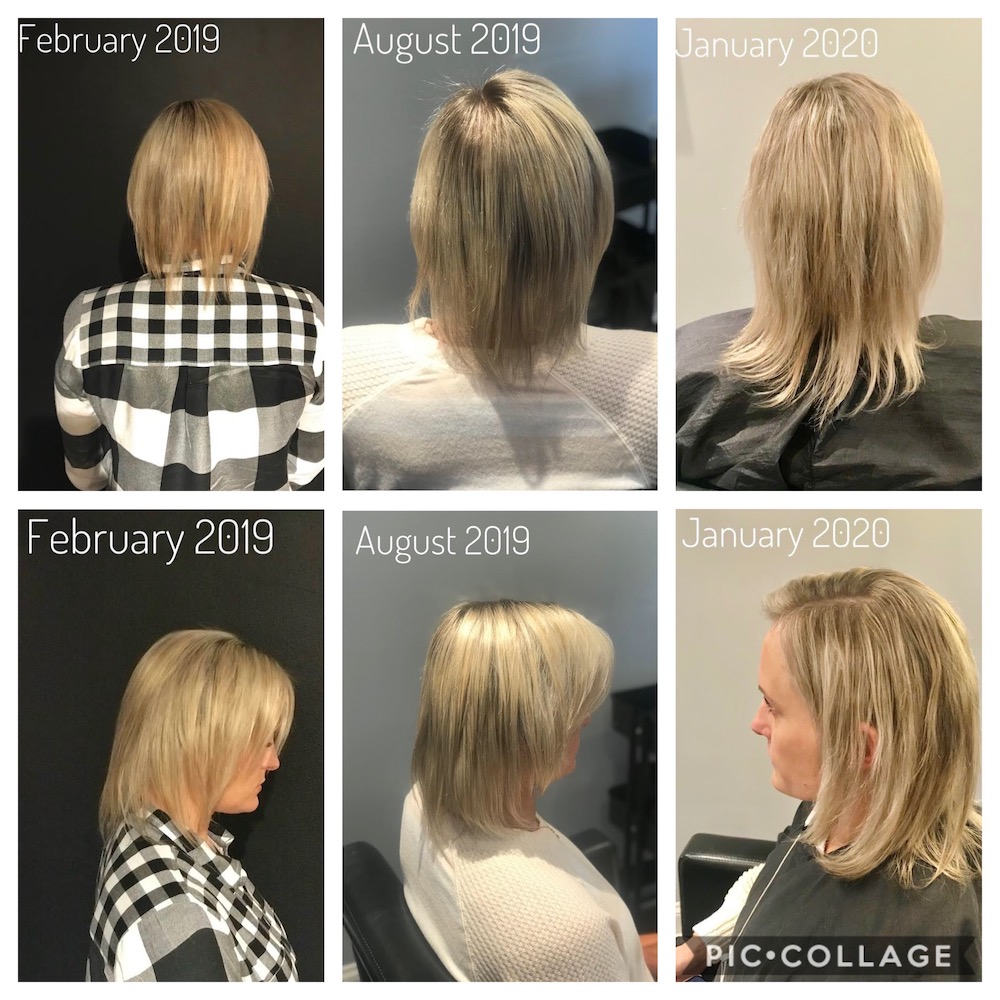
Hair extensions can affect your hair in different ways. Some effects last only a short time. Others may cause damage over months or years. Understanding these effects helps you protect your natural hair better.
Temporary Effects Of Hair Extensions
Temporary effects appear soon after applying extensions. They include scalp soreness and mild tension. These symptoms happen due to the added weight on your hair. Clip-in extensions usually cause fewer temporary problems. They do not pull on your hair constantly. Some people may notice slight hair shedding after removal. This shedding is often normal and temporary. Proper care and breaks between uses reduce these effects.
Long-term Effects Of Hair Extensions
Long-term effects develop after months of wearing extensions. Continuous tension can weaken hair follicles. This weakening may cause hair breakage and thinning. Poor installation increases the risk of damage. Glue or tape used in some extensions can irritate the scalp. Traction alopecia, hair loss from pulling, is a common concern. If untreated, it may lead to permanent hair loss. Choosing the right extension type and professional application lowers these risks.
Extension Types And Hair Health
Hair extensions come in many types, each affecting hair health differently. Choosing the right extension type can reduce damage and keep your hair strong. Understanding the impact of different extensions helps prevent hair loss and breakage. Let’s explore common extension types and their effects on hair health.
Clip-ins And Low-risk Options
Clip-in extensions are temporary and easy to remove. They do not pull on your natural hair much. This reduces the risk of damage and hair loss. You can wear them for special occasions without stress on your scalp. Regular breaks from clip-ins help your hair stay healthy. They are a good choice for beginners or those wanting a safe option.
Tape-ins And Potential Concerns
Tape-in extensions are semi-permanent and use adhesive strips. They lie flat against your scalp, blending well with natural hair. The adhesive can sometimes cause irritation or allergic reactions. If not installed correctly, tape-ins can pull on hair strands. This tension may lead to breakage or thinning over time. Proper care and professional installation reduce these risks significantly.
Weaves And Bonded Extensions
Weaves and bonded extensions attach with glue or sewing techniques. They add weight and tension to your hair roots. Improper application or heavy extensions can cause traction alopecia. This is hair loss caused by constant pulling on follicles. Regular maintenance and choosing lighter extensions help avoid damage. Taking breaks between weaves or bonds allows your scalp to recover.
Credit: blondieinthecity.com
Expert Recommendations
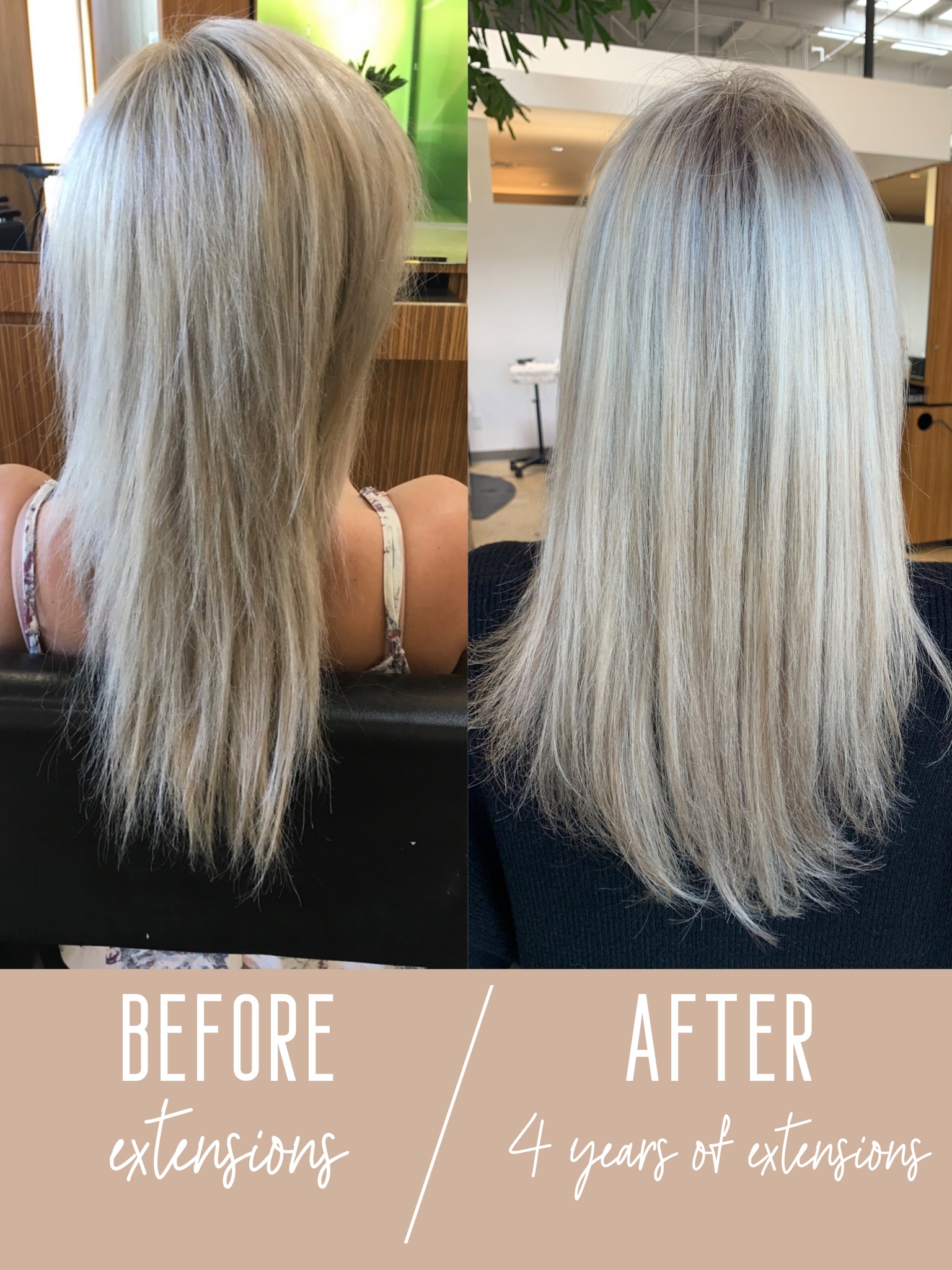
Experts agree that hair extensions do not have to ruin your hair. Proper care and application make a big difference. Choosing the right type and trusting professionals helps keep hair healthy. Simple habits protect your natural hair from damage.
Choose A Qualified Stylist
A skilled stylist knows how to apply extensions safely. They assess your hair type and scalp condition first. Proper installation reduces tension and pulling. This lowers the risk of hair breakage and loss.
Opt For Lightweight Extensions
Heavy extensions strain hair follicles more. Lightweight options cause less stress and discomfort. They feel natural and cause less damage over time. This choice helps maintain hair strength and health.
Follow A Gentle Hair Care Routine
Use mild shampoos and conditioners made for extensions. Avoid harsh chemicals and heat styling tools. Brush hair gently with a soft-bristle brush. This prevents tangling and reduces breakage risk.
Take Regular Breaks Between Extensions
Give your natural hair time to rest and recover. Wearing extensions continuously may weaken hair roots. Breaks help follicles regain strength and prevent thinning. Experts recommend removing extensions every few months.
Monitor Scalp Health Closely
Pay attention to any itching, redness, or discomfort. These signs may indicate irritation or infection. Consult your stylist or a dermatologist if problems appear. Healthy scalp supports strong and growing hair.
Frequently Asked Questions
Do Hair Extensions Cause Hair Loss?
Hair extensions can cause hair loss if they pull too tightly or are poorly applied. Proper care and professional installation reduce this risk. Taking breaks and gentle removal help protect your natural hair from damage and breakage.
What Is The Downside Of Hair Extensions?
Hair extensions can cause hair loss from tension, improper installation, and harsh adhesives. They may lead to breakage and scalp irritation. Long-term use without breaks stresses hair follicles, risking thinning. Proper application, care, and removal reduce damage and maintain healthy hair.
What Hair Extensions Don T Damage Hair?
Tape-in, clip-in, and halo extensions cause less damage when applied and removed properly. Choose lightweight, high-quality extensions and avoid excessive tension for healthy hair.
Why Is My Hair So Thin After Extensions?
Hair feels thin after extensions due to tension, weight, or improper installation stressing hair follicles. Chemicals and adhesives may weaken hair. Prolonged wear without breaks increases damage risk. Always use a professional for application and removal, and choose extension types that suit your hair strength.
Conclusion
Hair extensions can damage hair if not used carefully. Avoid heavy or tight extensions that pull your hair. Always choose a skilled professional to apply them. Give your hair breaks between extensions to let it rest. Use gentle care and avoid harsh chemicals or rough removal.
Healthy hair needs attention and proper treatment with extensions. Follow these tips to keep your hair strong and beautiful. Extensions should enhance, not harm, your natural hair.
As an Amazon Associate, I earn from qualifying purchases.
Lovingshe is a participant in the Amazon Services LLC Associates Program which is an affiliate advertising program designed to provide a means for sites to earn advertising fees by advertising and linking to Amazon.com. Amazon may use cookies to track referrals from our site. Visit Amazon’s privacy policy for details
