


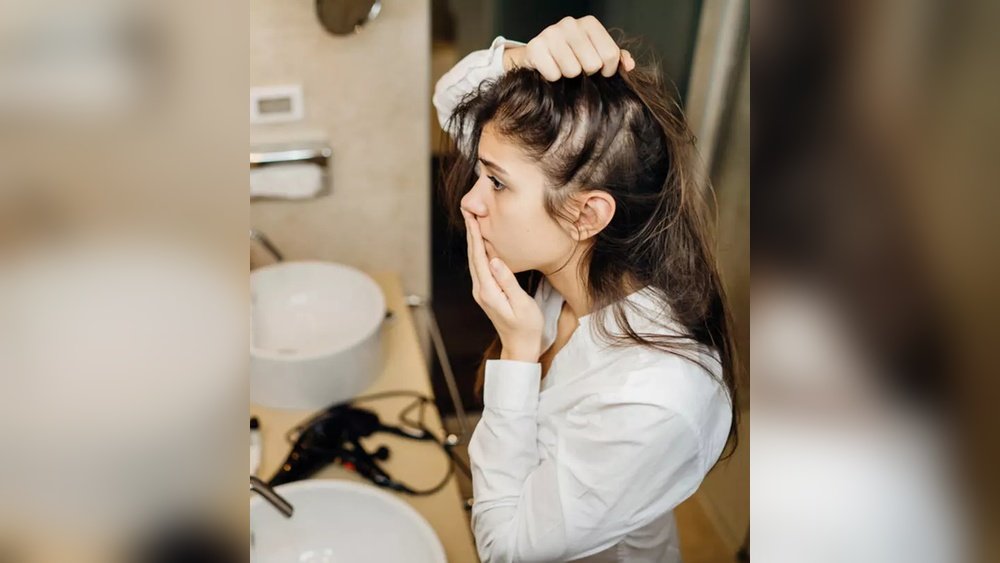
Are you taking gabapentin and worried about losing your hair? You’re not alone.
Hair loss can be distressing, and if you’ve heard that gabapentin might cause it, you probably want clear answers. While hair loss isn’t a common side effect of gabapentin, some people have experienced it. Could gabapentin be disrupting your hair growth cycle?
How likely is it, and what can you do if it happens to you? You’ll discover what the research says about gabapentin and hair loss, how to spot the signs, and the steps you should take to protect your hair and health. Keep reading to get the facts you need before making any decisions about your medication.

Credit: www.youtube.com
Gabapentin And Hair Loss
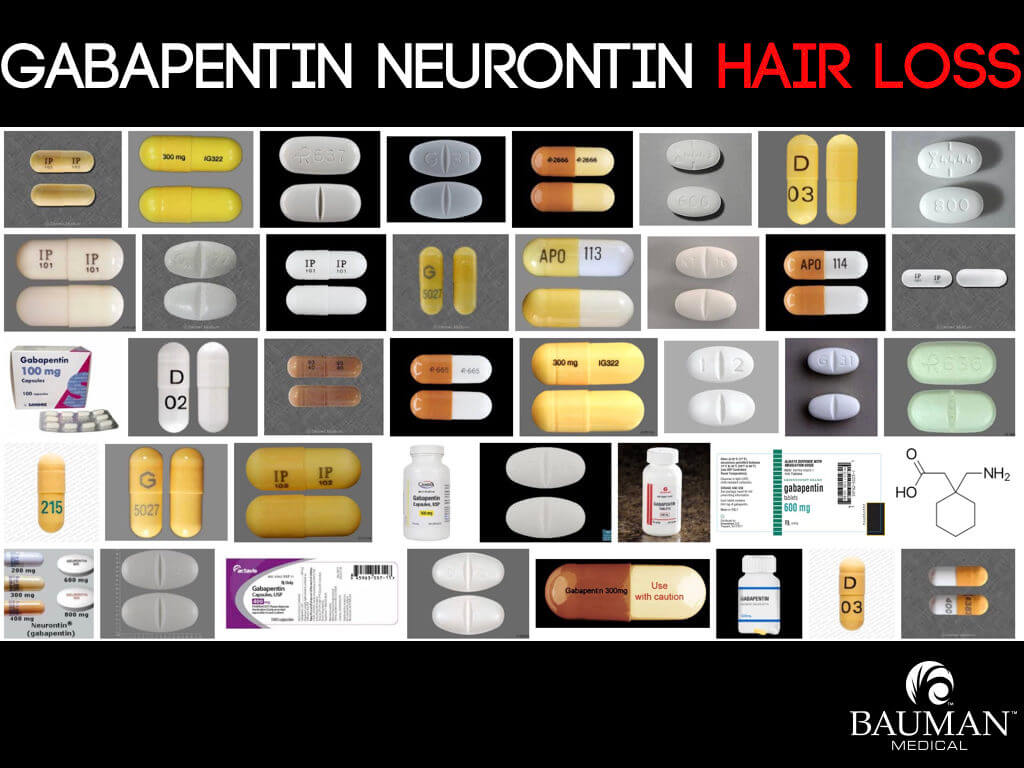
Gabapentin is widely used for nerve pain and seizure control. Some users wonder if it causes hair loss. Hair loss, or alopecia, linked to gabapentin is uncommon. Most patients do not experience this side effect. Still, rare cases show a possible connection. Understanding this helps users manage their treatment better.
Rare Side Effect Reports
Hair loss reports with gabapentin are rare. Medical studies and patient stories mention it only occasionally. The drug’s official side effect lists usually do not include hair loss. When it occurs, it may result from individual body reactions. Stopping gabapentin often leads to hair regrowth.
Impact On Hair Growth Cycle
Gabapentin might affect the hair growth cycle. Hair grows in phases: growth, rest, and shedding. Some medications disrupt this cycle, causing more hair to fall out. Gabapentin’s role is unclear but could cause temporary hair thinning. The effect is not permanent for most users.
Comparison With Other Medications
Many drugs cause hair loss more often than gabapentin. Chemotherapy drugs are well-known for this side effect. Other anti-epileptic drugs also have higher hair loss rates. Compared to these, gabapentin’s link to hair loss is weak. It remains a safer option regarding hair health.
Timing And Symptoms
Understanding the timing and symptoms of hair loss related to gabapentin helps identify the issue early. Hair changes do not happen immediately. They develop gradually and vary from person to person. Recognizing the onset, pattern, and reversibility of hair loss can guide proper care and decisions about the medication.
Onset Of Hair Loss
Hair loss from gabapentin usually starts weeks to months after beginning the drug. It does not occur right away. The delay happens because hair grows in cycles. Gabapentin may disrupt these cycles, causing more hairs to enter the shedding phase. Some people may notice thinning hair or more hair falling out during brushing or washing.
Pattern And Severity
The pattern of hair loss with gabapentin is often diffuse, meaning it spreads evenly across the scalp. It rarely causes complete bald patches. Severity ranges from mild thinning to noticeable shedding. Some users report hair feeling thinner or less dense. The effect is usually not severe but can be distressing. Monitoring the changes helps to assess if gabapentin is the cause.
Reversibility After Stopping
Hair loss linked to gabapentin often reverses after stopping the medication. New hair growth usually begins within weeks or months. Full recovery of hair density may take several months. Continuing gabapentin could prolong or worsen hair loss. Consultation with a healthcare provider is important before making any changes. Supportive care can help hair regain strength and volume over time.
Other Causes Of Hair Loss
Hair loss can happen for many reasons beyond medication like gabapentin. Understanding other causes helps identify the real reason for hair thinning or shedding. Many factors affect hair health and growth. Some causes need medical attention to prevent further loss.
Medications Linked To Hair Loss
Several medications can cause hair loss as a side effect. Common examples include chemotherapy drugs, blood thinners, and some antidepressants. Drugs like cyclophosphamide and doxorubicin often lead to noticeable hair thinning. Even certain blood pressure medicines and acne treatments may trigger hair loss. Always check with a healthcare provider about possible side effects of any drug you take.
Underlying Health Conditions
Health problems can cause hair loss too. Thyroid disorders, like hypothyroidism or hyperthyroidism, affect hair growth cycles. Autoimmune diseases such as alopecia areata attack hair follicles. Nutritional deficiencies, especially low iron or protein, weaken hair strands. Stress and hormonal changes also disrupt normal hair growth. Identifying and treating these conditions can improve hair health.
Importance Of Medical Assessment
Seeing a doctor is crucial for persistent hair loss. A medical assessment helps find the exact cause. Doctors may run blood tests or scalp exams. Early diagnosis leads to better treatment options. Avoid guessing the reason or self-medicating. Professional advice ensures the right care and prevents worsening hair loss.
Managing Hair Loss With Gabapentin
Managing hair loss while taking gabapentin requires careful attention and action. Some people experience thinning hair or shedding after starting this medication. Understanding how to handle this side effect can improve your well-being and confidence.
Monitoring changes in hair health is important. Noticing hair loss early allows for quicker solutions. This helps avoid more severe hair thinning or emotional distress.
When To Consult A Doctor
Seek medical advice if you notice unusual hair loss after starting gabapentin. A doctor can confirm if the medication causes the issue. They evaluate your symptoms and overall health to rule out other causes. Early consultation helps prevent worsening hair loss.
Evaluating Treatment Alternatives
Your doctor may suggest changing your medication if gabapentin causes significant hair loss. Other drugs with fewer side effects might be available. Discuss the risks and benefits of switching treatments. Never stop or change medicine without professional guidance.
Possible Hair Loss Treatments
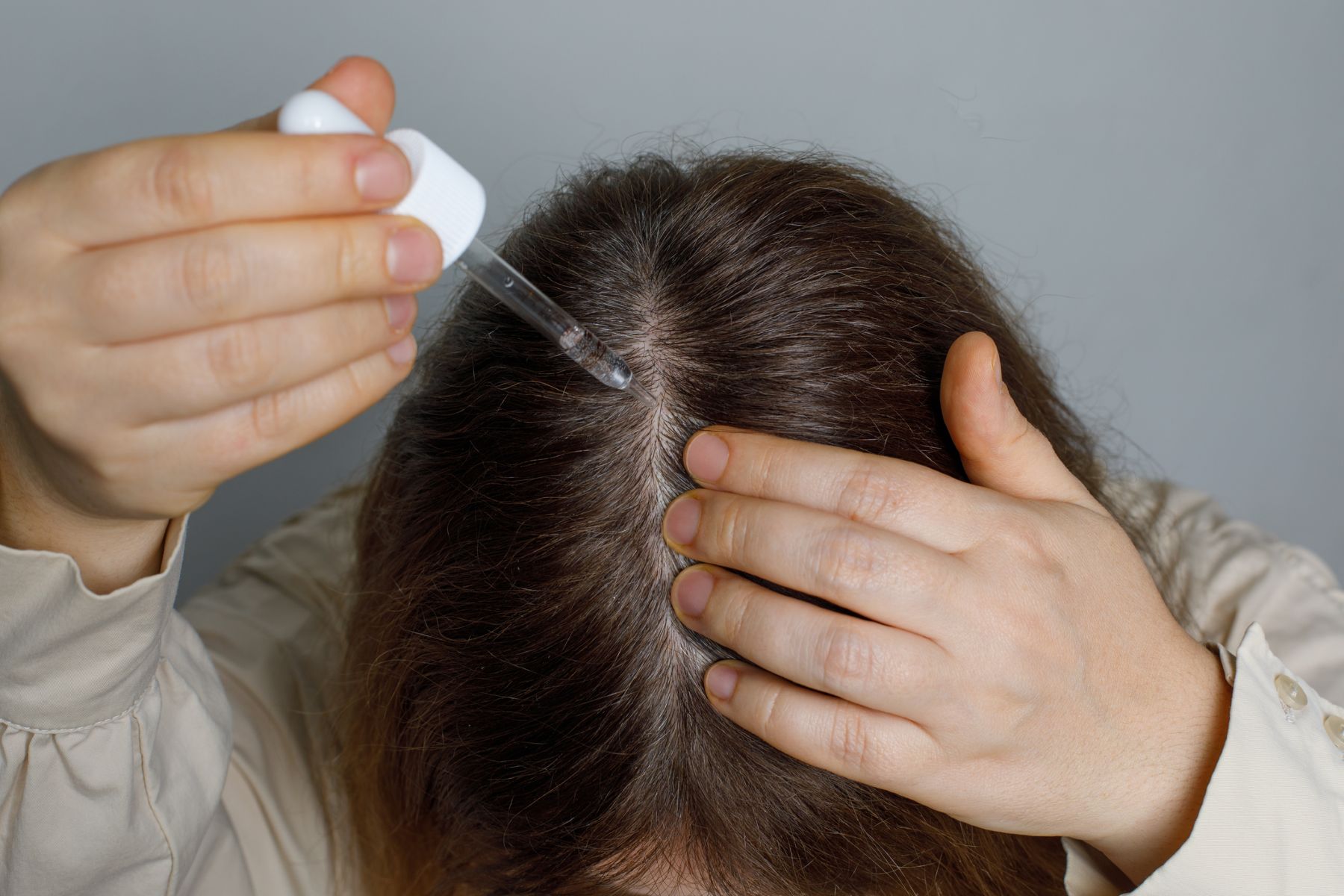
Treatments for hair loss include topical solutions, vitamins, and gentle hair care routines. Products with minoxidil may help stimulate hair growth. Nutritional supplements like biotin support healthy hair. Avoid harsh chemicals and heat styling to reduce damage.
Combining medical advice with proper hair care offers the best chance to manage hair loss while on gabapentin. Regular check-ups and patience are key.
Biotin And Nutritional Considerations
Biotin and nutrition play important roles in maintaining healthy hair. Gabapentin use may affect nutrient levels in the body. Understanding these effects can help manage hair health better during treatment.
Nutrition supports hair growth and strength. Biotin is a key vitamin linked to hair health. Gabapentin’s influence on biotin levels may contribute to hair changes for some users.
Gabapentin’s Effect On Biotin Levels
Gabapentin may reduce biotin levels through unknown interactions. This reduction might affect how well hair follicles function. Lower biotin can disrupt the normal hair growth cycle. Some patients on gabapentin report hair thinning or shedding, possibly related to this vitamin drop.
Role Of Biotin In Hair Health
Biotin, also called vitamin B7, supports hair strength and growth. It helps produce keratin, a protein crucial for hair structure. Without enough biotin, hair may become weak and prone to breakage. Biotin deficiency often shows as thinning or hair loss. Ensuring adequate biotin intake is vital for healthy hair maintenance.
Supplementation Guidance
Consult a healthcare provider before starting biotin supplements. Excessive intake can cause side effects or interact with other medications. Blood tests can check biotin levels if hair loss occurs. Balanced nutrition with biotin-rich foods is a safer first step. Foods like eggs, nuts, and leafy greens provide natural biotin. Supplements may help if a deficiency is confirmed by a doctor.
Credit: www.baumanmedical.com
Long-term Effects Of Gabapentin
Gabapentin is widely used to treat nerve pain, seizures, and other conditions. Understanding its long-term effects helps patients manage treatment better. Some side effects may appear only after months or years of use. Awareness of these effects ensures timely care and safer use.
Extended Use Side Effects
Taking gabapentin for a long time can cause side effects beyond the usual ones. These may include swelling in the hands or feet, dizziness, and unusual tiredness. Some people may experience changes in appetite or weight. Hair loss is rare but reported in some cases, possibly due to changes in hair growth cycles.
Mood And Physical Changes
Long-term gabapentin use can affect mood and emotions. Some users report feeling depressed or anxious. Others may experience mood swings or irritability. Physical changes like muscle weakness or coordination problems may also occur. Regular check-ups help detect these changes early.
Monitoring And Follow-up
Doctors recommend regular monitoring during gabapentin treatment. Blood tests and physical exams check for side effects. Patients should report any new symptoms, including hair loss or mood changes. Early detection helps adjust the dose or switch medications if needed. Follow-up visits ensure treatment remains safe and effective.
Credit: wimpoleclinic.com
Frequently Asked Questions
Which Medication Causes Most Hair Loss?
Chemotherapy drugs like cyclophosphamide and doxorubicin cause the most hair loss. Gabapentin rarely causes hair loss.
What Is The Number One Side Effect Of Gabapentin?
The number one side effect of gabapentin is dizziness. It often causes drowsiness and fatigue, especially when starting treatment.
Does Gabapentin Cause Biotin Deficiency?
Gabapentin may reduce biotin levels through an unclear interaction. Biotin deficiency risk is minor but possible. Consider supplementation after consulting a doctor.
What Happens When You Take Gabapentin Every Day?
Taking gabapentin daily can reduce nerve pain and seizures but may cause side effects like dizziness, mood changes, or swelling. Long-term use may increase side effect severity. Always follow your doctor’s guidance to manage risks and monitor effects carefully.
Conclusion
Gabapentin may cause hair loss, but it is rare. Most people do not experience this side effect. Hair loss usually starts weeks after beginning treatment. Stopping gabapentin often leads to hair regrowth. If you notice hair thinning, talk to your doctor.
They can help find the best solution for you. Remember, managing side effects helps maintain your health and well-being. Stay informed and stay safe while using any medication.
As an Amazon Associate, I earn from qualifying purchases.
Lovingshe is a participant in the Amazon Services LLC Associates Program which is an affiliate advertising program designed to provide a means for sites to earn advertising fees by advertising and linking to Amazon.com. Amazon may use cookies to track referrals from our site. Visit Amazon’s privacy policy for details
