



Are you noticing more hair in your brush or on your pillow lately? You might be wondering if your dry scalp is to blame.
It’s a common concern: can dry scalp really cause hair thinning? The truth is, a dry scalp itself doesn’t directly make your hair fall out, but the itching, inflammation, and damage it causes can lead to hair breakage and shedding.
If you’re struggling with flakes, irritation, or brittle strands, understanding this connection is key to saving your hair and restoring its natural fullness. Keep reading to discover why your scalp’s health matters so much, what causes this problem, and how you can stop hair thinning before it gets worse. Your journey to a healthier scalp and thicker hair starts here.
Dry Scalp And Hair Thinning Link
Dry scalp can lead to more than just itchiness or flakiness. It may also cause hair thinning. The scalp is the foundation for healthy hair growth. When it becomes dry and irritated, hair follicles can weaken.
Weak hair follicles produce thinner and more fragile hair strands. Over time, this can cause visible hair thinning. The dryness often comes from inflammation or damage to the scalp’s natural barrier.
How Dry Scalp Affects Hair Follicles
Dry scalp causes inflammation around hair follicles. This inflammation can reduce blood flow and nutrients to the follicles. Without proper nourishment, follicles shrink and produce thinner hair.
Severe dryness may also cause scalp cells to die faster. Dead skin buildup blocks follicles, stopping new hair from growing. Constant dryness makes it hard for hair follicles to stay healthy.
Inflammation And Hair Shedding
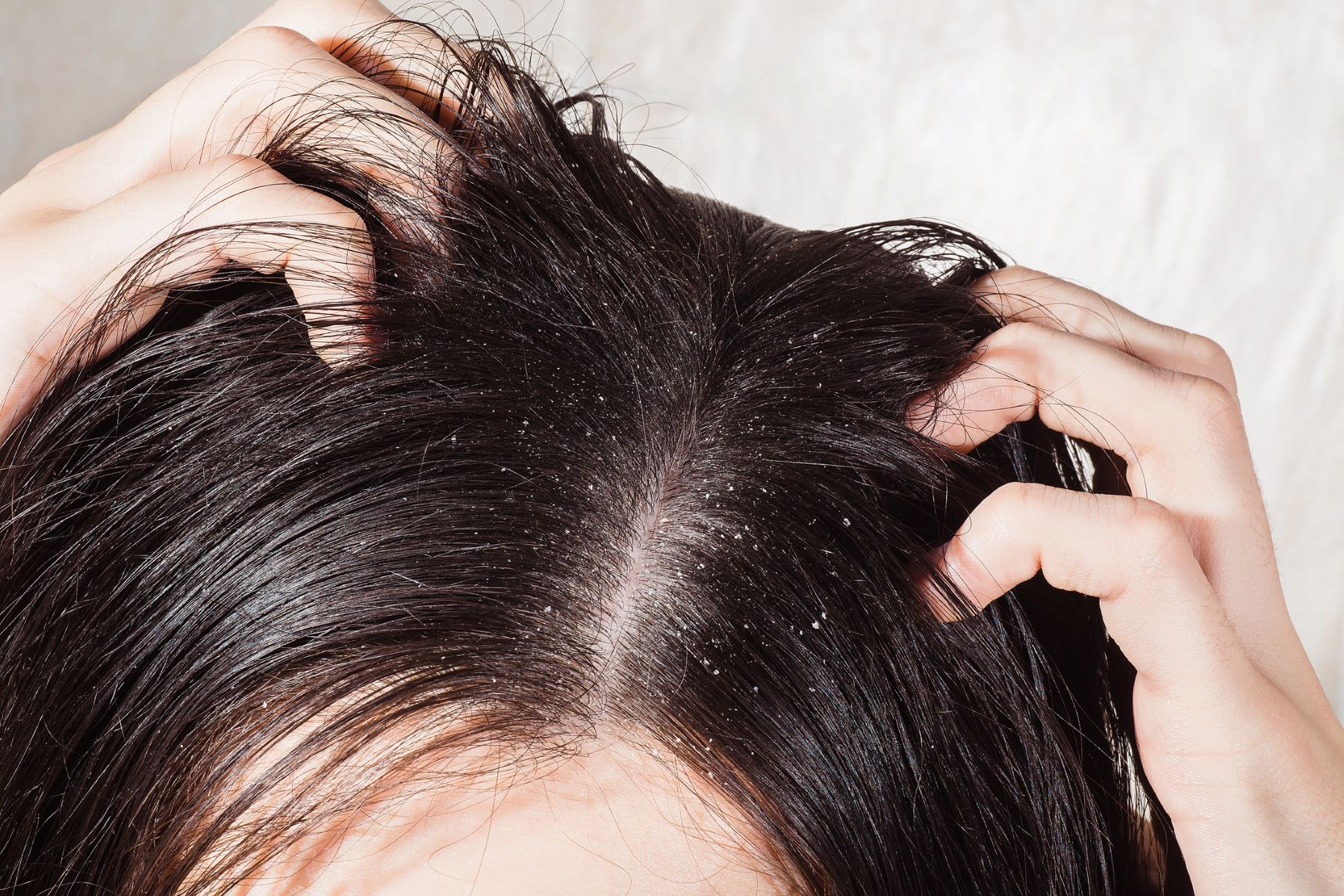
Inflammation from dry scalp conditions like dandruff irritates the skin. It leads to itching and scratching, which damages hair roots. This damage triggers hair shedding and slows down new hair growth.
Repeated scratching worsens scalp health. It creates a cycle of inflammation and hair loss. Treating the dryness reduces inflammation and protects hair follicles.
Brittle Hair And Breakage
Dry scalp often makes hair strands dry and brittle. Brittle hair breaks easily, causing the appearance of thinning. Even without shedding, breakage can make hair look sparse.
Proper scalp moisture helps keep hair strong. Without it, strands become weak and prone to damage. This adds to overall hair thinning over time.

Credit: svenson.com.ph
Causes Of Hair Loss From Dry Scalp
Hair loss from a dry scalp often results from several key factors. The scalp’s health directly impacts hair strength and growth. Dryness can irritate the scalp and weaken hair roots, leading to thinning. Understanding these causes helps in preventing further damage and promoting regrowth.
Itching And Scratching Effects
Dry scalp causes intense itching, making you scratch frequently. Scratching damages hair follicles and the scalp’s surface. This damage interrupts hair growth and can cause hair to fall out. Constant scratching also increases scalp inflammation, worsening hair loss.
Brittle Hair Breakage
Dry scalp leads to dry and brittle hair strands. Brittle hair breaks easily and looks thinner over time. Breakage near the scalp gives the impression of hair loss. Proper scalp moisture helps maintain hair strength and reduces breakage.
Underlying Scalp Conditions
Some scalp conditions cause dryness and hair thinning together. Seborrheic dermatitis and dandruff create inflammation that harms hair roots. These conditions worsen scalp dryness and disrupt hair growth cycles. Treating the scalp condition is crucial to stop hair loss.
Scalp Conditions Behind Dryness
Dry scalp often results from underlying scalp problems. These conditions cause irritation, flaking, and inflammation. They disrupt the scalp’s natural balance and harm hair health.
Understanding these scalp issues helps in managing dryness and preventing hair thinning. Common conditions like seborrheic dermatitis, dandruff, and psoriasis play a key role.
Seborrheic Dermatitis Impact
Seborrheic dermatitis causes red, itchy, and flaky skin on the scalp. It triggers excess oil production and inflammation. This condition weakens hair follicles and slows hair growth.
Scratching irritated areas damages the scalp further. Hair strands become fragile and fall out more easily. Treating seborrheic dermatitis reduces dryness and protects hair density.
Dandruff And Hair Loss
Dandruff results from dead skin cells shedding excessively. It causes itching and scalp dryness. Constant scratching harms hair roots and leads to hair shedding.
Dandruff alone might not cause permanent hair loss. Persistent scalp irritation can weaken hair follicles over time. Using anti-dandruff shampoos helps control flakes and supports hair health.
Psoriasis And Scalp Health
Psoriasis causes thick, scaly patches on the scalp. These patches dry out the skin and cause itching. Inflammation from psoriasis can damage hair follicles.
The scalp becomes less able to support strong hair growth. Hair thinning may occur if psoriasis is untreated. Moisturizing and medicated treatments ease symptoms and protect hair.
Credit: wimpoleclinic.com
Hair Regrowth After Dry Scalp
Hair regrowth after a dry scalp is possible with proper care and treatment. Dry scalp conditions often cause hair thinning due to inflammation and damage to hair follicles. Restoring the scalp’s health allows hair follicles to recover and start producing hair again. Patience is key, as regrowth takes time. Addressing the dry scalp early improves chances for healthy hair growth.
Treating The Root Cause
Identify the reason behind your dry scalp first. Use medicated shampoos for dandruff or fungal infections. Moisturizers help if dryness is simple and not due to infection. Avoid harsh hair products that worsen scalp dryness. Consistent treatment stops further damage and supports healing.
Reducing Scalp Inflammation
Inflammation harms hair follicles and slows regrowth. Use gentle shampoos with anti-inflammatory ingredients. Avoid scratching to prevent irritation and damage. Applying cool compresses can soothe the scalp. Reducing inflammation creates a better environment for hair to grow.
Supporting Hair Health
Healthy hair needs good nutrition and care. Eat foods rich in vitamins like iron and vitamin D. Avoid tight hairstyles and harsh chemical treatments. Use gentle brushes to reduce breakage. Proper hair care supports new hair growth and strengthens existing strands.
Preventing Hair Thinning From Dry Scalp
Preventing hair thinning caused by a dry scalp requires consistent care and mindful habits. A dry scalp can weaken hair roots and lead to breakage. Taking steps to nourish the scalp helps maintain healthy hair growth. Focus on caring for your scalp, eating well, and avoiding damaging treatments. These actions support scalp health and reduce hair thinning risks.
Proper Scalp Care Routine
Keep your scalp clean but avoid over-washing. Use gentle shampoos designed for dry scalp. Moisturize your scalp regularly with natural oils like coconut or jojoba oil. Massage your scalp daily to improve blood flow. This helps deliver nutrients to hair follicles. Avoid scratching or harsh rubbing to prevent irritation. A healthy scalp environment supports strong hair growth.
Diet And Nutrition Tips
Eat foods rich in vitamins A, C, and E to nourish your scalp. Include omega-3 fatty acids found in fish and flaxseeds. Protein is essential for hair strength and repair. Drink plenty of water to keep your scalp hydrated from within. Avoid excessive sugar and processed foods that can worsen dryness. A balanced diet boosts scalp health and hair quality.
Avoiding Harsh Hair Treatments
Limit the use of chemical treatments like dyes and relaxers. Heat styling tools can dry out your scalp and damage hair. Choose mild hair products free from sulfates and alcohol. Avoid tight hairstyles that pull on hair roots. These habits reduce scalp irritation and hair breakage. Gentle care helps maintain your hair’s natural strength and shine.
When To See A Specialist
Knowing when to see a specialist is key to protecting your hair and scalp health. A dry scalp can cause temporary hair thinning, but persistent problems need expert care. Early professional advice helps prevent lasting damage and promotes better hair growth. Watch for signs that signal a visit to a dermatologist or trichologist.
Signs Of Chronic Hair Loss
Hair shedding that lasts more than six weeks is a warning sign. Noticeable thinning on the crown or temples needs attention. Scalp redness, severe itching, or scaling may indicate an underlying issue. Sudden bald patches or excessive breakage require prompt evaluation. Tracking these signs helps catch problems early.
Medical Treatments Available
Doctors offer treatments like medicated shampoos to reduce scalp inflammation. Prescription creams can ease itching and repair skin barrier damage. Oral medications may help control conditions such as seborrheic dermatitis or fungal infections. Early treatment can stop hair loss and restore scalp health. Regular checkups ensure treatments work well.
Advanced Therapies For Scalp Health
New therapies like Platelet-Rich Plasma (PRP) stimulate hair follicles for regrowth. Low-Level Laser Therapy (LLLT) improves blood flow to the scalp. These options support hair regrowth beyond basic treatments. Specialists tailor therapies based on the scalp condition and hair loss stage. Combining therapies often yields the best results.

Credit: zangsmp.com
Frequently Asked Questions
Does Hair Loss From Dry Scalp Grow Back?
Yes, hair loss from a dry scalp usually grows back after treating the scalp condition and stopping irritation.
Can A Dry Scalp Lead To Hair Loss?
Yes, a dry scalp can cause temporary hair loss due to inflammation and intense scratching damaging hair follicles. Treating the scalp helps hair regrow.
Does Moisturizing Scalp Help Hair Loss?
Moisturizing the scalp helps reduce dryness and inflammation, which can prevent hair follicle damage and minimize hair loss.
Can Dry Scalp Cause Your Hair To Stop Growing?
A dry scalp can cause temporary hair loss by triggering inflammation and intense scratching. Treating the scalp helps hair regrow.
Conclusion
Dry scalp can lead to hair thinning by causing damage and breakage. Treating dryness and inflammation helps protect hair follicles. Avoid scratching to prevent further harm and hair loss. Using gentle shampoos and moisturizing the scalp supports healthy hair growth.
Eating a balanced diet with essential vitamins strengthens hair from within. Persistent scalp problems need advice from a dermatologist. Early care improves chances of hair regrowth and healthier scalp skin. Taking simple steps today can reduce thinning and boost hair’s natural shine.
Stay consistent for the best results.
As an Amazon Associate, I earn from qualifying purchases.
Lovingshe is a participant in the Amazon Services LLC Associates Program which is an affiliate advertising program designed to provide a means for sites to earn advertising fees by advertising and linking to Amazon.com. Amazon may use cookies to track referrals from our site. Visit Amazon’s privacy policy for details
