


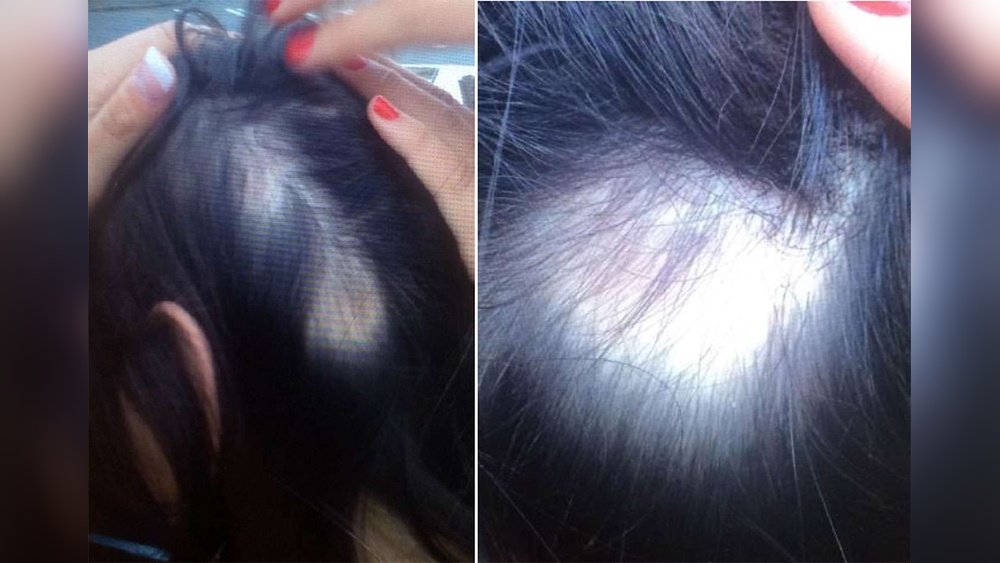
Have you ever noticed more hair in your brush or shower drain after using conditioner and wondered, “Can conditioner cause hair loss?” It’s a common concern that makes many question whether the product meant to nourish their hair might actually be harming it. The truth isn’t black and white.
While conditioner itself doesn’t directly cause permanent hair loss, the way you use it, the type you choose, or even your scalp’s reaction can sometimes lead to increased shedding or breakage. If you want to keep your hair healthy without the fear of losing it, understanding how conditioner interacts with your hair and scalp is key.
Keep reading to uncover the facts, bust the myths, and learn how to use conditioner the right way to protect your precious strands.

Credit: www.teleties.com
Conditioner And Hair Loss Myths
Many people believe conditioner causes hair loss. This common myth worries those who want healthy hair. Understanding how conditioner works clears up confusion. Conditioner helps hair, not harms it. Misusing conditioner or certain scalp conditions may cause problems, but conditioner itself is not the cause of hair loss. Let’s explore the facts behind these myths.
Why Conditioner Isn’t The Villain
Conditioner adds moisture and smoothness to hair strands. It protects hair from damage by reducing friction during combing. Without conditioner, hair breaks more easily. Conditioner does not make hair fall out from the root. Hair loss happens at the scalp level, not from using conditioner on the hair shaft. Many believe conditioner causes hair fall because they see loose strands after use. These strands are often hairs that naturally shed and were simply loosened.
Shedding During Detangling Explained
Conditioner softens hair, making detangling easier. When combing wet hair, some shedding occurs. This shedding is normal and not caused by conditioner. Hair naturally sheds 50-100 strands daily. Conditioner helps release these hairs gently. Rough combing or pulling can cause breakage, but conditioner reduces this risk. Seeing hair on the comb after conditioning does not mean hair loss is increasing. It means shedding hair is coming out more easily.

Credit: www.thepowdershampoo.com
How Conditioner Might Affect Hair
Conditioner plays a key role in hair care. It adds moisture, smoothness, and shine. Yet, its effects on hair health depend on how it is used. Some people worry conditioner might cause hair loss. Understanding how conditioner affects hair helps clear up this concern.
Product Buildup And Follicle Stress
Conditioners contain oils and silicones that can build up on hair strands. Excess buildup makes hair heavy and greasy. It may clog hair follicles on the scalp. Clogged follicles can stress hair roots. This stress may weaken hair and cause strands to fall out more easily.
Impact Of Applying Conditioner On Scalp
Many conditioners are designed for hair ends, not scalp. Applying conditioner directly on the scalp can cause greasiness. It may trap dirt and bacteria, leading to scalp irritation. An unhealthy scalp environment can slow hair growth. It may also increase hair shedding over time.
Risks Of Over-conditioning
Using too much conditioner makes hair limp and heavy. Over-conditioned hair loses its natural bounce and volume. It becomes prone to breakage due to weakened strands. Frequent over-conditioning may damage hair’s protective layer. This damage can make hair more fragile and likely to fall out.
Allergic Reactions And Irritation
Some conditioners contain fragrances and chemicals that cause allergies. Allergic reactions can cause scalp redness and itching. Persistent irritation may lead to inflammation around hair follicles. Inflamed follicles can weaken hair roots. This weakening raises the risk of hair loss in sensitive individuals.
Proper Conditioner Use
Proper conditioner use plays a big role in keeping hair healthy. Conditioner helps moisturize and protect hair strands. Using it the right way reduces hair damage and breakage. Misuse can cause tangling, buildup, or scalp irritation. These problems might look like hair loss. Follow simple steps to protect hair while conditioning.
Applying Conditioner To Hair Ends Only
Focus conditioner on the ends of your hair. These parts are older and need more moisture. Avoid applying conditioner directly to the scalp. Doing so can cause buildup and clog hair follicles. This buildup may lead to scalp irritation or weaker hair roots. Applying conditioner only on ends keeps roots clean and healthy.
Importance Of Thorough Rinsing
Rinse your hair well after applying conditioner. Leftover conditioner can build up on the scalp and hair. This buildup blocks pores and may cause itching or flaking. Use lukewarm water to rinse completely. Make sure no conditioner residue remains. Proper rinsing keeps scalp fresh and hair light.
Choosing The Right Formula
Select a conditioner that suits your hair type. Fine hair needs lightweight formulas that won’t weigh it down. Thick or dry hair benefits from richer creams or oils. Avoid products with harsh chemicals like sulfates or parabens. Gentle, natural ingredients help prevent irritation and hair damage. The right formula nourishes without causing buildup.
Gentle Detangling Techniques
Use your fingers or a wide-tooth comb to detangle hair. Start from the ends and work your way up slowly. Wet hair is fragile and breaks easily when pulled hard. Avoid rough brushing or tugging on knots. Conditioning softens hair and makes detangling easier. Gentle handling reduces hair breakage and shedding.
Using Clarifying Shampoos
Use a clarifying shampoo once a week or every two weeks. This shampoo removes excess conditioner and product buildup. Clarifying cleans the scalp and opens clogged follicles. It helps hair breathe and grow healthier. Do not overuse clarifying shampoos as they can dry out hair. Balance clarifying with regular moisturizing conditioners.
Credit: www.hairmdindia.com
Signs Conditioner Might Cause Issues
Conditioner is meant to protect and nourish hair. Yet, some signs show it might cause issues. Watch closely for changes in hair health.
Not all conditioners suit every scalp or hair type. Identifying problems early helps prevent damage and hair loss.
Increased Shedding Or Breakage
More hair strands on your brush or pillow can be alarming. Conditioner buildup may weigh hair down, leading to breakage. Using heavy formulas too often can weaken strands. Rough combing during conditioning can also cause hair to snap.
Scalp Irritation Symptoms
Itching, redness, or flaking scalp after using conditioner is a warning. Some ingredients cause allergic reactions or dryness. Applying conditioner directly on the scalp often clogs pores. This irritation can disturb hair growth and cause discomfort.
Sudden Hair Loss Concerns
Noticeable hair loss after starting a new conditioner is a red flag. Sudden shedding can result from sensitivity to certain chemicals. Persistent hair loss needs attention to prevent long-term damage. Switching products or consulting a specialist may be necessary.
Ingredients To Watch For
Not all conditioners are the same. Some contain ingredients that may harm your hair or scalp. These ingredients can cause irritation, buildup, or weaken hair strands. Knowing which ingredients to watch for helps protect your hair from damage and loss. Here are key ingredients that might cause issues.
Heavy Silicones And Oils
Some conditioners use heavy silicones like dimethicone or cyclopentasiloxane. These coat hair strands, making hair look smooth but can trap dirt and oil. Over time, buildup can clog hair follicles. This blockage may reduce scalp health and slow hair growth.
Heavy oils such as mineral oil or petrolatum also cause buildup. They can weigh hair down and block pores on the scalp. This creates an unhealthy environment for hair roots, which may lead to hair shedding or thinning.
Common Irritants
Many conditioners contain fragrances, parabens, and sulfates. These chemicals can irritate sensitive scalps. Irritation causes redness, itching, and inflammation. Inflamed scalp may weaken hair follicles and increase hair fall.
Some preservatives, like formaldehyde releasers, can cause allergic reactions. Even mild allergies may trigger scalp discomfort. This may lead to scratching or rubbing, which damages hair and causes breakage.
Checking Product Labels
Always read conditioner labels before buying. Look for heavy silicones, mineral oils, and harsh chemicals. Choose products with gentle, natural ingredients instead. Look for terms like “silicone-free,” “paraben-free,” and “sulfate-free.”
Test new products on a small skin patch to check for allergies. Avoid applying conditioner directly to the scalp if prone to buildup or irritation. Focus on hair lengths and ends to keep your scalp healthy and hair strong.
When To Seek Professional Help
Recognizing when hair loss might be more than just a reaction to conditioner is important. Persistent shedding or thinning needs careful attention. Seeking professional advice helps identify the real cause and find the right treatment. Early consultation improves chances of stopping or slowing hair loss effectively.
Consulting Dermatologists Or Trichologists
Dermatologists and trichologists specialize in hair and scalp health. They examine your scalp and hair condition closely. These experts can differentiate between hair loss due to conditioner use and other medical reasons. They also provide personalized advice based on your hair type and lifestyle. Visiting a professional prevents self-diagnosis and incorrect treatments.
Medical Tests And Fda Insights
Medical tests can uncover underlying causes of hair loss like hormonal imbalances or infections. Blood tests, scalp biopsies, and allergy checks reveal hidden issues affecting hair growth. The FDA reviews and approves hair care products for safety, including conditioners. Checking FDA insights ensures you use products that meet safety standards. This knowledge helps avoid harmful ingredients and choose safer options for your hair.
Frequently Asked Questions
Is Conditioner Making My Hair Fall?
Conditioner itself does not cause permanent hair loss. Improper use, heavy formulas, or scalp application may increase shedding or breakage. Apply conditioner from mid-shaft to ends, rinse well, and avoid the scalp to prevent irritation and buildup. Choose a formula suitable for your hair type.
Should I Stop Using Conditioner If My Hair Is Thinning?
Do not stop using conditioner if hair thins. Apply it from mid-shaft to ends only. Rinse thoroughly to avoid buildup and scalp irritation. Choose lightweight formulas and detangle gently to prevent breakage. Conditioning supports hair health without causing permanent hair loss.
Is Conditioning Good For Hair Loss?
Conditioner does not directly cause hair loss. Improper use or heavy formulas can cause breakage or shedding. Apply conditioner from mid-length to ends, avoid the scalp, rinse thoroughly, and choose light formulas to protect hair health and reduce hair fall.
Can Conditioner Cause Hair Loss Directly?
No, conditioner does not cause permanent hair loss directly. Improper use or heavy formulas may lead to breakage or shedding, which can seem like hair loss but is usually temporary.
Conclusion
Conditioner itself does not cause permanent hair loss. Improper use or heavy products may lead to breakage. Avoid applying conditioner directly on your scalp. Rinse thoroughly to prevent product buildup and irritation. Handle wet hair gently to reduce damage. Choose products suited to your hair type and sensitivities.
Healthy hair care habits protect your strands and scalp. Understanding how conditioner affects your hair helps prevent unnecessary worry.
As an Amazon Associate, I earn from qualifying purchases.
Lovingshe is a participant in the Amazon Services LLC Associates Program which is an affiliate advertising program designed to provide a means for sites to earn advertising fees by advertising and linking to Amazon.com. Amazon may use cookies to track referrals from our site. Visit Amazon’s privacy policy for details
