


Are you noticing more hair on your brush or pillow lately and wondering why it’s happening? Hair loss can be frustrating and worrying, especially when you don’t know the cause.
One possible reason you might not have considered is a vitamin B12 deficiency. This essential nutrient plays a crucial role in keeping your hair follicles healthy and strong. Without enough B12, your hair follicles may weaken, leading to shedding and thinning.
But here’s the good news: if B12 deficiency is the culprit, addressing it through diet or supplements can often stop hair loss and even encourage new growth. Curious to learn how B12 affects your hair and what steps you can take? Keep reading to discover the signs of deficiency, why early treatment matters, and how you can protect your hair from falling out.
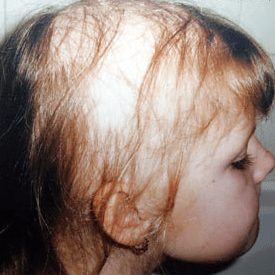
Credit: www.stevens-trichology.com
B12 Deficiency And Hair Loss
Vitamin B12 plays a crucial role in the health of your hair. A deficiency in B12 can lead to hair loss and thinning. This happens because B12 is essential for producing red blood cells, which carry oxygen to your hair follicles. Without enough oxygen, follicles weaken and hair begins to shed.
Understanding the link between B12 deficiency and hair loss helps in early detection and treatment. Hair loss caused by low B12 is often reversible with proper care. Recognizing symptoms early improves the chances of full hair regrowth.
How B12 Affects Hair Follicles
Vitamin B12 helps form red blood cells that supply oxygen to hair follicles. Healthy follicles grow strong, thick hair. Low B12 means fewer red blood cells and less oxygen. Without oxygen, hair follicles become weak and stop growing hair properly.
B12 also supports DNA synthesis, important for cell division in hair follicles. This process helps hair grow and repair itself. A deficiency slows down cell production, causing hair to thin and fall out.
Symptoms Linked To Deficiency
- Extreme tiredness and weakness
- Pale or yellowish skin
- Sore, red, or smooth tongue
- Mouth ulcers
- Shortness of breath during activity
- Fast or irregular heartbeat
- Digestive problems like nausea or loss of appetite
- Numbness or tingling in hands and feet
- Balance and coordination difficulties
- Memory loss and mood changes like depression
Hair loss may appear along with these symptoms. If you notice several signs, getting tested for B12 deficiency is important. Early treatment can stop hair loss and help hair grow back over time.
Signs Of B12 Deficiency
Vitamin B12 deficiency affects many body functions. Recognizing its signs helps in early treatment. Symptoms range from physical changes to mental challenges. Detecting these signs early can prevent serious health problems, including hair loss. Below are key signs to watch for.
Physical Symptoms
- Extreme tiredness and weakness reduce daily energy.
- Pale or yellowish skin shows lack of red blood cells.
- Sore, red, and smooth tongue, called glossitis, causes discomfort.
- Mouth ulcers and digestive troubles like nausea or diarrhea occur.
- Shortness of breath and heart palpitations happen during activity.
Neurological Effects
- Numbness or tingling in hands, legs, and feet are common.
- Balance problems make walking and coordination difficult.
- Muscle weakness reduces strength and mobility.
- Vision changes or blurry sight may develop.
Psychological And Cognitive Issues
- Memory loss and trouble focusing affect daily tasks.
- Confusion and slow thinking make decision-making hard.
- Depression, irritability, and anxiety impact mood and behavior.
Other Vitamin Deficiencies Causing Hair Loss
Hair loss can result from various vitamin deficiencies beyond just B12. Vitamins play key roles in maintaining strong and healthy hair. Lack of certain nutrients affects hair follicles and scalp health, leading to thinning or shedding. Understanding these other vitamins helps in recognizing and treating hair loss effectively.
Vitamin D And Hair Growth
Vitamin D supports hair follicle cycling and cell growth. Deficiency may cause hair thinning or alopecia. This vitamin helps create new hair follicles, promoting healthy hair growth. Low vitamin D levels link to hair loss conditions like telogen effluvium. Sun exposure and diet improve vitamin D status for better hair health.
Iron’s Role In Hair Health
Iron carries oxygen to hair follicles, essential for growth. Iron deficiency anemia is a common cause of hair loss. Without enough iron, follicles weaken and shed hair. Women and vegetarians often face iron-related hair thinning. Iron-rich foods or supplements help restore hair strength and reduce shedding.
Zinc And Vitamin C Impact
Zinc supports tissue growth and repair, including hair follicles. Deficiency can lead to hair loss and scalp issues. Vitamin C helps absorb iron and fights free radicals that damage hair. Both nutrients promote collagen production, vital for hair structure. Consuming enough zinc and vitamin C aids in maintaining healthy hair.
Testing And Diagnosis
Testing and diagnosis play a crucial role in identifying vitamin B12 deficiency as a cause of hair loss. Accurate tests help detect low B12 levels early. Early detection supports timely treatment and better hair health. Understanding the testing process can guide you towards proper care.
Blood Tests To Confirm Deficiency
Doctors use blood tests to check vitamin B12 levels. These tests measure the amount of B12 in your bloodstream. A low level indicates a deficiency that could affect hair follicles. Sometimes, doctors also test for methylmalonic acid (MMA) or homocysteine. Elevated levels of these substances can confirm a B12 deficiency.
Complete blood count (CBC) can show signs of anemia linked to B12 deficiency. Anemia reduces oxygen to hair follicles, causing hair loss. Blood tests are simple and provide clear results. They guide doctors in deciding treatment methods.
When To See A Doctor
Consult a doctor if you notice sudden or excessive hair loss. Fatigue, numbness, or pale skin alongside hair loss may signal B12 deficiency. Early symptoms often include weakness and memory issues. A healthcare professional can perform the necessary tests. Prompt diagnosis improves chances of reversing hair loss.
Do not ignore ongoing hair thinning or scalp changes. Regular check-ups help monitor vitamin levels and overall health. Timely action prevents further damage to hair and nerves. Trust medical advice for proper diagnosis and care.
Treatment And Hair Regrowth
Treating vitamin B12 deficiency is key to stopping hair loss and encouraging regrowth. Hair follicles need enough B12 to stay healthy and grow new strands. Without treatment, hair shedding may continue or worsen. Addressing the deficiency supports the body’s natural ability to restore hair.
Diet And Supplement Options
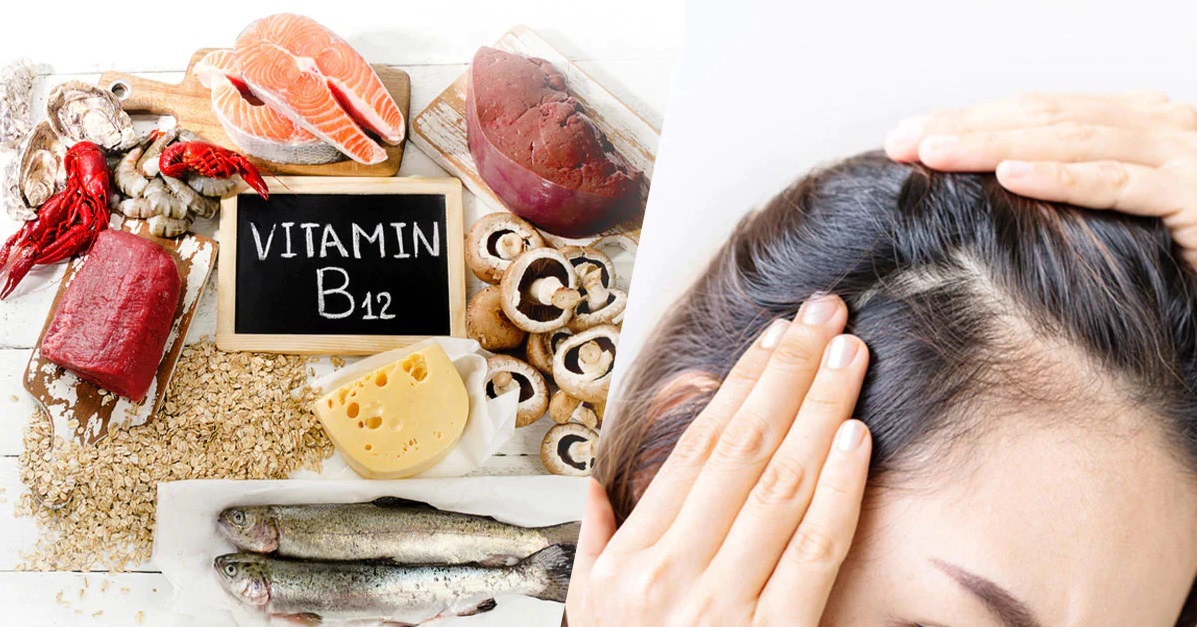
Eating foods rich in B12 helps restore levels. Good sources include meat, fish, eggs, and dairy products. For vegetarians or people with absorption issues, supplements provide a reliable alternative. Doctors may recommend oral tablets, sublingual drops, or injections based on severity. Consistent intake is important for steady improvement.
Timeframe For Visible Improvement
Hair regrowth does not happen overnight. Some people notice less shedding within a few weeks. Thickening and new growth often take three to six months. Patience is necessary during this period. Staying on the treatment plan increases chances of success.
Importance Of Early Intervention
Starting treatment early greatly improves outcomes. Prolonged deficiency can cause permanent follicle damage. Early care helps follicles recover faster and resume normal hair growth. Testing for deficiency and acting quickly reduces the risk of lasting hair loss.
Lifestyle Factors Influencing Hair Health
Hair health depends on many lifestyle factors that influence growth and strength. Daily habits impact how well hair follicles function and how vibrant hair looks. Simple changes in routine can support healthier hair and reduce loss related to deficiencies like vitamin B12.
Managing Stress
Stress plays a big role in hair loss. High stress levels can push hair follicles into a resting phase, causing shedding. Managing stress helps maintain normal hair growth cycles. Techniques such as deep breathing, meditation, and regular exercise can lower stress hormones. A calm mind supports stronger, thicker hair over time.
Balanced Nutrition
Eating a balanced diet fuels hair follicles with key nutrients. Vitamins and minerals, including vitamin B12, are essential for healthy hair growth. Protein, iron, and zinc also support follicle strength. A lack of these nutrients weakens hair and leads to shedding. Consuming a variety of fresh fruits, vegetables, lean meats, and whole grains provides the nutrients hair needs.
Risks Of Untreated Deficiency
Untreated vitamin B12 deficiency carries serious risks beyond hair loss. This nutrient is vital for many body functions. Lack of B12 affects more than just hair health. Ignoring deficiency can lead to lasting damage and health problems. Early action is critical to avoid these risks.
Impact On Overall Health
Vitamin B12 is essential for red blood cell production. Without enough B12, anemia can develop. This causes fatigue, weakness, and pale skin. Nerve damage is common in untreated deficiency. Symptoms include numbness, tingling, and balance issues. Cognitive problems like memory loss and confusion may appear. Mood changes such as depression and irritability also occur. Digestive issues like nausea and loss of appetite are frequent. These health problems worsen over time without treatment.
Long-term Hair Damage
Hair follicles need oxygen and nutrients to grow. B12 deficiency reduces oxygen supply to follicles. This weakens follicles and causes hair to shed. Prolonged deficiency can lead to permanent hair thinning. Hair may lose its strength and shine. Regrowth becomes difficult if deficiency lasts too long. Early treatment can help restore hair health. Delay increases the risk of irreversible damage.

Credit: toneop.care
Credit: wimpoleclinic.com
Frequently Asked Questions
Does Hair Loss From B12 Deficiency Grow Back?
Hair loss from B12 deficiency can regrow after correcting the deficiency through diet or supplements. Early treatment improves results. Visible hair thickness may take several months to return.
What Are The Symptoms Of Very Low B12?
Very low B12 causes extreme fatigue, numbness, tingling, balance issues, memory loss, irritability, sore red tongue, pale skin, and shortness of breath.
What Vitamin Am I Lacking If My Hair Is Falling Out?
Hair loss often signals a deficiency in vitamins like Vitamin D, Iron, or Biotin. These nutrients support hair follicle health and growth. Consult a doctor for testing and treatment to restore hair strength and prevent further shedding.
Can Vitamin B12 Cause Headaches?
Vitamin B12 deficiency can cause headaches due to nerve damage or anemia. Excess B12 rarely triggers headaches. Consult a doctor for proper diagnosis.
Conclusion
B12 deficiency can contribute to hair loss by weakening hair follicles. Treating the deficiency early improves chances of regrowth. Blood tests help confirm if low B12 causes your hair issues. Eating B12-rich foods or taking supplements supports recovery. Managing stress and good health habits also aid hair health.
Visible improvements take time, so be patient and consistent. Keep in touch with your doctor for proper guidance. Addressing B12 levels boosts overall well-being and hair strength.
As an Amazon Associate, I earn from qualifying purchases.
Lovingshe is a participant in the Amazon Services LLC Associates Program which is an affiliate advertising program designed to provide a means for sites to earn advertising fees by advertising and linking to Amazon.com. Amazon may use cookies to track referrals from our site. Visit Amazon’s privacy policy for details
