



Have you ever wondered if those pesky fleas that bother your pets can also take up residence in your hair? The idea of tiny, jumping insects crawling through your scalp can send shivers down your spine.
You might be asking yourself, “Can animal fleas really live in human hair? ” Understanding the truth behind this common concern is crucial—not only to ease your worries but also to know how to protect yourself and your loved ones.
You’ll discover the surprising facts about fleas and human hair, how to spot if you have fleas, and what steps you can take right now to get rid of them. Keep reading to learn how to protect your scalp and keep those unwanted visitors far away!
Fleas And Human Hair
Fleas are tiny insects that mostly live on animals. They bite and can cause itching. People often wonder if fleas can live in human hair. Understanding their habits helps to know the risks and how to protect yourself.
This section explains if fleas can stay in human hair and the types of fleas near humans.
Can Fleas Live In Human Hair?
Animal fleas do not usually live in human hair. They prefer animal fur for feeding and laying eggs. Fleas can jump onto humans and bite, causing itching and red bumps. They may crawl in hair but cannot survive long without animal blood. Human hair is not a good home for fleas. They need the warmth and environment of pets to thrive.
Fleas may stay on humans temporarily, but they do not make human hair their permanent habitat. If you feel crawling or see bites, it means fleas are nearby, but they will move back to animals or the environment soon.
Types Of Fleas Near Humans
The most common fleas near people are cat fleas and dog fleas. Cat fleas are the most widespread and can bite humans. Dog fleas also bite but are less common on humans. Both types prefer animals for food and breeding.
Other flea types like human fleas are rare but can infest people in poor hygiene conditions. These fleas can live on humans longer but are uncommon in most places. Fleas usually come from pets or wild animals around homes.
Knowing which fleas are near you helps in choosing the right control methods. Treating pets and cleaning your home stops fleas from bothering you.
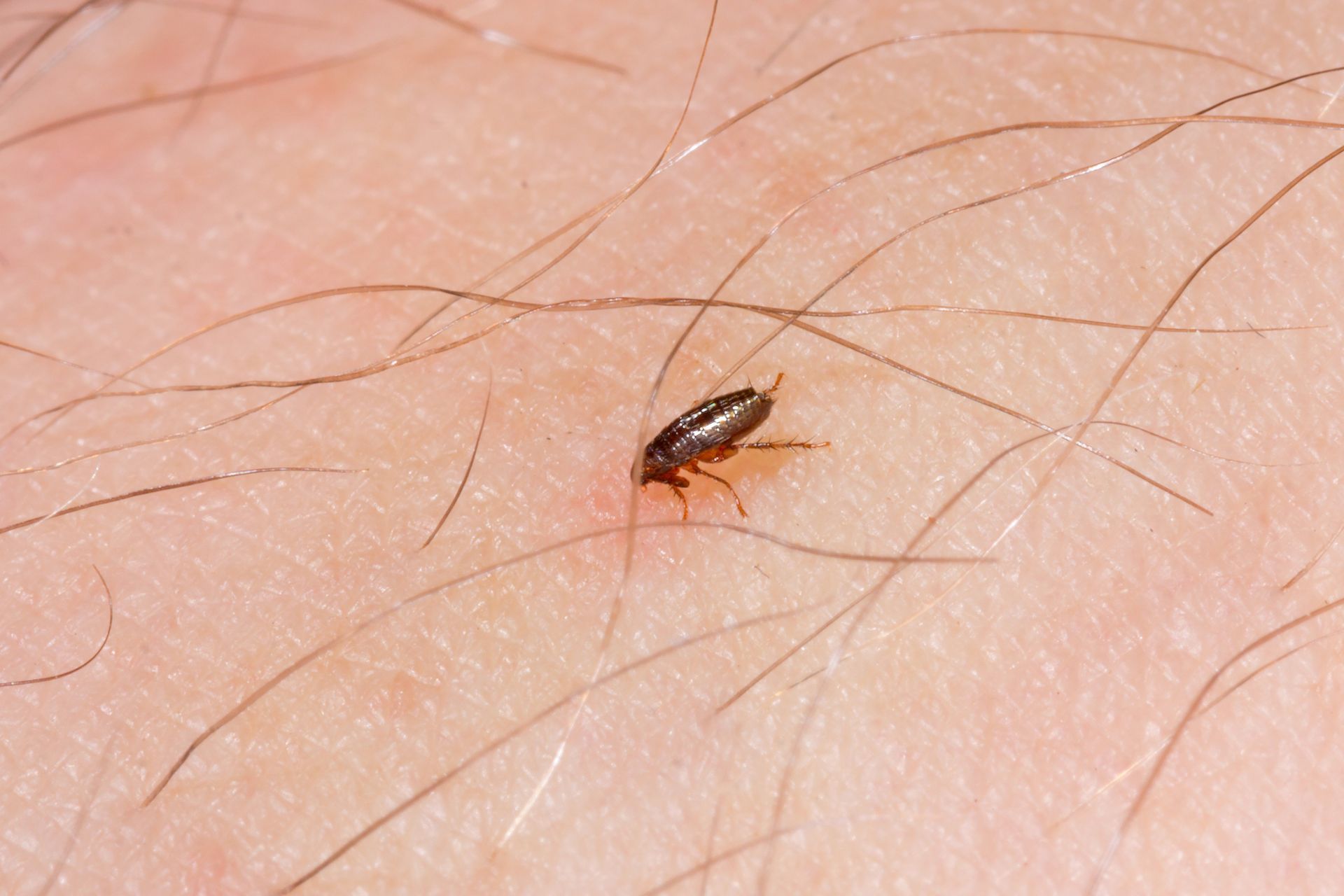
Credit: www.ecoguardpestmanagement.com
Signs Of Fleas In Hair
Fleas do not usually live in human hair, but they can jump onto the scalp and cause discomfort. Recognizing the signs of fleas in hair helps you act fast. Flea bites and irritation may seem similar to other skin issues. Knowing what to watch for can ease your mind and guide treatment.
Itching And Red Bumps
Intense itching on the scalp is a common sign of fleas. Small red bumps often appear where fleas bite. These bumps may cluster in groups, causing more irritation. Scratching can make the bumps worse and may lead to infection. The itching can be persistent and uncomfortable.
Feeling Crawling Sensations
A strange crawling feeling on the scalp is a key sign of fleas. It may feel like tiny insects moving in the hair. This sensation often causes nervousness and more scratching. Fleas are fast and can jump quickly, making the sensation hard to ignore. This feeling usually increases at night.
Spotting Fleas And Flea Dirt
Fleas are small, reddish-brown, and can jump long distances. Use a fine-toothed comb on wet hair over a white towel. Fleas or flea dirt may fall onto the towel and become visible. Flea dirt looks like tiny black or dark brown specks. When wet, flea dirt turns reddish because it contains digested blood.
How Long Fleas Stay In Hair
Fleas can jump onto human hair but do not stay long. They prefer animals like dogs and cats for feeding and living. On humans, fleas usually cause brief discomfort rather than a lasting infestation.
Fleas cannot live in human hair for more than a few hours or days. They seek warmth and blood from animals, which humans do not provide as easily. Fleas may bite and irritate the scalp but will move on quickly.
Flea Behavior In Human Hair
Fleas jump onto humans mostly by accident. They may crawl around the scalp looking for a place to feed. Without the right environment, fleas soon leave the hair.
Duration Fleas Can Survive On Humans
Fleas survive on humans only for a short time. Usually, they stay a few hours to a day. They cannot lay eggs or live long without animal hosts.
Signs Fleas Have Been In Your Hair
Itching and red bumps on the scalp suggest flea bites. You may feel something crawling in your hair. Tiny jumping insects or flea dirt can confirm their presence.

Credit: www.itchpet.com
Effective Flea Removal
Effective flea removal is essential when dealing with fleas on your scalp or hair. Fleas can cause itching and discomfort. Removing them quickly helps prevent bites and skin irritation. Use a combination of washing, combing, and treatments for the best results. Regular care can clear fleas from your hair and scalp.
Washing With Soap And Water
Start by washing your hair with warm water and soap. Use regular shampoo or dish soap to help drown fleas. The soap breaks down their outer shell and makes removal easier. Rinse thoroughly to wash away fleas and dirt. Repeat washing daily until you see no more fleas.
Using A Fine-toothed Comb
Use a fine-toothed comb to catch fleas and flea dirt in your hair. Comb through wet hair, section by section. Wipe the comb on a white paper towel or cloth to check for fleas. This method helps remove fleas and their eggs. Comb your hair several times a day for a few days.
Medicated And Natural Treatments
Medicated shampoos with insecticides can kill fleas effectively. Follow the instructions on the product carefully. Natural treatments like neem oil or tea tree oil may help repel fleas. Use these oils diluted to avoid skin irritation. Always test a small skin area before applying widely.
Treating Pets And Home
Treating pets and the home is key to controlling and preventing flea infestations. Fleas thrive on animals but can spread in living spaces. Removing fleas from pets and cleaning the home environment stops the cycle. Focus on pet flea prevention, bedding and upholstery cleaning, and regular vacuuming. This approach helps protect your family and pets from flea bites and discomfort.
Pet Flea Prevention
Use flea treatments recommended by your veterinarian. Apply flea collars, topical drops, or oral medications regularly. Check pets for fleas often, especially after outdoor walks. Groom pets with a flea comb to catch fleas early. Keep pets away from areas known for flea infestations. Treat all pets in the household to prevent fleas from moving between them.
Cleaning Bedding And Upholstery
Wash pet bedding in hot water weekly to kill fleas and eggs. Use flea sprays safe for fabrics on sofas and chairs. Remove clutter where fleas can hide. Consider using flea powders or foggers for heavy infestations. Dry items on high heat to ensure flea eggs and larvae die. Clean curtains and cushions to reduce flea habitats in the home.
Vacuuming Tips
Vacuum floors, carpets, and furniture thoroughly and often. Focus on pet resting areas and corners. Dispose of vacuum bags or empty canisters outside immediately. Use a vacuum with strong suction to remove fleas and eggs. Vacuuming interrupts the flea life cycle and reduces flea numbers. Repeat vacuuming every few days until fleas disappear.
Common Mistakes To Avoid
Dealing with fleas can be frustrating. Many people make simple errors that slow down flea removal. Knowing common mistakes helps keep treatment effective. Avoid these pitfalls to protect yourself and your home.
Relying Only On Home Remedies
Home remedies alone do not always kill fleas. Some natural treatments can reduce fleas but rarely remove all. Fleas hide in places hard to reach with home methods. Skipping professional or medical options may leave fleas on your scalp. Use home remedies as a first step, not the only step. Combine with proper shampoo and flea combing for better results.
Ignoring Environmental Treatment
Fleas live in carpets, bedding, and furniture too. Treating only your hair does not stop fleas from returning. Cleaning your home is necessary to prevent re-infestation. Vacuum floors and furniture daily. Wash pet bedding and your sheets in hot water. Use flea sprays or powders safe for indoor use. Treat pets with vet-approved flea control products to break the flea life cycle.
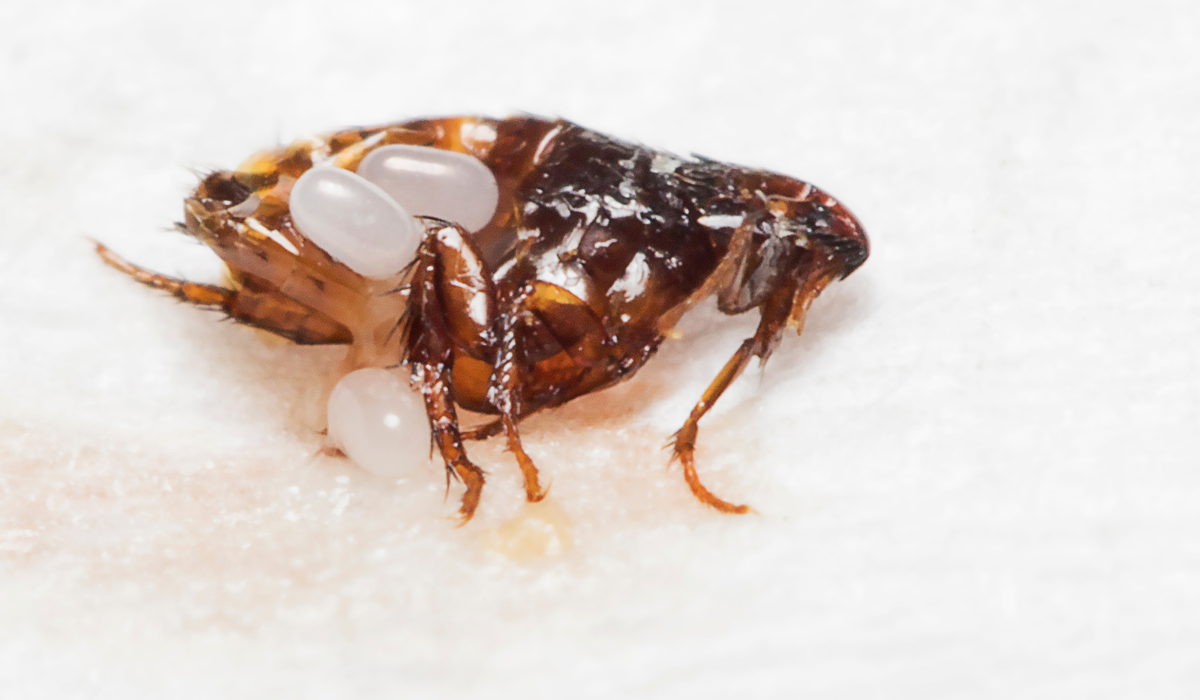
Credit: www.nativepestmanagement.com
Frequently Asked Questions
How Long Can Fleas Live In Human Hair?
Fleas cannot live long in human hair because it lacks a suitable environment. They survive only a few hours to a day. Fleas prefer animal fur for feeding and breeding, so they jump off quickly from humans. Treat pets and home to prevent reinfestation.
How To Tell If You Have Fleas In Your Hair?
Intense scalp itching and red bumps signal fleas in hair. Feeling crawling sensations and spotting tiny, reddish-brown jumping insects or flea dirt with a fine-toothed comb confirms infestation.
What Kills Fleas In Human Hair?
Wash hair with hot, soapy water or dish soap to drown fleas. Use a fine-toothed flea comb on wet hair daily. Medicated shampoos or natural oils like tea tree oil may help. Treat pets and clean your home to stop re-infestation.
Can Fleas Live On A Person’s Head?
Fleas can briefly jump onto a person’s head but do not live in human hair long-term. They prefer animal hosts.
Conclusion
Animal fleas rarely live long in human hair. They prefer pets with fur for feeding and breeding. Fleas may jump on humans, causing itching and red bumps. Use a fine-toothed comb to check for fleas or flea dirt. Washing hair with hot, soapy water helps remove fleas effectively.
Treat pets and clean your home to stop fleas returning. Taking quick action reduces discomfort and prevents infestations. Stay vigilant and keep both your pets and environment flea-free.
As an Amazon Associate, I earn from qualifying purchases.
Lovingshe is a participant in the Amazon Services LLC Associates Program which is an affiliate advertising program designed to provide a means for sites to earn advertising fees by advertising and linking to Amazon.com. Amazon may use cookies to track referrals from our site. Visit Amazon’s privacy policy for details
