


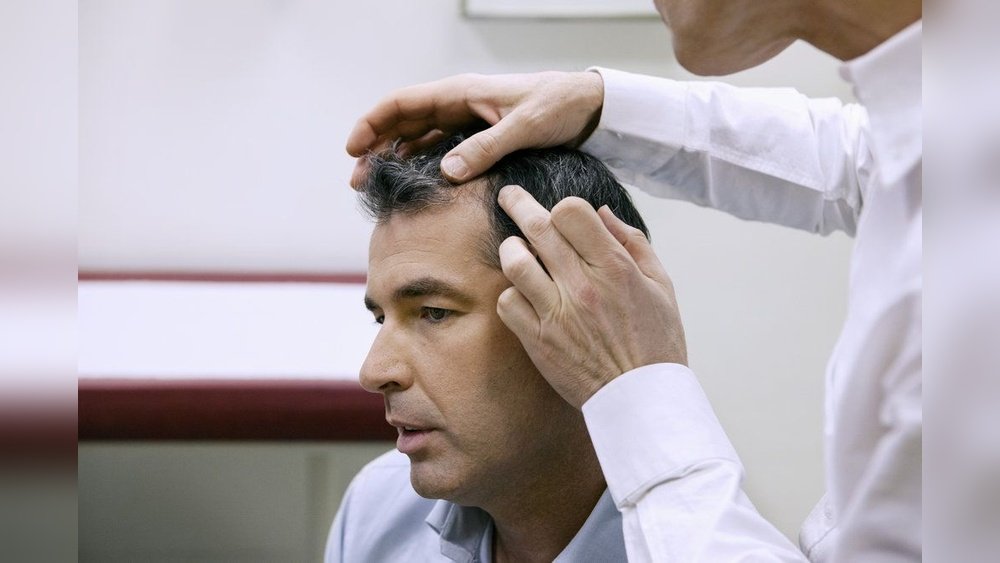
Have you recently undergone surgery and noticed your hair thinning or shedding more than usual? You might be wondering, “Can anesthesia cause hair loss?” It’s a common concern, especially when you expect a smooth recovery but face unexpected changes in your hair’s health.
While anesthesia itself doesn’t directly harm your hair, the entire experience of surgery—from the stress on your body to the effects of anesthesia and recovery—can trigger temporary hair loss. You’ll discover why this happens, what changes to expect in your hair, and how you can support your scalp’s recovery.
Keep reading to learn what’s behind this surprising connection and how to regain your healthy hair.
Credit: elithair.co.uk
Anesthesia And Hair Loss Connection
Many people worry about hair loss after surgery. The role of anesthesia in this issue is often unclear. Anesthesia itself does not directly cause hair loss. Instead, the body’s response to surgery and anesthesia can affect hair health.
The stress from surgery and anesthesia can push hair follicles into a resting phase. This leads to a condition called telogen effluvium, where more hairs than usual fall out weeks later. This hair loss is usually temporary and reversible.
How Anesthesia Affects Hair Growth
Anesthesia slows down the body’s processes, including cell division in hair follicles. Hair cells grow quickly, so any slowdown can change hair texture. New hair may become finer, curlier, or even wavy after surgery. These changes happen because the follicles are recovering from stress.
Stress And Hair Cycle Disruption
Surgery and anesthesia cause physiological stress. The body shifts energy to healing, leaving less for hair growth. Many hair follicles enter the resting (telogen) phase early. This leads to increased hair shedding several weeks after surgery. Hair loss usually appears as overall thinning, not in one spot.
Signs Of Hair Changes After Surgery
Look for general thinning across the scalp or a wider hair part. Hair texture may change from straight to wavy or feel duller. These changes can be unsettling but often improve over time. Patience is key during recovery.
Supporting Hair Recovery Post-anesthesia
Focus on good nutrition and hydration to support healing. Manage stress to help the hair follicles return to normal growth. Consult healthcare providers for advice on supplements or scalp treatments. Most hair loss after anesthesia is temporary and resolves as the body heals.
Credit: www.hairtransplantfue.org
Physiological Stress Impact
Physiological stress plays a key role in how anesthesia and surgery affect hair health. The body reacts strongly to the trauma of surgery and anesthesia. This reaction can disrupt normal hair growth cycles and lead to hair shedding. Understanding this stress impact helps explain why some people notice hair loss after surgery. The body prioritizes healing and survival over hair growth during stress.
Stress Effects On Hair Growth
Stress from surgery causes many hair follicles to enter the resting phase early. This phase is called telogen, where hair stops growing and eventually falls out. More hairs than usual shift into this phase, leading to noticeable thinning weeks later. The stress also slows down the division of hair cells, affecting hair texture and strength. The hair may feel thinner or change in appearance due to these changes.
Surgery As A Body Shock
Surgery acts as a sudden shock to the body’s system. This shock triggers stress hormones that redirect energy to vital organs. Hair growth becomes a lower priority during this time. The anesthesia itself does not directly harm hair, but it adds to the overall stress load. Recovery time is needed for the body to return to normal hair growth patterns. Proper care during recovery supports faster hair health restoration.
Hair Cycle Changes
Hair cycle changes often explain why hair loss may happen after anesthesia. Hair grows in cycles with phases of growth, rest, and shedding. Stress on the body can change this cycle. Surgery and anesthesia cause such stress. This can push more hairs into the resting phase. As a result, more hair falls out weeks after the procedure. Understanding these changes helps to know why hair loss occurs and how it recovers.
Telogen Effluvium Explained
Telogen effluvium is a common cause of hair loss after stress. It happens when many hairs enter the telogen, or resting, phase too soon. Normally, about 10-15% of hairs are in this phase. Stress from anesthesia and surgery can raise this number. This leads to noticeable hair shedding a few weeks later. The hair does not fall out all at once but thins gradually. Telogen effluvium is usually temporary. Hair growth often returns to normal after the body recovers.
Follicle Resting Phase Shift
The hair follicle resting phase shift means hairs stay in rest longer. Stress signals the body to protect vital functions, pausing hair growth. Hair follicles stop producing new cells and enter the telogen phase. This shift causes delayed hair loss after surgery or anesthesia. New hair growth slows down, and old hairs shed. Over time, follicles reactivate and hair grows back. This process explains why hair loss appears weeks after the event, not immediately.
Cell Division And Hair Texture
Cell division plays a vital role in hair growth and texture. Hair follicles rely on rapid cell division to produce new hair strands. Any disruption in this process can affect hair strength and appearance. Anesthesia and surgery cause stress that may slow down follicle cell division. This slowdown can lead to changes in hair texture and even temporary hair thinning.
Understanding how anesthesia impacts cell division helps explain why hair texture may alter after surgery. These changes are usually not permanent. As the body recovers, hair follicles return to their normal cycle, restoring hair texture and thickness.
Anesthesia Effects On Follicle Cells
Anesthesia can reduce the speed of cell division in hair follicles. Follicle cells need to divide quickly to grow healthy hair. Slower cell division means hair growth may pause or thin out temporarily. Stress from anesthesia pushes many follicles into a resting phase. This resting phase is called telogen, which causes hair shedding weeks after surgery.
The effect is not direct damage to hair. Instead, anesthesia causes physiological stress that alters follicle function. This change disrupts normal hair production and can cause temporary hair loss or texture shifts. Most people see hair recovery as their body heals.
Hair Texture And Shape Alterations
Changes in cell division affect hair texture and shape. Hair may grow back finer, thinner, or with a different curl pattern. Straight hair can become wavy or curly after surgery. These changes occur because new hair cells form differently during recovery. The follicle’s shape may slightly change, altering hair strand structure.
Texture changes usually fade over time. Hair gradually returns to its original texture as follicles normalize cell division. Proper nutrition and care support healthy hair regrowth. Paying attention to hair changes after anesthesia helps manage expectations during recovery.
Pressure And Medication Factors
Hair loss after surgery can occur due to various reasons beyond anesthesia itself. Pressure on the scalp during surgery and the medications used can both affect hair health. Understanding these factors helps explain why some patients notice hair shedding after medical procedures.
Pressure Alopecia From Surgery
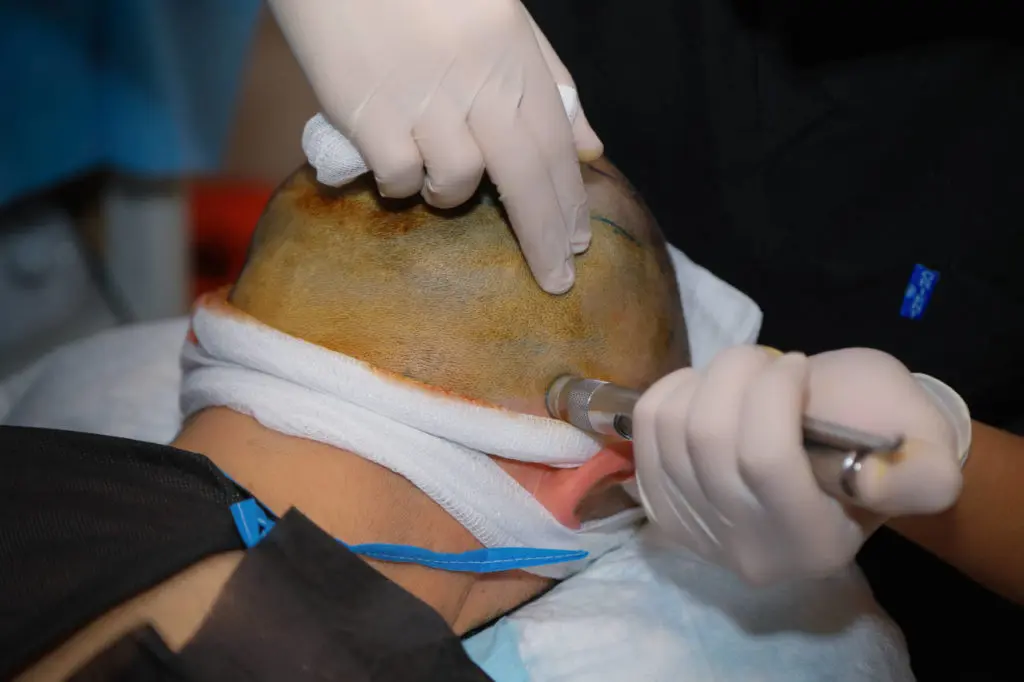
Pressure alopecia happens when the scalp experiences prolonged pressure during surgery. The head often stays in one position for hours on the operating table. This pressure reduces blood flow to hair follicles in the scalp area.
Without enough blood supply, hair follicles can weaken or enter a resting phase prematurely. This causes hair thinning or patchy hair loss in the areas where pressure was greatest. The hair loss usually appears weeks after surgery.
Pressure alopecia is more common in long surgeries or when special headrests press against the scalp. The condition is often temporary, with hair regrowing once normal blood flow returns.
Medications Influencing Hair Loss
Certain medications used during and after anesthesia can affect hair growth. Some drugs may interfere with the natural hair cycle, pushing follicles into a resting phase.
Examples include blood thinners, antibiotics, and steroids, which may cause temporary hair shedding. Chemotherapy drugs are well-known for their hair loss side effects but are not common in routine surgeries.
Medication-induced hair loss typically begins weeks after treatment and can last several months. The hair usually grows back after the medication stops or the body adjusts to the drug.
Signs Of Post-anesthesia Hair Changes
After anesthesia, some people notice changes in their hair. These changes can show up in different ways. Recognizing the signs helps you understand what is happening. Hair may look or feel different due to the body’s reaction to surgery and anesthesia. Stress from these events can affect hair growth and condition.
General Thinning Patterns
Hair thinning after anesthesia usually appears all over the scalp. It is not limited to one spot. The scalp may look less full, and the part line can widen. Hair strands may feel lighter and less dense. This thinning happens because more hair follicles enter the resting phase early. It causes more hair to shed several weeks after surgery. This pattern is often temporary and improves over time.
Texture And Appearance Variations
Hair texture can change after anesthesia and surgery. Straight hair may develop waves or slight curls. Fine hair might become more fragile and break easily. Some people find their hair feels dry or dull. These changes occur because the hair follicles slow down cell production. The new hair grows differently until the follicles recover fully. These texture shifts do not last forever and usually return to normal.
Recovery And Hair Regrowth
Recovery after anesthesia-related hair shedding is a gradual process. Hair regrowth depends on how well the body heals and restores normal hair cycles. Patience plays a key role during this time. Taking good care of your body helps speed up recovery. Understanding the timeline and supportive measures can ease concerns and promote healthier hair growth.
Timeline For Hair Restoration
Hair shedding usually starts 2 to 3 months after surgery. This delay happens because hair follicles enter a resting phase first. New hair often begins to grow within 4 to 6 months. Full recovery may take up to 12 months. Hair thickness and texture return slowly as follicles regain strength. Tracking progress monthly helps stay positive during this phase.
Nutrition And Stress Management
A balanced diet rich in vitamins supports hair regrowth. Nutrients like biotin, zinc, and iron are vital for healthy follicles. Drinking plenty of water keeps hair hydrated. Managing stress reduces hormone spikes that harm hair growth. Simple techniques such as deep breathing and light exercise calm the mind. Restful sleep also helps the body repair itself.
Medical And Cosmetic Support
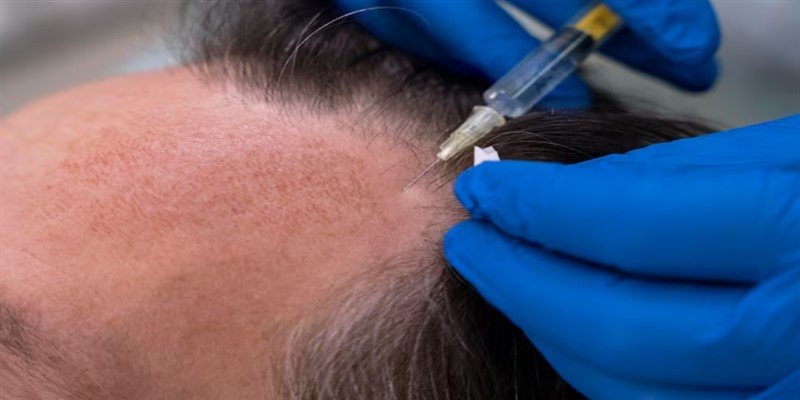
Consult healthcare providers for personalized advice on hair care. Doctors may suggest supplements or topical treatments to boost growth. Scalp massages improve blood flow and follicle stimulation. Gentle hair products prevent further damage. In some cases, dermatologists can recommend laser therapy or other medical options. Regular follow-ups ensure effective recovery strategies.

Credit: neofollics.com
Frequently Asked Questions
Does Anesthesia Affect Your Hair?
Anesthesia itself doesn’t cause hair loss. Stress from surgery and anesthesia can trigger temporary shedding called telogen effluvium. Hair usually regrows within months as the body recovers. Proper nutrition and stress management support hair health during recovery.
How Long Will Hair Loss From Anesthesia Grow Back?
Hair loss from anesthesia-related stress usually regrows within 3 to 6 months as the hair cycle normalizes. Maintaining good nutrition and managing stress supports recovery.
Can Anesthesia Directly Cause Hair Loss?
Anesthesia itself does not directly cause hair loss. However, the stress from surgery and anesthesia can trigger temporary hair shedding called telogen effluvium. This condition shifts hair follicles into a resting phase, causing hair to fall out weeks later.
Why Does Surgery Affect Hair Growth?
Surgery and anesthesia stress the body, diverting resources from hair growth. This stress pushes hair follicles prematurely into the resting phase, leading to increased shedding and temporary thinning across the scalp.
Conclusion
Hair loss after anesthesia is usually temporary and not from anesthesia itself. Surgery and stress cause hair follicles to rest and shed more than usual. Hair may feel thinner or change texture for a while. Your body needs time, good nutrition, and care to recover fully.
Consulting a doctor or hair expert helps manage any concerns. Most people see hair return to normal after healing. Patience and self-care support healthy hair regrowth after surgery and anesthesia.
As an Amazon Associate, I earn from qualifying purchases.
Lovingshe is a participant in the Amazon Services LLC Associates Program which is an affiliate advertising program designed to provide a means for sites to earn advertising fees by advertising and linking to Amazon.com. Amazon may use cookies to track referrals from our site. Visit Amazon’s privacy policy for details
