


Are you worried that taking Adderall might be causing your hair to fall out? If you’ve noticed more hair in your brush or shower drain lately, it’s natural to wonder if your medication is to blame.
Hair loss can feel alarming and impact your confidence, so understanding what’s really happening is crucial. You’ll discover whether Adderall can make you lose hair, why it might happen, and what steps you can take to protect your hair health.
Keep reading to get clear, straightforward answers that can help you feel in control again.

Credit: www.youtube.com
Adderall And Hair Loss
Many people wonder if Adderall can cause hair loss. Understanding the connection between Adderall and hair health is important. This section explains how Adderall may affect hair growth.
Possible Hair Loss Effects
Adderall may cause hair loss in some users. This happens because the drug can create stress on the body. Stress can push hair into a resting phase, leading to shedding. Some people notice thinning hair after starting Adderall. Nutrient deficiencies caused by appetite loss may also affect hair. Not everyone experiences hair loss from Adderall. The effect varies by individual health and dosage.
How Adderall Works
Adderall is a stimulant that affects the brain’s chemicals. It increases dopamine and norepinephrine levels. These chemicals help improve focus and reduce hyperactivity. The drug also suppresses appetite in many users. Reduced food intake can lower essential nutrients for hair growth. This lack of nutrients may weaken hair follicles. The body under stress may prioritize vital organs over hair. This can cause temporary hair thinning or shedding.
Common Causes Of Hair Loss
Hair loss affects many people for different reasons. Understanding common causes helps identify why hair thins or falls out. Hair loss can be sudden or gradual. It may result from internal body changes or external factors.
Some causes relate to health issues, lifestyle, or daily habits. Knowing these triggers can guide proper care and treatment. Here are the most common reasons for hair loss.
Stress And Shock
Severe stress or shock can push hair into resting phase. This causes noticeable shedding after weeks or months. Events like surgery, grief, or illness often trigger this reaction. The body focuses on healing, reducing hair growth temporarily.
Hormonal Changes
Hormones control many body functions, including hair growth. Changes during pregnancy, childbirth, or menopause affect hair cycles. Thyroid problems also disrupt hair health. Hormonal imbalance can cause hair to thin or fall out.
Medical Conditions
Some diseases directly impact hair follicles. Autoimmune diseases like alopecia areata attack hair roots. Scalp infections such as ringworm lead to hair loss. Polycystic Ovary Syndrome (PCOS) can also cause thinning hair.
Nutrient Deficiencies
Hair needs nutrients to grow strong and healthy. Lack of iron, zinc, vitamin D, or protein weakens hair strands. Poor diet or absorption issues reduce these nutrients in the body. Deficiencies often result in brittle, falling hair.
Medications
Certain drugs list hair loss as a side effect. Treatments for cancer, arthritis, depression, and heart problems may cause thinning. Medication affects hair growth cycles and follicle health. Consult a doctor if hair loss starts after new medicines.
Hair Care Practices
Daily hair care impacts hair strength and loss. Tight hairstyles pull hair, causing traction alopecia. Frequent use of heat tools and harsh chemicals damages hair shafts. Rough towel drying breaks hair, leading to thinning over time.
Adderall Side Effects Linked To Hair Loss
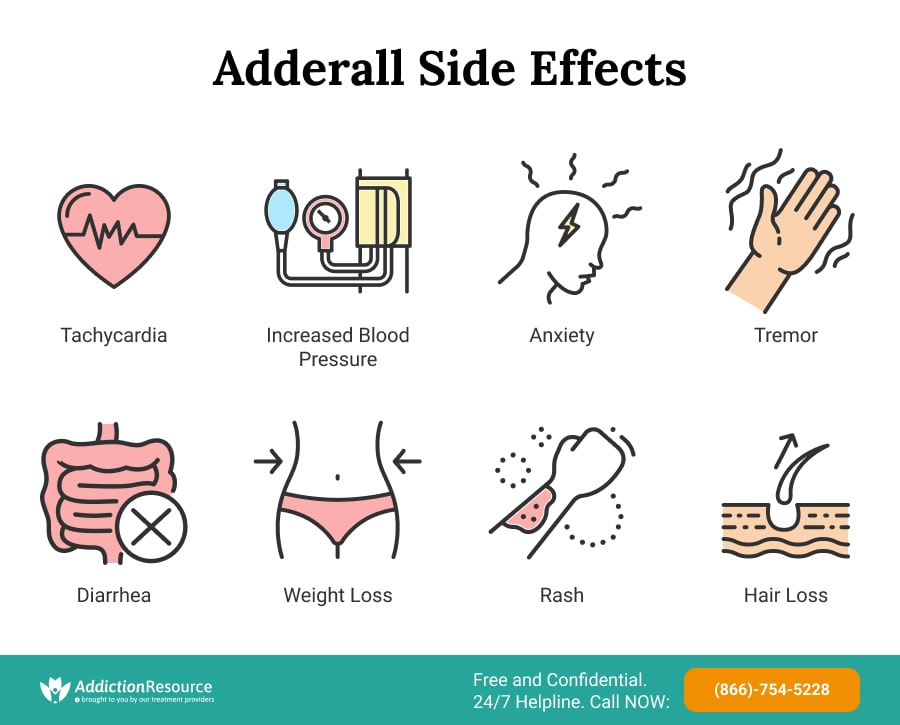
Adderall is a common medication for attention disorders. Many users ask if it causes hair loss. Some side effects of Adderall relate to hair thinning or shedding. Understanding these effects helps manage and prevent hair problems.
Hair loss linked to Adderall may not come directly from the drug. Instead, side effects like appetite changes, stress, and medication interactions play a role. Each factor can affect hair health and growth.
Appetite Suppression And Nutrition
Adderall often reduces appetite. This may lead to poor nutrition over time. Hair needs vitamins and minerals to stay strong. Lack of nutrients like iron, zinc, and protein weakens hair roots. When the body lacks fuel, hair growth slows and shedding increases.
Eating fewer calories can cause the body to focus on vital organs. Hair becomes less of a priority. This shift can cause hair to enter a resting phase, then fall out. Maintaining a balanced diet supports hair health during Adderall use.
Stress And Anxiety Impact
Adderall can increase stress and anxiety in some people. Stress triggers a condition called telogen effluvium. This causes many hairs to stop growing and shed prematurely. Stress hormones disrupt the hair growth cycle. Hair thinning may appear weeks to months after stress starts.
Managing stress helps reduce hair loss risks. Relaxation techniques and proper sleep support hair growth. Reducing anxiety can improve overall health and hair condition.
Medication Interactions
Adderall may interact with other drugs. Some combinations can worsen hair loss. For example, certain antidepressants or blood pressure medicines affect hair growth. Always inform your doctor about all medications you take.
Doctors can adjust doses or suggest alternatives. Careful management reduces side effects. Monitoring hair changes during medication use helps catch issues early. This allows timely steps to protect hair.
Credit: addictionresource.com
Identifying Hair Loss Causes
Identifying the causes of hair loss is an important step toward managing the condition effectively. Hair thinning or shedding can happen for many reasons. These include stress, illness, medications, or changes in diet and lifestyle. Understanding the root cause helps in choosing the right approach to prevent further loss and promote regrowth.
Hair loss linked to Adderall use may not be common, but it is important to watch for symptoms. Tracking changes in hair health and discussing them with a healthcare provider leads to better care.
Monitoring Symptoms
Keep a daily record of hair loss patterns and scalp condition. Notice any sudden increase in shedding or thinning. Look for patches of hair loss or scalp irritation. Track changes in hair texture and strength. This helps identify if the hair loss relates to medication or other factors.
Reviewing Medical History
Consider past health issues that might affect hair health. Check for thyroid problems, hormonal imbalances, or autoimmune diseases. Note any recent illnesses, surgeries, or stress events. Review all current medications, including Adderall and others. Nutritional deficiencies or crash diets also impact hair growth and should be assessed.
Consulting Healthcare Providers
Talk to a doctor or dermatologist about hair loss concerns. They may order blood tests to check for iron, vitamin, or hormone levels. A scalp examination can reveal signs of infection or other conditions. Discuss all medications and supplements being taken. Professional advice ensures accurate diagnosis and proper treatment options.
Managing And Preventing Hair Loss
Managing and preventing hair loss requires a careful approach. Understanding how to support hair health helps reduce shedding and promotes growth. Small daily habits can make a big difference. Focus on nourishing your body and treating your hair gently. Medical options also exist to help manage hair loss effectively.
Diet And Nutrition Tips
A balanced diet strengthens hair from within. Include foods rich in iron, zinc, and protein. These nutrients support hair growth and repair. Vitamin D and B vitamins also play key roles. Drink plenty of water to keep your scalp hydrated. Avoid crash diets that may cause nutrient deficiencies. Consistent good nutrition improves hair health over time.
Gentle Hair Care Practices
Handle your hair with care to prevent damage. Use mild shampoos and conditioners suited for your hair type. Avoid tight hairstyles that pull on the scalp. Limit heat styling tools like blow dryers and flat irons. Pat hair dry with a soft towel instead of rubbing. Regularly detangle hair gently to reduce breakage. These habits protect hair from unnecessary stress.
Medical Treatments And Therapies
Consult a healthcare professional for persistent hair loss. They may recommend blood tests to identify underlying causes. Topical treatments like minoxidil can stimulate hair growth. Prescription medications might be necessary for some cases. Low-level laser therapy is another option to improve scalp health. Early treatment increases chances of hair regrowth. Always follow medical advice carefully.
When To Seek Professional Help
Hair loss linked to Adderall use can cause worry and confusion. Recognizing when to seek professional help ensures the right care. Persistent or sudden hair loss needs medical attention. Early diagnosis can prevent further damage and guide proper treatment.
Diagnostic Tests
Doctors may order blood tests to check nutrient levels. Thyroid function tests help rule out hormonal causes. Scalp biopsies can identify scalp diseases or hair follicle issues. These tests pinpoint the exact reason behind hair loss.
Specialist Referrals
A dermatologist specializes in skin and hair problems. They provide deeper insights into hair loss causes. Endocrinologists handle hormonal imbalances affecting hair growth. Referral to a specialist ensures focused and effective care.
Treatment Options
Treatments depend on the cause identified by tests. Nutritional supplements can restore deficiencies causing hair loss. Medications may adjust hormonal imbalances or reduce inflammation. Sometimes, changing or stopping Adderall under doctor guidance helps. Scalp therapies and gentle hair care support regrowth.

Credit: www.hairtransplantfue.org
Frequently Asked Questions
How Common Is Adderall Hair Loss?
Adderall hair loss is uncommon but possible. Stress, nutritional deficiencies, or medication side effects often cause hair shedding. Consult a doctor for diagnosis and treatment.
Why Am I Suddenly Losing So Much Hair?
Sudden hair loss often occurs due to stress, illness, hormonal changes, nutrient deficiencies, medications, or harsh hair treatments. Identifying the cause is crucial. Consult a doctor for diagnosis and treatment. Treating the underlying issue usually stops hair loss and promotes regrowth.
What Is The Biggest Side Effect Of Adderall?
The biggest side effect of Adderall is increased heart rate, which may lead to serious cardiovascular issues.
Does Hair Loss From Drugs Grow Back?
Hair loss from drugs often regrows after stopping the medication. Recovery time varies based on the drug and individual health.
Conclusion
Adderall may cause hair loss in some people, but it is rare. Stress, diet, and health issues often affect hair more than medication. Watch for changes and talk to your doctor if hair loss starts. They can check for other causes and suggest treatment.
Taking care of your scalp and nutrition helps keep hair healthy. Don’t ignore sudden or heavy hair shedding. Early action can prevent long-term problems. Hair loss usually improves after addressing the root cause. Stay informed and seek support when needed.
