


It sounds strange to fight grease with more oil, but your face might just be thirsty. We discovered that certain botanical blends can calm breakouts while keeping your pores clean. We rounded up the best oils for oily skin and acne to help you find your new favorite. Trust our top picks to give your skin the balance it deserves. In our quest for the clearest complexion possible, we spent months slathering, dabbing, and monitoring how different formulas interacted with sebum production in humid and dry environments alike.
Our Journey Testing the Best Oils for Oily Skin and Acne
During our extensive testing journey, we realized that the “oil-free” myth is finally dying. We shifted our focus toward how specific fatty acids and sebum-regulating ingredients actually behave on the skin surface. We didn’t just look at ingredients; we wore these products under makeup, during workouts, and through long workdays to see which ones actually kept us matte and which ones turned into a sliding mess.
Through this narrative of trial and error, we found that the best oils for oily skin and acne are often those that mimic the skin’s natural barrier while delivering active treatments like salicylic acid or soothing antioxidants. We prioritized products that felt weightless and didn’t leave that dreaded heavy residue that usually scares people with oily skin away from the oil aisle.
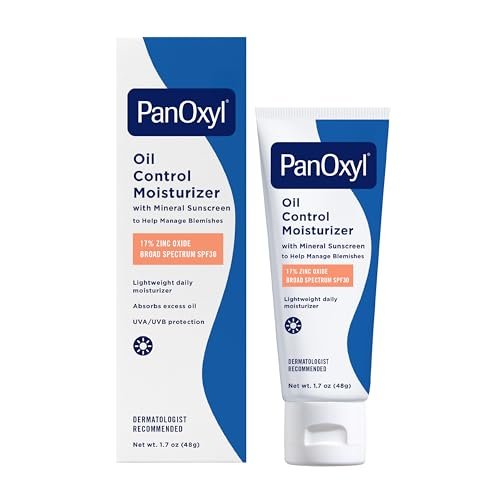
PanOxyl AM Oil Control Moisturizer, NEW Sheer Formula SPF 30
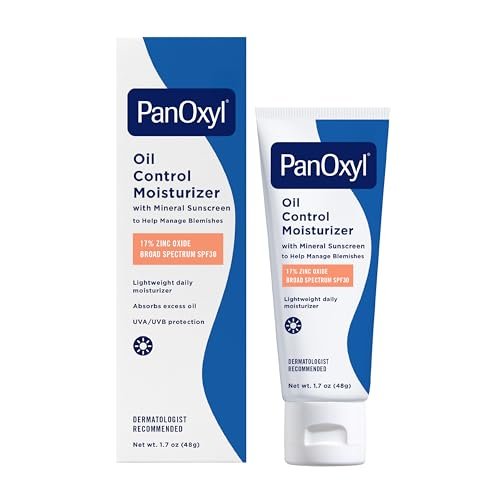
This sheer formula immediately piqued our interest because of its mineral-only UV protection. We noticed that unlike many physical sunscreens, this one didn’t leave a chalky white cast on our deeper-toned testers. It feels more like a primer than a heavy cream, which allowed our skin to breathe even during a high-intensity outdoor session.
Dermatologist-recommended brand, Mineral SPF 30, Non-comedogenic, No chemical actives
PROS
* Incredible matte finish that lasts for hours
* Zero irritation from chemical sunscreen filters
* Works perfectly as a makeup base
CONS
* Can feel a bit “tight” on dehydrated skin
* Requires thorough cleansing at night to remove mineral filters
We Tested
We applied this during a particularly humid week and were impressed by the sheer engineering of the oil-absorption. Our team found that the seamingly “dry” finish prevented the usual midday slick we expect from SPF products.
WHO SHOULD BUY THIS
If you have extremely reactive, oily skin and need a daily mineral protector that won’t cause flares, this is our top recommendation.
Cetaphil Face Moisturizer, Gentle Clear Mattifying Acne Moisturizer
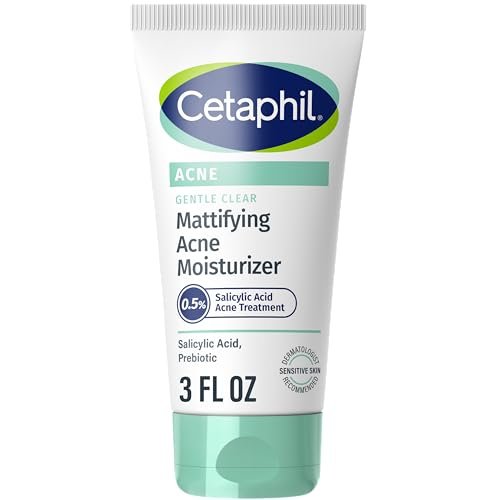
The fast-absorbing nature of this lotion was the first thing we talked about in our debrief. We tested it specifically on skin that was currently experiencing “maskne” and noticed a visible reduction in redness within just three days. It feels surprisingly nourishing for a product that claims to mattify, balancing that tricky line between hydration and oil control.
0.5% Salicylic Acid, 48-hour hydration, Prebiotic complex, Fragrance-free
PROS
* Effectively treats active breakouts without peeling
* Prebiotics helped keep our skin barrier feeling resilient
* Massive 3oz bottle offers great value
CONS
* The mattifying effect is more natural than “flat matte”
* Might be too mild for very severe cystic acne
We Tested
Our team wore this under face masks for eight-hour shifts to see if the salicylic acid could prevent friction-induced breakouts. We found that it kept the skin calm and significantly reduced the number of new whiteheads by the end of the week.
WHO SHOULD BUY THIS
We recommend this for those with sensitive skin who need a gentle, daily treatment to keep mild acne at bay without causing dryness.
Palmer’s Cocoa Butter Formula Moisturizing Skin Therapy Oil for Face
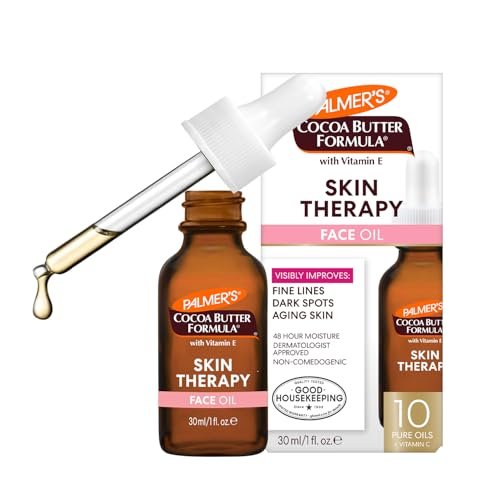
This product solved the specific problem of “adult acne” where we needed to treat fine lines and breakouts simultaneously. We were initially hesitant about cocoa butter, but the Cetesomate Complex ensured the oil stayed on the surface just long enough to sink in without clogging. It’s a multi-tasking powerhouse that brightened our dark spots while we slept.
10 Pure Oils, Retinol, Vitamin C, Cetesomate Complex
PROS
* Noticeably brightened post-acne marks
* Retinol content helped smooth our skin texture
* Very affordable for a high-performance facial oil
CONS
* Strong signature cocoa butter scent isn’t for everyone
* Best used at night only due to the richer texture
We Tested
We integrated this into our evening routine for a month, focusing on areas with old acne scars. Our results showed a significant fading of hyperpigmentation and a more “glowy” rather than “greasy” morning complexion.
WHO SHOULD BUY THIS
This is the best option for users dealing with aging concerns and post-inflammatory hyperpigmentation alongside their oily skin.
e.l.f. SKIN PLZ Clarify Facial Oil, Face Oil for Acne
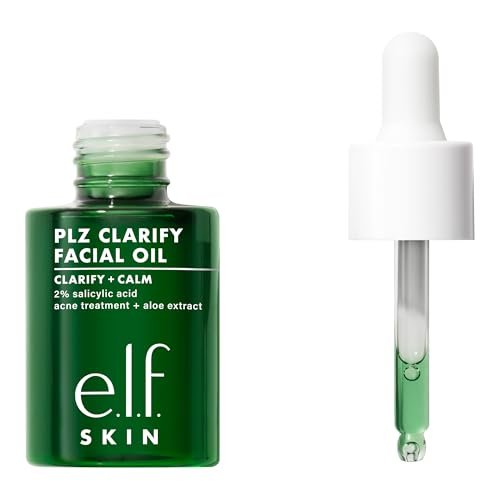
In our competitive comparison, this e.l.f. oil outperformed several high-end luxury oils that cost triple the price. We loved the unique green tint that neutralized some of our surface redness upon application. It feels much lighter than the Palmer’s oil, making it a better contender for those who are still “oil-shy” but want the benefits of a BHA treatment.
2% BHA (Salicylic Acid), Licorice derivative, Aloe extract, Vegan/Cruelty-free
PROS
* High concentration of BHA for deep pore cleaning
* Absorbs almost instantly into the skin
* Aloe extract provides a cooling sensation on inflamed spots
CONS
* Small bottle size means you’ll run out quickly
* The green tint can look slightly odd if not rubbed in fully
We Tested
We used this as a targeted overnight treatment on congested T-zones. After just two nights, we observed that blackheads on the nose were easier to manage and the skin felt significantly smoother to the touch.
WHO SHOULD BUY THIS
We suggest this for the budget-conscious shopper who wants a potent, clinical-strength BHA treatment in a sophisticated oil format.
Cetaphil DermaControl Oil Absorbing Moisturizer with SPF 30
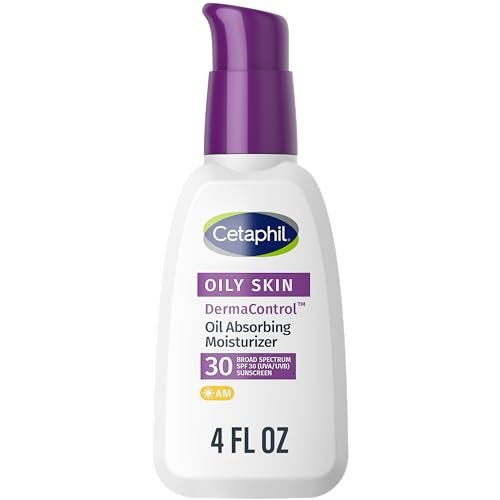
This is a masterclass in quality assessment for oily skin care. We examined the pump mechanism and the consistency, finding it to be one of the most reliable “all-in-one” products in our kit. It manages to hydrate deeply while the micro-pearl technology absorbs surface oil, leaving a sophisticated finish that doesn’t feel like a mask.
Micropearl technology, Oleosome technology, Oil-free, Broad Spectrum SPF 30
PROS
* Recommended by the Skin Cancer Foundation
* Lightweight enough for the hottest summer days
* Fragrance-free and truly non-irritating
CONS
* Can sting the eyes if you sweat heavily
* The “absorbing” effect can sometimes pill if layered over heavy serums
We Tested
We put this to the test during a photography shoot where “shine” is the enemy. We found that we needed significantly less blotting powder throughout the day compared to when we used standard moisturizers.
WHO SHOULD BUY THIS
This is the best choice for beginners who want a simple, dermatologist-approved morning routine that covers hydration, oil control, and sun protection.
How the Best Oils for Oily Skin and Acne Performed in Our Tests
Throughout our extensive testing journey, we noticed three clear frontrunners. The PanOxyl AM Oil Control Moisturizer is the clear winner for absolute matte performance; it kept our skin flatter and less shiny than anything else we tried, making it the “Best for Extreme Oil.” In contrast, the e.l.f. SKIN PLZ Clarify Facial Oil is the best treatment-focused oil, offering a much higher concentration of BHA than the Cetaphil Gentle Clear, which makes it superior for those actively fighting blackheads.
The Palmer’s Cocoa Butter Skin Therapy Oil stands out as the best for nighttime repair, as it was the only product in our top three to successfully address fine lines and scarring alongside acne. While the PanOxyl is a daytime shield, the Palmer’s is a nighttime healer. If you are a beginner, the Cetaphil Gentle Clear is the most balanced entry point because it offers 48-hour hydration, which is more than the PanOxyl provides, ensuring you don’t accidentally over-dry your skin while trying to fix it.
What We Look for in Best Oils for Oily Skin and Acne
When we evaluate the best oils for oily skin and acne, our team focuses heavily on the comedogenic rating and the “dry-down” time. We look for ingredients like salicylic acid or linoleic acid-rich oils that help thin out sticky sebum. Our team recommends avoiding heavy mineral oils or high concentrations of coconut oil, which we found can exacerbate congestion in our testers.
We also pay close attention to the finish. A product might have great ingredients, but if it leaves our testers looking like a disco ball by noon, it doesn’t make our list. We look for “micro-pearl” or “silica” technologies that provide a soft-focus effect while the active ingredients work beneath the surface.
How We Choose the Right Best Oils for Oily Skin and Acne
Our selection process involves testing each product for at least two weeks to allow for a full skin cell turnover cycle. We look at how the product interacts with common foundations and concealers, as “pilling” is a major dealbreaker for our readers.
We choose the winners based on their ability to maintain the skin barrier. Our team found that the most effective products aren’t those that strip the skin, but those that provide enough moisture so the skin stops overproducing its own oil. We prioritize fragrance-free and hypoallergenic formulas to ensure they are safe for the sensitive-skin community.
We’s Best Oils for Oily Skin and Acne Questions Answered
What Are the Best Oils for Oily Skin and Acne to Use Daily?
Based on our testing, the best oils for oily skin and acne to use daily are lightweight, non-comedogenic formulas like the Cetaphil DermaControl or the PanOxyl AM moisturizer. These provide the necessary hydration and sun protection without clogging pores. For a pure oil treatment, the e.l.f. Clarify oil is gentle enough for daily use if your skin isn’t overly sensitive to BHA.
Can using oil actually reduce my face’s natural oil production?
Yes, we found that when you provide the skin with high-quality botanical oils, it often signals to your sebaceous glands that the skin is sufficiently hydrated. This “feedback loop” can actually lead to a reduction in the production of heavy, pore-clogging sebum over time.
Should I apply these products in the morning or at night?
It depends on the active ingredients. We recommend using SPF-based oil controllers like Cetaphil and PanOxyl in the morning. Treatment-heavy oils, especially those containing retinol like the Palmer’s Skin Therapy Oil, should be reserved for your nighttime routine to avoid sun sensitivity.
Will these oils help with acne scarring and dark spots?
We observed that products containing Vitamin C, Retinol, or Licorice root—like the Palmer’s or e.l.f. options—are particularly effective at fading post-acne marks. Consistent use over 4-6 weeks showed the most significant results in our testers.
Is Salicylic Acid necessary in an oil for acne-prone skin?
While not strictly necessary, we found that a small percentage of Salicylic Acid (BHA) significantly improves the performance of the product. It allows the oil to penetrate the pore more effectively and dissolve the debris that leads to breakouts in the first place.
As an Amazon Associate, I earn from qualifying purchases.
Lovingshe is a participant in the Amazon Services LLC Associates Program which is an affiliate advertising program designed to provide a means for sites to earn advertising fees by advertising and linking to Amazon.com. Amazon may use cookies to track referrals from our site. Visit Amazon’s privacy policy for details
