


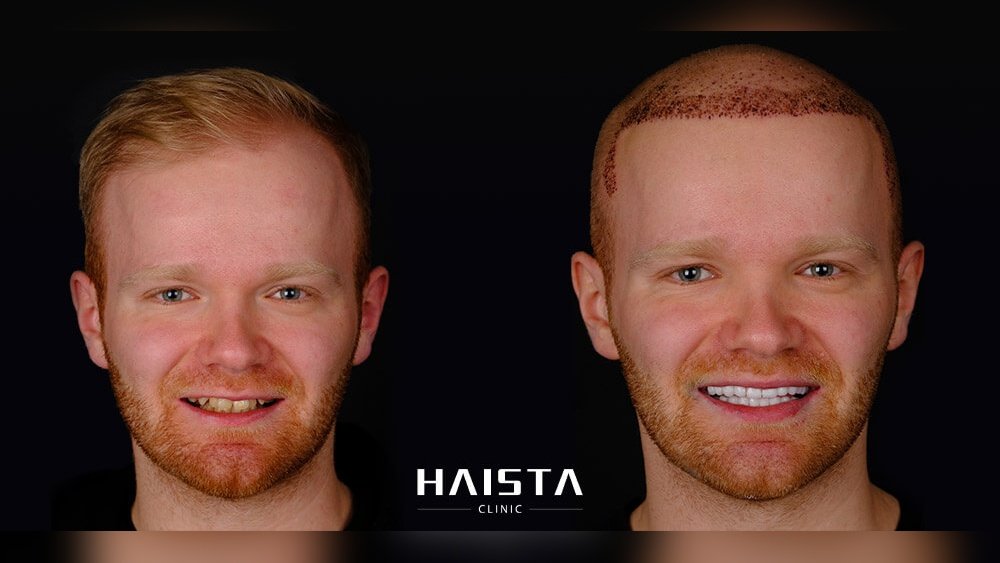
Thinking about a hair transplant and wondering, “Are hair transplants permanent?” You’re not alone. Many people want a lasting solution to hair loss but worry about how long the results will actually last.
The good news is that transplanted hair is designed to stay with you for life because it comes from areas of your scalp that resist balding. But there’s more to the story—your natural hair might still thin over time, and factors like your age, the surgeon’s skill, and how well you care for your new hair all play a role in the final outcome.
You’ll discover exactly what to expect from a hair transplant, how permanent the results really are, and what you can do to keep your hair looking full and natural for years to come. Keep reading to learn how to make your hair transplant a lifelong success.
Credit: jaepakmd.com
Permanence Of Transplanted Hair
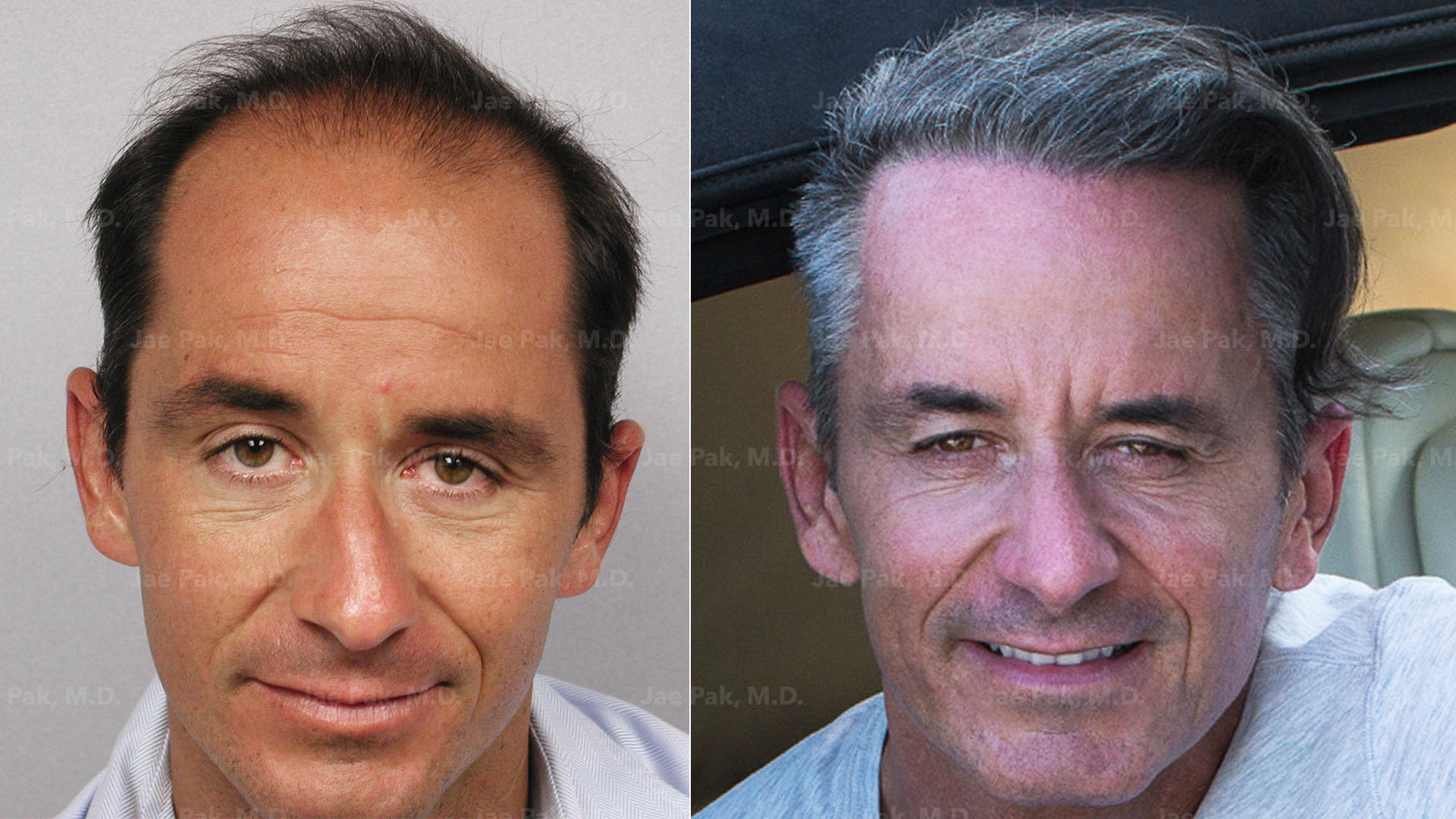
Transplanted hair offers a long-lasting solution for hair loss. The success depends on the nature of the hair follicles used. These follicles come from areas of the scalp that resist hair loss. This resistance plays a key role in the permanence of the transplant. Understanding how these follicles behave helps to set realistic expectations.
Dht-resistant Follicles
Hair loss is often caused by a hormone called DHT. Follicles in the back and sides of the head resist DHT. These resistant follicles are chosen for transplantation. Once moved, they keep their resistance in the new area. This means transplanted hair usually does not fall out like other hair. It remains healthy and strong over time.
Lifetime Growth Potential
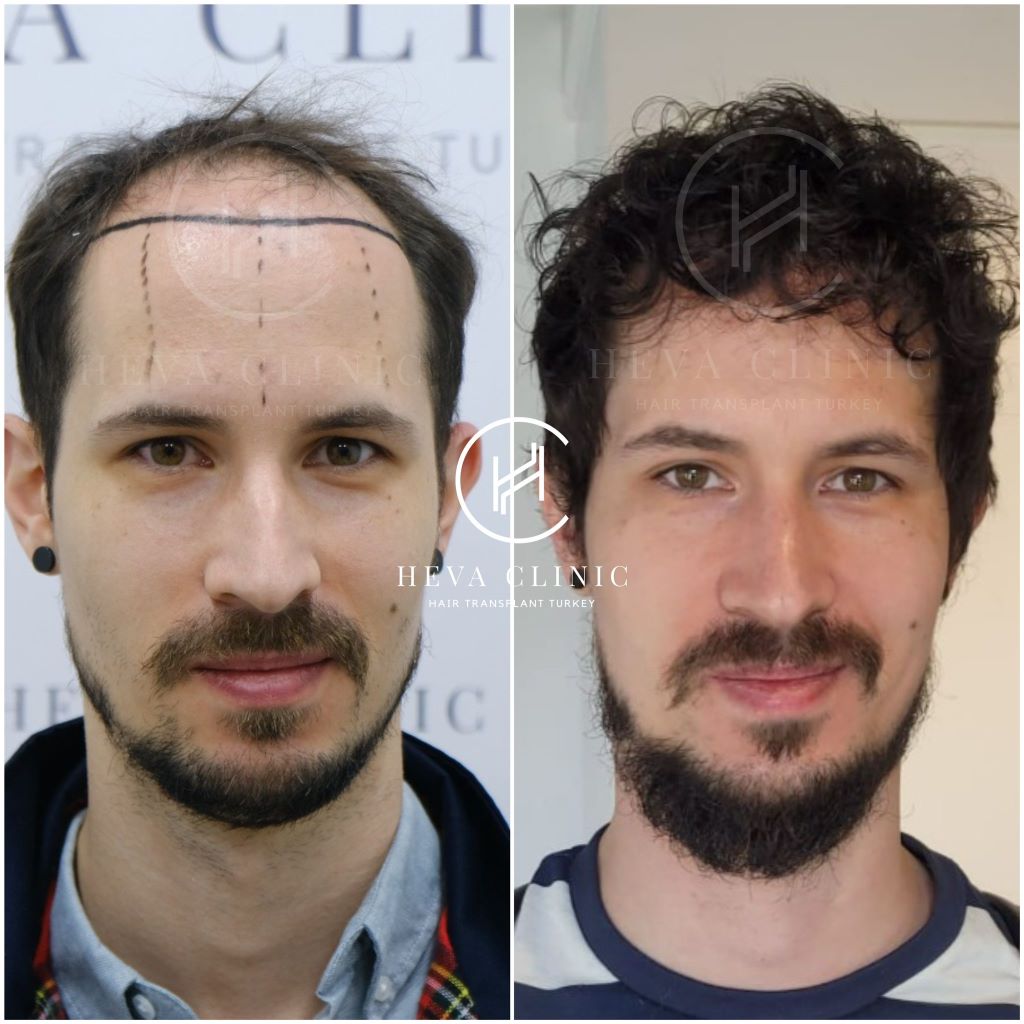
Transplanted hair grows like normal hair. It can be cut, styled, and even colored. This hair continues to grow for many years. It ages naturally, turning gray just like your original hair. While natural hair loss may occur elsewhere, transplanted hair stays put. This makes hair transplants a lasting solution for many people.
Credit: www.dentalhairclinicturkey.com
Factors Affecting Longevity
Several factors influence how long hair transplant results last. Understanding these helps set realistic expectations. The success and permanence depend on more than just the procedure itself.
Surgeon’s Expertise
The skill of the surgeon is crucial for transplant success. Experienced surgeons place grafts carefully to mimic natural hair growth. Proper technique reduces damage to follicles, improving survival rates. A well-performed transplant leads to lasting, natural results.
Donor Hair Quality
Donor hair comes from areas resistant to balding, usually the back or sides of the scalp. Healthy, strong donor hair increases the chance of permanent growth. Poor donor hair quality can lead to less satisfactory outcomes. Selecting good donor sites ensures better longevity.
Patient Age
Age affects how hair loss progresses after a transplant. Younger patients may continue to lose native hair over time. This might require additional treatments or future procedures. Older patients often have more stable hair loss patterns, helping maintain results longer.
Post-operative Care
Following aftercare instructions is vital for graft survival. Patients should avoid activities that harm healing grafts. Using recommended medications like Minoxidil or Finasteride supports hair growth. Proper care enhances the transplant’s durability and appearance.
Natural Hair Vs Transplanted Hair
Understanding the difference between natural hair and transplanted hair helps set realistic expectations. Both types grow from follicles, but their future can differ. Transplanted hair comes from areas less prone to hair loss. Natural hair remains subject to aging and genetics. This section explores how these two hair types behave over time.
Ongoing Hair Loss
Natural hair may thin or fall out as time passes. Hormones and genetics cause this ongoing loss. Transplanted hair resists this thinning. It comes from donor sites that do not react to hair loss hormones. Still, surrounding natural hair can continue to thin, affecting overall appearance.
Appearance Changes
Natural hair changes in density and coverage with age. It may become finer or patchy. Transplanted hair keeps its density since it is moved from stable zones. Placement technique affects how natural the transplant looks. Skilled surgeons ensure the hairline and growth pattern match natural hair.
Color And Texture Evolution
Natural hair color can fade or grey over time. Texture may become softer or coarser. Transplanted hair ages like normal hair. It will eventually grey and change texture as well. Both hair types blend naturally, especially after the transplant fully heals.
Role Of Medications
Medications play a crucial role in supporting the results of hair transplants. They help protect existing hair and promote healthy growth. Using the right medicines can extend the life of your transplant and maintain a fuller look over time. Below, we explore some common medications and their benefits.
Minoxidil Use
Minoxidil is a topical solution applied to the scalp. It helps to stimulate hair follicles and increase blood flow. This can slow down hair loss and encourage new growth. Many patients use Minoxidil after a transplant to support both transplanted and existing hair. It is easy to apply and generally safe for long-term use.
Finasteride Benefits
Finasteride is a pill that blocks the hormone causing hair loss. It reduces the levels of DHT, which weakens hair follicles. By lowering DHT, Finasteride helps to preserve natural hair and supports the transplanted ones. This medication is often recommended for men to maintain results and prevent further thinning.
Supporting Hair Health
Besides Minoxidil and Finasteride, other treatments can support hair health. Vitamins and supplements boost follicle strength and scalp condition. A healthy diet and proper scalp care also improve hair growth. Using these methods together helps maintain a healthy scalp environment, which is key for lasting transplant success.
Long-term Expectations
Understanding the long-term expectations of hair transplants helps set realistic goals. Transplanted hair usually lasts a lifetime. Yet, natural hair changes and aging affect overall appearance. Planning ahead ensures the best outcome and satisfaction.
Potential Need For Touch-ups
Hair transplants are mostly permanent. Some patients may need touch-ups over time. This happens if natural hair continues to thin. Touch-ups help maintain a balanced and full look. They also correct any gaps or uneven areas.
Planning For Future Loss
Hair loss can continue after a transplant. Planning for future hair loss is important. Surgeons may recommend preserving donor hair for later use. Medications like Minoxidil or Finasteride can slow down loss. Early action keeps hair thick and healthy longer.
Maintaining A Natural Look
Natural appearance depends on good technique and care. Skilled surgeons place grafts to match hair direction. Regular trimming and styling keep hair looking natural. Using gentle hair products supports healthy hair growth. Consistent care preserves the transplant’s natural look.
Choosing The Right Procedure
Choosing the right hair transplant procedure is key to getting lasting and natural results. Each method suits different needs, hair types, and budgets. Understanding the differences helps you make a confident choice for your hair restoration journey.
Fue Vs Fut Methods
FUE (Follicular Unit Extraction) removes individual hair follicles. It leaves tiny, almost invisible scars. Recovery is faster and less painful. FUT (Follicular Unit Transplantation) takes a strip of scalp. It leaves a linear scar but often moves more grafts in one session. Both methods use hair from the back of the head, which resists balding. Choosing depends on your scalp condition and personal preference.
Cost Considerations
Hair transplant costs vary by method and clinic. FUE is usually more expensive due to its precision and time needed. FUT tends to cost less but may require longer healing. Other factors include the number of grafts and location of the clinic. Budget carefully and avoid choosing only by price. Quality matters for permanent, natural results.
Surgeon Selection Tips
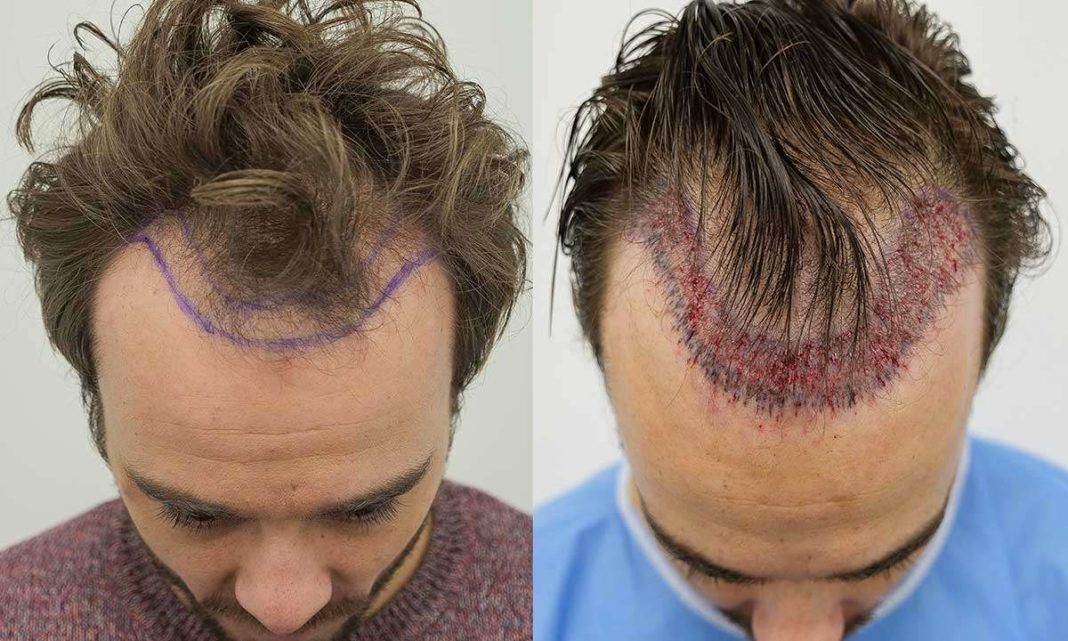
Pick a surgeon with strong experience in hair transplants. Check before-and-after photos of past patients. Read reviews to understand patient satisfaction. Confirm the surgeon uses modern, safe techniques. A skilled surgeon increases graft survival and natural hair growth. Avoid clinics that guarantee unrealistic results. Trust your instincts during consultations.
Credit: drvsrathore.com
Frequently Asked Questions
How Long Do Hair Transplants Last?
Hair transplants last a lifetime as transplanted follicles resist balding. Natural hair may thin, possibly needing touch-ups or medication. Proper surgeon skill and aftercare ensure long-lasting, natural results.
What Happens 20 Years After A Hair Transplant?
Twenty years after a hair transplant, transplanted follicles continue growing permanently. Natural hair may thin, causing contrast. Touch-ups or medication might be needed to maintain fullness.
Can You Go Bald Again After Hair Transplant?
Yes, transplanted hair is permanent, but natural hair can thin over time. Future balding may require touch-ups or treatments.
What Are The Downsides Of Hair Transplant?
Hair transplants may cause scarring, infection, and uneven hair growth. Results vary by surgeon skill. Natural hair loss can continue, requiring future treatments or touch-ups. Some patients experience swelling or discomfort during recovery. High costs and unrealistic expectations also pose downsides.
Conclusion
Hair transplants offer long-lasting, natural hair growth. Transplanted follicles resist hair loss over time. Aging may still affect your original hair. Proper care and follow-up treatments keep results strong. Skilled surgeons improve transplant success and appearance. Some people may need touch-ups later on.
Overall, hair transplants provide a lasting solution. They help restore confidence with natural-looking hair. Consider your age and hair condition before deciding. This procedure can be a smart, permanent option for many.
As an Amazon Associate, I earn from qualifying purchases.
Lovingshe is a participant in the Amazon Services LLC Associates Program which is an affiliate advertising program designed to provide a means for sites to earn advertising fees by advertising and linking to Amazon.com. Amazon may use cookies to track referrals from our site. Visit Amazon’s privacy policy for details
