


Are you thinking about adding hair extensions to boost your look but worried they might harm your natural hair? You’re not alone.
Many wonder if extensions are worth the risk or if they could lead to damage like breakage or hair loss. The truth is, whether hair extensions are bad for your hair depends on the type you choose, how they’re applied, and how well you care for them.
Keep reading to discover which extensions are safest, how to avoid common pitfalls, and how to enjoy fuller, longer hair without sacrificing your scalp’s health. Your hair deserves the best, and we’re here to help you make the right choice.
Hair Extension Types
Hair extensions come in many types. Each type affects your hair differently.
Choosing the right extension depends on your hair type and lifestyle.
Understanding temporary and semi-permanent options helps you protect your hair.
Temporary Options
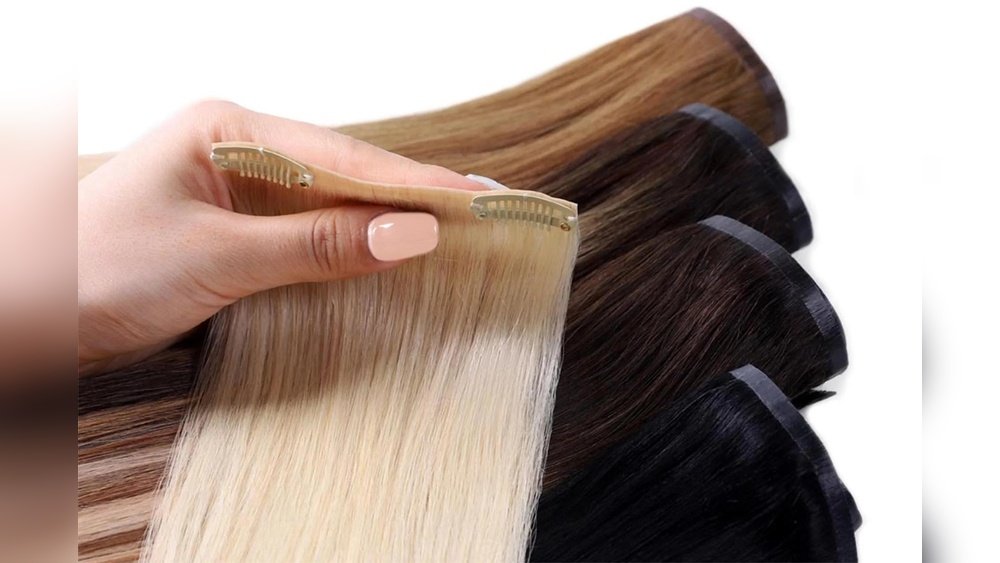
Clip-in extensions are very popular for short-term use. You can easily put them on and take them off at home. They do not use heat or glue, so they cause little to no damage. Halo extensions rest on your head with a thin wire. They do not attach to your natural hair. This makes them very gentle but limits styling choices. Both options are good for people who want to try extensions without risk.
Semi-permanent Methods
Semi-permanent extensions last longer but need professional help to apply. Micro-ring or micro-bead extensions attach small wefts with tiny rings. They do not use glue or heat, which is safer for fine or thin hair. Tape-in extensions use a special adhesive tape to attach hair strands. They are light and flexible but require careful maintenance. These methods can cause damage if done improperly or left in too long.
Damage Risks
Hair extensions can change your look instantly. They add length and volume. But they also carry risks that affect your natural hair. Understanding these risks helps you protect your hair better.
Some types of extensions cause more damage than others. The way extensions are applied and cared for also matters. Below, we explore common causes of damage and their effects on hair health.
Common Causes
Tight bonds or heavy extensions pull on your hair roots. This tension weakens hair strands over time. Poor installation methods increase breakage risk. Glue and heat can dry out hair and scalp.
Not removing extensions properly causes tangling and matting. Sleeping or swimming with extensions can tangle hair. Lack of proper cleaning leads to scalp irritation and buildup. Using low-quality hair extensions may cause allergic reactions.
Effects On Hair Health
Extensions can cause hair thinning and breakage. Constant pulling damages hair follicles, leading to hair loss. Scalp irritation may result in redness and itching. Damaged cuticles make hair dry and brittle.
Hair may become tangled and hard to comb. This leads to further breakage during detangling. Over time, damaged hair looks dull and lifeless. Healthy hair growth slows down due to follicle stress.
Least Damaging Extensions
Choosing the least damaging hair extensions protects your natural hair and keeps it healthy. Some extensions cause more stress and breakage. Others are gentle and safe, especially with proper care. Temporary extensions cause less harm since you can remove them daily. Semi-permanent options that avoid glue and heat also reduce damage risks. Using high-quality hair and light wefts helps maintain hair strength and shine. This section covers popular low-damage extension types for different needs.
Clip-in Extensions
Clip-in extensions are easy to use and remove. You attach them with small clips at home. No glue, heat, or chemicals touch your natural hair. This method causes minimal damage and breakage. You can wear clip-ins for special occasions or daily use. They let your hair breathe and avoid tension. Removing them before sleeping keeps your hair safe. Clip-ins suit all hair types and textures.
Halo Extensions
Halo extensions rest on your head with an invisible wire. They do not attach to your natural strands. This prevents pulling or stress on your hair roots. Halo extensions are very gentle and quick to apply. They add volume and length without damaging your hair. Styling options are simpler compared to clip-ins. Removing halos before bed protects your hair from tangling.
Tape-in Extensions
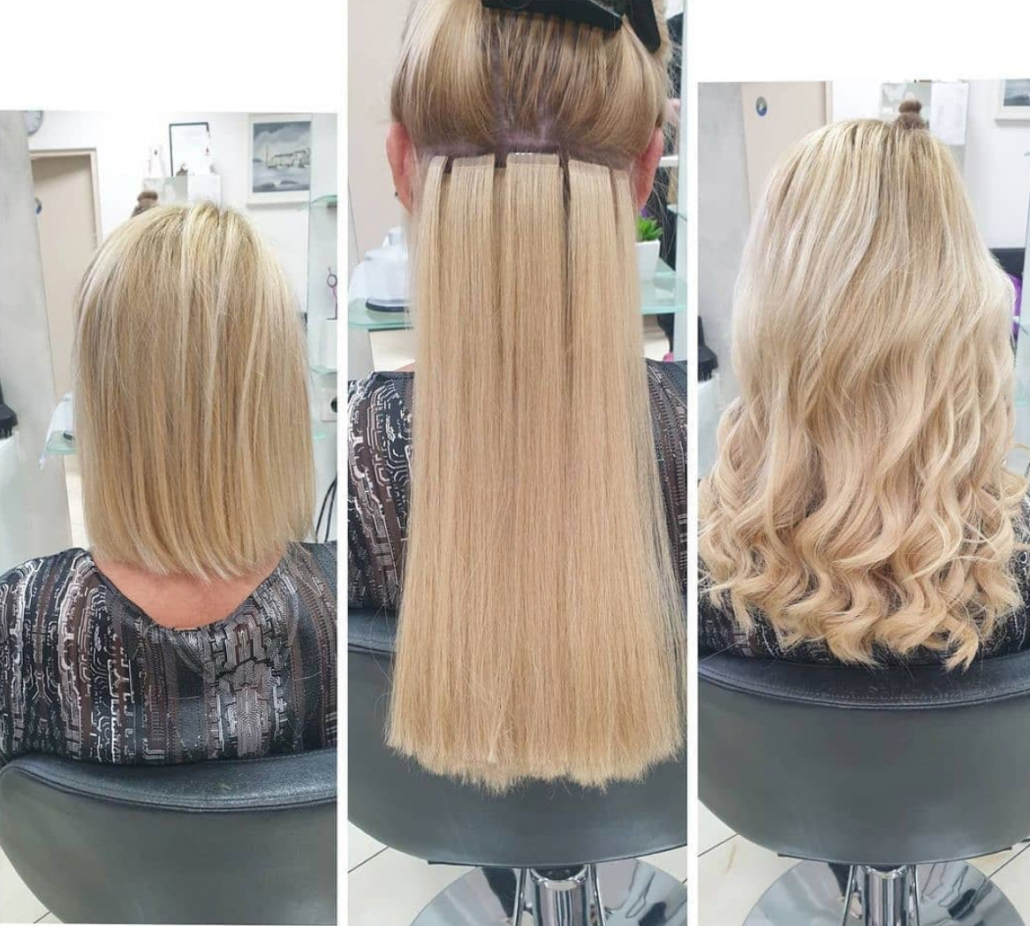
Tape-in extensions use thin strips with gentle adhesive. Professionals place them between your hair layers. The tape is light and flexible to reduce strain. These extensions last for several weeks with proper care. They do not require heat or harsh glue. Removing tape-ins carefully prevents hair loss. Tape-ins blend well with natural hair for a seamless look.
Micro-ring And Genius Wefts
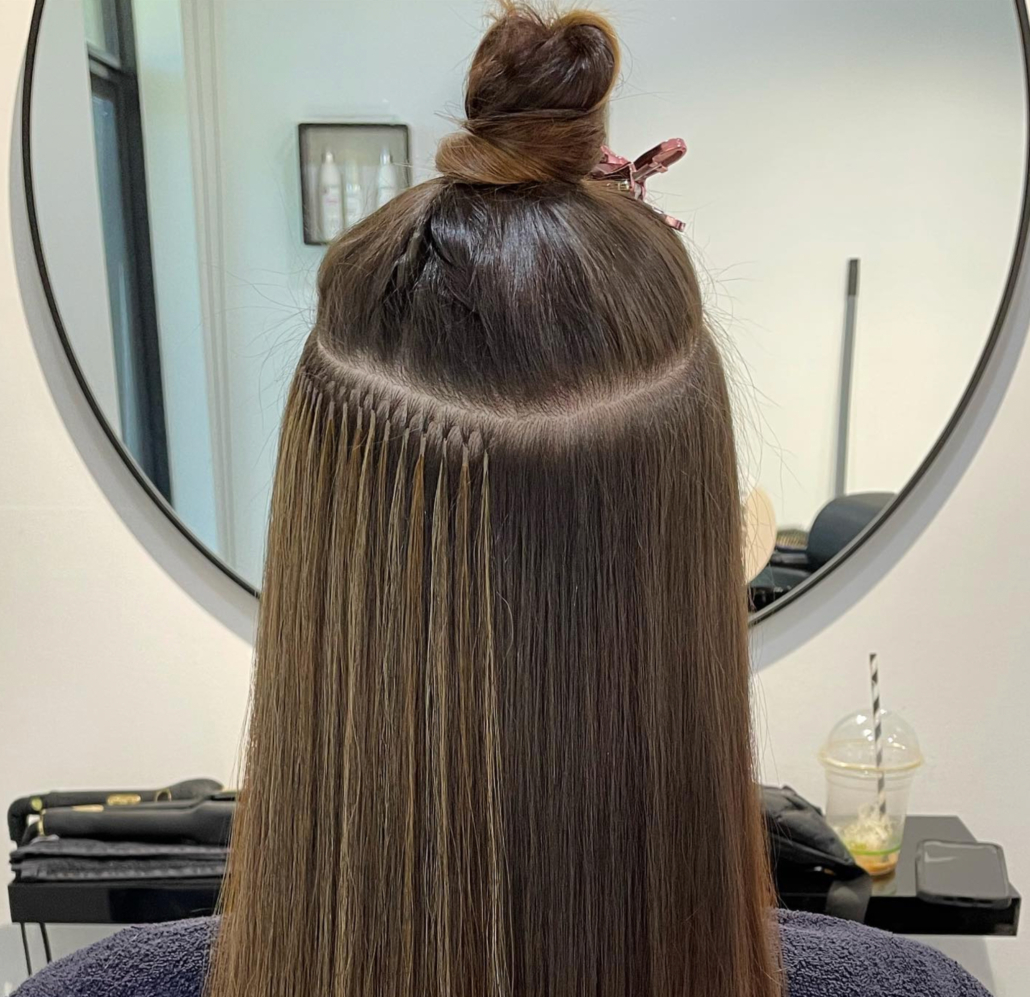
Micro-ring extensions use tiny metal rings to attach wefts. The rings clamp gently around small hair sections. No heat or glue is involved, lowering damage risk. Genius wefts work similarly but cover larger hair areas. Both methods allow repositioning and reuse. Proper installation avoids tension and hair breakage. These semi-permanent options suit fine or thin hair well.
Credit: www.greatlengths.com.au
Hair Quality And Weight
Hair quality and the weight of extensions play a vital role in maintaining healthy hair. Extensions add length and volume, but they also add weight to your natural strands. The wrong type or heavy extensions can stress your hair and scalp. This stress may cause breakage or hair loss over time. Choosing the right quality and weight can help protect your natural hair.
Choosing Quality Hair
High-quality hair extensions last longer and look natural. They blend better with your own hair. Poor-quality hair can tangle and break easily. Human hair extensions are usually the best choice. Avoid synthetic hair, which can damage your hair with harsh fibers. Look for hair that is soft, shiny, and smooth. This kind of hair is less likely to pull on your scalp.
Impact Of Extension Weight
Heavy extensions put strain on your hair roots. This can lead to discomfort and hair thinning. Light extensions are gentle and less likely to cause damage. The weight depends on the amount and thickness of the extensions. Fine or thin hair needs lighter extensions to avoid stress. Thick hair can handle more weight but still needs care. Proper installation also helps reduce tension on your scalp.
Installation And Removal
Installation and removal are key steps that affect hair extension health. Proper methods reduce the risk of damage. Incorrect handling can cause breakage, pulling, or scalp pain. Understanding how to install and remove extensions safely keeps your natural hair strong and healthy.
Professional Application
Experts use techniques that protect your natural hair. They choose the right extension type for your hair texture and condition. Professionals avoid excessive tension that can pull on hair roots. They ensure extensions are evenly spaced to prevent stress on strands. Using quality products and tools also helps maintain hair health. A skilled stylist minimizes damage during installation by working carefully and patiently.
Safe Removal Practices
Removing extensions requires patience and the right approach. Professionals use special solvents or tools to loosen bonds gently. Pulling or yanking extensions can cause hair to break or fall out. Always have extensions removed by a trained stylist to avoid damage. After removal, deep conditioning treatments help restore moisture and strength. Proper removal ensures your natural hair stays healthy and ready for future styling.
Credit: www.greatlengths.com.au
Care Tips For Extensions
Hair extensions add length and volume but need gentle care. Proper care keeps your natural hair healthy and your extensions looking great. Follow simple steps to protect both your hair and extensions. This helps prevent damage and extends the life of your extensions.
Aftercare Routine
Brush extensions gently with a soft-bristle brush. Start from the ends and work upward to avoid pulling. Wash extensions with sulfate-free shampoo and conditioner. Use lukewarm water to prevent drying out the hair. Pat dry with a towel, never rub. Avoid sleeping with wet hair extensions to stop tangling. Tie hair loosely in a braid or ponytail before bed. Visit your stylist regularly to check and adjust your extensions.
Preventing Breakage
Do not pull or tug on your extensions. Avoid using heat tools daily; use a heat protectant spray. Limit chemical treatments like coloring or perming on extensions. Be gentle when styling and avoid tight hairstyles. Protect hair from sun and chlorine by wearing a hat or swimming cap. Use nourishing oils or serums to keep hair soft and strong. Keep your scalp clean to prevent irritation and damage.
Suitability For Hair Types
Hair extensions suit different hair types in various ways. Choosing the right type depends on your hair’s strength and texture. Some hair types handle extensions better than others. Understanding your hair type helps avoid damage and keeps hair healthy.
Not all extensions work well on every hair type. Proper matching can make extensions look natural and last longer. This section explains how fine, thin, and damaged hair react to extensions.
Fine And Thin Hair
Fine and thin hair is delicate and breaks easily. Heavy extensions can pull and cause breakage. Light, temporary extensions like clip-ins or halo styles work best. They add volume without stressing the roots.
Choose lightweight hair strands to avoid extra weight. Avoid glue and heat-based methods. These can weaken thin hair and cause damage over time. Proper care and gentle handling protect your hair.
Damaged Hair Considerations
Damaged hair needs extra care before adding extensions. Extensions can worsen split ends and breakage if hair is weak. Strengthen hair with treatments before applying extensions.
Semi-permanent options like micro-ring extensions can be safer. They avoid glue and heat, reducing damage risk. Always consult a professional stylist to assess your hair’s condition. They can recommend the best method and aftercare.
Common Myths
Many people believe hair extensions always cause damage. These myths create fear and confusion. Knowing facts helps you make better choices.
Extensions can be safe if used correctly. The problem lies in wrong application or poor care. Let’s clear up some common myths.
Hair Extensions Pull Out Your Natural Hair
This is not always true. Extensions add weight but should not pull hair if installed right. Professionals use methods to avoid stress on roots. Proper care also prevents breakage and hair loss.
All Hair Extensions Use Harmful Chemicals
Many extensions use glue or heat, but not all. Some types like clip-ins or halo extensions need no chemicals. Choosing gentle methods reduces risk of damage and scalp irritation.
Hair Extensions Cause Scalp Pain And Itching
Discomfort often means extensions are too tight or installed poorly. Good salons adjust tension and check scalp health. Proper cleaning and care keep scalp healthy and itch-free.
Extensions Damage Hair Permanently
Extensions do not cause permanent damage if used carefully. Damage happens from neglect or using wrong types for your hair. Taking breaks and proper care help natural hair stay strong.
Only Expensive Extensions Are Safe
Price does not always mean quality or safety. The skill of the stylist matters most. Affordable options can be safe if applied properly and cared for well.

Credit: headkandysuperior.com
Frequently Asked Questions
Which Type Of Hair Extensions Are Least Damaging?
Clip-in, halo, and tape-in extensions cause the least damage. Clip-ins and halos are temporary and avoid glue or heat. Micro-ring and Genius Wefts are safe semi-permanent options when professionally applied. Use high-quality, lightweight hair and ensure proper care to minimize damage.
What Is The Downside Of Hair Extensions?
Hair extensions can cause scalp tension, hair breakage, and traction alopecia if applied or removed improperly. Heavy or poor-quality extensions increase damage risk. Proper installation, lightweight hair, and careful aftercare minimize downsides. Temporary types like clip-ins and halo extensions reduce harm significantly.
Will Hair Extensions Stop Hair Growth?
Hair extensions do not stop hair growth. Poor installation or heavy extensions can cause breakage, not growth loss. Proper care protects hair health.
Do Extensions Affect Your Hair Growth?
Hair extensions do not directly affect hair growth. Poor installation or heavy extensions can cause breakage and traction alopecia. Choose high-quality, lightweight extensions and seek professional application to protect natural hair and maintain healthy growth.
Conclusion
Hair extensions can be safe if chosen and used carefully. Gentle types like clip-ins and halos reduce risk. Professional application helps avoid damage with semi-permanent methods. Always use good quality hair and follow care instructions. Pay attention to how your scalp and strands feel.
Remember, healthy hair depends on proper use and maintenance. Choose extensions wisely to enjoy style without harm.
As an Amazon Associate, I earn from qualifying purchases.
Lovingshe is a participant in the Amazon Services LLC Associates Program which is an affiliate advertising program designed to provide a means for sites to earn advertising fees by advertising and linking to Amazon.com. Amazon may use cookies to track referrals from our site. Visit Amazon’s privacy policy for details
