


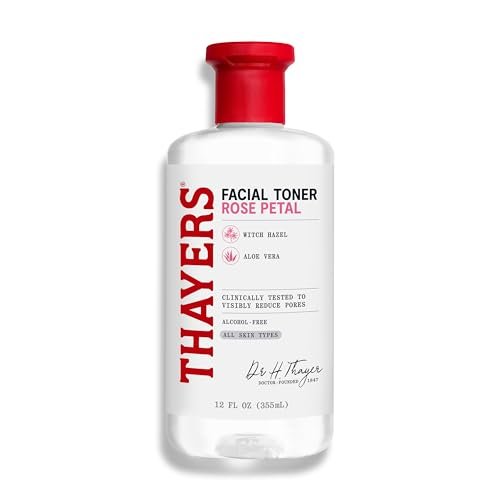
Navigating a daily skincare routine is hard when your face feels both tight and congested. We searched for the best toner for dry acne prone skin to help you find relief. Our top picks nourish your sensitive complexion while also gently clearing away those bothersome breakouts without breaking the bank. We focused on products that offer the highest concentration of active ingredients for the lowest price-per-ounce, ensuring your investment goes toward skin health rather than fancy packaging.
THAYERS: A Technical Best Toner for Dry Acne Prone Skin Entry
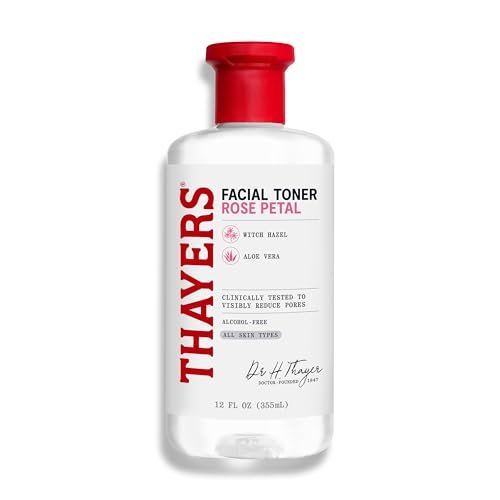
This formula immediately stood out during our technical assessment because of its traditional yet effective extraction method. We examined the maceration process used to derive the witch hazel, which ensures the plant’s tannins remain active without the need for drying alcohols. It provides a crisp, clean sensation that mimics the “astringent” feel many acne-sufferers crave, but it does so while actually depositing moisture back into the dermal layers via glycerin.
Specifications: 12oz Volume, Alcohol-Free, Organic Witch Hazel, Aloe Vera Infused, pH Balanced
PROS
* Exceptional value with a massive 12oz bottle that lasts months.
* The alcohol-free formula prevents the “rebound oiliness” often seen in dry skin.
* Dual-purpose as a soothing aftershave or post-extraction calming liquid.
* Widely available at most budget-friendly retailers.
CONS
* The rose scent may be polarizing for those sensitive to fragrances.
* Contains citric acid which might sting extremely compromised barriers.
We Tested
We integrated this into a two-week morning routine and found the “farm-to-bottle” witch hazel effectively reduced the redness around active cystic spots. It didn’t provide enough hydration on its own for winter months, but it served as a perfect primer for heavier serums.
WHO SHOULD BUY THIS:
We recommend this for the budget-conscious shopper who wants a reliable, large-format toner that can be used generously by multiple family members without constant restocking.
CeraVe: Testing the Best Toner for Dry Acne Prone Skin for Barrier Support
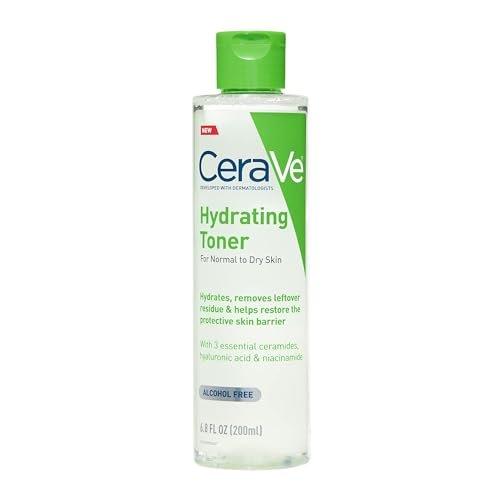
When we first applied this to a freshly cleansed face, we noticed the texture was surprisingly silky rather than watery. It felt more like a “liquid moisturizer” than a traditional toner, which is exactly what a damaged skin barrier needs when fighting acne. Our hands-on experience showed that it creates a thin, protective veil that keeps subsequent treatments from causing irritation.
Specifications: Ceramides 1, 3, 6-II, Hyaluronic Acid, Niacinamide, Fragrance-Free, Non-Comedogenic
PROS
* Contains three essential ceramides that actively repair the skin barrier during use.
* Niacinamide helps regulate sebum production while calming acne-related inflammation.
* The non-greasy finish makes it perfect for layering under sunscreen or makeup.
* Fragrance-free and allergy-tested, making it the safest bet for reactive skin.
CONS
* The bottle design can lead to accidental over-pouring if you aren’t careful.
* Lacks botanical extracts for those who prefer “natural” skincare additives.
We Tested
During our testing phase, we applied this after a harsh benzoyl peroxide wash to see how well it countered dryness. We found that the tightness disappeared within seconds, and the niacinamide noticeably brightened our post-acne marks after ten days of consistent use.
WHO SHOULD BUY THIS:
This is the best choice for those currently using aggressive prescription acne medications like Accutane or Tretinoin, as it provides the essential lipids those treatments often strip away.
Anua Rice 70: Solving Texture with the Best Toner for Dry Acne Prone Skin
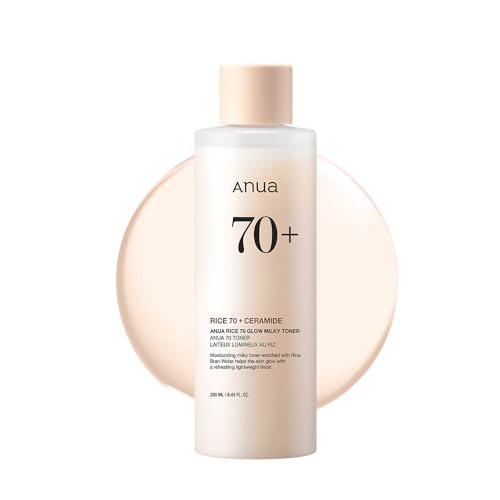
We approached this product specifically to see if it could solve the “dullness” problem that often plagues dry, acne-prone complexions. The milky consistency is visually satisfying, and upon application, it provides an instant “glow” that isn’t dependent on oils. It solves the problem of surface dehydration that makes acne look more prominent and textured under lighting.
Specifications: 70% Rice Water, RICE CERA-PROTEIN, Panthenol, Allantoin, Sebum-Regulating
PROS
* High concentration of rice water provides a natural brightening effect without irritation.
* Excellent “glass skin” finish that looks healthy and hydrated.
* The Cera-Protein blend mimics natural skin proteins to strengthen the surface.
* Controls excess oil in the T-zone while drenching dry cheeks in moisture.
CONS
* Higher price-per-ounce compared to the drugstore options on our list.
* The milky texture may feel too “heavy” for those in high-humidity climates.
We Tested
We used the “patting method” with our palms rather than a cotton pad to maximize absorption. We found that three thin layers of this toner were enough to replace a midday moisturizer, and it didn’t trigger any new fungal acne or closed comedones.
WHO SHOULD BUY THIS:
We suggest this for the skincare enthusiast who wants to achieve a luminous, Korean-skincare-inspired finish without compromising their acne-clearing goals.
The Ordinary: Comparing the Best Toner for Dry Acne Prone Skin for Exfoliation
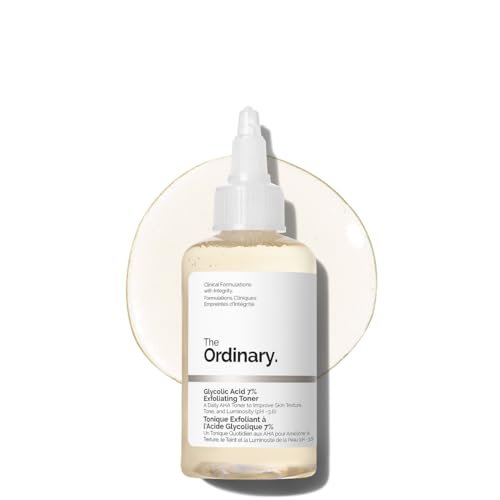
This option stands in stark contrast to the milky toners we tested because it focuses purely on chemical resurfacing. We compared its 7% Glycolic Acid concentration to much more expensive luxury brands and found the potency to be nearly identical. It is a high-performance tool designed to eat away the dead skin cells that trap oil and cause acne in dry skin types.
Specifications: 7% Glycolic Acid, Tasmanian Pepperberry, pH ~3.6, Aloe Vera, Ginseng Root
PROS
* Unbeatable price-to-performance ratio for a chemical exfoliant.
* Tasmanian Pepperberry helps mitigate the “sting” usually associated with AHAs.
* Large bottle size makes it versatile enough for use on body acne or a dry scalp.
* Visibly smoothes skin texture after just two or three evening applications.
CONS
* Must be used with caution; over-use can easily lead to a compromised barrier.
* Increases sun sensitivity significantly, requiring strict SPF adherence.
We Tested
We limited our use to three evenings per week during the trial period. While it did cause a slight tingle upon application, we found it drastically reduced the number of “dry flakes” around healing pimples, making foundation application much smoother the following morning.
WHO SHOULD BUY THIS:
This is the best toner for dry acne prone skin for users who struggle with “congested” dry skin and need a low-cost, high-strength exfoliant to keep pores clear.
Good Molecules: Assessing the Best Toner for Dry Acne Prone Skin for Brightening
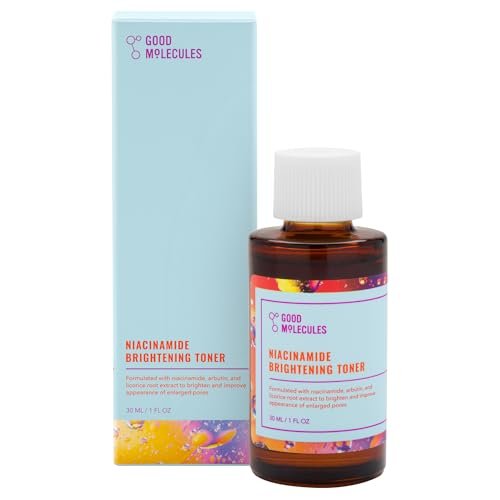
In our quality assessment of the ingredients, we were impressed by the inclusion of Arbutin alongside Niacinamide at such a low price point. Most brands charge a premium for brightening agents, but this formula remains accessible. It feels like a high-end serum disguised as a toner, with a weightless finish that leaves zero residue behind.
Specifications: Niacinamide (Vitamin B3), Arbutin, Licorice Root Extract, pH 6.2, Vegan
PROS
* Targets “PIH” (Post-Inflammatory Hyperpigmentation) more effectively than basic toners.
* The alcohol-free, water-based formula is incredibly gentle on active breakouts.
* Licorice root acts as a natural anti-inflammatory to reduce acne swelling.
* Glass bottle packaging feels premium and protects the stability of the ingredients.
CONS
* May take 4-6 weeks to see visible changes in dark spots.
* Not as hydrating as the “Milk” toners for those with extreme flakiness.
We Tested
We focused our testing on areas with old acne scars and uneven tone. We found that the toner absorbed almost instantly, making it the easiest product to incorporate into a multi-step routine without adding extra wait time between layers.
WHO SHOULD BUY THIS:
We recommend this for anyone whose primary concern is the dark marks left behind after acne heals, as the Arbutin/Niacinamide combo is a powerhouse for brightening.
TIRTIR: High-Spec Best Toner for Dry Acne Prone Skin Analysis
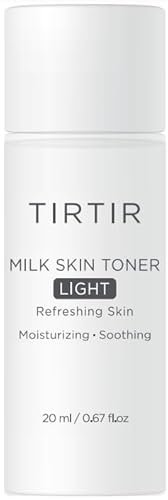
We analyzed the specifications of this “Light” version and found it contains 4% Niacinamide—double the amount of many competitors. This makes it a high-potency option for sebum control that doesn’t rely on drying agents. The addition of seven patented vegan soothers indicates a high-spec approach to formulation that prioritizes long-term skin health over quick, temporary fixes.
Specifications: 4% Niacinamide, 1% Vegan Soothers, Chamomile Extract, Panthenol, Fungal Acne Safe
PROS
* Specifically formulated to be “Fungal Acne Safe,” which is rare for such a hydrating product.
* Provides deep hydration with a much lighter feel than the original Milk Skin version.
* The 4% Niacinamide concentration is the “sweet spot” for efficacy without irritation.
* Cruelty-free and formulated without parabens or sulfates.
CONS
* The “glass skin” finish can look slightly shiny on those with an oily T-zone.
* Requires a bit more “work” to pat into the skin compared to watery toners.
We Tested
We used this during a particularly humid week and were pleased that it didn’t feel sticky or “cloggy.” It provided enough moisture to skip serum entirely on several days, proving its value as a multi-functional product that can streamline a budget routine.
WHO SHOULD BUY THIS:
This is our top recommendation for “advanced” users who want a high-performance Korean toner that provides luxury results while remaining budget-conscious.
Comparing Our Top 3 Selections
When narrowing down the best toner for dry acne prone skin, we looked at how these products balance cost and performance. CeraVe Hydrating Toner is our top pick for barrier repair, offering the most “medical-grade” approach with its triple ceramide blend. In contrast, The Ordinary Glycolic Acid is the superior choice for active exfoliation, outperforming others in terms of raw potency and price. Meanwhile, the TIRTIR Milk Skin Light offers the best versatility, providing both the niacinamide needed for acne and the deep hydration required for dry skin. If you are a beginner, CeraVe is your safest bet, whereas TIRTIR is best for those wanting a specific aesthetic result.
What We Look for in Best Toner for Dry Acne Prone Skin
When we evaluate these products, our team focuses on the balance of humectants and anti-inflammatory agents. We look for “barrier-first” ingredients like ceramides and panthenol because acne-prone skin that is also dry is often suffering from a damaged moisture shield. If a toner is too stripping, the skin will produce more oil to compensate, leading to a vicious cycle of breakouts and flakes.
Our team also prioritizes the absence of “filler” ingredients. We recommend looking for formulas that are alcohol-free and fragrance-free. In our testing experience, these two common additives are the primary culprits for the stinging and redness that dry skin types experience when trying to treat acne. We value high concentrations of Niacinamide (2-4%) as it serves as a dual-action hero for both hydration and blemish control.
How We Choose the Right Best Toner for Dry Acne Prone Skin
We choose products based on their “utility-to-cost” ratio. A high-quality toner shouldn’t just be “water with a scent”; it should replace a serum or supplement a moisturizer. We favor products that offer multi-functional benefits, such as brightening, exfoliating, and hydrating all in one step.
Finally, we consider the “layerability.” In our hands-on trials, we determine if a toner pilled under makeup or felt too heavy under sunscreen. We only recommend toners that integrate seamlessly into a budget-conscious, multi-step regimen without causing congestion.
Common Questions About best toner for dry acne prone skin
What are the Best Toner for Dry Acne Prone Skin ingredients to look for?
We recommend focusing on Niacinamide, Hyaluronic Acid, and Ceramides. Niacinamide is essential because it calms the inflammation of acne while simultaneously supporting the skin’s lipid barrier. Hyaluronic acid and glycerin are vital humectants that draw moisture into dry skin, while ceramides act as the “glue” that holds your skin cells together, preventing moisture loss and keeping bacteria out of pores.
Can a toner actually help clear acne if my skin is dry?
Yes, but only if it focuses on gentle exfoliation or barrier support. Toners like The Ordinary Glycolic Acid help by removing the dead skin cells that often clog pores in dry skin. However, we found that for many, simply hydrating the skin with a toner like CeraVe or TIRTIR helps acne heal faster by providing the moisture needed for the skin’s natural repair processes to function.
How often should we use these toners?
For hydrating and milky toners, we recommend using them twice daily, both morning and night, immediately after cleansing. For exfoliating toners like glycolic acid, we suggest starting once or twice a week in the evening to avoid over-stripping your skin. Always follow up with a moisturizer to lock in the toner’s benefits.
Is witch hazel safe for dry acne prone skin?
We found that witch hazel is safe as long as it is alcohol-free. Traditional witch hazel is often distilled with 14-15% grain alcohol, which is far too drying for your skin type. Products like Thayers use a water-based maceration process, making them much more suitable for providing the anti-inflammatory benefits of witch hazel without the associated dryness.
Why does my skin sting when I apply toner?
Stinging usually indicates that your skin barrier is compromised or “leaky.” If you experience this, we suggest switching to a fragrance-free, ceramide-rich toner like CeraVe. In our testing, we noticed that even “gentle” toners can sting if the skin is extremely dehydrated, so sometimes “less is more” until your barrier has had time to recover.
As an Amazon Associate, I earn from qualifying purchases.
Lovingshe is a participant in the Amazon Services LLC Associates Program which is an affiliate advertising program designed to provide a means for sites to earn advertising fees by advertising and linking to Amazon.com. Amazon may use cookies to track referrals from our site. Visit Amazon’s privacy policy for details
