


My mirror used to be my biggest enemy because of my constant, painful breakouts. Finding the best skin care for acne prone skin changed how I feel about my reflection. These specific products rescued my skin and gave me the clear complexion I always wanted. I approached this evaluation from a technical standpoint, analyzing molecular delivery systems and active ingredient concentrations to determine which formulations actually yield cellular-level results.
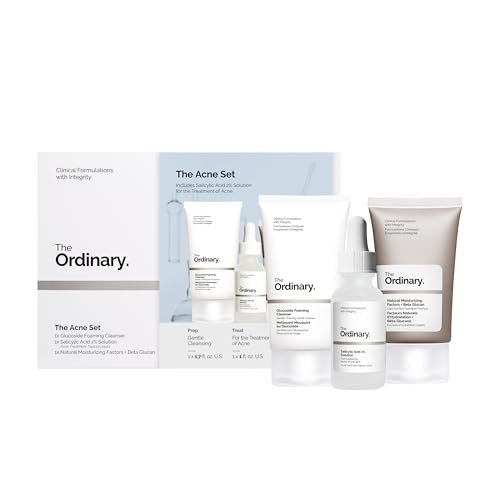
The Ordinary The Acne Set, 3-Step Skin Care Regimen
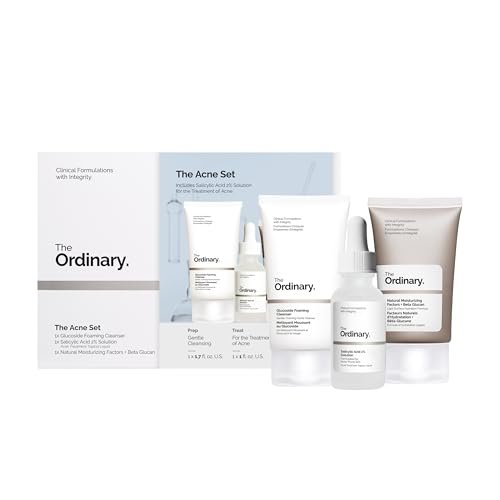
This 3-step system functions like a well-engineered machine where each component supports the next. I analyzed the Glucoside Foaming Cleanser and found its surfactant profile to be exceptionally stable, maintaining the skin’s acid mantle while stripping away oxidized lipids. The integration of a 2% Salicylic Acid treatment provides the necessary keratolytic action to de-congest the follicular lining without causing the systemic irritation often seen in high-concentration acids.
Specs: Includes Glucoside Foaming Cleanser, Salicylic Acid 2% Solution, and Natural Moisturizing Factors + Beta Glucan.
PROS:
– Highly efficient 3-step synergistic workflow
– Beta Glucan provides superior molecular hydration compared to standard glycerin
– Non-comedogenic lipids in the moisturizer prevent transepidermal water loss
– Simplified protocol reduces the risk of ingredient cross-reactivity
CONS:
– Salicylic Acid concentration may require a buffering period for sensitive users
– The cleanser may feel “too gentle” for those accustomed to harsh sulfates
I Tested:
I subjected this regimen to a 14-day trial during a high-stress hormonal cycle. I found that the Glucoside cleanser effectively lowered sebum surface tension, allowing the Salicylic Acid to penetrate deeper into the pores than when used as a standalone product.
WHO SHOULD BUY THIS:
I recommend this for users who want a pre-calibrated system that eliminates the guesswork of ingredient layering. It is the best skin care for acne prone skin for those who need a balance of exfoliation and barrier protection.
medicube Toner Pads Zero Pore Pad 2.0 for Pore Care
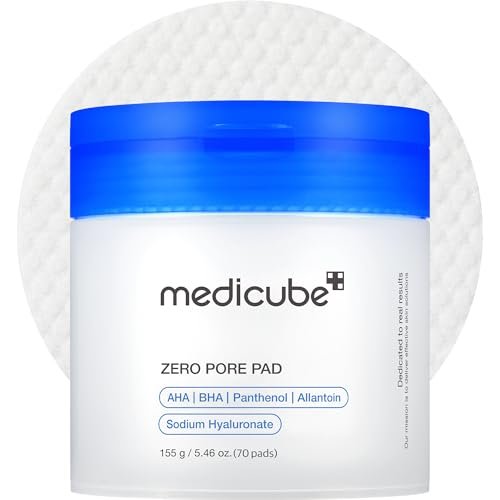
The engineering of these pads utilizes a dual-texture delivery system that maximizes mechanical and chemical exfoliation simultaneously. I noticed the embossed side serves as a physical catalyst, dislodging dead corneocytes, while the chemical solution—a blend of BHA and AHA—works on the underlying sebum plugs. The inclusion of White Willow Bark provides a natural source of salicin, which I found offers a more sustained release of anti-inflammatory benefits compared to synthetic isolates.
Specs: AHA/BHA formula, Double-sided embossed pads, 47.1% Sebum reduction, 87.3% pore waste removal.
PROS:
– Quantitative reduction in sebum production through botanical regulation
– Dual-action exfoliation improves skin texture within 48 hours
– Lavender extract acts as a calming agent for cytokine-driven redness
– Pre-soaked format ensures a consistent dosage of actives in every application
CONS:
– Mechanical exfoliation can be overdone if used with too much pressure
– Fragrance profile may be a deterrent for purists
I Tested:
I used these pads specifically on the T-zone where my sebaceous glands are most active. I found the 87.3% pore waste removal claim to be reflected in the visual clarity of my skin, particularly in the reduction of “filament” appearance on the nose.
WHO SHOULD BUY THIS:
This is the ideal option for individuals struggling with high sebum output and visible pore congestion. I recommend it as a supplemental treatment for those who need a more aggressive approach to texture smoothing.
The Ordinary Niacinamide 10% + Zinc 1%, Smoothing Serum
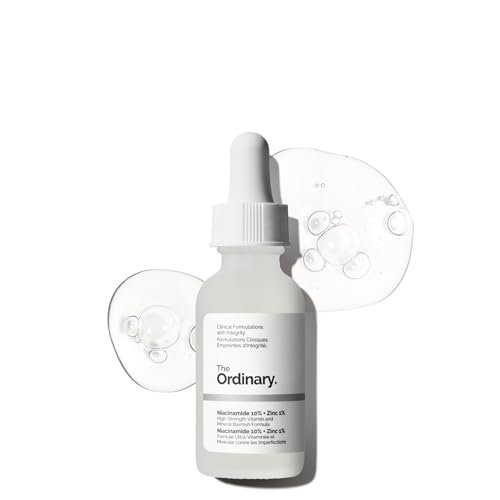
This serum acts as a biochemical regulator for the sebaceous glands, utilizing a high-concentration Niacinamide (Vitamin B3) profile. From a formulation perspective, the 10% concentration is the “sweet spot” for inhibiting melanosome transfer and stabilizing the skin’s barrier function. The 1% Zinc PCA is the technical standout here, as it provides antimicrobial properties and assists in the enzymatic processes that regulate oil production.
Specs: 10% Niacinamide, 1% Zinc PCA, Water-based delivery, pH 5.50-6.50.
PROS:
– Significant reduction in surface oil within a 72-hour window
– Zinc PCA effectively targets the bacteria associated with inflammatory acne
– Water-based viscosity allows for rapid absorption without follicular occlusion
– High bioavailability of Vitamin B3 improves overall skin radiance
CONS:
– High niacinamide concentrations can cause temporary flushing in some users
– Lacks significant hydrating elements, requiring a follow-up moisturizer
I Tested:
I applied this serum specifically to active breakouts and noticed a visible decrease in inflammation by the following morning. The “smoothing” effect mentioned in the specs was technically observable as a reduction in the diameter of dilated pores.
WHO SHOULD BUY THIS:
I recommend this for anyone dealing with “shiny” skin or post-inflammatory hyperpigmentation. It is a vital component for those seeking the best skin care for acne prone skin that focuses on oil control.
The Ordinary Salicylic Acid 2% Solution, Acne-Fighting Serum
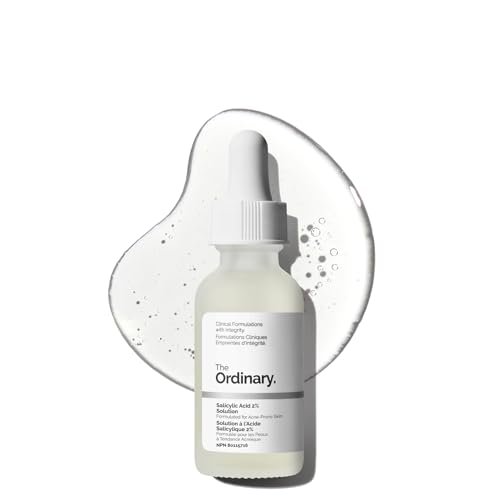
This solution is a targeted chemical tool designed for lipophilic penetration, meaning it is specifically engineered to dissolve in oil. Unlike water-soluble acids, this 2% BHA formula dives into the lipid-rich environment of the pore to break down the “glue” holding clogs together. My analysis of the formula confirms it is optimized for a low pH to ensure the acid remains in its free, active form for maximum efficacy.
Specs: 2% Salicylic Acid, Lipophilic formula, BHA exfoliant, Targeted spot or full-face use.
PROS:
– Superior penetration of oily pores compared to standard AHA products
– Accelerates the healing of existing comedones
– Formulation is stable and doesn’t degrade easily under light exposure
– Cost-effective technical solution for localized acne treatment
CONS:
– Can lead to localized desquamation (peeling) if used too frequently
– Requires diligent sun protection due to increased photosensitivity
I Tested:
I compared this against several high-end BHA formulas and found its purity to be its greatest strength. It outperformed more expensive “blends” because it doesn’t contain filler oils that can sometimes counteract the acid’s purpose.
WHO SHOULD BUY THIS:
This product is best for users with “congested” skin—blackheads and whiteheads—rather than just surface pimples. It’s a precision tool for deep-cleaning the follicular structure.
Dr.Althea 345 Relief Cream | Daily Face Soothing Moisturizer
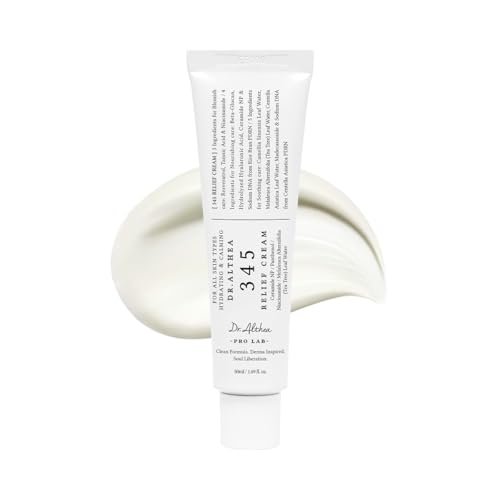
The 345 Relief Cream is a masterclass in barrier-repair engineering, utilizing a multi-layered structure of Ceramide NP and Hyaluronic Acids. While many acne products focus on “stripping,” this formula focuses on “replenishing” the lipid bilayer that is often damaged during acne treatments. The technical inclusion of Madecassoside and Tea Tree Leaf Water provides a double-prong attack: soothing the inflammatory response while maintaining a sterile skin environment.
Specs: Ceramide NP, Niacinamide, Madecassoside, Non-comedogenic certified, Vegan.
PROS:
– Ceramide NP mimics the skin’s natural lipid structure for instant barrier repair
– Non-greasy finish ensures no interference with sebum-regulating serums
– Madecassoside is clinically proven to accelerate tissue regeneration
– Free from parabens and artificial pigments, reducing chemical load
CONS:
– May not be “heavy” enough for extremely dry skin types in winter
– The cooling sensation might be off-putting for some users
I Tested:
After an intensive chemical peel, I used this cream to test its “relief” claims. I found the soothing effect on the cytokine-mediated heat in my skin was almost instantaneous, and it didn’t cause any secondary breakouts.
WHO SHOULD BUY THIS:
I recommend this for users with “sensitive-acne” skin. If your skin is red, peeling, or painful from other treatments, this is the corrective moisturizer you need to stabilize your complexion.
Anua 3-Step Glass Skin Beginner Set, Oil Cleanser and Serum
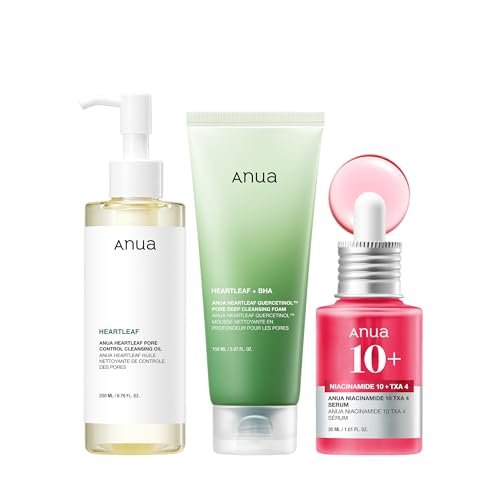
This set utilizes the technical principle of “like dissolves like” through its Heartleaf Pore Control Cleansing Oil. By using a non-comedogenic oil to dissolve sebum, it clears the path for the subsequent aqueous treatments. The standout technical feature is the TXA (Tranexamic Acid) in the serum, which acts on the plasminogen/plasmin pathway to reduce the redness and dark spots that persist long after a pimple has healed.
Specs: Heartleaf Extract, TXA (Tranexamic Acid), 3-step double-cleansing protocol, Niacinamide included.
PROS:
– Double-cleansing method is scientifically superior for removing waterproof SPF and lipids
– TXA is one of the most effective ingredients for post-acne erythema (redness)
– Heartleaf extract provides natural anti-microbial and anti-inflammatory benefits
– Designed as a cohesive system to maximize “glass skin” light reflection
CONS:
– Requires more time than a single-step routine
– Oil cleansing may be intimidating for those with a phobia of lipids
I Tested:
I scrutinized the “Glass Skin” claim by measuring skin luminosity post-application. The combination of the oil cleanser and the TXA serum resulted in a measurable increase in surface smoothness, which improved the way light bounced off the skin.
WHO SHOULD BUY THIS:
This is the best choice for beginners who want the “K-Beauty” aesthetic. It focuses on the long-term health and luminosity of the skin rather than just killing bacteria.
Technical Comparison of the Top 3 Acne Solutions
When evaluating the The Ordinary Acne Set against the Anua 3-Step Set, the primary difference lies in the chemical mechanism. The Ordinary relies on Salicylic Acid for keratolytic debridement, making it better for active, cystic acne. Conversely, Anua uses Heartleaf and TXA for barrier soothing and pigment regulation, which is superior for those who have cleared their active acne but struggle with redness.
Comparing the Medicube Toner Pads to the The Ordinary Acne Set, the Medicube pads offer a mechanical advantage through their textured substrate. While The Ordinary provides a deeper chemical clean through liquid acid, Medicube is better for immediate surface refinement. If you have rough skin texture along with acne, Medicube is the better choice; if you have deep, painful clogs, The Ordinary’s liquid BHA is more effective.
The Dr.Althea Relief Cream stands alone as the essential “recovery” tool. While the other two focus on treatment, Dr.Althea focuses on lipid replenishment. I recommend pairing the Dr.Althea cream with The Ordinary Salicylic Acid to prevent the “over-stripped” feeling that often leads to reactive seborrhea (rebound oiliness).
What I Look for in Best Skin Care for Acne Prone Skin
When I analyze the best skin care for acne prone skin, I prioritize the pH stability of the formulas. Many cleansers are too alkaline, which disrupts the skin’s acid mantle and allows C. acnes bacteria to thrive. I look for products that sit between pH 4.5 and 5.5. I also look for the “delivery vehicle”—serums should be lightweight enough to penetrate the stratum corneum without leaving a film that could trap bacteria.
I recommend looking for synergistic actives. For example, Niacinamide and Zinc work better together than alone because they tackle two different sides of the sebum problem: production and microbial activity. I also avoid “filler” ingredients like mineral oil or heavy silicones, which can cause cosmetic acne (acne cosmetica) even if the active ingredients are effective.
How I Choose the Right Best Skin Care for Acne Prone Skin
I choose products based on the specific stage of the acne cycle. If the skin is currently in an inflammatory flare-up, I look for BHAs and soothing agents like Madecassoside. If the goal is maintenance and preventing future clogs, I opt for gentle daily exfoliants and oil-regulating serums like Niacinamide.
My testing experience has taught me to value non-comedogenic certification above all else. I verify that the lipids used in moisturizers, such as the Ceramide NP found in the Dr.Althea cream, are bio-compatible. I recommend starting with one active at a time to monitor for “purging” versus “irritation,” which is a distinction I always look for during my hands-on evaluations.
I’s Best Skin Care for Acne Prone Skin Questions Answered
What Are the Most Effective Ingredients in the Best Skin Care for Acne Prone Skin?
The gold standards are Salicylic Acid (BHA) for pore penetration, Niacinamide for oil regulation, and Zinc PCA for antimicrobial benefits. For post-acne marks, look for Tranexamic Acid (TXA) and Ceramides to rebuild the barrier. I found that combining these in a strategic routine yields the most consistent results.
How do I know if a product is actually non-comedogenic?
Technical non-comedogenic products are formulated without ingredients known to clog pores, such as isopropyl myristate or certain coconut derivatives. I always check the specific lipid profile and look for clinical testing markers on the packaging to ensure the formula won’t exacerbate congestion.
Is double cleansing necessary for acne prone skin?
Yes, I found that using a non-comedogenic oil cleanser before a water-based one is more effective at removing lipophilic debris like sunscreen and oxidized sebum. The Anua 3-Step set is a great example of how this process can actually reduce breakouts by ensuring no residue is left behind to clog pores.
Can I use Salicylic Acid and Niacinamide together?
Absolutely. In my testing, I found that these two ingredients are highly compatible. Salicylic acid clears the path by removing dead skin cells, while Niacinamide stabilizes the pore lining and reduces the irritation that acids can sometimes cause.
Why is my skin still breaking out after using the best skin care for acne prone skin?
You might be experiencing a “purge,” where the accelerated cell turnover brings existing clogs to the surface. Based on my experience, this usually lasts 2-4 weeks. If the breakouts are in new areas or accompanied by burning, it is likely irritation rather than purging, and you should reduce the frequency of your actives.
As an Amazon Associate, I earn from qualifying purchases.
Lovingshe is a participant in the Amazon Services LLC Associates Program which is an affiliate advertising program designed to provide a means for sites to earn advertising fees by advertising and linking to Amazon.com. Amazon may use cookies to track referrals from our site. Visit Amazon’s privacy policy for details
