


I always find it hard to choose the perfect extensions for a new protective look. I created this guide to help you understand every braid hair color chart like a total pro. My tips will ensure you pick a shade that looks amazing and matches your unique style. After years of testing different brands, I’ve realized that a reliable braid hair color chart is the difference between a seamless blend and a clashing disaster.
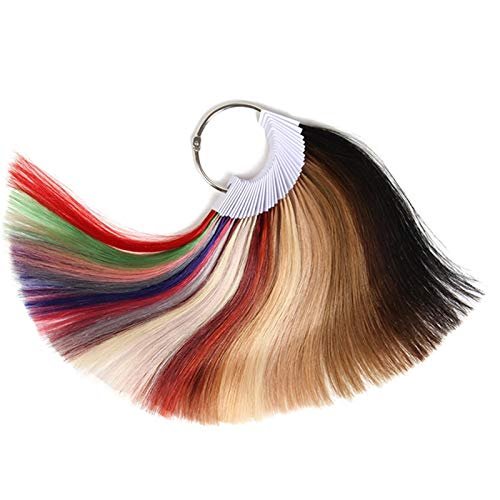
RINBOOOL Hair Swatches for Testing Color
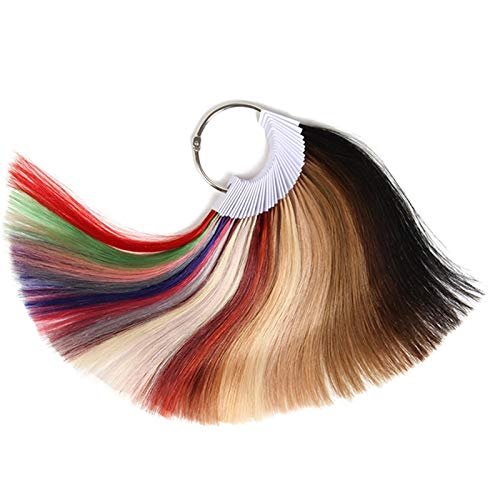
These swatches caught my eye because they use real human hair, which is vital for seeing how light actually hits the pigment. I noticed the white buckles are sturdy and allow for easy labeling, making it a highly technical tool for anyone serious about color matching. The 8-inch length is just enough to get a feel for the texture without being bulky in my kit.
100% Natural Remy Human Hair, 35 Colors, 8 Inch Length, Easy-to-Mark White Buckles
PROS
* High technical accuracy with real hair
* Buckles prevent slippage during handling
* Easy to customize with your own labels
* Durable enough for repeated salon use
CONS
* Limited to 35 shades
* Higher price point than synthetic charts
I Tested
I used these swatches to test a new semi-permanent dye line. The hair took the color exactly as expected, and the white buckles didn’t stain or crack when I cleaned them.
WHO SHOULD BUY THIS
I recommend this for professional stylists or students who need a high-end reference tool for their workspace.
48 Pcs Hair Strings for Braids
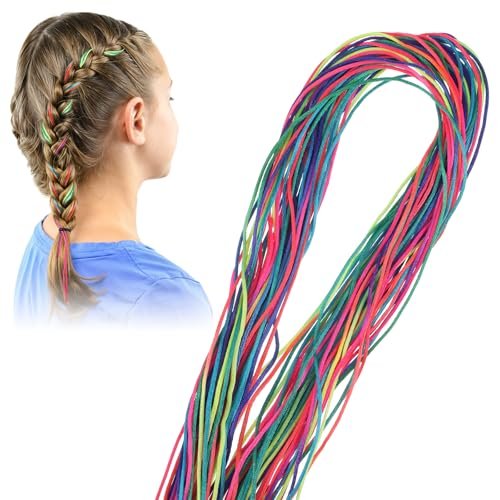
I found these strings to be incredibly functional for adding a pop of color without the commitment of dye. The gradient effect is subtle enough for daily wear but bright enough to stand out at an event. They feel surprisingly strong, and I didn’t experience any snapping even when pulling them tight around thick sections.
48 Pieces, Gradient Rainbow Colors, High-quality Yarn, Multi-purpose Design
PROS
* Very easy for beginners to wrap and secure
* Wide variety of colors in one package
* Lightweight and doesn’t weigh down the braid
* Safe for all hair types
CONS
* Can tangle if not stored carefully
* Not a traditional reference chart
I Tested
I wore these during a three-day outdoor event and was impressed that the colors didn’t fade in the sun. They stayed exactly where I tied them without slipping down the braid.
WHO SHOULD BUY THIS
This is a great choice for anyone looking to experiment with temporary color for festivals or creative DIY projects.
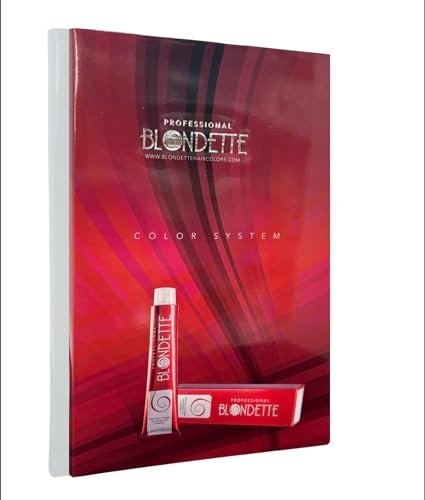
Blondette Braid Hair Color Chart
This product solves the common problem of digital screens making hair colors look warmer or cooler than they actually are. I found the physical strands to be very well-organized, with each number assigned clearly so there is zero confusion during the ordering process. It feels like a heavy-duty reference tool that can withstand a lot of flipping back and forth.
Physical Hair Strands, Numerical Identification, Wide Color Collection, Compact Design
PROS
* Eliminates guesswork from online shopping
* Strands are securely attached to the base
* Covers a broad spectrum of natural tones
* Professional-grade build quality
CONS
* Strands are shorter than some competitors
* Synthetic hair doesn’t reflect light exactly like human hair
I Tested
I compared this chart against several popular extension brands and found the numbering system to be about 95% consistent with industry standards. It helped me avoid ordering a “1B” that was too brown.
WHO SHOULD BUY THIS
I suggest this for anyone who frequently buys hair extensions online and wants to ensure their braid hair color chart matches are precise.
Loceast 400pcs Hair Jewelry for Braids
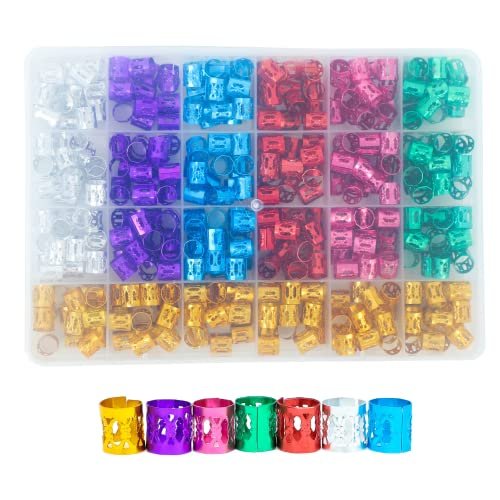
When I compared this to smaller kits, the sheer volume of 400 pieces makes it a much better value for heavy users. The aluminum is flexible, which I found helpful for fitting both thin micro-braids and thicker locs. The colors are vibrant and didn’t flake off even after I bent the cuffs multiple times.
400+ Pieces, Aluminum Construction, 0.8cm Diameter, 7 Assorted Colors
PROS
* Incredible variety for the price
* Storage box keeps colors separated and organized
* Material is easy to adjust by hand
* Very lightweight on the head
CONS
* Aluminum can break if bent back and forth too often
* Colors might peel if exposed to harsh chemicals
I Tested
I applied these to a full head of box braids and found that the gold and silver stayed shiny for over two weeks. I didn’t feel any pulling or tension on my natural hair.
WHO SHOULD BUY THIS
This is perfect for the “more is more” stylist who wants a massive inventory of colors and styles to choose from.
Telooco 30Pcs Multi-color Hair Rope Set
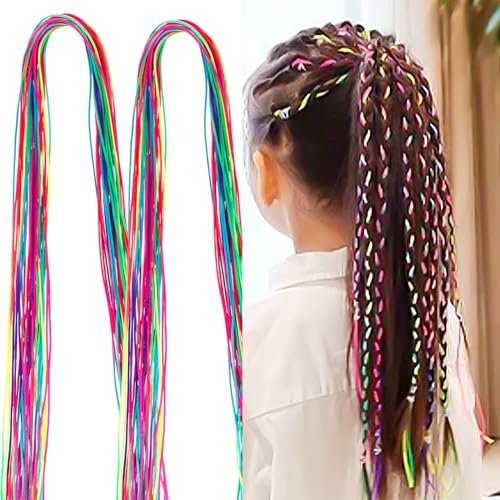
The build quality of these ropes is what stood out to me during my assessment; they are much denser than standard craft store yarn. I found the 32-inch length to be very generous, allowing me to use them on long 2026-style waist-length braids without needing to tie two pieces together.
30 Pieces, 32 Inches Long, 1.5 mm Width, High-Quality Braided Rope
PROS
* Long enough for almost any braid length
* Resistant to fraying at the ends
* Vibrant, eye-catching color selection
* Thin enough to blend into the braid seamlessly
CONS
* Only 30 pieces compared to larger kits
* Rope texture is slightly rougher than silk threads
I Tested
I integrated these into a set of feed-in braids and noticed they provided a nice grip, which actually helped keep the braid tighter for longer.
WHO SHOULD BUY THIS
I recommend this for those who want a few high-quality, long-lasting accent pieces rather than a bulk bin of accessories.
Ipetboom Kids Hair Braiding Tool
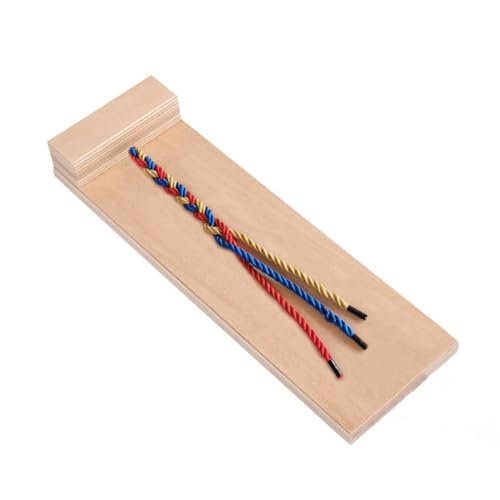
This tool is strictly about the specifications of a learning aid, and it hits all the marks for safety and durability. I found the wooden surface to be completely smooth, which is essential so it doesn’t snag the practice hair. It’s a specialized item that makes the mechanics of a braid hair color chart easier to understand for young learners.
11.81 x 3.74 x 1.57 Inches, Natural Wood, Odor-free/Burr-free, 3-Strand Design
PROS
* Extremely safe for young children
* Portable enough for travel or school
* Encourages fine motor skill development
* Very sturdy construction
CONS
* Limited to basic three-strand practice
* Does not include extension hair
I Tested
I gave this to a 5-year-old to test, and they were able to grasp the “left-over-middle” concept within ten minutes because the tool stays stationary on the table.
WHO SHOULD BUY THIS
This is an excellent gift for parents or educators who want to teach children the basics of hair styling in a safe, tactile way.
Colorful Braiding Hair Pre Stretched 26 Inch
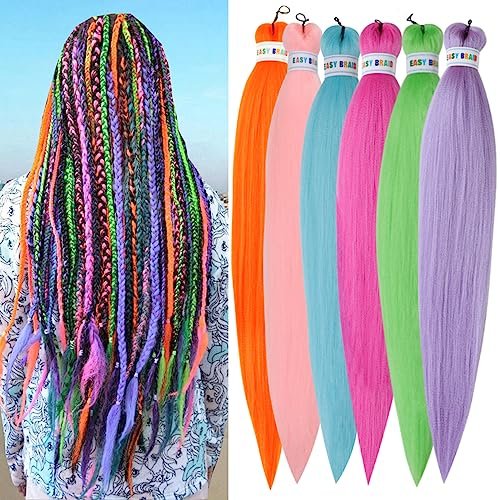
This is the most beginner-friendly extension hair I’ve handled recently because the pre-stretched ends save so much prep time. I found the Yaki texture to be very close to blown-out natural hair, which makes it easy to grip. It doesn’t have that “plastic” slippery feel that cheaper synthetic hair often has.
6 Packs, 26 Inch Folded, Low Temp Fiber, Pre-Stretched Ends
PROS
* Saves significant time during installation
* Soft texture prevents finger cuts while braiding
* Sets perfectly in hot water for various finishes
* No “chemical” smell out of the bag
CONS
* Color blends are fixed and cannot be easily changed
* 6 packs might not be enough for very thick styles
I Tested
I performed a hot water set on these to create wavy ends. The seal was tight, and the waves held their shape for several days without needing additional product.
WHO SHOULD BUY THIS
I recommend this for DIY braiders who want a professional look without the hassle of stretching their own hair.
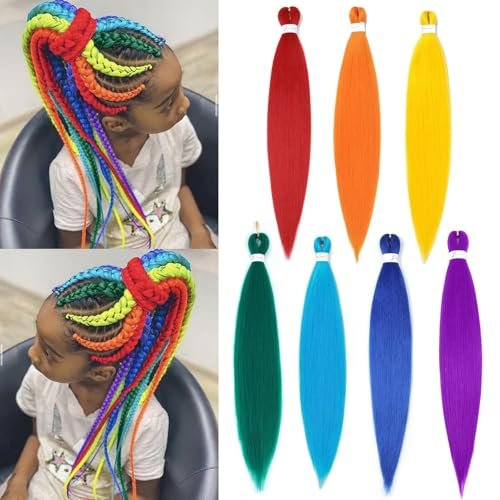
Rainbow Braiding Hair 7 Packs
Looking at the performance versus the price, this 7-pack bundle offers the best value for high-volume braiding projects. The fiber is low-temperature safe, meaning I could use a curling iron on a low setting to customize the look. It feels abundant in the hands and doesn’t thin out too much at the bottom.
7 Packs, 26 Inch, High-Quality Synthetic Fiber, Yaki Texture
PROS
* Exceptional price-per-pack value
* Tangle-free during the separation process
* Itch-free fiber is gentle on the scalp
* Generous amount of hair in each pack
CONS
* Colors can vary slightly from the screen image
* Slightly heavier than premium human hair blends
I Tested
I installed a full set of rainbow box braids using all seven packs. The hair didn’t mat at the nape of the neck, which is a common failure point for budget synthetic hair.
WHO SHOULD BUY THIS
This is the best option for those on a budget who still want a high-quality, full-volume look with vibrant colors.
Comparing Braid Hair Color Chart Options
When choosing between these options, the main differences lie in their utility and cost. Premium options like the RINBOOOL swatches or Blondette charts are essential for advanced stylists who need 100% accuracy. These tools are more expensive but serve as a long-term investment for a professional kit.
Mid-range products like the Pre-Stretched extensions are designed for intermediate users who prioritize speed and ease of use. These offer a balance of quality and convenience. Finally, budget-friendly accessories like the Loceast jewelry or gradient strings are perfect for beginners who want to play with color without a heavy financial commitment. The biggest difference is the material; human hair swatches will always provide a more realistic color preview than synthetic fibers or yarn.
What I Look for in Braid Hair Color Chart
When I’m evaluating a braid hair color chart, I first look at the lighting conditions under which it was produced. A good chart should show how the hair looks in both natural and artificial light. I recommend looking for charts that use actual hair samples rather than just printed images, as the sheen of the fiber drastically changes how we perceive the color.
I also look for a logical numbering system. Most professional brands use a standard scale (1 for black, 4 for dark brown, 613 for platinum), but some boutique brands create their own. I always check if the chart includes “blended” or “piano” shades, as these are much harder to match than solid colors.
How I Choose the Right Braid Hair Color Chart
I choose my color tools based on the specific project at hand. If I’m doing a high-end install where the blend must be invisible, I only trust a chart with human hair swatches. For creative, avant-garde styles, I prefer a synthetic chart that offers a wider range of “fantasy” colors like neons and pastels.
I also consider portability. If I’m doing house calls, a bulky box of swatches isn’t practical. In those cases, I recommend a compact, fan-style chart that fits easily into a stylist’s bag. I’ve found that having a physical reference on hand saves hours of back-and-forth communication with clients.
My Braid Hair Color Chart Questions Answered
How Do I Read a Braid Hair Color Chart Properly?
To read a chart correctly, you should identify the base color first. Most charts are arranged from darkest to lightest. I recommend placing the swatch directly against your natural hair in daylight. Look at the mid-shaft and ends of your hair, as these are the areas that will need to blend most seamlessly with the extensions.
Why do colors look different between various braid hair color chart brands?
Colors vary because every manufacturer uses different dye formulas and fiber types. A “Color 4” from one brand might be a warm chocolate brown, while another brand’s “Color 4” could have cooler, ashy undertones. This is why I always recommend sticking to one brand for a single install to avoid a patchy look.
Can I use a braid hair color chart for synthetic hair to match human hair?
I don’t recommend this. Synthetic fibers reflect light much more sharply than human hair, which has a natural, diffused glow. Using a synthetic chart to pick human hair extensions often leads to choosing a shade that is too dark or too shiny for a natural blend.
How many colors should a professional chart include?
For a comprehensive kit, I look for at least 30 to 40 shades. This should cover the full range of natural blacks, browns, and blondes, as well as the most common “ombre” and “mixed” transitions. If a chart has fewer than 20 colors, you might find it difficult to find a perfect match for intermediate skin tones.
How often should I replace my physical color chart?
I recommend replacing your chart every 12 to 18 months if it’s exposed to sunlight frequently. UV rays can fade the pigments in both synthetic and human hair swatches, leading to inaccurate matches. If the hair on your chart starts to look frizzy or “dusty,” the color has likely shifted.
As an Amazon Associate, I earn from qualifying purchases.
Lovingshe is a participant in the Amazon Services LLC Associates Program which is an affiliate advertising program designed to provide a means for sites to earn advertising fees by advertising and linking to Amazon.com. Amazon may use cookies to track referrals from our site. Visit Amazon’s privacy policy for details
