


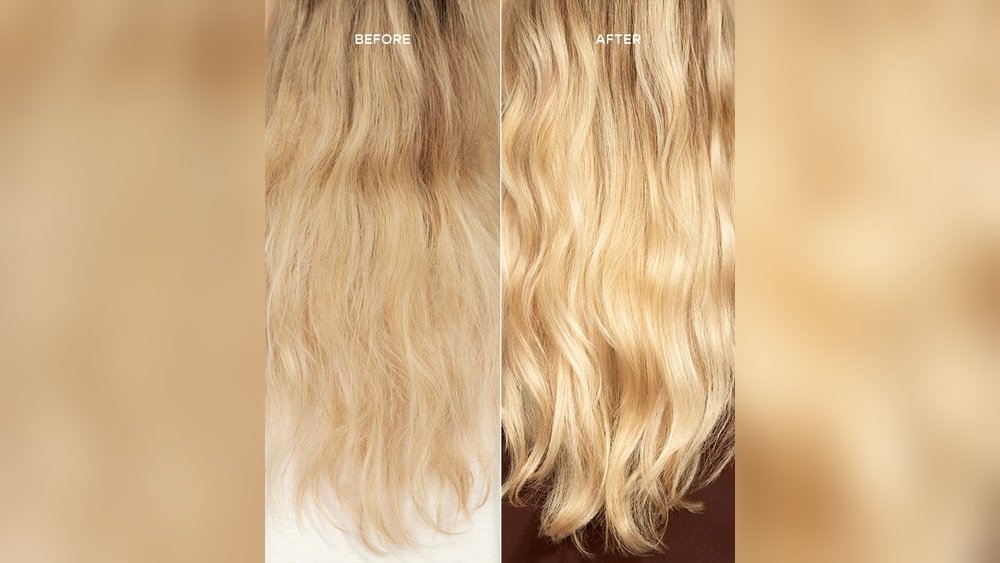
Are you struggling with dry, brittle hair and wondering if leave-in conditioner could be your secret weapon? You might have heard mixed advice about using leave-in conditioner on dry hair—some say it’s a game-changer, others warn it could weigh your hair down.
So, what’s the truth? Can you really apply leave-in conditioner to dry hair without making it greasy or heavy? You’ll discover how leave-in conditioner works on dry hair, the benefits you can expect, and the common mistakes to avoid. By the end, you’ll know exactly how to keep your dry hair soft, manageable, and healthy with the right routine.
Keep reading to unlock the best tips for your hair’s hydration and shine!
Benefits For Dry Hair
Leave-in conditioner offers many benefits for dry hair. It helps nourish and protect strands all day. Dry hair often feels rough and looks dull. Leave-in conditioner adds moisture without rinsing. It keeps hair soft and manageable for longer.
Using leave-in conditioner can improve hair texture and health. It works well on dry hair to reduce breakage. These benefits make it a helpful part of your hair care routine.
Deeper Hydration
Leave-in conditioner provides lasting moisture to dry hair. It penetrates the hair shaft to hydrate deeply. This helps prevent dryness and brittleness. Hydrated hair feels smoother and looks shinier. The product locks in moisture throughout the day.
Improved Detangling
Dry hair often tangles and knots easily. Leave-in conditioner softens hair strands. This makes combing or brushing easier. Less tangling means less hair breakage. It saves time and reduces pain during detangling.
Enhanced Curl Definition
Curls need moisture to stay defined and bouncy. Leave-in conditioner helps curls hold their shape. It reduces frizz and flyaways for a neat look. Curly hair looks healthier and more vibrant with it. The product supports natural curl patterns gently.
Drawbacks To Consider
Using leave-in conditioner on dry hair can seem like a quick fix for moisture and softness. It can help nourish strands without needing to wet hair first. Still, some important drawbacks need attention before making it a regular habit. These concerns may affect your hair’s health and appearance.
Uneven Application
Applying leave-in conditioner to dry hair often leads to uneven coverage. Dry strands absorb product differently, causing some areas to get too much. Other parts might remain dry and untreated. This unevenness can leave your hair looking patchy and feeling rough in places.
Weight And Buildup
Leave-in conditioners contain ingredients that add weight to hair. Using them on dry hair can cause heaviness, especially if applied in excess. Over time, product buildup may occur, making hair feel sticky or stiff. This buildup can block moisture and reduce natural shine.
Greasy Appearance
Leave-in conditioner on dry hair may create a greasy look. Without water to help spread the product thinly, it can sit on top of hair strands. This causes oiliness and dullness, making hair look dirty soon after application. Avoid using too much to keep hair fresh.
Choosing The Right Product
Choosing the right leave-in conditioner is key for dry hair care. The product you select can nourish without weighing hair down. It helps to understand what ingredients work best. This guides you to healthier, softer hair. Below, explore formulas designed for dry hair and ingredients to avoid.
Formulas For Dry Hair
Look for leave-in conditioners with hydrating ingredients. These include glycerin, aloe vera, and hyaluronic acid. They attract and lock moisture into the hair strands. Lightweight oils like argan or jojoba also add softness. Products labeled as moisturizing or nourishing often fit well. Avoid heavy creams that may sit on top without absorption.
Avoiding Heavy Ingredients
Heavy ingredients can cause build-up and weigh dry hair down. Stay away from silicones like dimethicone that block moisture. Also avoid mineral oils and petrolatum, which can seal out hydration. Thick butters like shea or cocoa butter may be too dense for some hair types. Choose products with simpler, lighter formulations for daily use.
:max_bytes(150000):strip_icc()/byr-leave-in-conditioner-curly-hair-test-not-your-mothers-curl-talk-before-after-dawn-turner-57976c6431fd4ffd90143ac133a948e1.jpeg)
Credit: www.byrdie.com
Application Tips On Dry Hair
Applying leave-in conditioner on dry hair requires a careful approach. Proper technique helps the product spread evenly. It prevents heaviness or greasy spots. Follow simple steps to get the best results and keep your hair soft and nourished.
Sectioning Hair
Divide your hair into small sections. This makes it easier to apply the conditioner evenly. Use clips or hair ties to hold each section apart. Work on one section at a time. This method ensures every strand gets enough product.
Proper Distribution
Apply the conditioner starting from the mid-lengths to the ends. Avoid the scalp to prevent oiliness. Use your fingers or a wide-tooth comb to spread the product. This helps distribute the conditioner without clumping or buildup.
Amount To Use
Start with a small amount of leave-in conditioner. Usually, a pea-sized amount works for short hair. For longer hair, increase slightly but avoid excess. Too much product can weigh hair down. Add more only if needed after checking the initial result.
When To Use Leave-in Conditioner
Leave-in conditioner is a versatile product that fits many hair care routines. Knowing the right time to use it helps keep hair healthy and soft. It works well for dry hair, adding moisture and protection without rinsing out. Using leave-in conditioner at the right moments boosts hair’s strength and shine.
Pre-shampoo Treatment
Apply leave-in conditioner before shampooing to protect hair from harsh cleansers. It creates a barrier that reduces dryness caused by washing. This step helps maintain moisture during shampooing. Leave the conditioner on for a few minutes before rinsing.
Daily Moisturizing
Use leave-in conditioner daily to keep dry hair hydrated. It adds light moisture without making hair greasy. Spray or apply a small amount to damp or dry hair. This routine prevents breakage and frizz throughout the day.
Styling Aid
Leave-in conditioner smooths hair and prepares it for styling. It helps detangle knots and reduces static. Apply before using heat tools to protect hair from damage. It also enhances natural curls or waves by defining them gently.
Mistakes To Avoid
Using leave-in conditioner on dry hair can improve softness and manageability. Avoid these common mistakes to get the best results. Proper use prevents buildup and keeps hair healthy.
Understanding how to apply leave-in conditioner helps you avoid issues like greasiness or scalp irritation. Follow these simple tips for smooth, hydrated hair.
Applying Too Much Product
Using too much leave-in conditioner weighs hair down. It can make hair look greasy and limp. Start with a small amount. Add more only if needed. This keeps hair light and nourished.
Putting On Scalp
Leave-in conditioner should not touch the scalp. It is meant for mid-lengths and ends only. Applying on the scalp can cause buildup. This may lead to itching or dandruff. Focus on dry strands instead.
Skipping Rinsing For Rinse-out Types
Some conditioners are rinse-out, not leave-in. Using rinse-out conditioner as leave-in leaves residue. This makes hair sticky and dull. Always check the label. Rinse out rinse-only conditioners fully before styling.
Alternatives For Dry Hair Care
Dry hair needs extra care to stay healthy and soft. Using leave-in conditioner is one way, but many other options exist. These alternatives nourish and protect dry hair without causing buildup. Choose the best method to keep hair smooth and manageable.
Hair Oils And Butters
Natural oils like coconut, argan, and jojoba deeply hydrate dry hair. Butters such as shea and mango provide intense moisture and seal in hydration. Apply a small amount to hair ends to reduce frizz and add shine. These oils and butters improve hair softness and strength.
Deep Conditioning Masks
Deep conditioning masks offer intensive moisture for dry hair. Use these treatments once or twice a week for best results. Masks penetrate the hair shaft and repair damage from dryness. They make hair softer, smoother, and easier to style.
Protective Hairstyles
Protective hairstyles reduce hair breakage and moisture loss. Styles like braids, buns, and twists keep hair safe from environmental stress. These hairstyles help retain natural oils and prevent tangling. Wearing protective styles gives dry hair a chance to heal and grow.
Credit: natureelixir.com

Credit: www.healthline.com
Frequently Asked Questions
What Are Common Mistakes When Using Leave-in?
Common mistakes with leave-in include using too much product, applying it to the scalp, and not distributing evenly through hair.
How Can I Moisturize My Dry Hair Without Washing It?
Apply a leave-in conditioner or hair moisturizer to dry hair. Seal moisture with natural oils like shea butter or avocado oil. Use a satin bonnet at night to retain hydration and avoid excessive heat styling.
What Happens If You Apply Conditioner To Dry Hair?
Applying conditioner to dry hair can provide intense moisture and easier detangling for thick or dry hair. It may define curls effectively. Uneven application might cause greasy spots or heaviness, especially in fine hair. Work it through thoroughly to avoid buildup and achieve better results.
Which Leave-in Conditioner Is Best For Dry Hair?
The best leave-in conditioner for dry hair hydrates deeply without weighing hair down. Products with shea butter, argan oil, or glycerin work well. Choose lightweight, nourishing formulas to restore moisture, reduce frizz, and protect hair from damage. Apply mainly to mid-lengths and ends for optimal results.
Conclusion
Leave-in conditioner can help dry hair stay soft and smooth. Use a small amount and focus on the ends. Avoid applying too much to prevent heaviness or greasiness. For best results, gently work the product into your hair. This method works well for thick or very dry hair types.
Remember, less is often more with leave-in conditioners. Keep your hair healthy by using the product regularly but not excessively. This simple care step can improve your hair’s moisture and manageability.
As an Amazon Associate, I earn from qualifying purchases.
Lovingshe is a participant in the Amazon Services LLC Associates Program which is an affiliate advertising program designed to provide a means for sites to earn advertising fees by advertising and linking to Amazon.com. Amazon may use cookies to track referrals from our site. Visit Amazon’s privacy policy for details
