


Are you tired of shaving or waxing every few days and wondering if laser hair removal could be the permanent solution you need? One of the most common questions people ask is, “How many sessions of laser hair removal do I actually need?”
The answer isn’t one-size-fits-all, but understanding the factors that influence the number of treatments can help you set realistic expectations and plan your journey to smooth, hair-free skin. You’ll discover how many sessions are typically required, why the number can vary, and what to expect along the way.
Keep reading to learn everything you need to know before booking your first appointment!
Credit: sevlaser.com
Laser Hair Removal Basics
Laser hair removal is a popular method to reduce unwanted hair. It uses focused light to target hair follicles. Understanding the basics helps set realistic expectations. Knowing how it works and why timing matters improves treatment results.
Each person’s hair grows differently. Treatments must match the hair growth cycle. This ensures the laser targets hair at the right stage. Let’s explore the key points about laser hair removal.
How Laser Hair Removal Works
The laser emits light absorbed by the pigment in hair follicles. This light turns into heat, damaging the follicle. Damaged follicles stop producing new hair. The process is precise and targets only hair roots. Surrounding skin remains unharmed. Multiple sessions increase the chance of permanent hair reduction.
Hair Growth Cycle And Treatment Timing
Hair grows in three stages: anagen, catagen, and telogen. The laser works best during the anagen phase. This is when hair is actively growing and attached to the follicle. Not all hairs are in this phase at once. Treatments must be spaced to catch hairs as they enter anagen. Usually, sessions occur every 4 to 8 weeks. This timing allows the laser to treat new hair growth effectively.

Credit: www.konmison.com
Number Of Sessions Needed
Understanding the number of sessions needed for laser hair removal helps set clear expectations. The total treatments depend on hair type, skin tone, and the area treated. Each session targets hair in its active growth phase, so multiple visits are necessary for best results.
Consistency and patience play key roles in achieving smooth, lasting skin. Let’s explore how many sessions you may need and what affects this count.
Typical Session Range
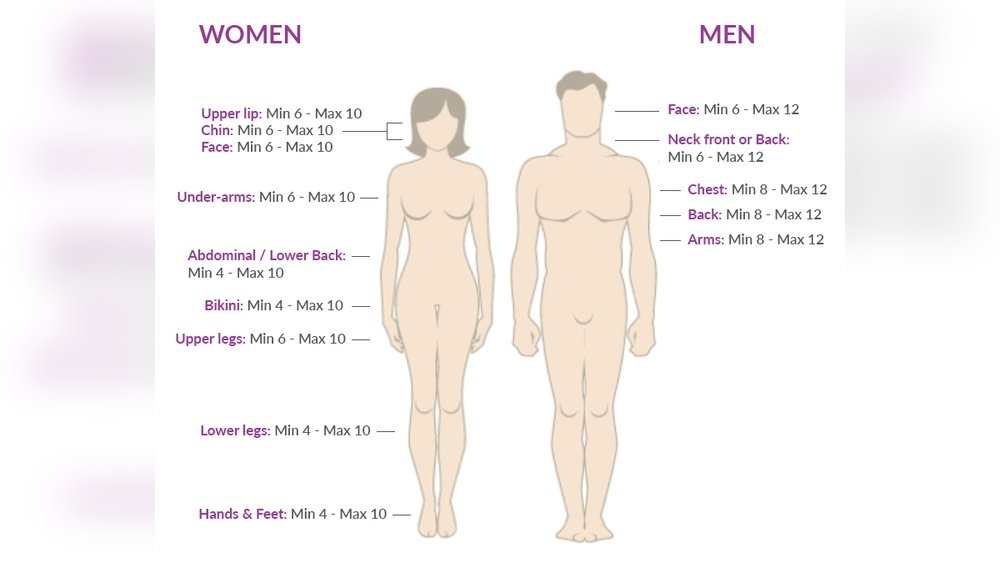
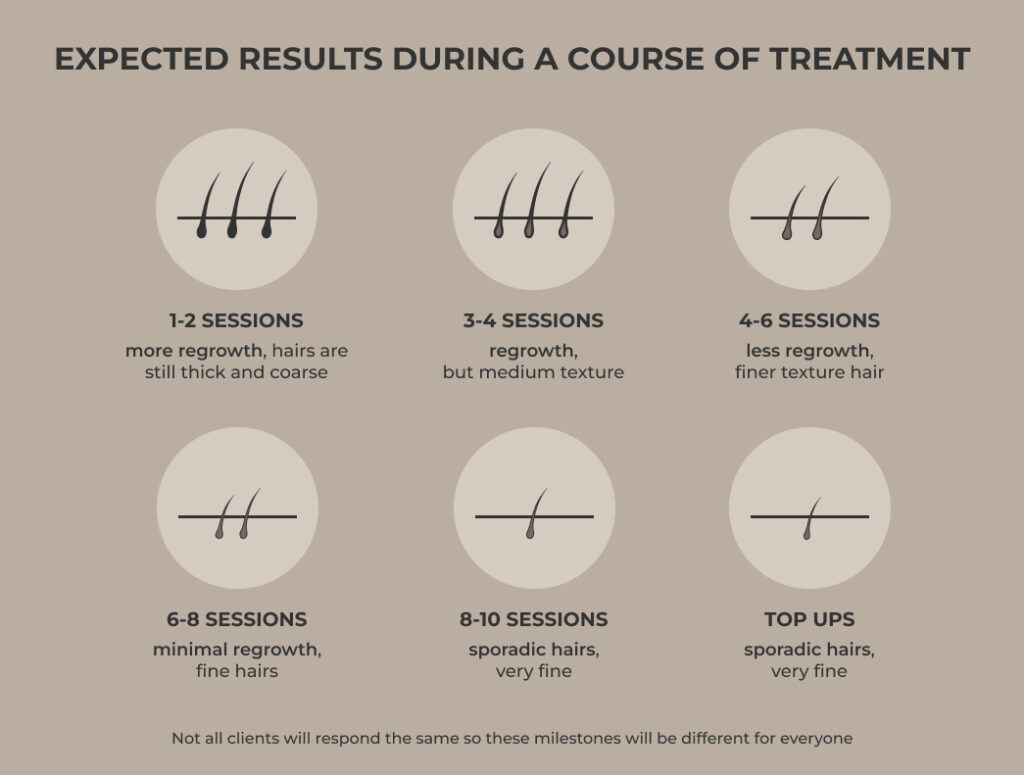
Most people require between four and eight sessions of laser hair removal. This range covers the time needed to catch hair in different growth cycles. Some may see results after fewer visits, while others need more sessions for full reduction. Regular treatments help reduce hair thickness and growth over time.
Factors Influencing Session Count
Hair color and thickness affect the number of sessions. Dark, coarse hair responds better and faster to laser treatment. Light or fine hair may need additional sessions. Skin tone also plays a role, as the laser targets pigment in hair. Areas with denser hair often require more sessions to treat fully. Personal hormonal changes can cause new hair growth, increasing session needs.
Treatment Intervals By Body Area
Different body parts need different time gaps between sessions. Areas like the upper lip or chin may need treatments every four to six weeks. Larger areas such as legs or back often require six to eight weeks between sessions. The hair growth rate in each area guides the timing. Following the right schedule ensures the laser hits hair at the best stage for removal.
Skin And Hair Type Effects
Skin and hair types greatly influence how many laser hair removal sessions you need. The laser targets pigment in the hair, so the color and thickness matter. Skin tone also affects the treatment’s safety and effectiveness. Understanding these factors helps set realistic expectations for your hair removal journey.
Impact Of Hair Color And Thickness
Dark, thick hair absorbs laser energy better than light or thin hair. This makes laser hair removal more effective on coarse hair. Light-colored hairs like blonde, gray, or red have less pigment. They may require more sessions or may not respond well to laser treatment. Thicker hair often needs fewer sessions because the laser targets larger follicles more easily.
Skin Tone Considerations
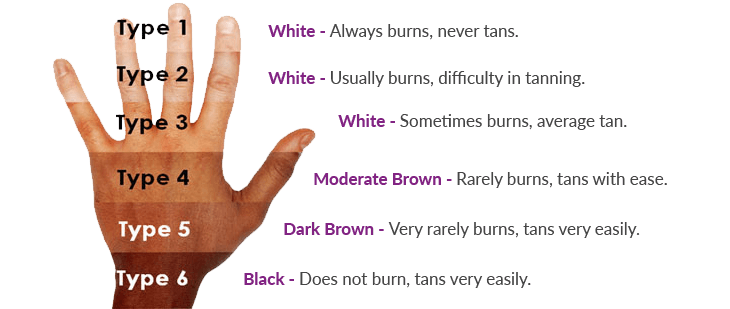
Darker skin tones contain more melanin, which can absorb laser energy. This raises the risk of skin irritation or burns. Advanced laser machines adjust settings to protect darker skin safely. Lighter skin tones usually need fewer sessions because the contrast with hair pigment is higher. Proper skin assessment before treatment is crucial for safety and results.
Signs You Need More Sessions
Knowing the signs that you need more laser hair removal sessions helps you achieve the best results. Each person’s hair growth and skin type differ. Sometimes, the initial sessions may not remove all the hair. Paying attention to how your skin and hair react after treatments is important. This way, you can decide if more sessions are necessary.
Incomplete Hair Reduction
After several sessions, hair should reduce significantly. If you still see thick or many hairs, more sessions may be needed. Laser targets hairs in the growth phase only. Some hairs might be in resting or shedding phases during treatment. These hairs need more time and extra sessions to be affected. Incomplete reduction means the laser has not reached all active hair follicles yet.
Hair Regrowth Patterns
Hair may grow back in patches or unevenly after some treatments. This uneven regrowth shows some follicles were missed or not fully treated. Notice if hair grows back darker or coarser in treated areas. This can mean more sessions are required. Consistent regrowth after each session is a clear sign to continue treatments. Tracking hair patterns helps target problem areas better.
Safety Concerns During Pregnancy
Pregnancy is a special time that requires extra care for your body and health. Many women wonder if laser hair removal is safe during this period. Most doctors advise avoiding laser hair removal while pregnant. The main reason is that there are not enough safety studies to confirm it is risk-free. Protecting both mother and baby is the top priority.
Reasons To Avoid Laser Hair Removal
Laser hair removal involves strong light beams that target hair follicles. This process can cause heat and skin reactions. During pregnancy, the skin may respond differently to these treatments. The effects on the unborn baby are not well studied. Some experts worry about unknown risks. Therefore, most clinics do not offer laser hair removal to pregnant women.
Hormonal Changes And Skin Sensitivity
Pregnancy causes hormonal changes that affect the skin. These changes can make your skin more sensitive and prone to irritation. Laser treatments may cause redness, swelling, or discomfort more easily. Hormones can also change hair growth patterns. This may reduce the effectiveness of laser hair removal. Waiting until after pregnancy helps avoid these issues and ensures safer results.
Alternatives While Pregnant
During pregnancy, many women seek safe ways to manage unwanted hair. Laser hair removal is usually not advised for pregnant women. This caution is because there is limited research on its safety for the baby. Women often look for other hair removal methods that are gentle and temporary. These alternatives help keep skin smooth until laser treatments can safely resume after pregnancy.
Temporary Hair Removal Methods
Shaving is a quick and easy way to remove hair. It does not affect the skin deeply and is safe during pregnancy. Waxing is another option, but it may cause skin irritation or sensitivity. Use gentle wax and test on a small skin area first. Hair removal creams can also work but choose formulas made for sensitive skin. Always read product labels and avoid harsh chemicals. Threading is safe and precise for small areas like the eyebrows. These methods offer temporary relief until laser treatments are safe again.
When To Resume Laser Treatments
Doctors usually recommend waiting until after pregnancy to restart laser hair removal. The body’s hormone levels stabilize a few months after childbirth. This period can vary but often takes about three to six months. Waiting helps ensure the skin responds well to laser treatment. Talk with your healthcare provider before booking your first session postpartum. They can guide you on the best time to safely resume laser hair removal. Patience is key for achieving the best results while keeping mother and baby safe.
Maximizing Results
Maximizing the results of laser hair removal means following a careful routine before and after each session. Proper skin care helps the treatment work better and keeps your skin safe. Small steps make a big difference in how smooth and hair-free your skin becomes over time.
Pre-treatment Skin Care
Keep your skin clean and dry before the session. Avoid sun exposure for at least two weeks. Tanned skin can cause burns or reduce treatment effectiveness. Do not use self-tanning products or spray tans. Shave the area 24 hours before your appointment. Avoid waxing, plucking, or threading. These remove hair roots needed for laser targeting. Use gentle skincare products and avoid strong chemicals. Inform your technician about any medications or skin conditions. This helps prevent side effects.
Post-treatment Care Tips
After the session, avoid sun exposure to protect your skin. Use a broad-spectrum sunscreen with high SPF daily. Do not apply makeup or harsh products on the treated area for 24 hours. Moisturize your skin with a gentle lotion to reduce dryness. Avoid hot baths, saunas, or heavy exercise for 48 hours. These can irritate your skin. Do not pick or scratch the treated area. This prevents infection and scarring. Follow your technician’s advice on when to schedule your next session.
Credit: www.vancouverlaserclinic.com
Costs And Commitment
Laser hair removal offers lasting smoothness, but it requires both time and money. Understanding the costs and the commitment involved helps set realistic expectations. Multiple sessions are necessary to target hair during its growth cycle. This means planning ahead and budgeting for more than one visit.
Budgeting For Multiple Sessions
The price per session varies by clinic and treatment area. Small areas like the upper lip cost less than larger areas like legs. Most people need between four to six sessions to see good results. Paying for all sessions upfront can sometimes save money. Some clinics offer packages that reduce the overall cost. Budgeting for the entire treatment plan avoids surprises later. Remember to include any maintenance sessions in your budget.
Long-term Maintenance
Laser hair removal significantly reduces hair growth but may not remove all hair permanently. Some hair can regrow over time and appear lighter or thinner. Maintenance sessions help keep the skin smooth after the initial treatments. These sessions are usually less frequent, often once or twice a year. Factoring in maintenance helps maintain the results you worked for. Commitment to follow-up sessions ensures the best long-term outcome.
Frequently Asked Questions
How Many Sessions Of Laser Hair Removal To Permanently Remove Hair?
Laser hair removal typically needs 4 to 6 sessions for permanent hair reduction. Sessions occur every 4 to 8 weeks, depending on hair growth speed.
What To Expect After 4 Sessions Of Laser Hair Removal?
After 4 laser hair removal sessions, expect noticeable hair reduction and slower regrowth. Some areas may still need more treatments for optimal results.
Is Laser Hair Removal Safe In Pregnancy?
Laser hair removal is not recommended during pregnancy due to limited safety research. Hormonal changes increase skin sensitivity and reduce treatment effectiveness. Waiting until after delivery ensures safer, more comfortable results for both mother and baby.
How Many Brazilian Laser Treatments Do You Need?
Most people need 4 to 6 Brazilian laser treatments for optimal hair reduction. Sessions occur every 4 to 8 weeks. Results vary by hair growth and skin type. Consistent sessions ensure lasting smoothness and minimize regrowth.
Conclusion
Laser hair removal usually needs multiple sessions for best results. Most people see good hair reduction after four to six treatments. Sessions happen weeks apart to target hair during its growth phase. Areas with faster hair growth may need shorter gaps between sessions.
Consistency matters; stopping too soon might leave some hair behind. Always follow your technician’s advice on timing and care. Patience leads to smoother skin and longer-lasting effects. Keep realistic expectations and remember that results vary by person.
As an Amazon Associate, I earn from qualifying purchases.
Lovingshe is a participant in the Amazon Services LLC Associates Program which is an affiliate advertising program designed to provide a means for sites to earn advertising fees by advertising and linking to Amazon.com. Amazon may use cookies to track referrals from our site. Visit Amazon’s privacy policy for details
