


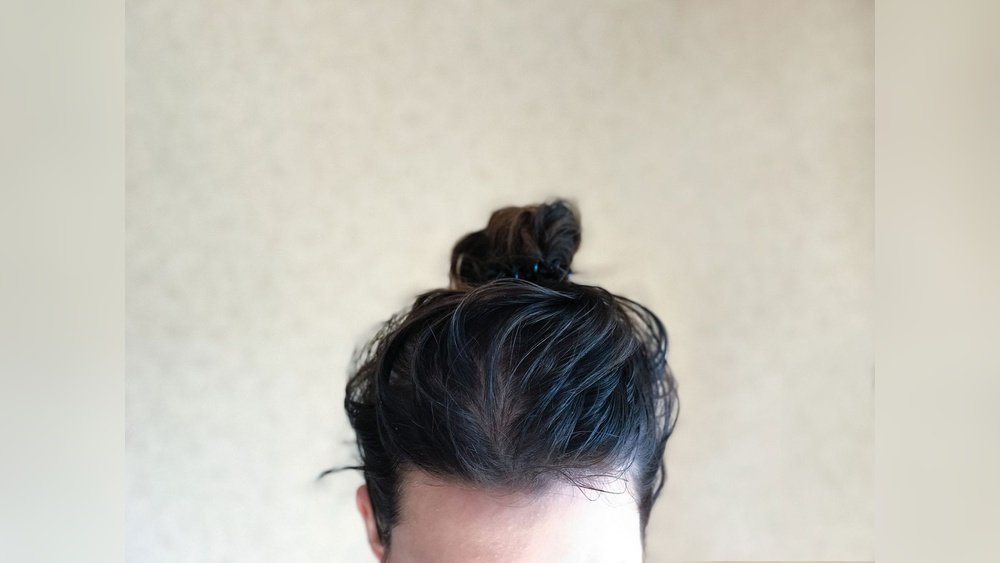
Does your hair start looking greasy just hours after washing it? You’re not alone—and it can feel frustrating to deal with oily roots that make your hair look dirty fast.
But why does this happen, and what can you do to stop it? Understanding the real reasons behind your hair’s quick oil buildup is the key to keeping your locks fresh and clean longer. You’ll discover simple, effective tips that work with your scalp’s natural balance—not against it.
Ready to take control and say goodbye to greasy hair? Let’s dive in and find out why your hair gets greasy so fast and how to fix it for good.
Causes Of Fast Greasy Hair
Fast greasy hair can feel frustrating and hard to manage. Understanding the main causes helps control oil and keep hair fresh longer. Several factors play a role in why hair gets oily quickly. Some come from within the body, and others result from hair care habits.
Excess Oil Production
The scalp naturally produces oil called sebum. Sometimes, it produces too much. This leads to greasy hair soon after washing. Overactive oil glands can be due to genetics or scalp sensitivity. More oil means hair looks shiny and feels heavy.
Overwashing Effects
Washing hair too often removes natural oils. The scalp reacts by making more oil to replace what is lost. This cycle causes hair to get greasy faster. Using harsh shampoos or hot water also irritates the scalp. Gentle care helps balance oil production.
Product Buildup
Heavy hair products like gels, sprays, and conditioners can build up on the scalp. This buildup traps oil and dirt. It makes hair look dull and greasy. Clarifying shampoos remove buildup and refresh the scalp. Avoid applying conditioner to the scalp to reduce buildup.
Hormonal Influences
Hormones affect oil production significantly. Teenagers, pregnant women, and people with hormonal imbalances often have oilier hair. Hormone changes trigger the scalp to produce more sebum. This explains why greasy hair can come and go with hormone shifts.
Diet And Stress Impact
Diet plays a role in scalp health. Eating too much oily or sugary food can increase oil production. Stress also affects hormone levels and oil glands. Managing stress and eating balanced meals help keep hair oil under control. Healthy habits support a cleaner scalp.

Credit: www.youtube.com
Washing Habits To Control Oil
Controlling oil in hair starts with smart washing habits. Proper care balances scalp oils without stripping them. Overwashing can cause the scalp to produce extra oil. Using the right products and techniques helps keep hair fresh longer.
Avoid Daily Washing
Washing hair every day removes natural oils. The scalp reacts by making more oil quickly. Try washing every other day or less. This helps your scalp find a natural balance.
Choose Lightweight Shampoos
Pick shampoos that are gentle and light. Avoid heavy or creamy formulas that weigh hair down. Look for sulfate-free or clarifying shampoos. These clean well without causing dryness.
Condition Only The Ends
Apply conditioner only from the middle of hair to ends. Avoid the scalp area to prevent extra oil buildup. This keeps hair soft without making roots greasy.
Use Lukewarm Water
Rinse hair with lukewarm water instead of hot water. Hot water can stimulate oil glands and dry out scalp. Lukewarm water cleans gently and soothes skin.
Clean Brushes Regularly
Hairbrushes collect oils, dirt, and product residue. Clean brushes often to avoid transferring oil back to hair. This simple step keeps hair cleaner for longer.
Daily Hair Care Tips
Managing greasy hair can feel like a constant battle. Daily hair care plays a key role in controlling oil build-up and keeping your hair fresh longer. Small changes in your routine help balance oil production and improve hair health. Here are some simple tips to help your hair stay cleaner and less oily each day.
Limit Touching Your Hair
Hands carry oil and dirt that transfer easily to your hair. Avoid touching your hair often to reduce extra grease. Try to keep your hands away from your scalp and strands throughout the day.
Use Dry Shampoo Effectively
Dry shampoo absorbs excess oil between washes. Spray it on roots and wait a few minutes before brushing out. Use dry shampoo only when needed to avoid product buildup and keep your scalp healthy.
Brush Gently To Distribute Oils
Brushing spreads natural oils from scalp to hair ends. Use a soft brush and stroke gently to avoid stimulating oil glands too much. Brushing helps your hair look shiny without becoming greasy at the roots.
Rinse After Workouts
Sweat mixes with scalp oils and makes hair greasy faster. Rinse your hair with water or a gentle cleanser after exercise to remove sweat and oil. This keeps your scalp clean and fresh.
Maintain Balanced Diet
Your diet affects how much oil your scalp produces. Eat foods rich in vitamins and minerals like fruits, vegetables, and lean proteins. Drink plenty of water to keep skin and scalp hydrated and balanced.

Credit: www.youtube.com
Quick Remedies For Greasy Hair
Greasy hair can feel heavy and look dull fast. Quick remedies help refresh your hair without a full wash. These simple tricks absorb oil and restore volume. They work well for busy days or in-between washes. Try them to keep your hair looking fresh and clean longer.
Dry Shampoo Benefits
Dry shampoo soaks up excess oil from the scalp. It adds volume and texture to limp hair. Spray it on roots and wait a few minutes. Then, massage or brush it out gently. Dry shampoo saves time and keeps hair fresh. It also reduces the need for frequent washing.
Using Baby Powder
Baby powder is a quick, easy fix for oily hair. Sprinkle a small amount on your roots. Use your fingers to spread it evenly. The powder absorbs grease and leaves a matte finish. It’s a cheap alternative to dry shampoo. Be careful to use a small amount to avoid white residue.
Apple Cider Vinegar Rinse
Apple cider vinegar balances scalp pH and reduces oiliness. Mix one part vinegar with two parts water. After shampooing, pour the rinse over your hair. Let it sit for a few minutes, then rinse out with water. This rinse cleans buildup and refreshes the scalp naturally. Use it once or twice a week for best results.
Adjusting Wash And Styling Routine
Adjusting your wash and styling routine can help control greasy hair. Small changes make a big difference. Understanding how often to wash and how to style your hair reduces excess oil. These simple steps keep your scalp balanced and hair fresh longer.
Finding The Right Wash Frequency
Washing hair too often removes natural oils. Your scalp reacts by making more oil. Try washing every two to three days. This gives your scalp time to balance oil production. Use a gentle shampoo that cleans without stripping oils. Focus shampoo on your scalp, not the ends.
Air Drying Over Heat Styling
Heat styling tools can increase oiliness. They stimulate oil glands and dry out hair. Air drying helps hair stay fresh longer. Let your hair dry naturally when possible. If you use heat, choose a low setting. Avoid daily use to prevent oil buildup.
Avoid Sleeping With Wet Hair
Sleeping with wet hair traps moisture and oil. It creates a warm environment that speeds up oil production. Hair also tangles and breaks more when wet. Dry your hair before bed to keep it clean. Use a microfiber towel to reduce drying time.

Credit: www.reddit.com
Frequently Asked Questions
How Do I Stop My Hair From Getting Oily So Fast?
Wash hair less often to train your scalp. Use gentle, clarifying shampoo on roots only. Condition ends, not scalp. Avoid touching hair and clean brushes regularly. Use dry shampoo between washes. Maintain a healthy diet and manage stress to balance oil production.
Why Does Hair Get Greasy After 1 Day?
Hair gets greasy after one day because scalp oils (sebum) quickly build up. Overwashing triggers more oil production. Using heavy products or touching hair often spreads oils faster. Balancing washing frequency and using light shampoos helps control greasiness.
How Do I Train My Hair To Be Less Oily?
Train your hair to be less oily by washing less frequently, using gentle shampoos, and conditioning only ends. Avoid touching hair often and clean brushes regularly. Use dry shampoo between washes and maintain a healthy diet to balance scalp oil production.
How Do I Stop My Head From Being So Oily?
Wash hair less often to balance oil, use gentle shampoo on roots, condition only ends, avoid touching hair, clean brushes regularly, and try dry shampoo between washes. Maintain a healthy diet and manage stress to reduce scalp oil production naturally.
Conclusion
Greasy hair happens because your scalp makes too much oil. Washing hair too often can cause this. Use gentle shampoos and condition only the ends. Keep brushes clean and avoid touching your hair too much. Eating well and managing stress also help balance oil.
Follow these simple steps to keep your hair fresh longer. Small changes make a big difference in how your hair feels. Stay patient and consistent for the best results.
As an Amazon Associate, I earn from qualifying purchases.
Lovingshe is a participant in the Amazon Services LLC Associates Program which is an affiliate advertising program designed to provide a means for sites to earn advertising fees by advertising and linking to Amazon.com. Amazon may use cookies to track referrals from our site. Visit Amazon’s privacy policy for details
