


Are you wondering if using hair gel every day is actually harming your hair? You’re not alone.
Many people love the way gel helps them achieve that perfect style, but there’s also a lot of talk about whether it might cause dryness, breakage, or even hair loss. The truth is, gel itself isn’t automatically bad for your hair—but how you use it and what kind you choose can make a big difference.
You’ll discover the real effects of gel on your hair, common mistakes to avoid, and simple tips to keep your hair healthy while still enjoying that sharp look you want. Keep reading to find out how to style confidently without damaging your hair.
Daily Gel Use Risks
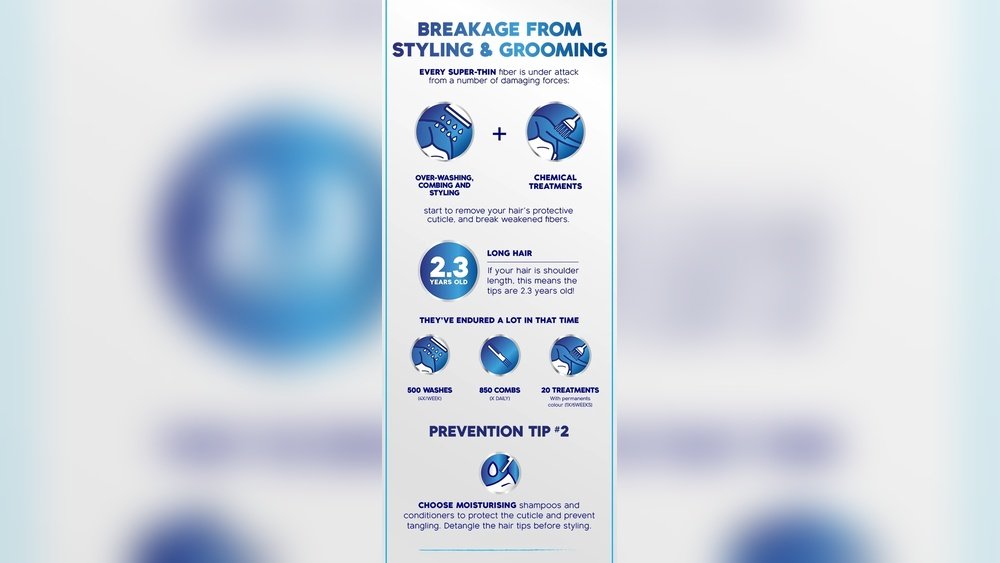
Using hair gel every day carries certain risks that can harm your hair’s health. The chemicals in some gels strip moisture, causing dryness. Over time, this dryness may lead to hair breakage. The scalp can also suffer from product buildup. This buildup blocks pores and weakens hair roots. These effects can indirectly cause hair loss. Understanding these risks helps you protect your hair better.
Dryness And Breakage
Many hair gels contain alcohol, which dries out hair strands. Dry hair becomes brittle and breaks easily. Breakage makes hair look thin and unhealthy. Applying gel daily without moisturizing can worsen dryness. Using a gel with nourishing ingredients can reduce this risk.
Product Buildup Effects
Daily gel use often leads to product buildup on the scalp. This buildup clogs hair follicles and traps dirt. It causes itchiness, flakes, and irritation. Not washing hair properly increases buildup problems. Regular shampooing removes residue and keeps the scalp clean.
Impact On Hair Roots
Gel left on the scalp affects natural oil production. Sebum, the scalp’s oil, can become unbalanced. This imbalance weakens hair roots over time. Weak roots mean less strong hair strands. Applying gel only on hair, not the scalp, can help avoid this issue.
Indirect Hair Loss Causes
Dry, brittle hair breaks and falls out more easily. This breakage can look like hair loss or thinning. Scalp irritation from buildup also harms hair growth. Stress on hair roots from poor scalp health can cause shedding. Keeping the scalp healthy reduces the chance of hair loss.

Credit: www.youtube.com
Choosing The Right Gel
Choosing the right hair gel plays a key role in maintaining healthy hair. Not all gels are the same. Some can dry out your hair while others help keep it soft and shiny. Understanding the differences helps you pick a product that suits your hair type and needs. This ensures your hair stays strong and looks great.
Water-based Vs Alcohol-based
Water-based gels are gentler on hair. They dry without causing much stiffness or flaking. These gels usually wash out easily and do not leave residue. Alcohol-based gels dry faster but tend to dry out hair. Alcohol removes natural oils, which can lead to breakage and scalp irritation. Choosing water-based gels reduces the risk of dryness and damage.
Conditioning Ingredients To Look For
Good hair gels contain ingredients that protect and nourish hair. Look for gels with aloe vera, glycerin, or panthenol. These ingredients add moisture and prevent dryness. Oils like argan or jojoba improve shine and softness. Avoid gels with harsh chemicals or excessive alcohol. Conditioning ingredients help keep hair healthy, soft, and manageable.
Safe Application Tips
Using hair gel can style your hair effectively without damage. Proper application matters most. Follow safe tips to protect hair health and scalp.
Applying To Hair Strands Only
Apply gel directly to the hair strands, not the scalp. Start with a small amount and spread evenly. This prevents buildup on the scalp that can cause irritation. Focus on styling the outer hair, where gel holds best. Avoid using too much product to keep hair from becoming stiff or sticky. Applying gel to strands helps maintain natural scalp oils and hair moisture.
Avoiding Scalp Contact
Keep gel away from the scalp to reduce clogged pores and itching. Use your fingers or a comb to style without touching the roots. Scalp contact with gel can block hair follicles, leading to dandruff or hair loss over time. Washing hair regularly removes any gel residue and keeps the scalp clean. Protect your scalp by applying gel carefully and only where needed.
Washing And Maintenance
Proper washing and maintenance are crucial for healthy hair when using gel. Gel can cause buildup, dryness, and scalp irritation if not cleaned well. Maintaining a good hair care routine helps prevent damage and keeps hair looking fresh.
Understanding how often to shampoo and how to remove product buildup ensures your hair stays clean and healthy. Let’s explore these key aspects.
Shampooing Frequency
Washing your hair regularly removes gel residue and dirt. Shampooing every one to two days works well for most people using gel daily. This frequency prevents buildup without stripping natural oils.
Use a gentle shampoo to avoid drying out your hair. Over-washing can cause dryness and breakage. Balance is key to keep your hair soft and healthy.
Removing Product Buildup
Gel can leave a sticky layer on hair and scalp over time. This buildup blocks pores and causes itchiness or flakes. Use a clarifying shampoo once a week to deep clean and remove residue.
Rinse hair thoroughly after shampooing to ensure no product remains. Scalp massages during washing help break down buildup and stimulate circulation.
Proper removal of gel buildup promotes a healthy scalp and stronger hair growth. Consistent care keeps your hair feeling light and clean.
Giving Hair A Break
Giving your hair a break from gel is important for its health. Continuous gel use can cause buildup and dryness. Taking gel-free days helps your hair recover and stay strong. Your scalp also benefits by getting time to breathe and heal. Regular breaks support healthier, shinier hair over time.
Benefits Of Gel-free Days
Gel-free days reduce product buildup on your scalp. This prevents clogged pores and irritation. Hair feels lighter and looks more natural without gel. It also lowers the risk of dandruff and itching. Breaks help maintain the hair’s natural texture and volume. Your scalp stays healthier and less prone to problems.
Restoring Natural Oils
Gel can block your scalp’s natural oils from spreading. These oils keep hair soft and protected. Without gel, oils travel down the hair shaft easily. This restores moisture and prevents dryness. Natural oils also improve hair shine and strength. Giving hair time to recover balances oil production well.

Credit: theradome.com
Alternative Styling Options
Exploring alternative styling options helps protect hair from potential gel damage. These alternatives often use gentler ingredients that nourish hair and scalp. Switching products can reduce dryness and buildup. It also offers variety in hairstyles without harsh chemicals.
Pomades And Clays
Pomades provide a shiny finish with flexible hold. They often contain moisturizing oils that prevent hair from drying out. Clay products offer a matte look with strong hold. Clays absorb excess oil and add texture, making hair look fuller. Both pomades and clays allow restyling throughout the day without stiffness.
These options work well for many hair types. They avoid the crunchy feeling common with gels. Pomades and clays also help maintain scalp health by reducing flakiness and irritation.
Waxes And Other Products
Hair waxes create a firm hold with a natural shine. They are easy to apply and wash out with shampoo. Waxes protect hair from environmental damage by forming a light barrier. Other products, like mousses and leave-in conditioners, add volume and softness. These products hydrate hair while offering style support.
Using waxes and similar products reduces the risk of hair breakage. They are suitable for daily use without causing scalp problems. These alternatives give a stylish look with less damage risk than many gels.
Myths About Hair Gel
Many people believe hair gel harms hair health. These ideas often spread without clear proof. Understanding the myths helps separate fact from fiction. Hair gel itself is not bad, but how it is used matters a lot.
Some myths cause worry and stop people from using gel properly. Knowing the truth can help you enjoy styling without fear. Let’s explore common myths about hair gel to clear confusion.
Gel And Hair Fall
Some say gel causes hair to fall out. This is not true by itself. Hair fall happens due to many reasons like stress, diet, or genetics. Gel does not directly make hair fall.
Using gel with harsh chemicals or alcohol may dry hair. Dry hair can break, which looks like hair loss. Washing gel out well and choosing gentle gels helps prevent this. Applying gel carefully on hair, not scalp, also protects hair roots.
Common Misconceptions
One myth is gel blocks hair pores and stops growth. Hair does not grow from pores but follicles under the skin. Gel stays on hair strands and does not reach follicles deeply.
Another wrong idea is gel causes scalp infections. Clean hair and scalp, plus washing gel off regularly, stop any problems. Using gel in moderation keeps your scalp healthy and clean.

Credit: www.headandshoulders.co.uk
Frequently Asked Questions
Is It Bad To Use Hair Gel Every Day?
Using hair gel daily can cause dryness, breakage, and scalp irritation, especially if it contains alcohol. Choose alcohol-free gels, apply only to hair, wash thoroughly, and take regular breaks to maintain healthy hair and scalp.
How To Use Gel Without Damaging Hair?
Use alcohol-free, water-based gel to avoid dryness. Apply only on hair strands, not scalp. Wash hair regularly to remove buildup. Take breaks to let hair and scalp breathe. Maintain a healthy hair care routine for safe gel use without damage.
What Can I Use Instead Of Gel For Hair?
You can use pomade, hair wax, mousse, or styling cream instead of gel. These products provide hold and texture with less dryness. Natural oils like coconut or argan oil also help style hair while keeping it healthy and moisturized.
Why Don’t People Use Hair Gel Anymore?
People avoid hair gel due to dryness, breakage, scalp irritation, and buildup from harsh chemicals or alcohol-based formulas.
Conclusion
Using hair gel daily is not always harmful. Choose gentle, alcohol-free gels to protect hair. Always wash your hair well to avoid buildup. Apply gel mainly to hair, not the scalp. Give your hair regular breaks from styling products. Healthy hair needs proper care and attention.
Balance styling with good habits for best results. Keep your hair clean, moisturized, and strong. This approach helps you enjoy gel without damage.
As an Amazon Associate, I earn from qualifying purchases.
Lovingshe is a participant in the Amazon Services LLC Associates Program which is an affiliate advertising program designed to provide a means for sites to earn advertising fees by advertising and linking to Amazon.com. Amazon may use cookies to track referrals from our site. Visit Amazon’s privacy policy for details
