


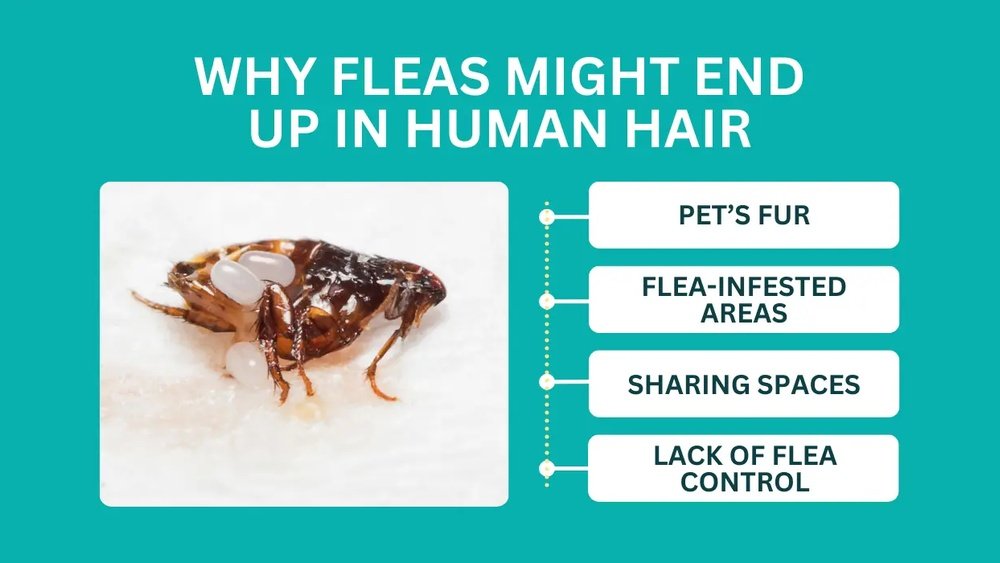
Have you ever wondered if those tiny, itchy pests called dog fleas can make your hair their home? If you’ve been scratching your head—or your dog’s—a lot lately, you might be worried that fleas have jumped from your furry friend onto you.
It’s a common fear, but what’s the real truth? Can dog fleas actually live in human hair, or is that just a myth? Understanding how fleas behave and whether they can survive on you is crucial to protecting yourself and your loved ones.
Keep reading, because we’re about to reveal the surprising facts that will help you stay itch-free and in control.
Dog Fleas And Humans
Dog fleas often raise concerns about their interaction with humans. Understanding their behavior helps in managing infestations and preventing bites. This section explores how dog fleas relate to humans and their habits.
Knowing whether dog fleas can live in human hair is crucial for effective flea control. Let’s explore the differences among flea species, their preferences, and if they can bite humans.
Flea Species Differences
Not all fleas are the same. Dog fleas (Ctenocephalides canis) mainly live on dogs. Cat fleas (Ctenocephalides felis) are more common and can infest dogs and cats. Human fleas (Pulex irritans) are rare today but can bite people.
Dog fleas rarely choose humans as hosts. They prefer animal fur for shelter and feeding. Their body shape and legs adapt to cling to animal hair, not human hair.
Why Fleas Prefer Animals
Fleas need warmth, blood, and shelter. Animal fur provides all three. Fur offers easy movement and protection from the environment. Human hair is thinner and less dense, making it harder for fleas to stay attached.
Animals have higher body temperatures and more suitable skin for fleas. This makes animals the ideal hosts. Fleas also lay eggs on animals, ensuring their young find food easily.
Can Fleas Bite Humans
Dog fleas can bite humans but rarely live on them. Fleas bite humans to feed on blood if no animals are nearby. Their bites cause itching and red spots, often on ankles and legs.
Fleas do not reproduce or live long on humans. They prefer animals for survival. If fleas bite humans often, treating pets and home is necessary to stop infestations.
Fleas In Human Hair
Fleas are tiny insects that usually live on animals like dogs or cats. Sometimes, they jump onto humans. Many wonder if fleas can live in human hair. Understanding their behavior helps to know how to protect yourself.
Fleas need specific conditions to survive and reproduce. Human hair and scalp are not ideal places for them. Still, fleas may crawl through hair to find a good spot to feed.
Flea Survival On Human Scalp
Fleas do not survive long on the human scalp. The scalp environment is different from animal fur. It lacks the right temperature and humidity fleas need. Fleas can bite humans but will leave quickly. They need animal blood to thrive and reproduce.
Reproduction Limits
Fleas cannot lay eggs on humans. The human body is not a suitable place for flea eggs. Eggs need warm and moist animal fur to hatch. Without this, flea larvae cannot develop. This stops fleas from multiplying on people.
Flea Behavior Around Humans
Fleas may jump onto humans by chance. They usually prefer pets or wild animals. Fleas look for places with less movement and easy access to blood. Humans are not their favorite hosts. Fleas bite humans but soon move back to animals.
Signs Of Flea Presence
Fleas cause discomfort and irritation. Knowing the signs of flea presence helps you act fast. Fleas do not live long in human hair. Yet, they can bite and leave clues on your skin and clothes.
Recognizing these signs early prevents a bigger problem. Check your body and surroundings carefully. Here are common indicators of flea presence.
Itchy Bites And Red Bumps
Flea bites cause small, red bumps on the skin. The bites often appear in clusters or lines. They feel very itchy and may become swollen. The most common spots are ankles, legs, and waist. Scratching can lead to infection or more irritation.
Flea Dirt Identification
Flea dirt is flea feces, which looks like tiny black specks. It often appears on skin, clothes, or bedding. When wet, it turns reddish-brown, like dried blood. Flea dirt is a strong sign fleas are nearby. You can check by wiping suspected areas on white paper or cloth.
Spotting Live Fleas
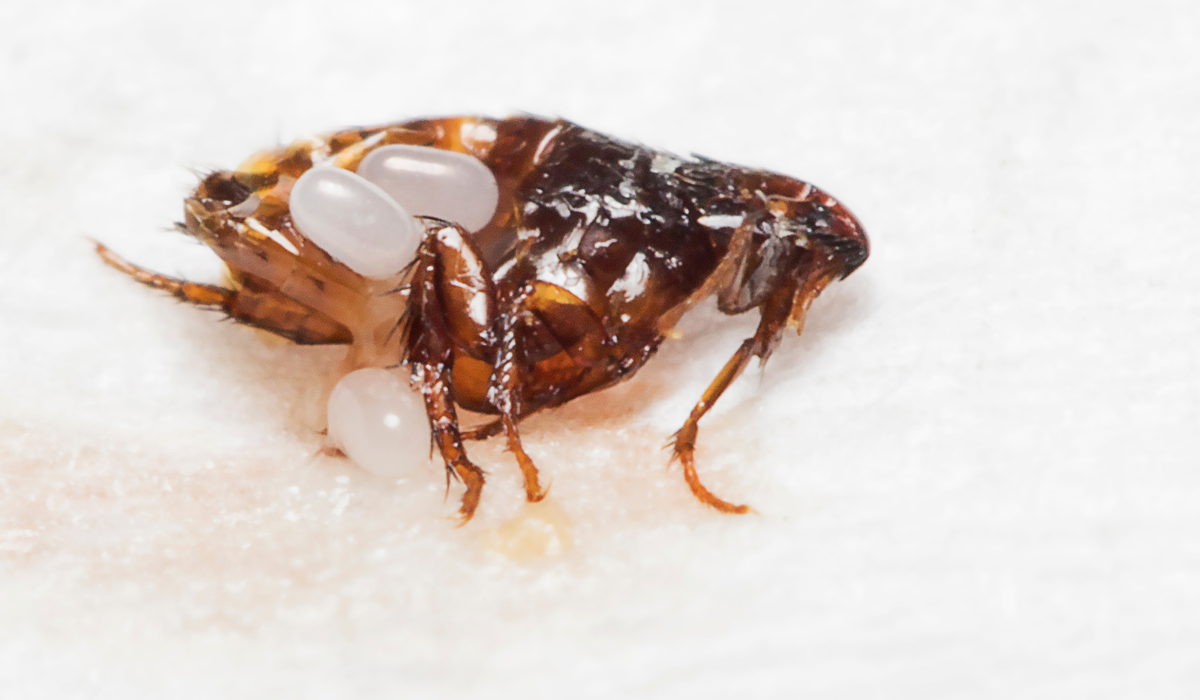
Live fleas are tiny, dark, and jump quickly. They move fast and avoid light. Fleas may hide in clothing, bedding, or on pets. Spotting one means you need to act immediately. Use a flashlight and inspect areas carefully. Fleas rarely stay long on humans but can jump on briefly.

Credit: www.itchpet.com
Fleas In The Home Environment
Fleas in the home environment pose a common problem for pet owners and their families. These tiny pests can quickly spread throughout living spaces, causing discomfort and irritation. Understanding where fleas hide and how they move indoors helps in managing infestations effectively. Fleas do not live in human hair but thrive in places close to their hosts. Their presence in your home often goes unnoticed until bites or flea dirt appear.
Common Hiding Spots
Fleas prefer dark, warm, and humid areas to hide and breed. Carpets and rugs provide an ideal place for flea eggs and larvae. Cracks in wooden floors and baseboards also offer shelter. Pet bedding is a prime spot for fleas to gather. They avoid light and stay close to their food source, which is usually pets.
How Fleas Spread Indoors
Fleas enter homes mainly through pets. They jump onto your dog or cat during outdoor walks. Once inside, they can move to other areas by crawling or jumping. Fleas also spread via infested items like used furniture or clothing. Human movement can carry fleas from room to room unknowingly. Fleas multiply fast, making early detection important.
Fleas In Bedding And Furniture
Bedding and furniture are common flea hotspots in homes with pets. Fleas lay eggs in soft fabrics where pets rest. Mattresses, pillows, and couches trap flea eggs and larvae. These places provide warmth and easy access to hosts. Fleas feed on human or pet blood at night, causing itchy bites. Regular cleaning and vacuuming reduce flea populations effectively.
Removing Fleas From Humans
Removing fleas from humans requires quick and careful steps. Fleas can jump onto people from pets or the environment. They do not live on human hair but may bite and cause irritation. Proper removal stops bites and prevents fleas from spreading further.
Taking action fast reduces discomfort and the chance of reinfestation. Follow simple treatments for hair and scalp. Focus on removing fleas and eggs completely. Prevent fleas from returning with good habits and home care.
Immediate Actions
Start by shaking out clothes and bedding. Use a fine-tooth comb to check hair. Wash clothes and towels in hot water. Avoid scratching flea bites to prevent infection. Take a shower with warm water to rinse fleas off skin.
Hair And Scalp Treatments
Use a flea comb to remove fleas and eggs from hair. Comb hair over a white towel or paper to see fleas. Apply mild shampoo and rinse well. Some shampoos contain ingredients to kill fleas safely. Repeat combing daily until no fleas appear.
Preventing Reinfestation
Clean your home thoroughly to remove fleas from furniture and carpets. Vacuum floors and upholstery regularly and empty vacuum bags outside. Wash pet bedding often and treat pets with flea control. Keep your hair and skin clean. Avoid contact with flea-infested animals or areas.
Credit: www.nativepestmanagement.com
Eliminating Fleas From Home
Removing fleas from your home requires consistent and thorough effort. Fleas hide in many places beyond your pet’s fur. They can live in bedding, carpets, and furniture. Tackling these areas is crucial to stop fleas from multiplying and biting family members. A combination of cleaning, vacuuming, and treating pets helps clear your home of fleas.
Washing Bedding And Fabrics
Wash all bedding, blankets, and pet fabrics in hot water. High temperatures kill flea eggs and larvae effectively. Use a strong detergent for better results. Dry items on the highest heat setting allowed. Do this regularly during flea infestations. Don’t forget to wash your pet’s bedding too.
Vacuuming Strategies
Vacuum carpets, rugs, and upholstery daily to remove fleas and eggs. Focus on pet resting areas and corners where fleas hide. Empty the vacuum bag or canister immediately after use. Dispose of contents in a sealed bag outside your home. Vacuuming disrupts flea life cycles and reduces their numbers.
Pet Treatment Options
Treat your pets with vet-approved flea control products. Use flea shampoos, sprays, or oral medications as recommended. Regular treatments prevent fleas from returning. Consult your vet for the safest and most effective options. Check your pets often for signs of fleas or irritation.
Whole-home Flea Control
Consider using flea sprays or foggers designed for home use. Choose products safe for children and pets. Follow all instructions carefully for best results. Treat all rooms, especially where pets spend time. Repeat treatments as needed to break the flea life cycle and keep your home flea-free.
Preventing Future Flea Problems
Preventing future flea problems is essential to keep your home and pets comfortable. Fleas can cause itching and discomfort. They also spread quickly, making prevention a top priority. Regular care and cleanliness reduce flea risks significantly. Follow simple steps to protect your family and pets from fleas.
Regular Pet Care
Check your pets for fleas often. Use flea treatments recommended by veterinarians. Bathe pets with flea shampoo regularly. Brush their fur to remove fleas and eggs. Keep pet bedding clean and washed frequently. Early flea detection stops infestations before they grow.
Home Cleanliness Tips
Vacuum carpets, rugs, and furniture daily. Dispose of vacuum bags or empty canisters immediately. Wash pet bedding and blankets in hot water weekly. Clean floors and baseboards to remove flea eggs and larvae. Avoid clutter where fleas can hide and multiply. Maintaining a clean home limits flea survival.
Outdoor Flea Prevention
Keep your yard tidy by mowing grass often. Remove leaf piles and debris where fleas breed. Use safe outdoor flea sprays around pet play areas. Create dry, sunny spots to discourage flea habitats. Check pets after outdoor time for any hitchhiking fleas. Controlling outdoor fleas reduces the chance of home infestations.

Credit: www.ecoguardpestmanagement.com
Frequently Asked Questions
How Long Can Dog Fleas Live In Human Hair?
Dog fleas cannot live or reproduce in human hair. They survive briefly but prefer animal hosts for feeding and breeding.
Can Fleas Live In Your Bed?
Yes, fleas can live in your bed by hiding in mattresses and bedding. They feed on pets or humans and lay eggs there. Regular washing and vacuuming help remove them effectively.
Can I Get Fleas From My Dog In My Hair?
Dog fleas rarely live in human hair. They prefer pets but may briefly jump onto humans, causing itching. Fleas cannot reproduce or stay long in human hair. Keep pets treated and your home clean to prevent flea problems effectively.
How Do I Tell If I Have Fleas In My Hair?
Fleas in hair cause intense itching and small red bites. Spot tiny, fast-moving black insects or flea dirt (dark specks). Check scalp and behind ears carefully. Persistent itching with visible bugs or black specks often indicates fleas in hair.
Conclusion
Dog fleas do not live or reproduce in human hair. They prefer animal fur for feeding and laying eggs. Fleas may bite humans, causing itching and discomfort. Still, they cannot complete their life cycle on people. Keeping pets clean and treating your home helps stop flea problems.
Regular washing and vacuuming remove fleas and their eggs. Protect your family and pets by staying vigilant. Understanding flea behavior makes managing them easier. Stay informed and act quickly to keep fleas away.
As an Amazon Associate, I earn from qualifying purchases.
Lovingshe is a participant in the Amazon Services LLC Associates Program which is an affiliate advertising program designed to provide a means for sites to earn advertising fees by advertising and linking to Amazon.com. Amazon may use cookies to track referrals from our site. Visit Amazon’s privacy policy for details
