


Are you tired of constantly dealing with stubborn hair and wondering if waxing could be the solution that actually makes a difference? You might have heard claims that waxing reduces hair growth over time, but is it really true?
If you’re looking for a way to enjoy smoother skin for longer and want to understand how waxing affects your hair’s regrowth, this article is just for you. We’ll break down what happens beneath the surface when you wax, what changes you can expect over weeks and months, and whether waxing can actually make your hair thinner or slower to grow back.
Keep reading to discover the truth behind waxing and how it could transform your hair removal routine for good.

Credit: www.starpilwax.com
Waxing And Hair Growth
Waxing is a popular hair removal method that pulls hair from the root. Many wonder if waxing can reduce hair growth over time. Understanding how waxing affects hair growth helps set the right expectations.
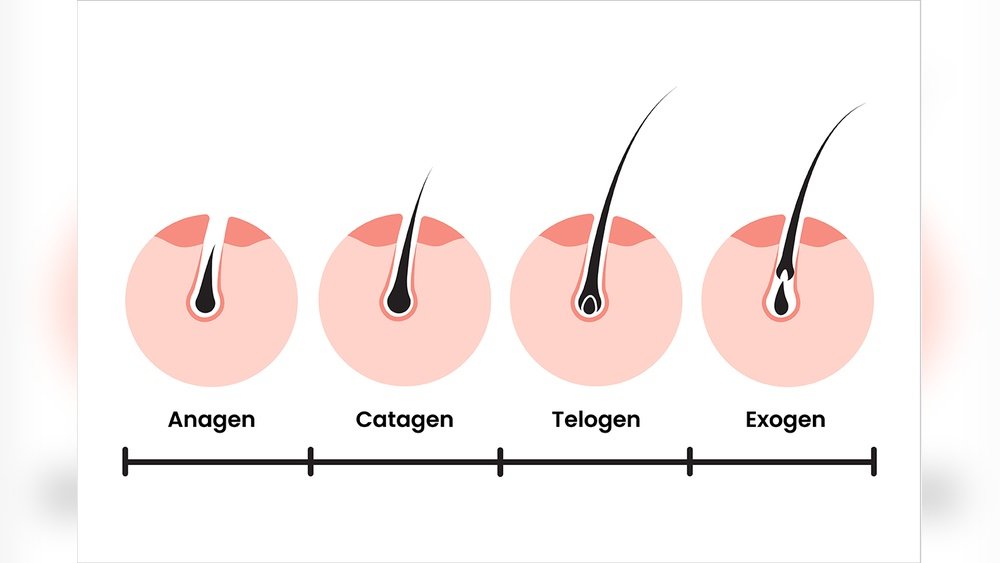
Regular waxing may change the hair growth cycle. This can lead to finer and slower regrowth. Let’s explore how waxing interacts with hair growth.
Hair Removal From The Root
Waxing removes hair directly from the root. This differs from shaving, which cuts hair at the surface. Pulling hair out weakens the hair follicle slightly.
Repeated waxing can damage follicles over time. This may cause new hair to grow back thinner and lighter. The hair shaft becomes softer and less visible.
Temporary Vs Permanent Effects
Waxing offers temporary hair removal, not a permanent solution. Hair will grow back eventually, but the cycle slows down. Regular waxing can extend the time between regrowth.
Permanent hair removal requires methods that destroy follicles, like laser treatment. Waxing mainly delays growth and reduces hair density. Many users notice smoother skin for longer periods.
How Waxing Changes Hair
Waxing affects hair beyond just removing it. It changes how hair grows back over time. Understanding these changes helps to know why waxing can reduce hair growth’s appearance. The process targets hair at the root, which influences the follicle and hair cycle.
Follicle Weakening
Waxing pulls hair out from the root repeatedly. This action can weaken hair follicles gradually. Weaker follicles produce thinner and fewer hairs. Over time, some follicles may stop producing hair temporarily.
Thinner And Softer Regrowth
Hair that grows back after waxing is often thinner. It also feels softer to the touch. The hair shaft becomes finer because the follicle is less active. This softer regrowth makes hair less noticeable.
Slower Hair Regrowth
Waxing causes hair to grow back slower than shaving. Removing hair from the root delays the next growth cycle. Longer gaps appear between waxing sessions. This slower regrowth reduces the need for frequent hair removal.
Synchronization Of Hair Cycles
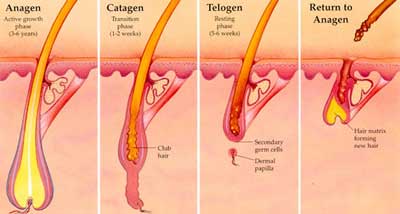
Regular waxing can align hair growth cycles. Most hairs enter the growth phase together. This synchronization reduces stray hairs between sessions. It creates smoother skin for longer periods.
Long-term Effects Of Waxing
Waxing is a popular hair removal method that pulls hair out from the root. Over time, regular waxing can change how hair grows back. These changes are not permanent but can improve hair appearance and reduce the need for frequent treatments. Understanding the long-term effects helps set realistic expectations for waxing results.
Reduced Hair Density
With repeated waxing, hair follicles weaken. This leads to thinner and softer hair regrowth. Some hair may stop growing altogether, causing less hair overall. Reduced hair density means skin looks smoother and hair feels less coarse. This effect grows stronger with consistent waxing sessions over months or years.
Extended Time Between Treatments
Waxing removes hair from the root, so it takes longer for new hair to appear. Over time, hair grows back slower and finer. This extends the time needed between waxing appointments. Many people notice they can wait weeks longer before hair returns. Longer gaps mean less frequent waxing and more convenience.
Credit: www.vidasleek.com
Waxing Compared To Laser Hair Removal
Waxing and laser hair removal are popular choices for reducing unwanted hair. Both methods target hair growth but work differently. Understanding their key differences helps in choosing the best option.
Differences In Permanence
Waxing removes hair from the root but does not stop growth permanently. Hair usually grows back after a few weeks. With regular waxing, hair may become finer and grow slower. Laser hair removal aims to destroy hair follicles. This can lead to permanent or long-lasting hair reduction. Multiple laser sessions are needed for best results. Laser works better for people with dark hair and light skin.
Mechanism Of Hair Follicle Impact
Waxing pulls hair out from the follicle but leaves it intact. The follicle stays alive and continues to produce hair. Over time, waxing may weaken the follicle, causing softer regrowth. Laser uses concentrated light to heat and damage follicles. This stops or slows hair production more effectively. The laser targets pigment in the hair, affecting the root directly. This difference explains why laser offers longer-lasting results than waxing.
Waxing Vs Shaving
Choosing between waxing and shaving depends on how you want to manage hair growth. Both methods remove hair but affect hair regrowth differently. Understanding the pros and cons of each helps decide the best fit for your needs.
Advantages Of Waxing
Waxing removes hair from the root, not just the surface. This causes hair to grow back slower and finer. Skin stays smooth for longer, often up to four weeks. Regular waxing can weaken hair follicles. It reduces hair density and can make hair less noticeable over time.
Drawbacks Of Waxing
Waxing can be painful, especially for sensitive skin. It may cause redness or irritation after treatment. The process takes more time and skill than shaving. It can be expensive if done in salons. There is a risk of ingrown hairs and skin damage if done incorrectly.
Advantages Of Shaving
Shaving is quick and easy to do at home. It causes no pain and is less expensive. It allows precise hair removal in small areas. Shaving can be done daily without much hassle. It is a good option for last-minute grooming.
Drawbacks Of Shaving
Shaving only cuts hair at the skin’s surface. Hair grows back quickly, often within a day or two. It can cause razor burn, cuts, and ingrown hairs. Skin may feel rough or prickly after regrowth. Shaving does not affect hair thickness or growth rate.
Choosing Based On Personal Priorities
Choose waxing if you want longer-lasting smoothness and finer regrowth. Pick shaving for quick, painless hair removal with no downtime. Consider your pain tolerance, budget, and time availability. Think about skin sensitivity and how often you want to remove hair. Both methods have trade-offs; select what fits your lifestyle best.
Common Myths About Waxing
Waxing is a popular method for hair removal. Many people believe different things about its effects on hair growth. These beliefs often cause confusion. Clearing up common myths helps you understand waxing better. Let’s explore some popular myths and the facts behind them.
Does Waxing Stop Hair Growth Completely?
Waxing removes hair from the root but does not stop growth forever. Hair follicles remain active after waxing. Over time, repeated waxing can weaken these follicles. This may cause hair to grow back thinner and slower. Still, waxing cannot destroy hair follicles permanently. For permanent removal, treatments like laser are necessary. Waxing only delays hair growth temporarily.
Does Waxing Make Hair Grow Back Thicker?
Many fear waxing causes thicker hair regrowth. This is false. Hair looks thicker after shaving, not waxing. Waxing pulls hair out from the root, so new hair is often finer. The hair regrows softer and lighter. Waxing can actually reduce hair density over time. It does not increase hair thickness or coarseness. This myth comes from misunderstanding how hair grows.
Tips For Effective Waxing
Effective waxing requires more than just ripping off hair. Following key tips improves results and comfort. Careful technique and good habits make waxing easier and more effective. These tips help reduce hair growth and keep skin smooth longer.
Consistency For Best Results
Wax regularly to weaken hair follicles. Schedule waxing every 3 to 6 weeks. Consistent waxing trains hair to grow thinner and slower. Skipping sessions can cause uneven regrowth and thicker hair. Mark your calendar to keep a steady routine.
Aftercare To Prevent Irritation
Clean skin gently after waxing. Avoid hot water, tight clothes, and heavy creams for 24 hours. Use soothing products like aloe vera or witch hazel. Do not pick or scratch the waxed area. Proper aftercare reduces redness and bumps.
Managing Pain And Discomfort
Take a mild pain reliever 30 minutes before waxing. Exfoliate skin a day before to remove dead cells. Hold skin tight during waxing to reduce pain. Breathe deeply and stay relaxed. Use cold compresses after waxing to soothe skin.

Credit: urbanwaxx.com
Frequently Asked Questions
Does Waxing Eventually Stop Hair Growth?
Waxing does not permanently stop hair growth. Regular waxing weakens follicles, causing finer, slower, and sparser regrowth over time.
Is It Better To Wax Or Shave Down There?
Waxing lasts longer and weakens hair over time but can hurt and cost more. Shaving is quick, cheap, painless, but causes stubble and skin irritation faster. Choose based on your pain tolerance, budget, and desired smoothness duration.
What Are The Disadvantages Of Waxing?
Waxing can cause pain, skin irritation, redness, and ingrown hairs. It may also be costly and time-consuming.
Does Waxing Reduce Facial Hair Growth?
Waxing does not permanently stop facial hair growth. Regular waxing weakens follicles, causing finer, softer, and slower regrowth over time. This leads to less dense hair and longer intervals between treatments, making hair appear thinner and sparser.
Conclusion
Waxing does not stop hair growth forever. It removes hair from the root, which slows regrowth. Over time, hair grows back thinner and softer. Regular waxing can weaken hair follicles, making hair less dense. Many people notice longer gaps between waxing sessions.
For lasting hair removal, treatments like laser are needed. Waxing remains a popular choice for smooth, hair-free skin. It offers a temporary but effective way to manage hair growth. Consistency helps improve results and keeps skin smooth longer.
As an Amazon Associate, I earn from qualifying purchases.
Lovingshe is a participant in the Amazon Services LLC Associates Program which is an affiliate advertising program designed to provide a means for sites to earn advertising fees by advertising and linking to Amazon.com. Amazon may use cookies to track referrals from our site. Visit Amazon’s privacy policy for details
