


Are you worried that using texture powder might be harming your hair? You’re not alone.
Many people love the instant volume and matte finish texture powder provides, but they also wonder if it’s secretly causing hair loss. The truth is, texture powder itself isn’t a villain—but how you use it and care for your scalp can make all the difference.
You’ll learn exactly how texture powder interacts with your hair and scalp, what risks to watch out for, and simple tips to keep your hair healthy while still enjoying that full, textured look. Keep reading to uncover the facts and protect your hair from unnecessary damage.

Credit: www.dashforhim.com
How Texture Powder Works
Texture powder works by changing how your hair feels and looks. It adds grip and body to flat hair. The product contains tiny particles that stick to hair strands. These particles absorb extra oil and create a rough surface. This roughness helps hair hold styles better and appear thicker. Texture powder is popular for quick fixes and styling without washing.
Understanding how it works helps address concerns about hair loss. The powder itself does not harm hair roots. Problems arise only with improper use or scalp care. Let’s explore the main effects of texture powder on hair.
Volume And Oil Absorption
Texture powder adds instant volume by lifting hair at the roots. It creates space between strands, making hair look fuller. The powder also absorbs excess oil from the scalp and hair. This oil absorption prevents hair from looking greasy. Cleaner, less oily hair feels lighter and more voluminous. This effect is why texture powder is favored for daily styling.
Matte Finish Effects
The powder gives hair a matte, non-shiny finish. This natural look suits casual and messy hairstyles. Matte texture reduces the slick appearance caused by oils or heavy products. It makes hair easier to style without using water or gels. The finish also helps maintain styles longer by adding grip. However, too much powder can cause dryness or buildup.
Credit: kopelmanhair.com
Daily Use Risks
Using texture powder every day can affect your hair and scalp. It may not cause hair loss directly, but some risks come with daily use. These risks can harm hair health over time. Understanding these risks helps you care for your hair better.
Product Buildup
Daily use of texture powder can cause product buildup. Powder residue sticks to hair and scalp. This buildup blocks hair follicles and irritates the scalp. It makes hair feel heavy and dirty. Over time, clogged follicles may slow hair growth.
Dryness And Brittleness
Texture powder absorbs oil from the scalp and hair. Using it every day can dry out your hair. Dry hair becomes brittle and breaks easily. This is a concern for curly and wavy hair types. Dryness leads to frizz and weak strands.
Loss Of Shine
Texture powder gives a matte finish, which can dull natural shine. Overuse makes hair look flat and lifeless. It covers the hair’s natural glow with a heavy layer. Shiny hair looks healthy, so loss of shine signals damage.
Hair Types To Watch
Not all hair types respond the same to texture powder. Some need more care and attention to avoid damage. Understanding which hair types are more vulnerable helps prevent hair loss and breakage.
Texture powder can dry out certain hairs and cause buildup on the scalp. This can lead to irritation and shedding over time. Knowing your hair type guides you to use texture powder wisely.
Curly And Wavy Hair
Curly and wavy hair is naturally drier than straight hair. Texture powder absorbs oil, which can increase dryness in these hair types. Dryness leads to brittleness and more breakage.
Using texture powder too often on curly or wavy hair may cause frizz and roughness. It is important to keep curls moisturized and avoid heavy buildup. Apply powder sparingly and follow with deep conditioning treatments.
Damaged Hair Concerns
Damaged hair is fragile and prone to breakage. Texture powder can worsen this by adding dryness and weight. This increases the risk of hair loss from breakage.
Hair that is already damaged needs gentle care. Limit the use of texture powder and focus on repairing treatments. Avoid applying powder directly to weak or thinning areas.
Best Practices For Use
Using texture powder correctly helps protect your hair and scalp health. Following best practices reduces risks like dryness and buildup. Proper use keeps hair looking full and healthy without causing damage.
Applying Sparingly
Use texture powder only when you need extra volume. Avoid daily use to prevent product buildup. A small amount works best for natural-looking texture. Too much powder can clog hair follicles and irritate the scalp.
Proper Application Technique
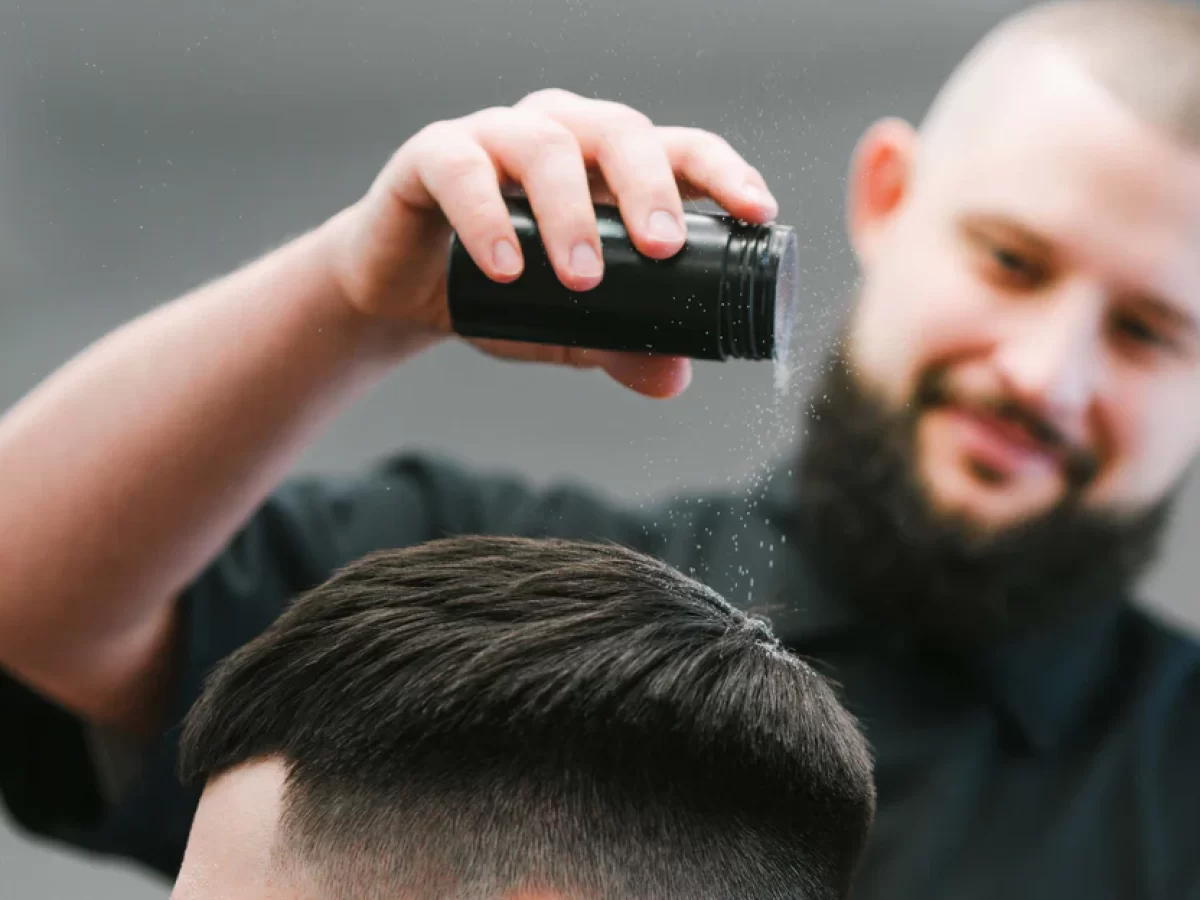
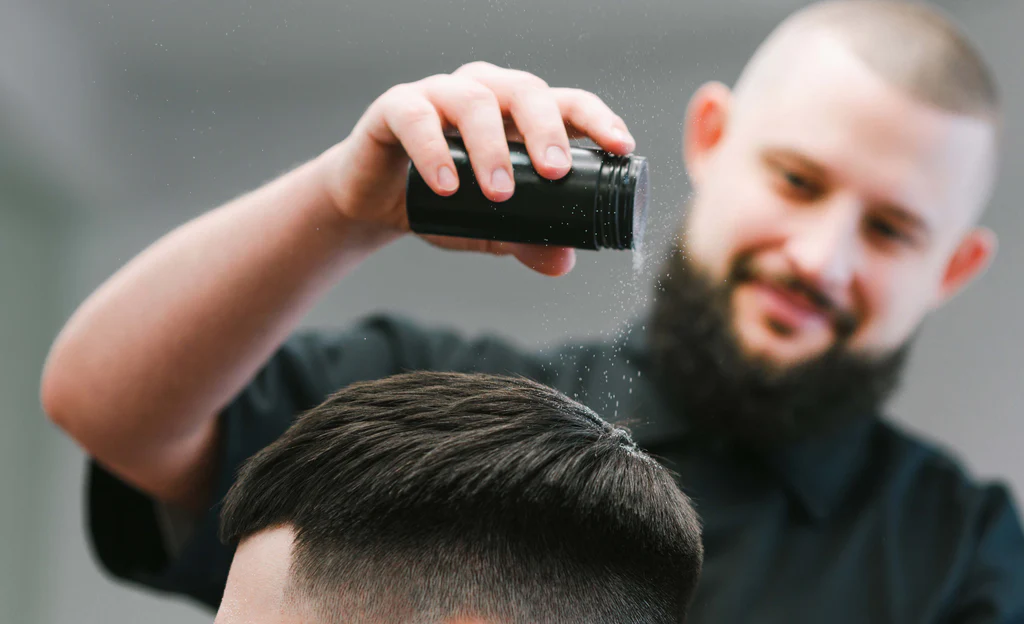
Shake a little powder onto your fingertips first. Then, gently work it into your roots and mid-lengths. Avoid dumping powder directly onto your scalp. This method spreads the product evenly and reduces irritation.
Scalp Care And Detoxing
Clean your scalp regularly to remove powder residue and oil. Use a clarifying shampoo once or twice a week. This deep cleaning prevents clogged pores and scalp irritation. A healthy scalp supports strong, growing hair.
Moisture Maintenance
Texture powder can dry out hair by absorbing oils. Use conditioners and deep treatments to keep hair soft and hydrated. Focus on moisturizing if your hair is curly or damaged. Balanced moisture helps prevent breakage and frizz.
Link Between Texture Powder And Hair Loss
Texture powder is popular for adding volume and grip to hair. People use it to create fuller hairstyles quickly. Concerns exist about whether this product causes hair loss. Understanding how texture powder interacts with the scalp and hair helps clear up doubts.
Hair loss can result from many causes. Texture powder itself does not directly cause hair to fall out. Problems arise mostly from how it is used and scalp condition. Careful use and good hygiene lower risks of hair shedding linked to texture powder.
Scalp Irritation And Shedding
Texture powder may build up on the scalp if not washed out properly. This buildup can clog hair follicles and irritate the skin. An irritated scalp often becomes dry, itchy, and flaky. These conditions can weaken hair roots and increase shedding.
Repeated irritation may cause inflammation that harms hair follicles. Over time, this damage can lead to thinner hair or patches of hair loss. Maintaining a clean scalp by washing hair regularly helps prevent these issues.
Styling Habits Impact
How people apply and remove texture powder affects hair health. Using too much product creates heavy residue that is hard to wash out. Rough removal or excessive brushing can stress hair strands and cause breakage.
Daily use without breaks may dry out hair and scalp. This dryness makes hair brittle and prone to falling. Letting hair rest between styling sessions helps maintain strength and shine.
Gentle application and thorough cleansing keep hair and scalp healthy. Avoid dumping powder directly on roots. Instead, spread a small amount on fingers and work it through hair evenly.
Treatment Options For Hair Loss
Hair loss treatment offers several options to help reduce shedding and promote growth. Choosing the right treatment depends on the cause and severity of hair loss. Many treatments are safe and effective when used properly. Understanding these options can guide better hair care decisions.
Minoxidil Benefits
Minoxidil is a topical solution that helps stimulate hair growth. It widens blood vessels in the scalp, improving circulation. This increased flow nourishes hair follicles, encouraging new hair strands. Minoxidil also slows down hair thinning. It is easy to apply and available over the counter.
Finasteride Role
Finasteride is a prescription pill that blocks a hormone causing hair loss. It reduces dihydrotestosterone (DHT) levels, which shrink hair follicles. Lower DHT allows hair follicles to recover and grow thicker hair. Finasteride works well for male pattern baldness. It requires daily use and a doctor’s supervision.
Ketoconazole Shampoo Effects
Ketoconazole shampoo helps fight scalp inflammation and dandruff. It contains antifungal agents that reduce scalp irritation. A healthy scalp supports stronger hair growth. This shampoo may also lower DHT levels on the scalp. Using it regularly can improve scalp health and reduce shedding.
Combination Therapy Advantages
Combining treatments can increase overall effectiveness against hair loss. Minoxidil and finasteride together target different causes of hair loss. Adding ketoconazole shampoo supports scalp health for better results. Combination therapy often produces faster and more visible hair regrowth. It is important to follow a healthcare provider’s advice for safe use.
Additional Hair Loss Solutions
Hair loss can feel overwhelming. Many seek ways to protect and restore their hair. Besides avoiding harsh products, several treatments help manage hair thinning. These additional hair loss solutions target the root causes and improve hair health.
Dutasteride Use
Dutasteride is a medication that blocks a hormone linked to hair loss. It helps reduce hair follicle shrinkage. Many users see slower hair loss and some regrowth over time. Doctors often prescribe it for male pattern baldness. It works by stopping the conversion of testosterone to DHT. Lower DHT levels can protect hair follicles from damage. Dutasteride requires a prescription and medical guidance. Side effects may include mild sexual dysfunction or hormonal changes. Regular check-ups are important to monitor progress and safety.
Credit: kopelmanhair.com
Frequently Asked Questions
Can Hair Texturizing Powder Cause Hair Loss?
Hair texturizing powder does not directly cause hair loss. Excessive use or poor scalp hygiene may lead to scalp irritation and shedding. Use it sparingly, maintain scalp cleanliness, and moisturize hair to prevent dryness and damage. Proper care minimizes any risk of hair loss linked to texture powder.
What Happens If You Use Hair Texture Powder Every Day?
Using hair texture powder daily can cause buildup, dryness, and scalp irritation. It may make hair dull, brittle, and frizzy, especially for curly or damaged hair. Avoid daily use; instead, apply sparingly and maintain scalp health with regular cleansing and moisturizing.
What Is The Big 3 For Hair Loss?
The Big 3 for hair loss are Minoxidil, Finasteride, and Ketoconazole shampoo. Minoxidil boosts blood flow to follicles. Finasteride blocks DHT hormone, preventing follicle shrinkage. Ketoconazole shampoo helps reduce scalp inflammation and dandruff. Together, they effectively slow hair loss and promote growth.
Is Slick Gorilla Texture Powder Bad For Hair?
Slick Gorilla Texture Powder is not bad for hair if used sparingly. Overuse may cause dryness, buildup, and scalp irritation. Maintain scalp hygiene and moisturize to prevent damage. It does not directly cause hair loss but improper care can contribute to shedding.
Conclusion
Texture powder itself does not cause hair loss. Using it carefully and not daily helps protect your hair. Overuse can lead to buildup and dryness, which may harm hair health. Keeping your scalp clean and moisturizing your hair reduces risks.
Pay attention to your hair type and condition before use. Healthy habits matter more than any single product. Choose quality products and follow proper hair care routines. This way, you keep your hair strong and full of life.
As an Amazon Associate, I earn from qualifying purchases.
Lovingshe is a participant in the Amazon Services LLC Associates Program which is an affiliate advertising program designed to provide a means for sites to earn advertising fees by advertising and linking to Amazon.com. Amazon may use cookies to track referrals from our site. Visit Amazon’s privacy policy for details
