


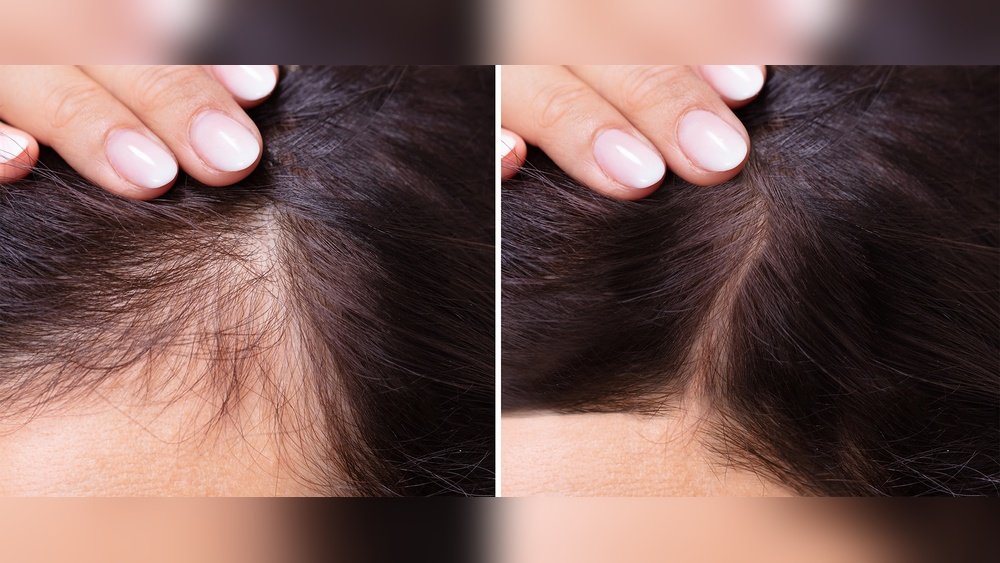
Are you worried about your thinning hair and wondering if nicotine could be the culprit? You’re not alone.
Many people ask, “Does nicotine cause hair loss? ” because they’ve noticed changes in their hair after using nicotine products like cigarettes or nicotine pouches. The truth is, nicotine can affect your hair in several surprising ways. It restricts blood flow to your hair follicles, disrupts your hormones, and causes inflammation—all of which can weaken your hair and speed up hair loss.
If you want to understand exactly how nicotine impacts your hair and what you can do about it, keep reading. This article will give you clear, simple answers to help you protect your hair and feel confident again.
Nicotine And Hair Follicles
Nicotine affects hair follicles in several harmful ways. It can reduce blood flow, disturb hormones, and cause stress at the cellular level. These effects weaken hair and may lead to hair loss.
Understanding how nicotine interacts with hair follicles helps explain why smokers often face thinning hair and balding.
Reduced Blood Flow To Follicles
Nicotine narrows blood vessels around hair follicles. This limits oxygen and nutrients reaching the roots. Without enough nutrients, follicles weaken and hair growth slows. Poor blood flow pushes follicles into a resting phase, causing more hair to fall out.
Hormonal Effects On Hair
Nicotine can raise androgen levels, hormones linked to hair loss. High androgen levels shrink hair follicles, making hair thinner and weaker. This hormonal change speeds up genetic hair loss patterns like male and female pattern baldness.
Oxidative Stress And Inflammation
Nicotine creates free radicals in the body, causing oxidative stress. These harmful molecules damage hair follicle cells. Nicotine also triggers inflammation around follicles. Inflammation harms the scalp environment, reducing hair growth and causing hair to fall out faster.

Credit: hairrestorationtour.com
Nicotine’s Role In Hair Thinning
Nicotine affects hair health in many ways. It harms the scalp’s blood flow. This limits nutrients and oxygen reaching hair follicles. Weak follicles produce thinner, weaker hair strands. Over time, this can lead to noticeable hair thinning and loss.
Nicotine also disrupts hormones. These hormones control hair growth and strength. When out of balance, hair cycles shorten. This causes hair to fall out faster than it grows back.
Acceleration Of Genetic Hair Loss
Nicotine speeds up hereditary hair loss, also called androgenetic alopecia. It raises androgen hormones that shrink hair follicles. Smaller follicles produce thinner hair until they stop growing hair. This quickens the pattern baldness many people inherit.
Impact On Hair Growth Cycle
Nicotine shortens the hair growth phase, known as anagen. It pushes follicles into the resting phase, or telogen, early. This leads to more hair shedding and less new growth. The result is thinner hair and slower regrowth.
Premature Graying And Hair Weakness
Nicotine causes oxidative stress in hair follicles. This damages cells that produce hair pigment. The damage leads to early graying. It also weakens the hair structure, making strands brittle and prone to breakage.
Nicotine Pouches And Hair Loss
Nicotine pouches have grown popular as an alternative to smoking. These products deliver nicotine without tobacco combustion. Many wonder if nicotine pouches cause hair loss. Understanding their effects on hair health helps users make better choices.
Effects Of Zyn And Similar Products
Zyn and other nicotine pouches release nicotine into the bloodstream. Nicotine narrows blood vessels, reducing blood flow to hair follicles. This limits oxygen and nutrients needed for healthy hair growth. Nicotine also raises hormone levels linked to hair loss. It increases inflammation and oxidative stress in follicles. These factors can weaken hair and speed up thinning. Users may notice hair becoming thinner or falling out faster.
Nicotine Absorption And Hair Health
Nicotine absorption through the mouth delivers nicotine quickly. This affects the whole body, including the scalp. Nicotine triggers hormone changes that can disrupt the hair growth cycle. It raises cortisol, a stress hormone tied to hair shedding. Oxidative stress from nicotine damages follicle cells. This damage can lead to premature hair graying and loss. Even without smoking, nicotine pouches can harm hair health.
Potential For Reversibility After Quitting
Stopping nicotine use improves blood flow and hormone balance. Hair follicles may recover if damage is not severe. Some hair regrowth is possible after quitting. The body reduces inflammation and oxidative stress over time. However, genetic hair loss may continue despite quitting. Early quitting offers the best chance to protect hair health. Patience is key, as hair growth takes time to show results.
Other Causes Of Sudden Hair Loss
Sudden hair loss can have many triggers beyond nicotine use. Identifying these causes helps in finding the right treatment. Some factors affect hair growth deeply and rapidly.
Stress And Physical Trauma
Stress shocks the body and disrupts hair growth cycles. Physical trauma like surgery or illness can push hair into shedding. This condition is called telogen effluvium. Hair usually regrows once the body recovers.
Hormonal Shifts
Hormones control hair growth and loss. Changes during pregnancy, menopause, or thyroid problems affect hair health. Hormonal imbalance often leads to thinning or sudden shedding. Balancing hormones can restore normal hair growth.
Nutritional Deficiencies
Hair needs vitamins and minerals to grow strong. Lack of iron, zinc, or vitamin D weakens hair follicles. Poor diet or absorption issues cause these deficiencies. Supplementing nutrients may stop hair loss and promote regrowth.
Autoimmune Conditions
Autoimmune diseases attack hair follicles by mistake. Alopecia areata causes patchy hair loss suddenly. Other conditions like lupus also harm scalp health. Treatment focuses on controlling the immune response to protect hair.
Managing Hair Loss Linked To Nicotine
Managing hair loss linked to nicotine involves several focused steps. Nicotine affects hair health by reducing blood flow and causing hormonal imbalances. Taking action can help slow down or reverse hair loss. Here are key ways to manage this issue effectively.
Quitting Nicotine Products
Stopping all nicotine products is the most important step. Without nicotine, blood vessels open up, improving nutrient flow to hair follicles. Quitting lowers hormone disruption and reduces inflammation. Hair growth has a better chance to recover once nicotine use ends.
Improving Scalp Circulation
Better scalp circulation supports healthy hair growth. Scalp massages increase blood flow and bring more oxygen to follicles. Using gentle brushes or specialized scalp treatments can also help. Regular exercise boosts overall circulation, benefiting the scalp and hair health.
Supporting Hair Recovery
Providing the right nutrients helps hair recover after nicotine damage. Eating foods rich in vitamins A, C, D, and E supports hair strength. Protein and iron also play a key role in hair repair. Using mild hair care products avoids further damage to fragile hair strands.

Credit: www.colaz.co.uk

Credit: hairscience.org
Frequently Asked Questions
Do Zyn Pouches Cause Hair Loss?
ZYN pouches contain nicotine, which can reduce blood flow to hair follicles and disrupt hormones. This may lead to hair thinning or loss over time. Quitting nicotine use can improve hair health, but existing damage might not fully reverse. No direct studies specifically link ZYN to hair loss yet.
Why Am I Suddenly Losing So Much Hair?
Sudden hair loss often results from stress, illness, hormonal changes, surgery, poor nutrition, medications, or autoimmune conditions. Seek medical advice to identify the cause and receive proper treatment. Most cases are temporary with appropriate care.
Does Nicotine Raise Dht?
Nicotine may indirectly raise DHT by disrupting hormones and increasing androgen levels. This can accelerate hair loss and pattern baldness.
Does Vaping Cause Hair Loss?
Vaping introduces nicotine, which narrows blood vessels and disrupts hormones. This can reduce nutrient flow to hair follicles, potentially causing hair thinning and loss over time.
Conclusion
Nicotine can harm hair by reducing blood flow and causing stress. It may speed up hair thinning and early balding. Hormone changes and inflammation also weaken hair follicles. Quitting nicotine helps improve scalp health and can slow hair loss. Some hair may regrow, but results vary.
Staying away from nicotine supports stronger, healthier hair over time.
As an Amazon Associate, I earn from qualifying purchases.
Lovingshe is a participant in the Amazon Services LLC Associates Program which is an affiliate advertising program designed to provide a means for sites to earn advertising fees by advertising and linking to Amazon.com. Amazon may use cookies to track referrals from our site. Visit Amazon’s privacy policy for details
