


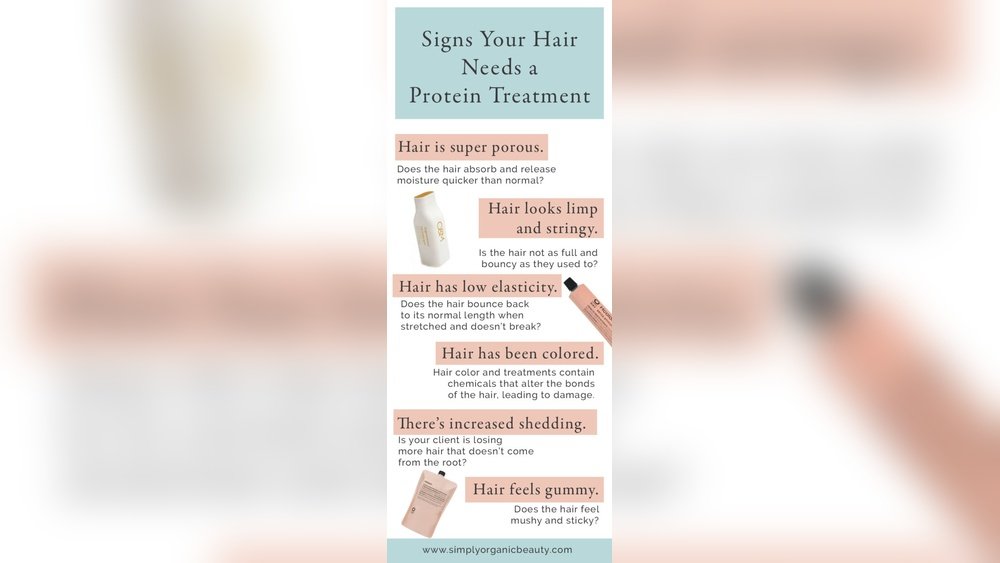
Are you struggling to figure out if your hair is craving protein or just needs a bit more moisture? It’s a common challenge that can leave your hair feeling limp, brittle, or frizzy.
Knowing exactly what your hair needs is key to keeping it strong, shiny, and healthy. In this post, you’ll discover simple signs that reveal whether your hair is begging for protein or hydration—and how to balance both for the best results.
Keep reading to unlock easy tips that will transform your hair care routine and bring back that vibrant bounce you’ve been missing.
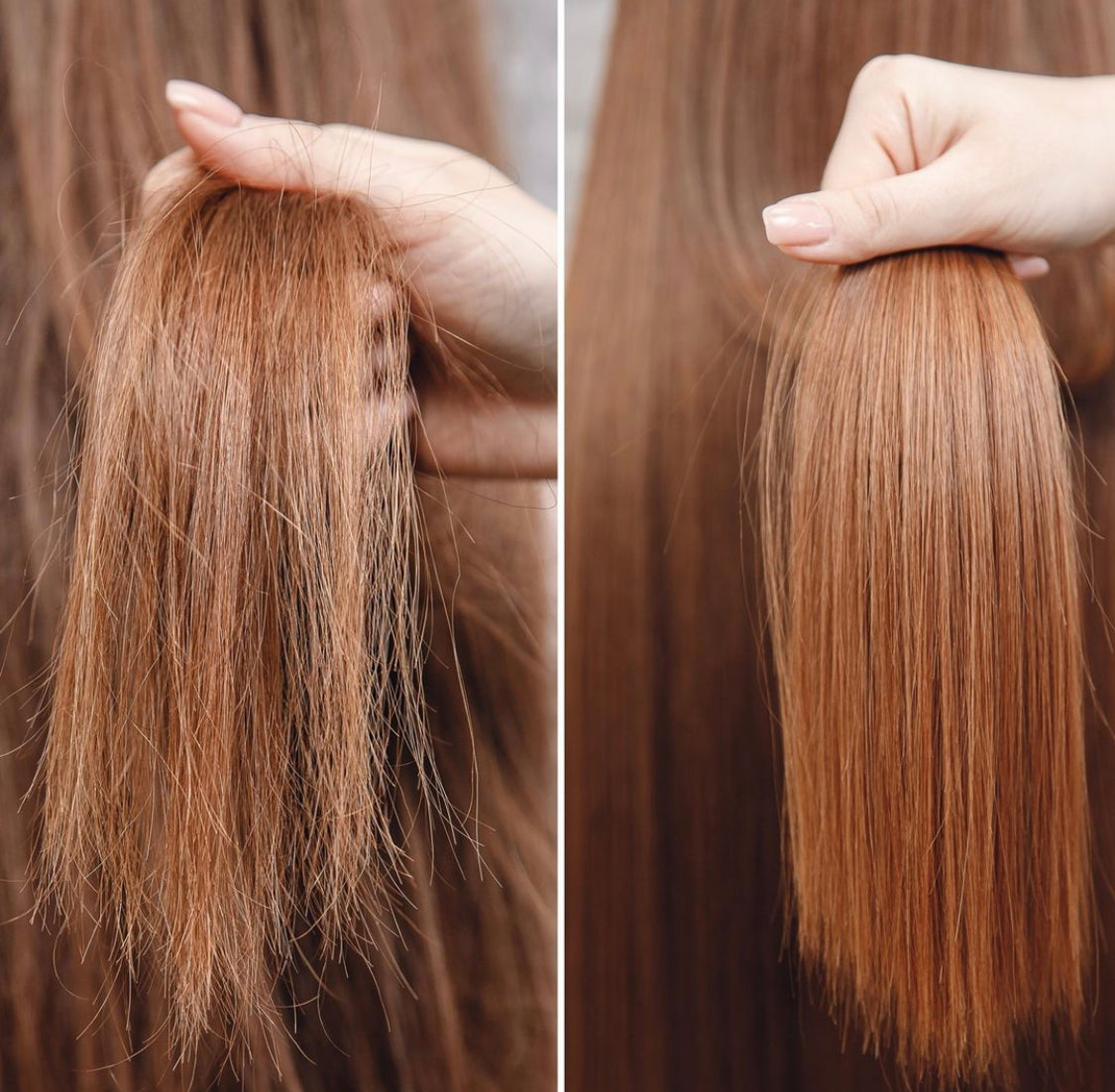
Credit: healiumhair.com
Protein And Moisture Basics
Understanding the basics of protein and moisture is key to healthy hair care. Hair needs both elements to stay strong and flexible. Protein builds and repairs the hair structure. Moisture keeps hair soft and elastic. Without a good balance, hair can become damaged or weak.
Role Of Protein In Hair
Protein forms the main structure of hair strands. It strengthens hair and prevents breakage. Hair with enough protein feels firm and holds its shape. Lack of protein makes hair limp and weak. Protein helps repair damage from heat and styling. It also fills gaps in the hair shaft, improving texture.
Importance Of Moisture
Moisture keeps hair hydrated and soft. It improves hair’s elasticity and shine. Dry hair looks dull and feels rough. Lack of moisture causes frizz and tangles. Well-moisturized hair stretches without breaking. Moisture balances protein to avoid stiffness. Both protein and moisture work together for healthy hair.

Credit: mielleorganics.com
Signs Of Protein Deficiency
Protein is vital for hair strength and structure. Without enough protein, hair loses its resilience and shape. Recognizing signs of protein deficiency helps restore your hair’s health quickly. Protein-deficient hair often feels weak and looks unhealthy.
Soft And Limp Hair Texture
Hair lacking protein feels soft but weak. It becomes limp and loses its natural bounce. This softness is not a sign of healthy hair. Instead, it shows the hair is unable to hold its shape. Protein gives hair its firmness and body. Without it, hair looks flat and lifeless.
Low Elasticity And Breakage
Protein deficiency causes hair to lose elasticity. Hair stretches less and breaks easily. When you gently pull your hair, it snaps quickly. Healthy hair stretches and returns to normal. Weak hair breaks, leading to split ends and damage. Protein strengthens hair strands and prevents breakage.
Stringy Or Clumpy Hair
Hair with low protein often appears stringy or clumpy. Strands stick together instead of separating smoothly. This happens because the hair lacks structure and strength. Clumps of hair may feel gummy or mushy. Protein helps hair strands stay separate and firm. Without enough protein, hair looks messy and unhealthy.
Signs Of Moisture Deficiency
Moisture deficiency in hair can cause many visible problems. It affects the hair’s texture, appearance, and manageability. Knowing the signs helps you care for your hair better and avoid damage. Hair lacking moisture often feels dry and rough. It may lose its natural shine and become hard to detangle. These are clear signals that your hair needs hydration and care.
Dry, Rough, Or Frizzy Hair
Hair that feels dry and rough to the touch usually lacks moisture. The strands may become brittle and break easily. Frizz appears because the hair cuticles lift and cannot hold water. This makes hair look puffy and hard to style. Moisturizing products can help smooth the hair and reduce frizz.
Dullness And Lack Of Shine
Healthy hair reflects light and looks shiny. Dull hair lacks this shine and appears lifeless. Moisture keeps the hair smooth and reflective. Without enough hydration, the hair surface becomes rough. This roughness scatters light, making hair look dull and tired. Adding moisture restores the natural glow to your hair.
Tangling And Split Ends
Dry hair tangles easily because the strands stick together. Lack of moisture causes the cuticles to lift and roughen. This makes hair prone to knots and tangles. Split ends form when hair becomes weak and brittle. Moisturizing helps keep hair flexible, reducing tangles and preventing splits.
The Strand Test For Hair Health
The strand test is a simple and useful way to check your hair’s health. It helps identify if your hair needs protein or moisture. Protein adds strength and structure to hair strands. Moisture keeps hair soft and elastic. The test examines how a single hair strand reacts to gentle stretching. This reaction shows if your hair is balanced or lacking in protein. Understanding your hair’s needs prevents breakage and damage. The strand test is easy to do at home with no special tools.
How To Perform The Strand Test
Start with clean, dry hair. Take a single hair strand from your head. Hold the strand gently between your thumb and forefinger. Slowly stretch the strand without pulling too hard. Stretch it just until it feels tight. Notice how much it stretches before it breaks or returns to its original length. Do this test a few times on different strands for better results. Avoid testing hair that is wet or very dirty. This gives a clearer picture of hair strength.
Interpreting Stretch And Snap Results
If the strand stretches a little and returns to normal, your hair has good elasticity. This means your hair has enough protein and moisture. If the strand stretches very far without snapping, your hair may lack protein. Hair that stretches too much can feel limp and weak. If the strand snaps quickly with little stretch, your hair needs protein. Quick snapping means the hair lacks strength and breaks easily. Use these results to adjust your hair care routine. Protein treatments can help strengthen weak hair strands.
Balancing Protein And Moisture
Balancing protein and moisture is key to healthy hair. Protein gives hair strength and structure. Moisture keeps hair soft and elastic. Too much protein can make hair stiff and brittle. Too much moisture can leave hair limp and weak. Understanding this balance helps maintain strong, shiny hair.
Protein Treatments To Strengthen Hair
Protein treatments rebuild hair’s structure. They fill gaps in the hair cuticle. This reduces breakage and split ends. Use protein treatments if hair feels mushy or snaps easily. They add firmness without making hair hard. Regular use keeps hair resilient and healthy.
Moisture Treatments For Hydration
Moisture treatments hydrate dry, rough hair. They improve softness and shine. Use them if hair feels straw-like or frizzy. Moisturizers help hair bounce back when stretched. They prevent tangles and reduce split ends. Hydrated hair looks smooth and feels flexible.
Adjusting Based On Hair Needs
Listen to your hair’s texture and feel. Use protein treatments for limp or weak hair. Use moisture treatments for dry or frizzy hair. Avoid using too much of either. Alternate treatments to keep balance. Watch how hair responds and adjust care accordingly.
Common Mistakes To Avoid
Knowing if your hair needs protein can be tricky. Many people make mistakes that harm their hair more than help it. Avoiding these common errors keeps hair healthy and strong. Understanding what your hair truly needs helps you choose the right care.
Overloading Protein
Too much protein makes hair stiff and brittle. Hair feels hard, breaks easily, and looks dull. Overloading protein can cause damage, not repair. Hair needs balance, not excess. Use protein treatments sparingly, following product instructions carefully. Watch how your hair reacts before adding more protein.
Ignoring Moisture Needs
Protein alone cannot keep hair soft and flexible. Without moisture, hair becomes dry and fragile. Ignoring moisture leads to breakage and rough texture. Hair needs water and oils to stay healthy. Combine protein treatments with moisturizing care. Use conditioners and leave-in products that hydrate deeply.
Tips For Maintaining Healthy Hair
Maintaining healthy hair requires consistent care and the right choices. Healthy hair looks shiny, feels soft, and resists breakage. Simple habits can protect your hair and keep it strong. Understanding your hair’s needs helps you maintain its natural beauty and vitality.
Regular Hair Care Routine
Wash your hair regularly but not too often to avoid dryness. Use lukewarm water to prevent damage to hair strands. Gently massage your scalp to boost blood flow and encourage growth. Avoid tight hairstyles that pull on your hair and cause breakage. Trim your hair every 6 to 8 weeks to remove split ends. Pat hair dry with a towel instead of rubbing it roughly.
Choosing The Right Products
Select shampoos and conditioners that match your hair type. Look for protein-enriched products if your hair feels weak or limp. Use moisturizing conditioners if your hair feels dry or rough. Avoid products with harsh chemicals like sulfates and parabens. Use leave-in conditioners or oils to add extra moisture and protection. Test new products on a small section before full use to check for reactions.

Credit: www.reddit.com
Frequently Asked Questions
How Do I Tell If My Hair Needs Moisture Or Protein?
Test a dry hair strand by gently stretching it. If it snaps quickly, your hair needs moisture. If it feels mushy or overly soft, it needs protein. Limp, breaking hair signals protein deficiency; dry, frizzy hair signals moisture loss. Adjust treatments to restore balance and strength.
What Does Lack Of Protein Look Like In Hair?
Lack of protein in hair causes limp, mushy texture and low elasticity. Hair breaks easily and appears stringy or clumpy.
What Hair Type Needs The Most Protein?
Curly, damaged, and chemically treated hair types need the most protein to restore strength and prevent breakage.
What Might The 5 Signs Of A Protein Deficiency Be?
Five signs of protein deficiency include weak, easily breaking hair, limp or mushy texture, low elasticity, stringy strands, and increased hair shedding.
Conclusion
Healthy hair needs the right protein balance. Watch for limp or gummy strands. Hair that breaks easily often lacks protein. The strand test helps you check your hair’s needs. Keep your hair strong and elastic by adjusting protein use. Remember, too much protein can make hair stiff or brittle.
Pay attention to how your hair feels and behaves. This helps you care for it better every day.
As an Amazon Associate, I earn from qualifying purchases.
Lovingshe is a participant in the Amazon Services LLC Associates Program which is an affiliate advertising program designed to provide a means for sites to earn advertising fees by advertising and linking to Amazon.com. Amazon may use cookies to track referrals from our site. Visit Amazon’s privacy policy for details
