


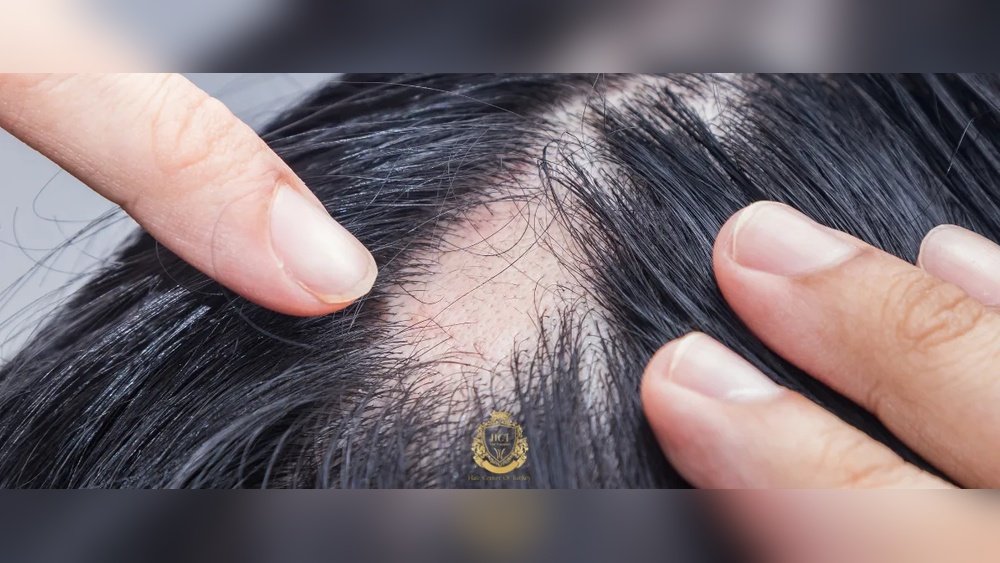
Are you worried that your daily hair gel might be the reason behind your thinning hair? Many people ask, “Does hair gel cause hair loss?” It’s a common concern, especially if you love styling your hair every day.
While hair gel can give you that perfect look, it’s important to understand how it affects your scalp and hair health. You’ll discover the truth behind the myths, learn about the potential risks, and find out how to use hair gel safely without harming your hair.
Keep reading to protect your hair and keep it looking its best!

Credit: www.thesun.co.uk
Hair Gel And Hair Loss Myths
Many people worry that hair gel causes hair loss. This fear comes from several myths and misunderstandings. It is important to separate facts from fiction about hair gel and hair loss. Understanding the truth helps you make better choices for your hair care routine.
Common Misconceptions
One common myth says hair gel clogs hair follicles and blocks hair growth. Another says using gel daily weakens hair and causes it to fall out. Some believe alcohol in gels dries hair and leads to breakage and hair loss. These ideas spread fast but lack strong scientific proof. Hair gel itself does not pull out hair or stop it from growing.
What Experts Say
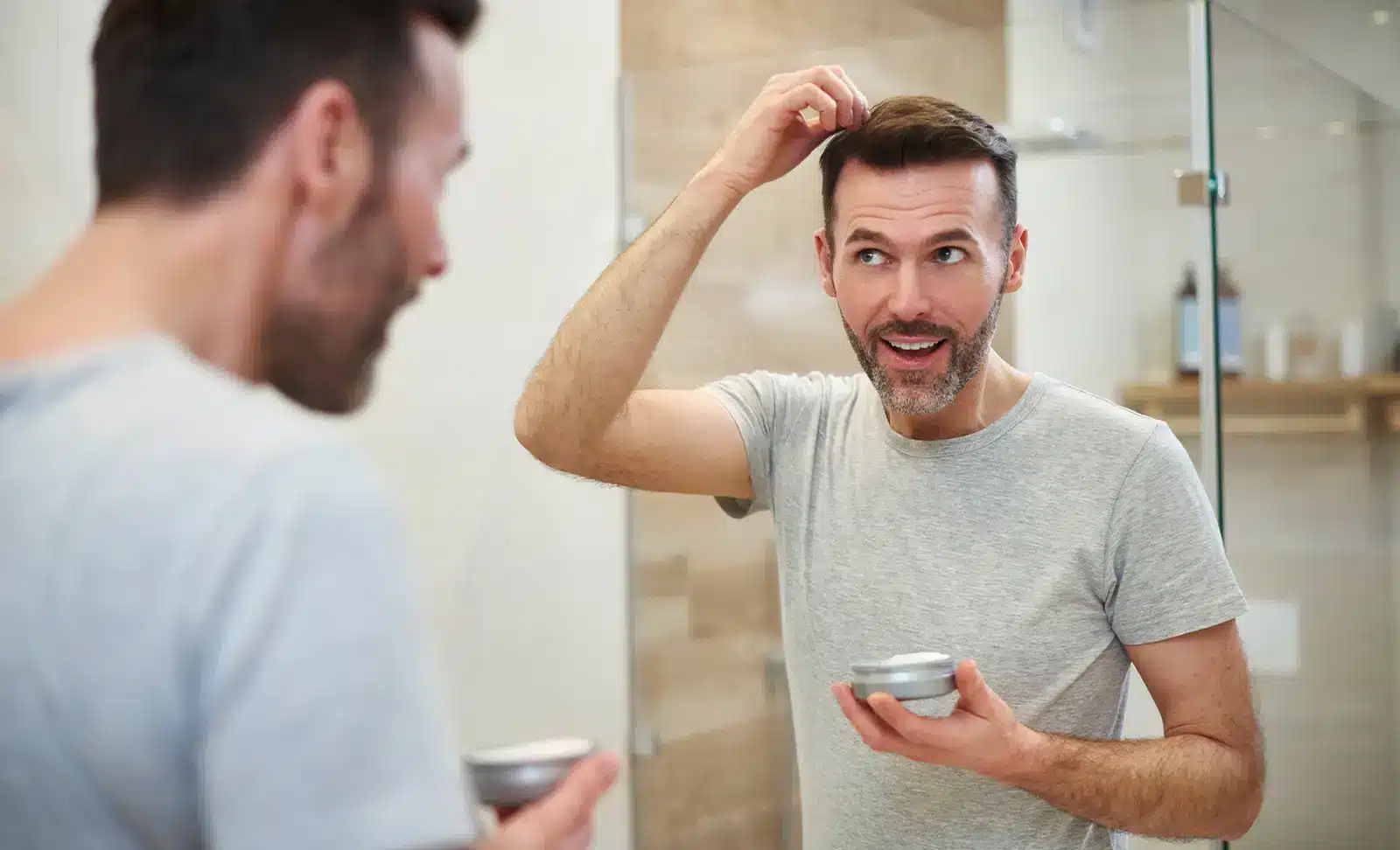
Dermatologists and hair experts explain that hair gel does not directly cause hair loss. Hair falls out naturally as part of the hair growth cycle. Problems arise only when scalp health is poor. Using harsh gels with alcohol or not washing out gel well can cause scalp irritation. This irritation might lead to hair shedding. Experts recommend choosing gentle, alcohol-free gels. Washing hair regularly removes buildup and keeps follicles healthy. Proper hair care supports strong hair growth despite using gel.
Credit: www.hshairclinic.co.uk
How Hair Gel Affects Hair Health
Hair gel is a popular styling product used worldwide. It helps shape and hold hairstyles in place. Understanding how hair gel affects hair health is important. It can impact both the hair strands and the scalp. These effects influence hair strength and growth over time.
Impact On Hair Strands
Hair gel can dry out hair strands, especially if it contains alcohol. Dry hair becomes brittle and breaks easily. Continuous use without proper care weakens hair structure. Some gels create a stiff coating that traps moisture out. This lack of moisture leads to rough, damaged hair. Choosing alcohol-free gels and moisturizing hair helps maintain strand health.
Effects On Scalp
Hair gel buildup can clog scalp pores and hair follicles. This buildup causes itching, irritation, and dandruff. A blocked scalp environment harms hair growth and root strength. Harsh chemicals in gel may trigger scalp redness or inflammation. Washing hair thoroughly to remove gel is essential. Healthy scalp conditions support strong, growing hair.
Risks Of Daily Hair Gel Use
Using hair gel every day may seem harmless but it carries certain risks. Daily use can affect hair and scalp health in multiple ways. Understanding these risks helps in choosing better hair care habits. Avoiding damage requires awareness of how gel impacts hair over time.
Dryness And Breakage
Many hair gels contain alcohol that dries out hair strands. Dry hair becomes brittle and breaks easily. Continuous use without moisture weakens hair structure. Breakage can make hair appear thinner and less healthy. Moisturizing and limiting gel use reduces this risk.
Product Buildup And Clogged Follicles
Gel residue can accumulate on the scalp and hair roots. This buildup blocks hair follicles and traps dirt. Blocked follicles may stop new hair from growing properly. It also causes scalp flaking and discomfort. Regular washing helps prevent buildup and keeps follicles clear.
Scalp Irritation And Dandruff
Harsh chemicals and buildup irritate the scalp skin. Irritation causes redness, itching, and sometimes dandruff. Scratching worsens scalp health and can damage hair roots. Sensitive scalps are more prone to reactions from daily gel use. Using gentle gels and scalp care products helps soothe irritation.
Indirect Hair Thinning
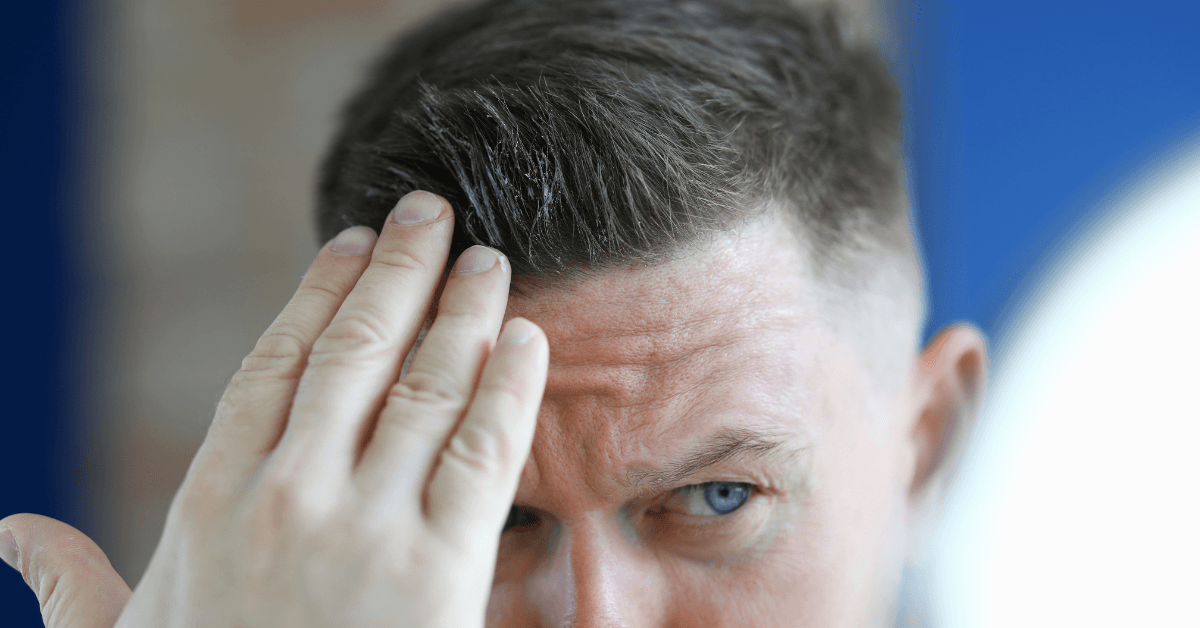
Hair gel itself does not cause direct hair loss. But dryness, breakage, and scalp problems weaken hair over time. Weak hair breaks off or falls out more easily. This leads to an appearance of thinning hair. Healthy scalp care and less frequent gel use support stronger hair growth.
Credit: kalondermatology.com
Choosing The Right Hair Gel
Choosing the right hair gel is important to keep your hair healthy and strong. Not all hair gels are the same. Some can dry out your hair or irritate your scalp. Picking a gentle product protects your hair from damage and loss. Focus on gels that care for your hair while giving you a good hold.
Alcohol-free Options
Many hair gels contain alcohol, which can dry your hair and scalp. Dryness makes hair weak and more likely to break. Alcohol-free gels keep moisture in your hair. They reduce the chance of irritation and flakes. Choose gels labeled “alcohol-free” to avoid drying effects. These options help maintain healthy hair and scalp.
Nourishing Ingredients To Look For
Some hair gels have ingredients that support hair health. Look for gels with natural oils like argan or jojoba oil. These oils add moisture and shine. Aloe vera is another good ingredient. It soothes the scalp and reduces itchiness. Vitamins like B5 and E help strengthen hair strands. Gels with these nutrients protect your hair from damage.
Safe Hair Gel Application Tips
Safe hair gel use protects hair and scalp health. Proper application avoids damage and hair loss risk. Follow simple tips for best results. These tips keep hair strong and scalp clean.
Applying On Hair, Not Scalp
Apply gel only on hair strands. Avoid the scalp to prevent clogging pores. Scalp buildup causes irritation and weakens hair roots. Use small amounts and spread evenly through hair. This method reduces scalp stress and hair breakage.
Regular Washing And Conditioning
Wash hair daily or every other day to remove gel residue. Use gentle shampoo to clean scalp and hair. Conditioner helps restore moisture and softness after washing. Clean hair reduces flakes, itching, and clogged follicles. Healthy scalp supports strong hair growth.
Moisturizing To Prevent Dryness
Hair gels can dry out hair if used often. Use a good moisturizer or leave-in conditioner after styling. Moisturizing keeps hair soft and flexible. Prevents breakage caused by dryness and stiffness. Hydrated hair looks shiny and feels healthy.
Taking Breaks From Styling Products
Give hair time to breathe by avoiding gel use sometimes. Breaks reduce product buildup on scalp and hair. Helps scalp recover and stay balanced. Hair becomes less prone to irritation and damage. Rotate styles without gel for healthier hair over time.
Long-term Hair Care With Styling Products
Long-term hair care with styling products requires careful attention to both hair and scalp health. Using hair gel and similar products often demands a balanced routine. This routine helps maintain the natural strength and shine of hair while allowing for creative styling. Proper habits reduce risks of damage that styling products might cause over time.
Choosing the right products and following good hygiene practices supports lasting hair health. Consistent scalp care and mindful styling help prevent common problems like dryness and breakage. Understanding how to balance styling needs with hair growth is key for anyone who uses hair gel regularly.
Maintaining Scalp Health
Healthy hair starts with a healthy scalp. Regular cleaning removes product buildup and dirt. This prevents clogged pores and irritation. Gently massaging the scalp boosts blood flow, which supports hair follicles. Avoid harsh chemicals that dry out or inflame the scalp. Use mild shampoos suited for your hair type. Moisturizing the scalp keeps it nourished and prevents flaking. Clean and cared-for scalp creates a strong foundation for hair growth.
Balancing Styling And Hair Growth
Styling should not come at the cost of hair health. Use hair gel in moderation to avoid dryness and breakage. Alcohol-free gels reduce the risk of scalp irritation. Always wash out styling products before bed. This prevents residue buildup that can weaken hair roots. Combine styling with a healthy diet rich in vitamins for hair growth. Limit heat styling and tight hairstyles that pull on hair. Balance styling and care to keep hair strong and vibrant over time.
Frequently Asked Questions
What Happens If I Use Hair Gel Every Day?
Using hair gel daily can cause dryness, scalp irritation, and product buildup. This may lead to breakage and itching. Choose alcohol-free gels, wash hair nightly, and moisturize to reduce damage. Limiting daily use helps maintain healthy hair and scalp.
What To Use Instead Of Hair Gel?
Use natural alternatives like aloe vera gel, coconut oil, shea butter, or flaxseed gel for a healthy hair hold without damage.
Is Hair Gel Good Or Bad For Your Hair?
Hair gel can dry and damage hair if used daily, especially alcohol-based ones. Use alcohol-free gel, wash thoroughly, and moisturize to protect hair health.
What Is The Healthiest Hair Gel?
The healthiest hair gels are alcohol-free, contain natural ingredients, and nourish hair without causing dryness or buildup. Choose gels with aloe vera or vitamin E.
Conclusion
Hair gel itself does not directly cause hair loss. Problems arise mainly from poor scalp care or harsh ingredients. Using alcohol-free gels helps protect hair and scalp health. Always wash your hair well to remove gel buildup daily. Moisturize regularly to keep hair strong and prevent breakage.
Avoid applying gel directly on the scalp to reduce irritation risk. Healthy habits support hair growth while styling with gel. Choose products carefully and maintain a clean scalp for best results. Hair gel can be safe if used with proper care and hygiene.
As an Amazon Associate, I earn from qualifying purchases.
Lovingshe is a participant in the Amazon Services LLC Associates Program which is an affiliate advertising program designed to provide a means for sites to earn advertising fees by advertising and linking to Amazon.com. Amazon may use cookies to track referrals from our site. Visit Amazon’s privacy policy for details
