


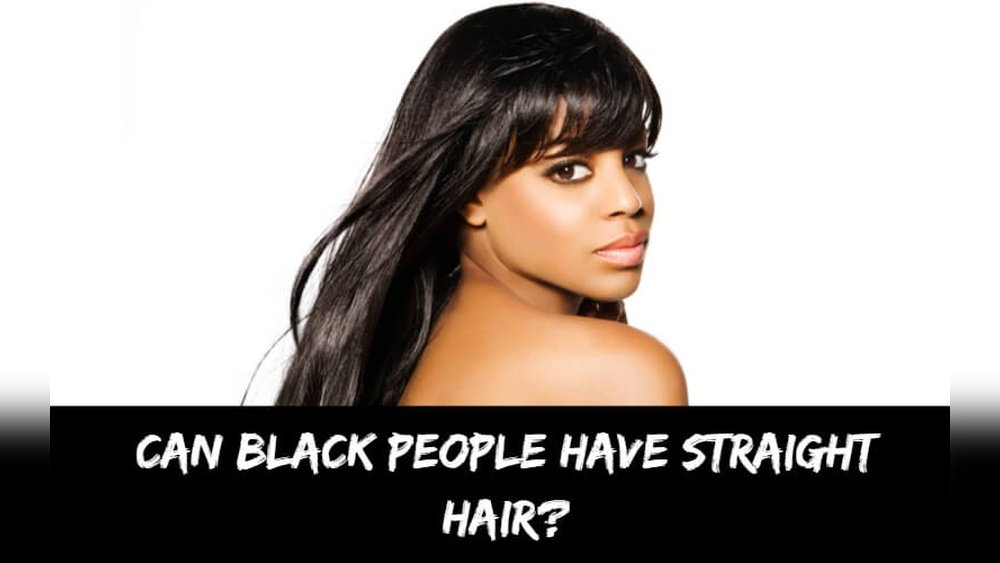
Have you ever wondered if Black people can have naturally straight hair? It’s a question that often sparks curiosity and even surprises many.
The truth is, hair texture among Black individuals is incredibly diverse, influenced by genetics and heritage. While you might usually associate Black hair with curls or coils, there are cases—especially in certain African regions—where straight or wavy hair occurs naturally.
Understanding this not only breaks common stereotypes but also celebrates the rich variety of Black hair textures. Stick around as we explore the science, culture, and facts behind this fascinating topic—your perspective on hair might just change.
Natural Hair Diversity
Black hair shows a wide range of natural textures. Hair types vary from tightly coiled to loosely curled and straight. This variety comes from different genetic backgrounds and regions across Africa.
Understanding natural hair diversity helps break common myths. It also respects the unique beauty found in Black hair worldwide.
Genetics And Follicle Shape
Hair texture depends mainly on hair follicle shape. Curly hair comes from oval or flat follicles. Round follicles usually produce straight hair.
Genetic variations influence follicle shapes. This leads to the wide range of hair textures in Black populations. Straight hair genes are less common but still present.
East African Hair Patterns
East African groups often have different hair textures than West Africans. Many East Africans have hair that is wavy or straight.
Countries like Ethiopia, Somalia, and Eritrea show more smooth hair patterns. This diversity comes from their unique genetic history.
Rare Natural Straight Hair Cases
Some Black people naturally have straight hair. These cases are rare but well documented. Often, mixed ancestry plays a role.
Natural straight hair among Black people proves hair diversity exists. It challenges the idea that Black hair must be curly or coiled.

Credit: www.nadula.com
Hair Texture Genes
Hair texture comes from genes passed down by parents. These genes decide if hair is curly, wavy, or straight. Many genes work together to create unique hair patterns. The shape of hair follicles affects hair texture too.
Black hair tends to be curly due to dominant genes. Still, some Black people have straight hair naturally. This happens because of gene variations and mixed heritage. Understanding these genes helps explain the diversity in hair textures.
Dominance Of Curly Hair Genes
Curly hair genes usually dominate over straight hair genes. This means curly hair is more common in Black people. The curly hair gene affects hair follicle shape, making hair strands curl. Straight hair genes are often recessive and less visible.
Even if a person carries straight hair genes, curly genes often show up more. This is why most Black people have curly or coiled hair. But rare cases of naturally straight hair exist due to gene combinations.
Mixed Ancestry And Hair Types
Mixed ancestry changes how hair texture genes work together. When Black people have ancestors from other groups, hair texture can vary. European or Asian genes can add straight hair traits. This leads to a wider range of hair types.
Many Black Americans have mixed heritage, which affects their hair texture. Some may have wavy or straight hair naturally. This mix explains why some Black people have different hair textures than expected.
Styling Techniques
Styling techniques allow many Black individuals to wear straight hair confidently. These methods offer various options to achieve a sleek look. Each technique has unique benefits and care requirements. Choosing the right method depends on hair health, lifestyle, and desired results.
Chemical Relaxers
Chemical relaxers break down hair’s natural curl pattern. They make hair straighter and easier to manage. Application must be done carefully to avoid damage. Regular touch-ups keep hair looking smooth. Proper moisturizing helps maintain hair health after relaxing. Many prefer this method for long-lasting straight hair.
Heat Styling Tools
Heat tools like flat irons and blow dryers straighten hair temporarily. They provide quick results without chemicals. Use heat protectant sprays to reduce damage. Avoid high temperatures to keep hair healthy. This method suits those who want straight hair for special occasions. Heat styling requires regular care to prevent breakage.
Extensions And Wigs
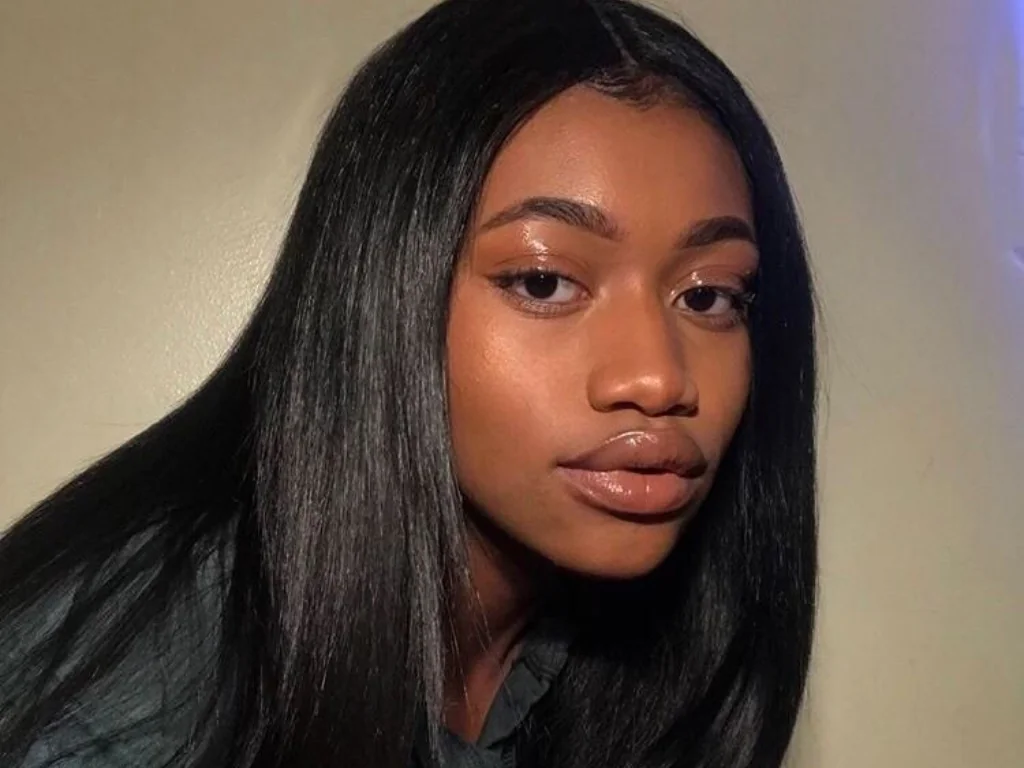
Extensions and wigs offer straight hair without altering natural hair. They come in many styles and lengths. Wearing them protects natural hair from heat and chemicals. Choose high-quality products for a natural look. This option is versatile and low maintenance. It allows easy switching between curly and straight styles.
Credit: yoghair.com
Cultural Perspectives
Understanding cultural views on Black hair reveals deep social meanings. Hair texture often reflects identity and history. Straight hair in Black communities carries complex cultural significance. These perspectives shape how hair is seen and valued.
Eurocentric Beauty Standards
Eurocentric beauty ideals favor straight, smooth hair. This ideal often excludes natural Black hair textures. Many Black people feel pressure to conform to these standards. Straight hair is wrongly seen as more professional or attractive. These views affect self-esteem and cultural pride.
“good Hair” And Social Impacts
The term “good hair” often means straighter or looser curls. This idea has roots in colonialism and racism. It creates divisions within Black communities based on hair type. People with curlier hair may face discrimination or bias. The social impact influences job opportunities and social acceptance.
Hair As Personal Expression
Hair is a powerful way to express personality and culture. Many Black people use hair to celebrate heritage and individuality. Styles range from natural curls to straightened looks. Choosing hair texture can be a form of self-expression. It challenges stereotypes and embraces diversity.
Global Examples
Hair texture varies widely across the world, even within populations commonly thought to have uniform traits. Black people can have straight hair naturally in many global communities. This diversity comes from complex genetics shaped by history and environment. Exploring examples worldwide shows how hair types differ among Black populations and mixed-race groups.
Straight Hair In African Populations
Some African groups naturally have straighter hair. East African populations such as Somalians, Ethiopians, and Eritreans often display smoother hair textures. Their hair ranges from wavy to nearly straight. This happens due to unique genetic traits distinct from other African regions.
These hair types have adapted over thousands of years to local climates and genetic mixing. Straighter hair in these groups challenges the common belief that all Black Africans have tightly coiled hair. It shows the rich variety within the continent itself.
Mixed-race Hair Textures Worldwide
Black people with mixed heritage often have a wide range of hair textures. In countries like the United States, Brazil, and the Caribbean, many people have both African and non-African ancestry. This mix produces hair that can be straight, wavy, or curly.
Genetic blending leads to diverse hair types in mixed-race populations. Some individuals inherit straighter hair genes from non-African ancestors. Others have combinations creating unique textures. This variety reflects global migration and cultural exchange over centuries.

Credit: www.reddit.com
Frequently Asked Questions
Can Afro Hair Be Straight?
Yes, Afro hair can be naturally straight, especially in some East African populations. Most Black people achieve straight hair through styling methods like relaxers or heat tools. Hair texture varies due to genetics, with rounder follicles producing straighter hair.
What Ethnicity Usually Has Straight Hair?
East Asian, Native American, Caucasian, and some Middle Eastern ethnicities usually have naturally straight hair due to round hair follicles.
Can Mixed Black Kids Have Straight Hair?
Yes, mixed Black kids can have straight hair due to genetic variation. Hair texture depends on inherited hair follicle shape. Some have naturally straight or wavy hair, especially with diverse ancestry. Many achieve straight hair through styling, but natural straight hair occurs in mixed heritage children.
Can Black People Have Natural Straight Hair On Reddit?
Yes, some Black people naturally have straight hair due to genetic diversity, especially in East African populations. Most Black Americans with straight hair have mixed ancestry or use styling methods. Hair texture varies widely, reflecting unique genetics and heritage within Black communities.
Conclusion
Black people can have straight hair naturally, though it is less common. Genetics play a key role in hair texture differences. Some East African groups often have straighter hair. In the U. S. , straight hair often comes from mixed ancestry or styling methods.
Hair textures vary widely within Black communities. Each texture is beautiful and unique. Embracing this diversity helps break common hair myths. Understanding genetics clarifies how straight hair appears naturally. Hair is a personal expression, not limited by stereotypes. Celebrate all hair types with confidence and pride.
As an Amazon Associate, I earn from qualifying purchases.
Lovingshe is a participant in the Amazon Services LLC Associates Program which is an affiliate advertising program designed to provide a means for sites to earn advertising fees by advertising and linking to Amazon.com. Amazon may use cookies to track referrals from our site. Visit Amazon’s privacy policy for details
