


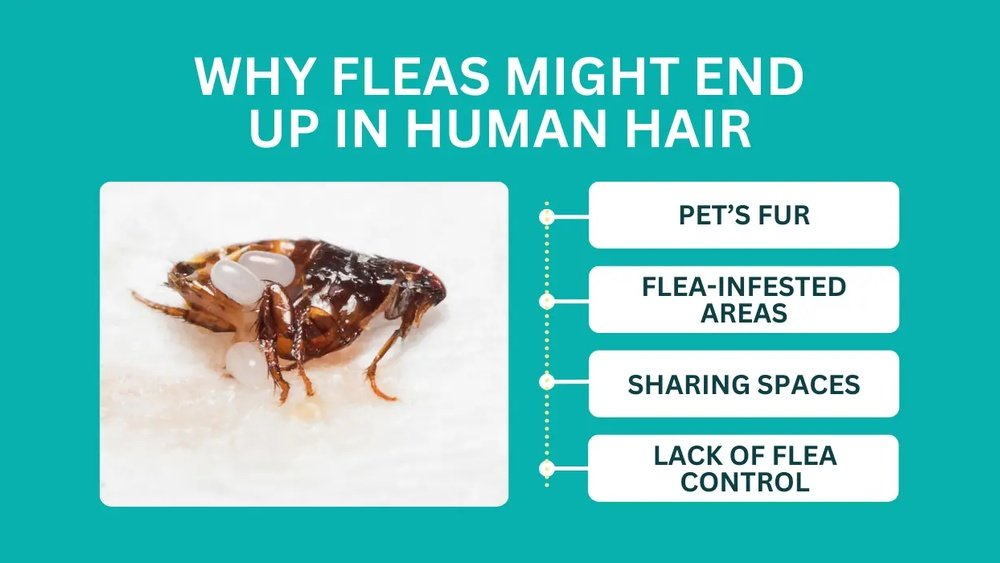
Have you ever wondered if those pesky dog fleas can make your hair their home? If you’ve noticed unexplained itching or tiny bites around your scalp, the thought might be running through your mind right now.
Understanding whether dog fleas can live in human hair isn’t just curiosity—it’s key to protecting yourself and your loved ones from discomfort and potential skin problems. You’ll discover the surprising truth about fleas and human hair, how to spot the signs if fleas have hitched a ride, and what steps you can take to keep your scalp flea-free.
Keep reading to learn everything you need to know and take control of the situation before it gets out of hand.
Dog Fleas And Human Hair
Dog fleas often cause concern for pet owners. Many wonder if these fleas can live in human hair. Understanding flea behavior helps clear up this common question.
Fleas are small, wingless insects that feed on blood. They prefer certain hosts and environments. Knowing their habits reveals why human hair is not ideal for dog fleas.
Flea Behavior And Preferences
Dog fleas mainly live on animals with fur. They thrive in thick coats where they hide and lay eggs. Fleas jump easily and move quickly on pets.
They feed on animals’ blood several times a day. Fleas prefer warm and humid places on the host body. Their bodies are adapted to cling to fur strands, not smooth skin.
Why Fleas Rarely Live On Humans
Human hair is different from pet fur. It is usually less dense and has a different texture. This makes it hard for dog fleas to hold on tightly.
Humans have fewer places for fleas to hide. Fleas also prefer animal blood over human blood. They can bite humans but cannot live or reproduce on them.
Fleas may jump onto humans briefly. They often fall off or get brushed away quickly. Fleas do not stay long in human hair because it lacks the right environment.

Credit: kdfoundation.org
Signs Of Fleas In Hair
Fleas rarely live in human hair but can briefly jump onto the scalp. Recognizing signs of fleas in hair is important to stop discomfort quickly. Flea bites cause irritation, itching, and sometimes allergic reactions. Spotting these signs early helps prevent spreading and eases symptoms faster.
Intense Itching And Red Bumps
An intense itch on the scalp or behind the ears is a common sign. Flea bites cause small, red bumps that often appear in clusters or lines. These bumps may feel irritated and sore. Itching usually worsens at night or after pet contact.
Crawling Sensation
A tickling or crawling feeling on your scalp is a strong indicator. This sensation happens when fleas move or jump on the skin. It can cause restlessness and discomfort. The feeling may come and go but often returns with flea activity nearby.
Spotting Flea Dirt
Flea dirt looks like tiny black or dark brown specks on the scalp or hair strands. These specks are flea feces, which contain dried blood. To check, comb your hair over a white towel and look for dark dots. Wetting these specks can turn them reddish, confirming flea dirt presence.
Fleas In Your Bed
Fleas can invade your bed and cause discomfort during sleep. These tiny pests jump from pets or the floor onto your bedding. Once there, they may bite and leave itchy marks. Fleas do not live in human hair for long, but they find warmth and blood in your bed. Keeping your bedding clean is key to stopping fleas.
Understanding how fleas reach your bed helps prevent infestations. They hide in mattress seams, blankets, and pillows. Fleas survive by feeding on blood, so they stay close to hosts. Removing fleas from your bed reduces itching and stops the cycle.
How Fleas Get Into Bedding
Fleas jump onto your bed from pets like dogs and cats. They may also come from carpets or floors near the bed. Fleas lay eggs in your pet’s fur, which fall off into bedding. These eggs hatch into larvae that grow in the fabric folds. Fleas then mature and wait to feed on a host. They move quickly and can hide deep inside blankets.
Fleas can also crawl onto bedding after you sit or lie down on infested floors. The warmth and carbon dioxide from your body attract fleas. They sense this and jump into your bed seeking blood meals. Knowing this helps you clean and treat areas pets frequent.
Common Signs Of Bed Fleas
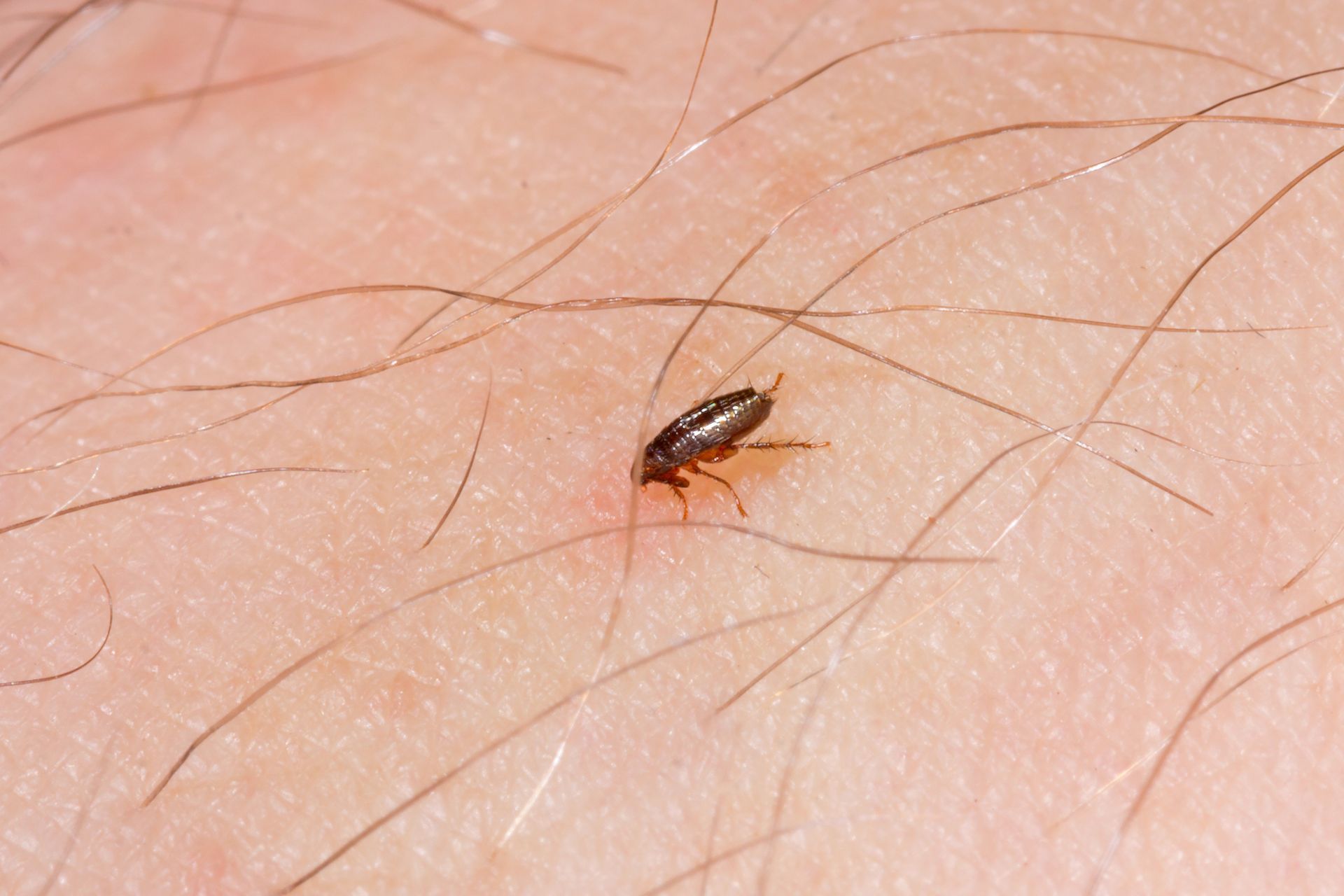
You may notice small red bites on your skin, often in clusters. These bites itch and can cause swelling or rash. Fleas leave tiny dark specks called flea dirt on your sheets. This flea dirt turns red if wet because it contains dried blood. You might feel a crawling or jumping sensation while in bed.
Another sign is seeing tiny fast-moving insects on your bedding. These are adult fleas ready to feed. If your pet has fleas, your bed is likely affected too. Regularly check your bedding and pet for these signs to act early.
Credit: www.ecoguardpestmanagement.com
Removing Fleas From Hair And Home
Removing fleas from hair and home requires quick and careful action. Fleas may jump onto your scalp but cannot live long there. They hide in pets and home areas. Treating hair and cleaning your living space stops fleas from returning. Here are effective steps to remove fleas completely.
Hair Treatment Options
Use a fine-tooth comb to remove fleas and eggs from hair. Wash hair with special flea shampoos made for humans or mild anti-flea products. Rinse hair thoroughly and repeat treatment after a week. Avoid harsh chemicals to protect your scalp and skin. Dry hair well to prevent moisture that fleas like.
Cleaning Bedding And Furniture
Wash all bedding in hot water to kill fleas and eggs. Vacuum carpets, rugs, and furniture carefully to remove fleas. Dispose of vacuum bags or clean vacuum containers immediately. Use steam cleaning on furniture and floors for extra flea removal. Keep cleaning regularly for several weeks to stop flea life cycles.
Pet Flea Control Methods
Treat pets with vet-approved flea control products like collars, sprays, or spot-on treatments. Bathe pets with flea shampoos to remove fleas on their bodies. Check pets daily for signs of fleas. Keep pet sleeping areas clean and wash pet bedding often. Consult your vet about the best flea prevention for your pet.
When To Seek Professional Help
If flea problems persist after home treatments, call a pest control expert. Professionals use stronger treatments safe for your family and pets. They identify flea hiding spots and treat them effectively. Early professional help stops heavy infestations. Don’t wait if flea bites or allergies worsen.

Credit: www.itchpet.com
Frequently Asked Questions
How Long Can Dog Fleas Live In Human Hair?
Dog fleas cannot live long in human hair. They survive only a few hours without a pet host and do not reproduce on humans.
What Happens If A Dog Flea Gets In Your Hair?
A dog flea in your hair may cause itching, red bumps, and a crawling sensation. Fleas cannot live or reproduce in human hair, so they usually jump off quickly. Remove fleas by combing hair and washing thoroughly to prevent discomfort and potential bites.
How Do I Know If I Have Fleas In My Hair?
Intense scalp itching, red bumps near hairline or ears, a crawling feeling, and dark specks that turn reddish with water indicate fleas. Use a fine-tooth comb on a white towel to spot fast-jumping, dark brown insects. Fleas rarely live in human hair but may hitch a ride from pets.
Can Fleas Get In Your Bed?
Yes, fleas can get in your bed, especially if you have pets. They jump onto bedding, lay eggs, and hide in sheets, mattresses, and carpets. Flea bites cause itching and red bumps, while flea dirt appears as small black specks on your bedding.
Conclusion
Dog fleas cannot live or reproduce in human hair for long. They prefer pets as hosts for feeding and breeding. Fleas may jump on humans briefly but won’t stay in hair. Watch for itching, red bumps, or a crawling feeling on your scalp.
Use a fine-tooth comb to check for flea dirt or insects. Keeping pets clean and treating your home helps prevent flea problems. Stay vigilant and act quickly if you notice signs of fleas. This keeps both you and your pets comfortable and flea-free.
As an Amazon Associate, I earn from qualifying purchases.
Lovingshe is a participant in the Amazon Services LLC Associates Program which is an affiliate advertising program designed to provide a means for sites to earn advertising fees by advertising and linking to Amazon.com. Amazon may use cookies to track referrals from our site. Visit Amazon’s privacy policy for details
