


Are you noticing more hair in your brush or thinning patches on your scalp? Hair loss can be frustrating and affect how you feel every day.
If your hair thinning is linked to hormonal changes—like those during menopause or other shifts—Hormone Replacement Therapy (HRT) might be a solution you’ve heard about. But does HRT really help with hair loss? Can it bring back thicker, healthier hair or just slow down the shedding?
You’ll discover how HRT works on your hair, what results you can realistically expect, and important things to consider before starting treatment. Keep reading to find out if HRT could be the key to restoring your hair’s natural strength and shine.
Hormones And Hair Loss
Hormones play a crucial role in hair health. Changes in hormone levels often lead to hair thinning or loss. Understanding how different hormones affect hair can clarify how Hormone Replacement Therapy (HRT) might help. This section explores key hormones linked to hair growth and loss.
Role Of Estrogen In Hair Growth
Estrogen supports hair growth by extending the anagen phase. This phase is when hair actively grows. Higher estrogen levels mean hair stays thicker and fuller. During menopause, estrogen drops, causing hair to thin. HRT can restore estrogen levels and help reduce hair shedding.
Impact Of Androgens And Dht
Androgens like testosterone can convert to DHT, a powerful hormone. DHT shrinks hair follicles and shortens the growth phase. This leads to hair thinning and loss, especially in women sensitive to DHT. HRT often includes progesterone, which helps block DHT’s effects on hair.
Thyroid Hormones And Hair Health
Thyroid hormones regulate metabolism and affect hair growth cycles. Both low and high thyroid levels can cause hair to thin or fall out. Proper thyroid function supports healthy hair follicles. Checking thyroid health is important when dealing with hair loss.
Effects Of Cortisol On Hair
Cortisol is the body’s stress hormone. High cortisol levels can disrupt hair growth cycles. Chronic stress leads to more hair shedding and slower regrowth. Managing stress and cortisol levels helps maintain healthier hair.

Credit: www.reddit.com
How Hrt Affects Hair
Hormone Replacement Therapy (HRT) influences hair by adjusting hormone levels that affect hair growth. Hormones like estrogen and progesterone play key roles in the hair cycle. Changing these hormones can help reduce hair loss and improve hair health. Understanding how HRT works on hair helps explain its effects on thinning or shedding.
Extending Hair Growth Phase
HRT increases estrogen, which lengthens the hair’s growth phase. This phase is called anagen. Longer anagen means hair grows thicker and stays on the scalp longer. It also delays the shedding phase, reducing hair fall. More hair in the growth phase improves overall hair density.
Balancing Estrogen And Progesterone
Menopause lowers estrogen and progesterone, causing hair thinning. HRT restores these hormones to balance levels. Balanced hormones slow down hair loss and support new hair growth. This balance also improves scalp health, creating a better environment for hair follicles.
Blocking Dht With Progesterone
Progesterone in HRT blocks the conversion of testosterone to DHT. DHT is a hormone that shrinks hair follicles and causes hair loss. Reducing DHT protects follicles from damage. This action helps prevent further hair thinning and supports thicker hair growth.
Improving Hair Thickness And Quality
HRT leads to stronger, thicker hair strands. Hormones help increase hair shaft size and improve texture. The scalp also becomes healthier with better blood flow and less inflammation. These changes make hair look fuller and feel softer over time.
Choosing The Right Hrt
Choosing the right Hormone Replacement Therapy (HRT) is vital for managing hair loss effectively. Not all HRT treatments affect hair in the same way. Selecting the correct type can improve hair growth and reduce shedding. Understanding the options and risks helps make a better choice.
Types Of Hrt And Hair Impact
HRT comes in various forms: patches, pills, gels, and creams. Each delivers hormones like estrogen and progesterone differently. Estrogen-rich HRT often supports hair growth by extending the hair’s growth phase. Progesterone can reduce harmful androgens that shrink hair follicles. Some HRT types include testosterone, which may harm hair health. Knowing these differences guides better treatment choices.
Risks Of Synthetic And Testosterone-heavy Hrt
Synthetic hormones may cause more side effects than natural ones. Some synthetic HRTs can worsen hair loss by increasing scalp sensitivity to DHT. Testosterone-heavy treatments might boost male hormone levels, accelerating hair thinning. These risks highlight the need to avoid certain HRT types if hair loss is a concern. Careful selection lowers the chance of unwanted hair effects.
Consulting Healthcare Professionals
Doctors and specialists help tailor HRT to personal needs. They assess hormone levels and hair loss patterns. Consultation ensures the chosen HRT supports hair health. Professionals can suggest alternatives if certain therapies increase hair loss risk. Regular follow-up checks track progress and adjust treatment. Expert guidance leads to safer and more effective results.
Expected Results From Hrt
Hormone Replacement Therapy (HRT) can influence hair health, especially for those experiencing hair loss due to hormonal changes. Understanding the expected results helps set clear goals and manage expectations. While HRT can support hair regrowth and reduce shedding, results vary based on individual conditions and treatment types. Patience is key, as hair changes take time and consistent care.
Timeline For Hair Changes
Hair changes with HRT do not happen overnight. Typically, you may start seeing less hair shedding within three to six months. New hair growth usually appears after six to twelve months of treatment. Full results often take up to a year or longer. Hair quality and thickness improve gradually as hormone levels stabilize.
Limitations Of Hrt For Hair Restoration
HRT is not a complete cure for hair loss. It mainly helps with hair thinning caused by hormonal imbalances. It cannot reverse hair loss caused by genetics or scarring. Some people may see minimal improvement or no change at all. Certain HRT types may worsen hair loss, so professional guidance is important.
Combining Hrt With Other Treatments
Combining HRT with other hair treatments can improve results. Topical solutions like minoxidil boost hair regrowth. Nutritional support and scalp care enhance hair health. Consulting a healthcare provider ensures safe and effective combinations. This approach addresses multiple factors affecting hair loss.
Monitoring And Managing Hair Health
Monitoring and managing hair health is essential during Hormone Replacement Therapy (HRT). Hair can react differently based on hormone levels and individual conditions. Keeping track helps identify what works best. It also prevents unexpected hair loss or damage. Careful observation allows timely adjustments to therapy and lifestyle to support hair growth.
Regular attention to hair health supports overall confidence and well-being. Small changes can make a big difference in hair quality and thickness. Understanding the process is key to maximizing benefits from HRT.
Tracking Hair Shedding And Growth
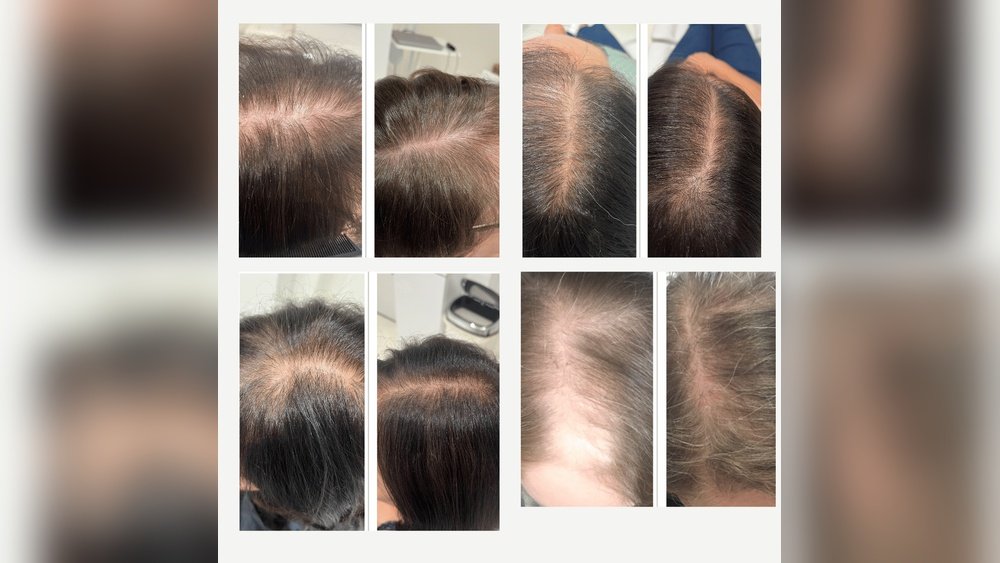
Start by noting how much hair sheds daily. Use a hair diary or photos to compare changes over weeks. Look for new hair growth or thinning spots. This helps measure HRT’s effectiveness. Sudden increases in hair loss may need quick action. Tracking keeps you informed and ready to respond.
Adjusting Therapy Based On Response
Not all HRT types affect hair the same way. Your doctor may change doses or formulas based on your hair’s reaction. Some therapies promote growth better than others. If hair loss worsens, adjustments can reduce side effects. Regular check-ups ensure the best balance for your hair and health.
Lifestyle Factors Supporting Hair
Healthy habits boost hair strength alongside HRT. Eating balanced meals with vitamins supports hair growth. Avoid harsh hair treatments and heat styling. Manage stress through relaxation or exercise. Staying hydrated keeps the scalp healthy. These habits protect hair and improve results from HRT.

Credit: honehealth.com
Credit: zieringmedical.com
Frequently Asked Questions
Will Hair Grow Back With Hrt?
Yes, HRT can promote hair regrowth by restoring hormonal balance, reducing shedding, and improving hair thickness. Results vary by individual and HRT type. Consult a doctor to select the best therapy for your hair needs.
What Hormone Are You Lacking If Your Hair Is Falling Out?
Hair loss often links to low estrogen or thyroid hormone levels. Dihydrotestosterone (DHT), a testosterone derivative, also causes hair thinning.
What Hrt Is Best For Hair Loss?
Estrogen-progesterone HRT best supports hair growth by prolonging the growth phase and reducing DHT effects. Consult a doctor for personalized treatment.
Does Hair Get Thinner On Hrt?
Hair may thin initially on HRT, but estrogen often promotes thicker, healthier hair over time. Results vary by individual.
Conclusion
Hormone Replacement Therapy can support hair growth by balancing hormones. It slows hair shedding and may improve thickness. Results vary based on the type of HRT used. Some formulas work better for hair health than others. Always talk to a healthcare provider before starting HRT.
They help choose the safest, most effective option. Patience is key—changes take time to show. Combining HRT with other treatments might also boost results. Managing expectations helps avoid disappointment. Taking care of your scalp and overall health supports hair growth too.
As an Amazon Associate, I earn from qualifying purchases.
Lovingshe is a participant in the Amazon Services LLC Associates Program which is an affiliate advertising program designed to provide a means for sites to earn advertising fees by advertising and linking to Amazon.com. Amazon may use cookies to track referrals from our site. Visit Amazon’s privacy policy for details
