


Thinking about bleaching your hair but unsure how long to leave the bleach on? You’re not alone.
The timing is crucial—not too short to avoid dull results, and not too long to prevent serious damage. If you want that perfect lift without frying your strands, understanding the right bleaching time is key. You’ll discover how to safely time your bleach, factors that affect processing, and essential tips to protect your hair throughout the process.
Keep reading to get the flawless blonde look you want—without the guesswork or regrets.
Bleach Timing Basics
Bleach timing is key to safe, effective hair lightening. Knowing how long to leave bleach in your hair helps you avoid damage and achieve the desired color. The process needs careful attention and checks at every step. Here are the basics you should know before bleaching.
Max Processing Time
Do not leave bleach on hair longer than 45 minutes. Most hair types lighten within this time safely. Exceeding this can cause severe damage and breakage. Always follow the product instructions for max time. Set a timer to avoid mistakes.
Color Change Monitoring
Watch your hair closely as it lightens. The color will change from dark to orange, then yellow. Stop bleaching when the shade matches your goal. Checking every 5 to 10 minutes helps prevent over-processing. Use natural light for best color view.
Scrape Test Method
Perform the scrape test to check hair lift progress. Wear gloves and gently rub a small strand between fingers. If the strand lifts to the target lightness, it is time to rinse. This test helps avoid over-bleaching and hair damage.
When To Rinse
Rinse hair immediately after reaching the desired lightness. Use lukewarm water and a gentle shampoo to remove bleach. Leaving bleach on too long risks scalp irritation and hair breakage. Rinse thoroughly to stop the chemical process quickly.
Factors Influencing Bleach Duration
The time bleach stays on hair depends on several key factors. These influence how fast hair lightens and how long it takes to reach the desired shade. Understanding these helps avoid damage and achieve better results.
Each hair type reacts differently to bleach. The right timing varies from person to person. Knowing these factors guides safe and effective bleaching.
Natural Hair Color And Texture
Dark hair usually requires longer bleach time to lift color. Light hair needs less time. Coarse or curly hair may resist bleach more than fine, straight hair. Texture affects how bleach penetrates the hair shaft. Natural oils and porosity also play a role in processing speed.
Developer Strength Effects
Developers come in different volumes, such as 10, 20, 30, and 40. Higher volume developers lift color faster but increase damage risk. Lower volumes work slower and are gentler on hair. Choosing the right developer strength balances speed and hair health.
Hair Strand Thickness
Thicker hair strands take longer to bleach fully. Thin strands lighten quicker due to less density. Thick hair may need multiple bleaching sessions or extended processing time. Monitoring hair during bleaching is important to prevent over-processing.
Application Techniques
Proper application techniques improve bleach results and protect hair health. Applying bleach correctly helps achieve an even lift and reduces damage. Timing and method matter during the bleaching process. Follow these tips to apply bleach safely and effectively.
Starting With Mid-lengths And Ends
Begin applying bleach to the mid-lengths and ends first. These areas are usually older and more resistant to lightening. They need more time to lift color. Avoid applying bleach to roots at this stage. This prevents over-processing near the scalp. Let the mid-lengths and ends process for about 10-15 minutes before moving to roots.
Root Application Timing
Apply bleach to roots last. The scalp’s heat makes roots lighten faster. Roots usually need less time under bleach. Applying bleach to roots last prevents uneven color and damage. Leave bleach on roots for 20-30 minutes or as directed. Always check hair every 5 minutes to avoid over-processing.
Keeping Bleach Wet
Keep the bleach wet during the entire process. Dry bleach stops working and causes patchy color. Use a spray bottle to lightly mist hair if bleach starts drying. Cover hair with plastic wrap or a shower cap to maintain moisture. This helps bleach work evenly and speeds up the lightening process.

Credit: www.reddit.com
Safety Measures
Bleaching hair requires careful attention to safety. The chemicals in bleach can harm your scalp and hair if not handled properly. Following safety measures helps protect your skin and hair from damage. Knowing the signs of irritation and how to act fast is very important. Avoiding over-processing keeps hair healthy and strong.
Recognizing Burn And Irritation
Burns and irritation feel like itching, stinging, or burning on your scalp. Your skin may become red or sore. These signs mean the bleach is harming your scalp. Do not ignore these symptoms. Acting quickly can prevent serious damage.
Immediate Rinsing Protocol
Stop bleaching immediately if you feel pain or burning. Rinse your hair with cool water right away. Use gentle pressure to remove all bleach from your scalp. Avoid hot water as it can increase irritation. Rinsing helps reduce harm and soothes your skin.
Avoiding Over-processing
Leaving bleach on too long weakens hair strands. Over-processed hair becomes dry, brittle, and breaks easily. Follow the recommended time for your hair type. Check your hair every 5 to 10 minutes. Stop as soon as you reach the desired lightness.
Post-bleaching Care
Post-bleaching care is key to keeping hair healthy and vibrant. Bleach strips natural color and moisture, making hair fragile. Proper care restores softness and prevents damage. This care starts right after rinsing out the bleach. Following the right steps helps your hair look its best.
Using Toners For Desired Shade
Toners adjust hair color after bleaching. They remove unwanted brassiness or yellow tones. Choose a toner that matches your desired shade. Apply toner soon after bleaching for best results. Toners keep color cool, bright, or neutral. They improve overall hair appearance and shine.
Moisturizing And Damage Prevention
Bleached hair loses moisture and strength. Use deep conditioners and hair masks regularly. These products restore hydration and reduce breakage. Avoid heat styling tools to prevent extra damage. Leave-in conditioners and oils protect hair throughout the day. Gentle handling, like wide-tooth combs, also helps maintain hair health.
Timing Between Wash And Bleach
Wait at least 48 hours between washing and bleaching hair. Natural oils protect your scalp during bleaching. Freshly washed hair can cause irritation or uneven bleach. Avoid washing hair right before the bleaching session. This timing helps achieve a better, safer lightening process.
Effects Of Over-processing
Leaving bleach on your hair longer than recommended causes over-processing. Over-processing weakens hair strands, making them fragile and dry. It strips natural oils and protein, damaging hair structure. Understanding these effects helps protect your hair during bleaching.
Hair Damage Risks
Bleach breaks down hair’s natural proteins. Over-processing causes severe dryness and breakage. Hair may feel rough and brittle. Split ends increase, and hair loses shine. Excessive damage can lead to hair falling out.
Color Over-lightening
Leaving bleach too long can cause uneven color. Hair may become too light or patchy. Over-lightening makes hair look unnatural and dull. It may also turn hair a yellow or orange tone. Correcting this often requires extra treatments.
When To Seek Professional Help
Severe damage needs expert care. A professional can assess hair condition safely. They offer treatments to restore moisture and strength. They also prevent further damage during bleaching. Always seek help if hair feels painful or breaks easily.
Tips For Different Hair Types
Different hair types react differently to bleach. Knowing how long to leave bleach in hair depends on your hair’s natural color and texture. This section guides you through tips for dark, light brown, blonde, curly, and wavy hair. Follow these tips carefully to avoid damage and get the best results.
Dark Hair Considerations
Dark hair needs more time to lighten. Start with 30 to 40 minutes. Check your hair every 5 to 10 minutes. Use a strand test to see the color change. Avoid leaving bleach for over 45 minutes to prevent damage. Dark hair can turn brassy, so prepare to tone afterward.
Light Brown And Blonde Hair
Light brown and blonde hair lighten faster. Leave bleach on for 15 to 25 minutes. Watch closely to avoid over-processing. Over-bleaching can cause breakage and dryness. Use a lower developer volume to protect hair health. Rinse as soon as the desired shade appears.
Curly And Wavy Hair Tips
Curly and wavy hair is fragile and prone to dryness. Use a gentle bleach formula. Limit bleach time to 20 to 30 minutes. Apply bleach evenly to avoid patchiness. Deep condition hair after bleaching to restore moisture. Avoid overlapping bleach on already processed hair.
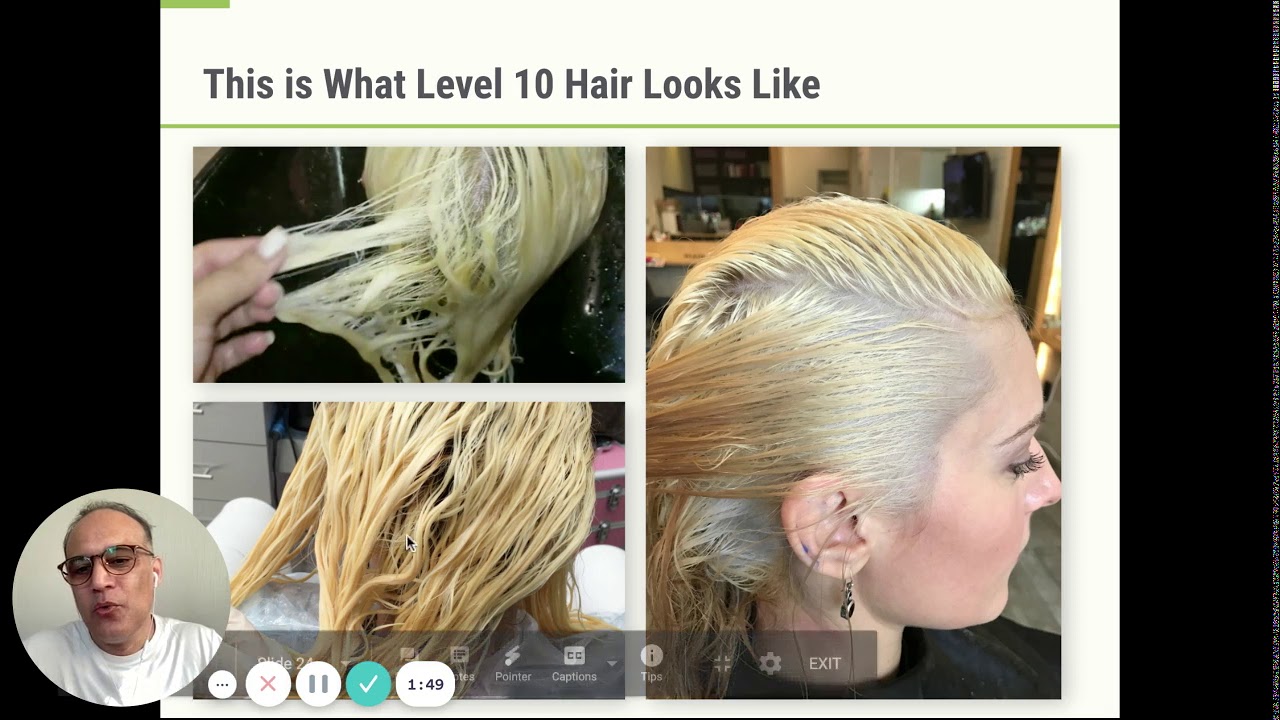
Credit: www.youtube.com
%20Lightening_levels%20(5).png)
Credit: www.uglyducklingcolor.com
Frequently Asked Questions
How Long Do You Have To Let Bleach Sit In Your Hair?
Leave bleach on your hair for 20 to 45 minutes, checking every 5-10 minutes. Rinse immediately if burning occurs.
How Long Can You Leave 20 Vol Bleach On Hair?
Leave 20 vol bleach on hair for 20 to 30 minutes max. Check color often and rinse immediately if irritation occurs.
How Long Can You Leave 30 Volume Bleach In Your Hair?
Leave 30 volume bleach on hair for 20 to 45 minutes maximum. Check color frequently and rinse immediately if burning occurs. Avoid exceeding 45 minutes to prevent damage.
Can You Leave Hair Bleach In Too Long?
Leaving hair bleach on too long can cause severe damage, breakage, and scalp burns. Always follow timing instructions and rinse promptly. Monitor hair closely and perform a strand test to avoid over-processing. Stop immediately if you feel burning or itching.
Conclusion
Bleaching hair needs careful timing to avoid damage. Always check your hair every 5 to 10 minutes during bleaching. Stop immediately if you feel burning or irritation. Usually, leaving bleach for 20 to 45 minutes works well, depending on your hair type.
Remember, roots lighten faster due to scalp heat. Rinse your hair thoroughly once the desired color appears. Using a deep conditioner after bleaching helps restore moisture and strength. Taking these steps keeps your hair healthy and looking great after bleaching.
Stay safe and be patient for the best results.
As an Amazon Associate, I earn from qualifying purchases.
Lovingshe is a participant in the Amazon Services LLC Associates Program which is an affiliate advertising program designed to provide a means for sites to earn advertising fees by advertising and linking to Amazon.com. Amazon may use cookies to track referrals from our site. Visit Amazon’s privacy policy for details
