


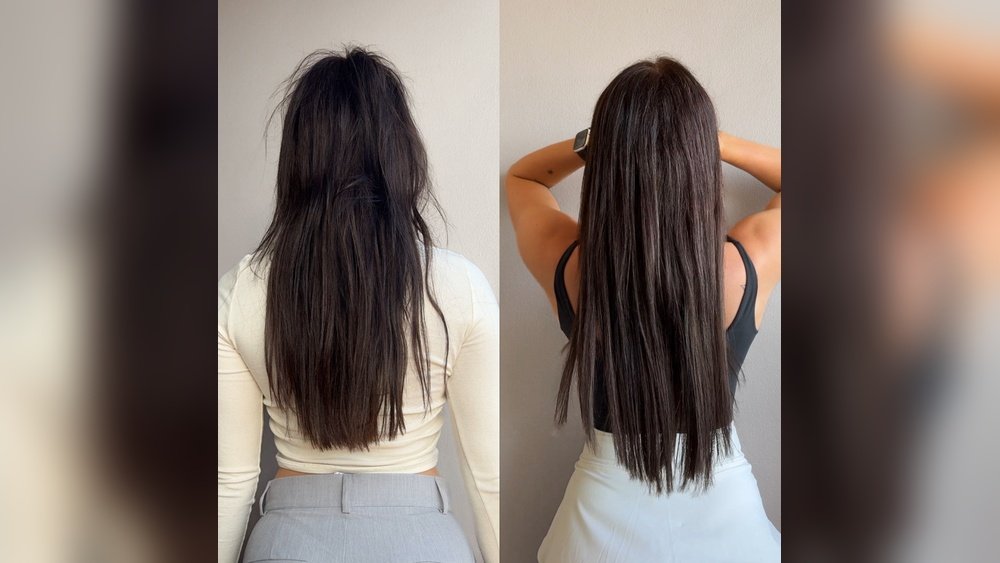
Have you ever wondered if your hair is truly damaged or just a bit dry? Knowing exactly what damaged hair looks like can save you from making mistakes that worsen the problem.
You might notice your hair feels rough, looks dull, or breaks easily—but how can you be sure? You’ll discover clear signs that show when your hair is damaged and learn why recognizing these signs early is key to restoring your hair’s health.
By understanding what to look for, you’ll be one step closer to bringing back the shine and strength your hair deserves. Keep reading to find out how to spot damaged hair and what you can do about it.

Credit: www.cocoandeve.com
Signs Of Damage
Damaged hair shows clear signs that signal it needs care. Recognizing these signs early helps prevent further harm. Hair damage affects texture, strength, and shine. Spotting these symptoms guides you to proper treatment and protection.
Split Ends
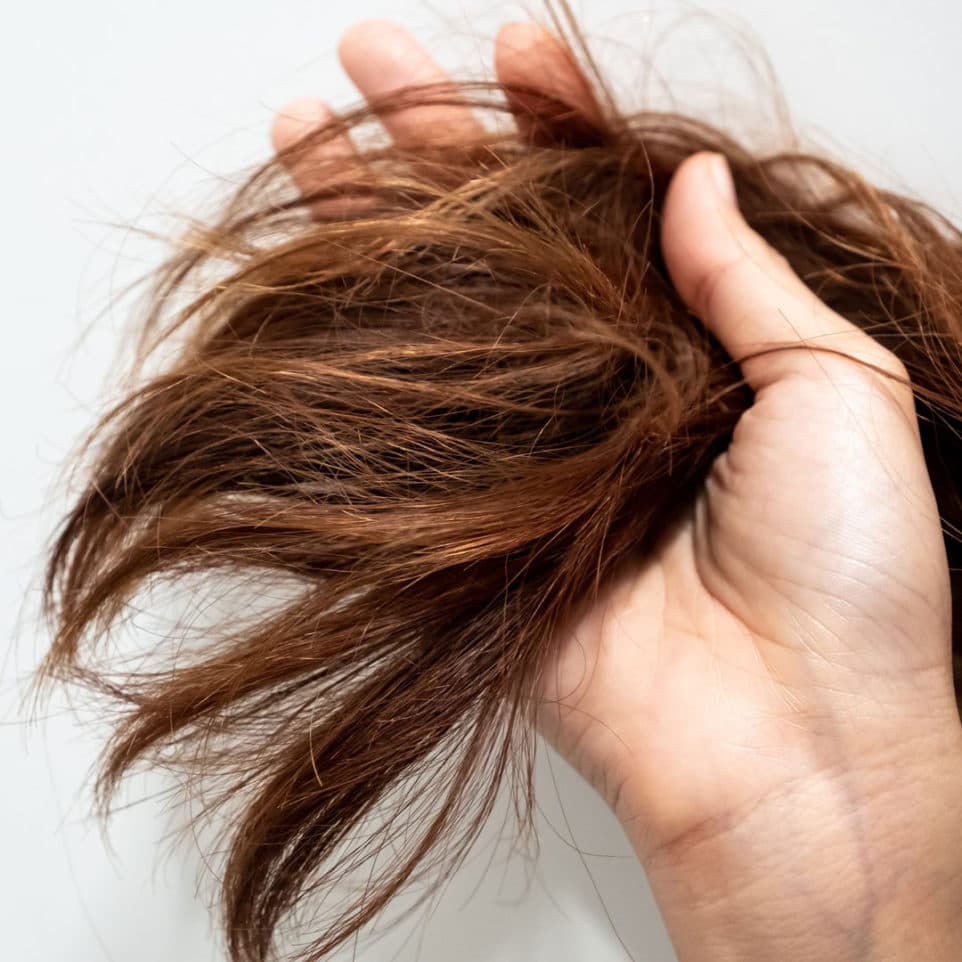
Split ends happen when the hair shaft splits at the tip. They make hair look frayed and unhealthy. Split ends cause hair to tangle and break more easily. Regular trims help keep split ends under control.
Dry And Brittle Texture
Damaged hair feels dry and hard to the touch. It lacks moisture and breaks easily. This dryness comes from loss of natural oils and protein. Brittle hair snaps instead of bending.
Dull And Lackluster Appearance
Healthy hair shines naturally. Damaged hair looks dull and lifeless. The cuticle layer is rough, so light does not reflect well. Dull hair often feels rough and coarse.
Frizz And Flyaways
Frizz appears when hair cuticles lift and let moisture in. It causes strands to stick out and look messy. Flyaways are short, broken hairs that stand up. These signs show weakened hair structure.
Breakage And Thinning
Damaged hair breaks off easily, causing thin patches. Breakage happens near the roots or along the hair shaft. Thinning hair looks less full and feels fragile. Avoid harsh treatments to reduce breakage.
Rough Or Raised Cuticle
The cuticle protects the inner hair layers. When damaged, it becomes rough or lifts up. Raised cuticles cause tangles and dullness. Healthy hair has smooth, flat cuticles that lock in moisture.
Causes Of Damage
Hair damage happens from many causes that weaken hair strands and make them fragile. Knowing what harms hair helps you avoid these habits and protect your hair’s health. Damage changes hair texture, shine, and strength over time.
Below are common causes that lead to damaged hair and how they affect your strands.
Heat Styling Tools
Flat irons, curling wands, and blow dryers use high heat that dries out hair. Heat breaks down the hair’s protective outer layer called the cuticle. This causes hair to become brittle, dry, and prone to breakage. Using heat too often or at high temperatures worsens damage.
Chemical Treatments
Hair coloring, bleaching, perming, and relaxing involve strong chemicals. These chemicals strip natural oils and alter hair structure. They weaken the hair shaft and cause rough, dry hair. Frequent chemical treatments increase the risk of split ends and breakage.
Environmental Exposure
Sunlight, wind, and pollution affect hair health. UV rays from the sun break down hair proteins and dry hair out. Wind can tangle hair and cause friction damage. Pollution deposits dirt and toxins that weaken hair strands over time.
Overwashing And Harsh Products
Washing hair too often removes natural oils that keep hair soft and protected. Shampoos with sulfates and strong detergents strip moisture and harm the scalp. Overuse of drying or clarifying products makes hair dull and fragile.
Mechanical Stress
Brushing hair roughly or using tight hairstyles pulls and stretches hair strands. This causes breakage and split ends. Wet hair is weaker and breaks more easily if combed too hard. Using the wrong tools or styles adds mechanical stress.
Managing Damaged Hair
Managing damaged hair requires patience and consistent care. It involves steps to improve hair texture and prevent further harm. With the right routine, hair can look healthier and feel stronger over time.
Trimming Split Ends
Regular trims remove split ends that cause hair to break. Cutting damaged tips stops splits from moving up the hair shaft. Trimming every 6 to 8 weeks keeps hair looking neat and healthy.
Using Bond Builders
Bond builders repair broken links inside hair fibers. These products strengthen hair from within. Using bond builders often improves hair resilience and reduces breakage.
Deep Conditioning Treatments
Deep conditioners add moisture and soften dry hair. They smooth the cuticle and make hair easier to manage. Applying deep treatments once a week helps restore shine and softness.
Gentle Cleansing Practices
Choose sulfate-free shampoos to avoid stripping natural oils. Washing hair less often preserves moisture balance. Use lukewarm water and gentle motions during cleansing.
Minimizing Heat And Chemicals
Limit use of hot tools like straighteners and curling irons. When using heat, always apply a heat protectant spray. Avoid harsh chemical treatments that weaken hair structure.
Protecting Hair When Wet
Wet hair is fragile and prone to damage. Use a wide-tooth comb to detangle gently. Start combing from the ends and move upward carefully.
Lifestyle And Diet Tips
Eating balanced meals supports hair health from the inside. Foods rich in vitamins, minerals, and proteins strengthen hair. Drinking enough water keeps hair hydrated and shiny.
Credit: www.wella.com
Repair Expectations
Repairing damaged hair requires patience and realistic goals. True restoration of damaged strands is rare. Focus lies on improving hair’s look and strength. Consistent care and the right products help soften rough strands and reduce breakage. Understanding what to expect helps maintain motivation during the repair journey.
Timeframe For Improvement
Visible changes appear within weeks of proper care. Deep conditioning and bond-building treatments show benefits fast. Full improvement takes months. Hair grows slowly, about half an inch per month. Regular trims remove damaged ends gradually. Patience is key to seeing long-term results.
Improvement Vs. Full Restoration
Damaged hair cannot return fully to its original state. The cuticle, once broken, stays compromised. Treatments improve texture and shine but do not erase all damage. The goal is healthier hair appearance and less breakage. Managing damage prevents further harm and promotes stronger strands.
Importance Of New Growth
New hair growth signals true progress. Healthy follicles produce stronger, smoother hair. Focus on nourishing the scalp to support growth. Cutting off damaged ends helps showcase fresh strands. Over time, new growth replaces damaged sections. This natural renewal is the best form of repair.
Credit: ca.wella.professionalstore.com
Frequently Asked Questions
Can Damaged Hair Be Repaired?
Damaged hair cannot fully return to its original state, but proper care improves its look and strength. Use bond builders, deep conditioners, avoid heat and chemicals, and trim regularly to manage damage and promote healthy growth.
How To Tell If Hair Is Damaged Or New Growth?
Damaged hair feels dry, brittle, and breaks easily. New growth appears softer, stronger, and healthier near the scalp. Check texture and strength to differentiate.
What Does Badly Damaged Hair Look Like?
Badly damaged hair looks dry, brittle, and frizzy with split ends and dull, rough texture. It breaks easily and lacks shine.
Is My Hair Damaged Or Just Frizzy?
Damaged hair feels dry, brittle, and breaks easily. Frizzy hair is usually caused by humidity and lacks smoothness but isn’t weak or broken. Check for split ends and rough texture to identify damage. Frizz can be managed with moisture; damage needs trimming and repair treatments.
Conclusion
Damaged hair shows clear signs like dryness, brittleness, and split ends. You can improve its look and feel with good care. Regular trims remove damaged ends and help hair grow healthier. Using deep conditioners and gentle shampoos adds moisture and strength.
Avoiding heat and harsh chemicals prevents more damage. Patience matters; changes take weeks or months to show. Healthy habits support stronger hair over time. Remember, damaged hair needs gentle treatment and time to recover. Keep caring, and your hair will look better and feel softer.
As an Amazon Associate, I earn from qualifying purchases.
Lovingshe is a participant in the Amazon Services LLC Associates Program which is an affiliate advertising program designed to provide a means for sites to earn advertising fees by advertising and linking to Amazon.com. Amazon may use cookies to track referrals from our site. Visit Amazon’s privacy policy for details
