


Have you ever noticed your hair seems to grow faster when summer rolls around? You’re not imagining things.
Many people wonder if the warm, sunny months actually speed up hair growth—and the answer might surprise you. Understanding how summer affects your hair can help you make the most of this natural boost. You’ll discover why your hair may grow faster during summer, the science behind it, and simple tips to support healthy, speedy growth all year round.
Ready to unlock the secrets to summer hair growth? Let’s dive in!
Summer And Hair Growth
Summer brings longer days and warmer weather. These changes can affect how our hair grows. Many people notice their hair feels thicker and grows faster in summer. Several natural factors work together to influence this growth. Understanding these can help explain why summer impacts hair health and growth speed.
Sunlight Exposure Effects
Sunlight helps the body produce vitamin D. Vitamin D is important for healthy hair follicles. Stronger follicles support better hair growth. Sunlight also improves scalp health by reducing dryness. Healthy scalp conditions encourage hair to grow more steadily. Moderate sun exposure can stimulate hair growth cycles.
Temperature And Circulation
Warmer temperatures increase blood flow to the scalp. Better circulation delivers more oxygen and nutrients to hair roots. This nourishment helps hair grow faster and stronger. Heat also relaxes blood vessels, improving nutrient delivery. Good circulation supports the anagen phase, the active growth stage of hair.
Seasonal Hormonal Changes
Hormone levels shift slightly in summer months. Increased sunlight can boost hormones like melatonin and serotonin. These hormones can indirectly affect hair growth cycles. Some studies suggest summer hormones may extend the growth phase. This leads to longer, thicker hair during warmer months.
Hair Growth Cycle
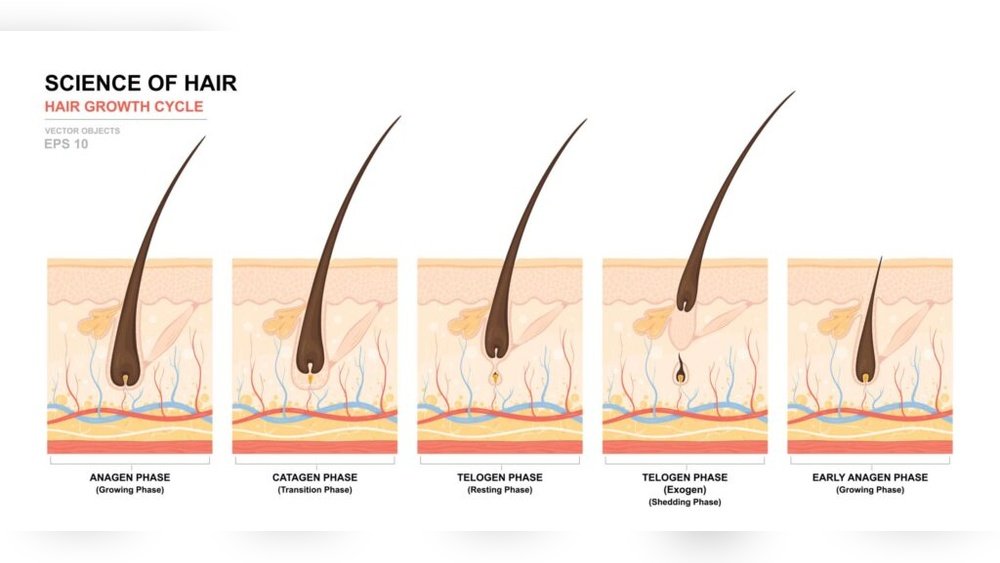
The hair growth cycle is a natural process that repeats continuously. Hair grows, rests, and sheds in phases. Each hair follicle works independently, so all hairs are not in the same phase at once. Understanding this cycle helps explain why hair length changes over time.
The cycle has three main phases: anagen, catagen, and telogen. These stages control how long hair grows and how it sheds. The length of each phase affects the overall hair growth rate. Let’s explore each phase in detail.
Anagen Phase
The anagen phase is the active growth stage of hair. Cells in the root divide rapidly, adding length to the hair strand. This phase lasts from two to six years, depending on genetics. Longer anagen phases mean longer hair growth before shedding occurs.
Catagen Phase
The catagen phase is a short transition stage. It lasts about two to three weeks. During this time, hair growth stops, and the follicle shrinks. The hair detaches from the blood supply but stays in place while resting. This phase prepares hair for shedding.
Telogen Phase
The telogen phase is the resting phase of the hair cycle. It lasts around three months. Hair stays in the follicle but does not grow. Eventually, the old hair falls out, making room for new hair to grow in the next anagen phase. This cycle repeats continuously.
Factors Influencing Growth
Hair growth depends on many factors beyond just the season. Understanding these elements helps explain why hair may seem to grow faster in summer.
Each factor plays a role in how quickly hair follicles produce new strands. Some are inside your body, while others relate to your environment or lifestyle.
Genetics Role
Genes largely determine your hair growth rate. They control how long your hair stays in the growth phase. Family history can indicate your natural hair thickness and speed of growth.
Hormonal Impact
Hormones affect hair growth significantly. For example, estrogen can increase growth during pregnancy. Testosterone and other androgens influence hair thickness and pattern.
Nutrition Importance
Your diet provides the building blocks for healthy hair. Vitamins, minerals, and proteins support keratin production. Poor nutrition can slow down hair growth and cause breakage.
Stress Effects
Stress can disrupt the hair growth cycle. High stress levels may cause hair to enter the resting phase prematurely. This leads to shedding and slower regrowth.
Age Considerations
Hair growth rate changes with age. Younger people tend to have faster growth. As you age, growth slows and hair may become thinner.
Credit: www.abc.net.au
Boosting Hair Growth
Boosting hair growth requires more than just hoping for sunshine. Healthy hair grows from a combination of good habits and care. By focusing on diet, stress levels, hair care routines, and scalp health, you can help your hair grow stronger and faster.
Diet Tips
Your hair needs nutrients to grow well. Eat foods rich in protein, vitamins, and minerals. Include eggs, nuts, fish, and leafy greens in your meals. Drinking enough water also keeps hair hydrated and healthy. Avoid too much sugar and processed foods as they may harm hair growth.
Stress Management
Stress can slow hair growth and cause hair loss. Find simple ways to relax daily. Try deep breathing, walking, or gentle yoga. Getting enough sleep helps your body repair and supports hair health. Managing stress keeps your hair in its best condition.
Hair Care Practices
Handle your hair gently to avoid damage. Use a wide-tooth comb to detangle wet hair. Limit heat styling tools like straighteners or curling irons. Wash hair with mild shampoo and condition regularly. Avoid tight hairstyles that pull on the roots and cause breakage.
Scalp Health
A clean and healthy scalp is key for hair growth. Massage your scalp often to boost blood flow. Use oils like coconut or jojoba to nourish the scalp. Keep your scalp free from dandruff and buildup by washing regularly. Healthy skin on your scalp creates a good environment for hair to grow.
Myths Vs Facts
Many believe summer boosts hair growth speed. Separating truth from fiction helps understand hair health better. Let’s explore common myths and what science says.
Common Misconceptions
One myth says hair grows twice as fast in summer. Another claims sun exposure alone speeds growth. Some think sweating opens pores, helping growth. Many believe cold weather slows hair growth significantly.
These ideas sound logical but lack full evidence. Hair growth depends on many factors beyond season. Relying on myths can lead to false expectations.
Scientific Findings
Research shows hair growth rate slightly increases in summer. This happens due to longer daylight and higher temperatures. These conditions may stimulate hair follicles more actively.
Hormones and nutrition also change with seasons. Increased blood flow and vitamin D from sunlight support hair health. Still, the difference in growth speed is small.
Hair growth follows a natural cycle: growth, rest, and shedding phases. Seasonal changes can influence this cycle but do not drastically speed up growth. Genetics and overall health play larger roles.

Credit: pumphaircare.com
When To Seek Help
Knowing when to seek help for hair growth issues is important. Hair may grow faster in summer, but unusual changes can signal problems. Early attention can prevent further damage and guide proper treatment.
Watch for signs that your hair growth is not normal. Understanding these signs helps you decide when to consult a professional.
Signs Of Abnormal Growth
Hair loss that is sudden or patchy needs attention. Scalp irritation, redness, or excessive itching may also indicate issues. Noticeable thinning or bald spots are clear warning signs. Changes in hair texture or color without cause can be a concern. These symptoms suggest something beyond normal seasonal growth.
Medical Conditions
Several medical conditions affect hair growth. Thyroid problems can slow growth or cause hair loss. Hormonal imbalances, like those during pregnancy or menopause, may alter growth patterns. Nutritional deficiencies, especially in iron or vitamins, impact hair health. Autoimmune diseases can cause hair to fall out in patches. Consulting a doctor helps identify these underlying causes quickly.

Credit: www.youtube.com
Frequently Asked Questions
Which Season Does Your Hair Grow Faster?
Hair grows faster in summer due to increased blood circulation, sunlight, and warmth boosting nutrient supply to follicles.
Does Hair Really Grow Faster In Summer?
Yes, hair tends to grow faster in summer due to increased blood circulation and nutrient supply from warmer temperatures and sunlight.
What Causes Hair To Grow Fast?
Hair grows fast due to genetics, balanced hormones, proper nutrition, low stress, and good scalp health.
Does Sunlight Increase Hair Growth?
Sunlight may boost hair growth by increasing vitamin D production and improving scalp circulation. Moderate sun exposure supports healthy follicles. Excessive sun can damage hair, so balance is key. Overall, sunlight can help hair grow but is not the sole factor influencing growth rate.
Conclusion
Summer’s warmth can help hair grow slightly faster. Sunlight boosts vitamin D, aiding healthy follicles. Good nutrition and hydration also support growth. Keep stress low to avoid hair loss problems. Remember, genetics play the biggest role in growth speed. Enjoy summer but care for hair year-round.
Healthy habits matter more than the season alone. Hair growth is a natural cycle, with ups and downs. Patience and care lead to the best results.
As an Amazon Associate, I earn from qualifying purchases.
Lovingshe is a participant in the Amazon Services LLC Associates Program which is an affiliate advertising program designed to provide a means for sites to earn advertising fees by advertising and linking to Amazon.com. Amazon may use cookies to track referrals from our site. Visit Amazon’s privacy policy for details
