


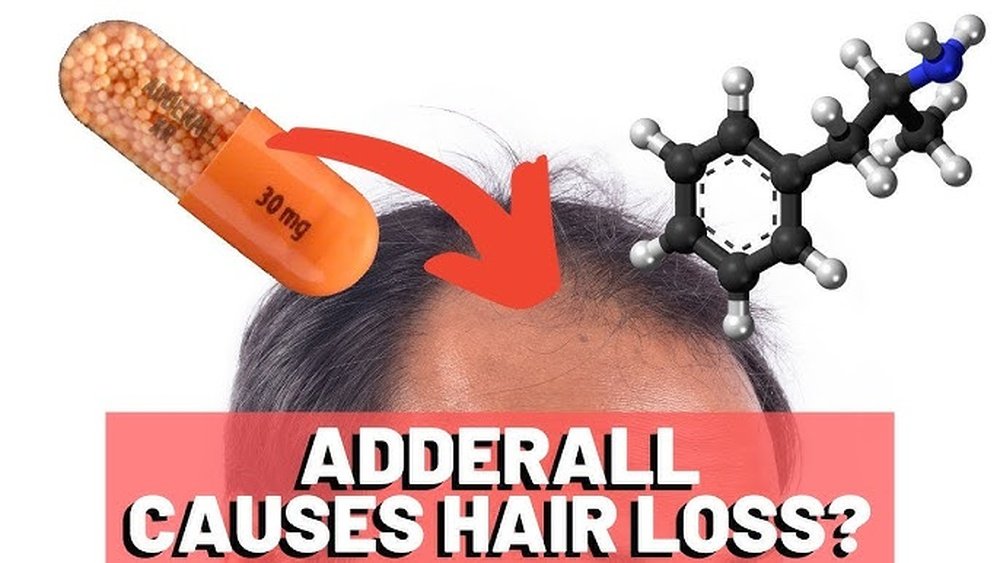
Are you worried about your hair thinning after starting Adderall? You’re not alone.
Many people wonder if this common medication could be the reason behind their unexpected hair loss. Understanding whether Adderall causes hair thinning is crucial because it affects not just your health but also your confidence. You’ll discover what science says about Adderall and hair loss, how to spot the signs early, and what steps you can take to protect your hair.
Keep reading to find out how you can manage this side effect and take control of your hair health.

Credit: www.youtube.com
Adderall And Hair Loss
Adderall is a common medication prescribed for attention deficit hyperactivity disorder (ADHD). Many users wonder if it can cause hair thinning or hair loss. Understanding the connection between Adderall and hair loss helps manage expectations and address any concerns early.
Hair loss can be distressing. It’s important to learn how Adderall might affect hair health. This section explores possible links and what research says about hair loss related to Adderall.
How Adderall Might Affect Hair
Adderall contains amphetamine salts that stimulate the nervous system. This stimulation can raise stress levels in the body. High stress often triggers a type of hair loss called telogen effluvium. This condition causes hair follicles to enter a resting phase, leading to shedding.
Another factor is appetite suppression. Adderall can reduce hunger, which might lower nutrient intake. Poor nutrition can weaken hair and cause thinning. Some users may also experience changes in hormone levels, which can impact hair growth cycles.
Reported Cases And Studies
Few formal studies directly link Adderall to hair loss. Most evidence comes from user reports and case studies. Some people report noticeable hair thinning after starting Adderall. Others see no change or even improved focus that helps reduce stress-related hair loss.
Medical reviews suggest that hair loss related to Adderall is rare and usually temporary. Stopping or adjusting the dose often reverses hair thinning. Doctors recommend monitoring symptoms and discussing any hair changes during treatment.
Types Of Medication-related Hair Thinning
Medication-related hair thinning occurs in different ways depending on the drug and individual response. Understanding the types helps identify causes and treatment options. Hair loss from medication is often temporary but can be distressing.
Some medications push hair follicles into a resting state, causing shedding. Others affect hair growth cycles or damage follicles directly. Recognizing these patterns clarifies the connection between drugs like Adderall and hair thinning.
Telogen Effluvium Explained
Telogen effluvium is the most common drug-related hair loss type. It happens when many hair follicles enter the resting phase simultaneously. Shedding starts about two to three months after starting or stopping a medication.
This condition causes diffuse thinning, meaning hair falls out evenly across the scalp. It usually reverses after stopping the drug or adjusting the dose. Stress, illness, and hormonal changes can also trigger telogen effluvium.
Other Drug-induced Hair Loss Patterns
Some drugs cause hair thinning by damaging hair follicles, leading to scarring and permanent loss. This pattern is less common but more serious. It may result from chemotherapy or strong immune-suppressing medications.
Another pattern is anagen effluvium, where hair stops growing suddenly during the active phase. This type is typical with cancer treatments and usually reversible after therapy ends.
Medications may also cause patchy hair loss or changes in hair texture. Each pattern needs proper diagnosis to guide treatment and prevent worsening.
Factors Influencing Hair Thinning
Hair thinning linked to Adderall use varies widely among individuals. Several factors influence whether hair loss occurs and its severity. Understanding these factors helps in managing expectations and seeking proper care.
Dosage And Duration
The amount of Adderall taken affects hair thinning risk. Higher doses may increase chances of hair loss. Longer use also raises the likelihood of experiencing thinning. Short-term or low-dose use often shows fewer hair effects. Consistent monitoring can detect early signs of hair changes.
Individual Susceptibility
Each person’s body reacts differently to Adderall. Genetics play a key role in susceptibility to hair thinning. Some have a natural tendency to lose hair under stress or medication. Health conditions and nutrient levels also impact hair health. Stress from medication or lifestyle can worsen hair shedding in sensitive individuals.
Signs Of Adderall-related Hair Thinning
Hair thinning linked to Adderall use can be subtle at first. Recognizing these signs early helps manage the issue effectively. Hair loss may not happen immediately but can develop over weeks or months. Understanding common symptoms aids in identifying if Adderall plays a role.
Recognizing Early Symptoms
Notice more hair strands on your pillow or in the shower drain. Hair may feel thinner or less dense than usual. Scalp visibility can increase, especially near the hairline or crown. Some users report increased hair shedding during combing or brushing. Watch for patchy areas or uneven hair loss patterns. These symptoms often signal the start of Adderall-related hair thinning.
When To Seek Medical Advice
Consult a healthcare provider if hair loss persists beyond a few weeks. Sudden or severe hair thinning needs prompt evaluation. Medical advice is essential to rule out other causes like stress or nutritional deficiencies. A doctor can adjust your medication or recommend treatments to support hair health. Early intervention improves chances of reversing hair thinning effectively.
Managing Hair Thinning From Adderall
Managing hair thinning from Adderall requires a careful and thoughtful approach. Hair thinning can cause concern, but taking steps early can help control it. Understanding how to manage this side effect is essential for maintaining both health and confidence.
Consulting Your Healthcare Provider
Start by discussing hair thinning with your doctor. They can confirm if Adderall is the cause. Share details about your hair changes and any other symptoms. Your provider can review your full health history. This helps to rule out other causes like stress or nutrition. Regular check-ins allow monitoring of your condition closely.
Medication Adjustments
Your doctor may adjust your Adderall dose to reduce side effects. Lowering the dose can sometimes ease hair thinning. They might suggest switching to a different medication. Never stop or change your medication without professional advice. A gradual change helps avoid withdrawal or symptom return. Follow your healthcare provider’s guidance carefully.
Supportive Hair Treatments
Use gentle hair care products that strengthen hair. Avoid harsh chemicals or heat styling that may worsen thinning. Nutritional supplements like biotin or vitamins might help hair health. Your doctor could recommend treatments like minoxidil to boost growth. Healthy habits, such as a balanced diet and stress control, support hair recovery. Consistency with these treatments improves chances of regrowth.
Credit: www.choosingtherapy.com
Hair Regrowth Expectations
Experiencing hair thinning from Adderall can cause concern about regrowth. Understanding what to expect helps ease worries and plan care. Hair regrowth varies for each person. It depends on many factors including health and medication use. Patience is key during this process.
Knowing the typical timeline and factors that affect regrowth can guide your expectations. This knowledge empowers you to take the right steps for healthier hair.
Typical Recovery Timeline
Hair usually starts to regrow within three to six months after stopping Adderall. Full recovery can take up to a year. The hair grows back gradually and may look thin at first. It is normal for hair to shed before new growth appears. Consistent care and avoiding stress help speed up recovery.
Factors Affecting Regrowth
Several factors influence how fast and well hair regrows. Age plays a role, as younger people often heal faster. Nutrition is important; a balanced diet supports hair health. The dosage and duration of Adderall use affect hair follicles. Stress levels and overall health also impact regrowth. Consulting a doctor can help address these factors.
Other Causes Of Hair Thinning To Consider
Hair thinning can stem from many factors besides medication. It’s important to explore other possible reasons behind hair loss. Identifying the right cause helps in finding the best solution. Here are some common causes to consider.
Stress And Illness
Stress affects the body in many ways, including hair health. Sudden or chronic stress can push hair follicles into a resting phase. This causes more hairs to fall out than usual. Illness and infections can also disrupt normal hair growth. Recovering from sickness often leads to temporary hair thinning.
Hormonal Changes
Hormones play a big role in hair growth cycles. Changes during pregnancy, menopause, or thyroid issues can cause hair to thin. Hormonal imbalances disrupt the natural hair renewal process. Both men and women can experience thinning due to these shifts.
Nutritional Deficiencies
The body needs vitamins and minerals for healthy hair. Lack of iron, vitamin D, or protein affects hair strength and growth. Poor diet or absorption problems may lead to thinning. Ensuring balanced nutrition supports hair health and prevents loss.

Credit: www.reddit.com
Frequently Asked Questions
Can Hair Grow Back After Thinning From Medication?
Yes, hair often grows back after medication-induced thinning. Regrowth usually occurs within months to a year after stopping or switching drugs. Consult your doctor for proper evaluation and possible treatments like minoxidil to support hair recovery.
Why Am I Suddenly Losing So Much Hair?
Sudden hair loss often results from stress, hormonal changes, medication, or illness. Consult a doctor to identify and treat the cause promptly.
What Deficiencies Does Adderall Cause?
Adderall can cause deficiencies in vitamins B6, C, D, magnesium, and zinc due to appetite suppression and nutrient depletion.
Can Too Much Dopamine Cause Hair Loss?
Excess dopamine itself does not directly cause hair loss. Hair loss usually results from hormonal imbalances or stress affecting follicles.
Conclusion
Adderall can sometimes cause hair thinning, but it is not common. Many people do not experience this side effect at all. If hair thinning happens, it often stops when the medication changes. Hair usually grows back after a few months or up to a year.
Always talk to your doctor before making any changes. They can help find the best solution for you. Taking care of your health is the first step to healthy hair. Don’t ignore any side effects you notice.
As an Amazon Associate, I earn from qualifying purchases.
Lovingshe is a participant in the Amazon Services LLC Associates Program which is an affiliate advertising program designed to provide a means for sites to earn advertising fees by advertising and linking to Amazon.com. Amazon may use cookies to track referrals from our site. Visit Amazon’s privacy policy for details
