


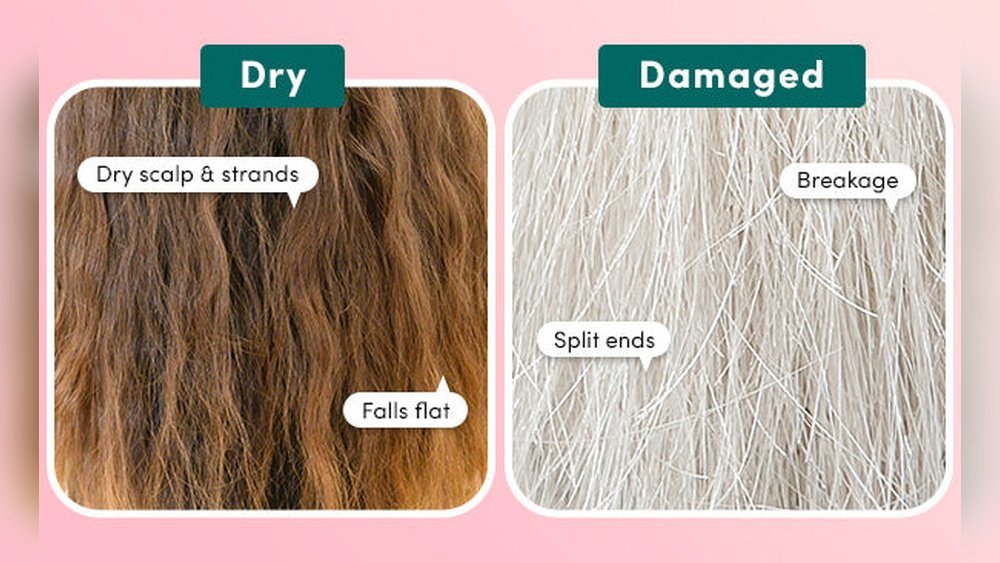
Is your hair feeling rough, dry, or lifeless lately? You might be wondering if your hair is simply dry or actually damaged.
Knowing the difference is key to saving your locks before the damage gets worse. You’ll discover the clear signs that reveal if your hair is damaged—from split ends and frizz to breakage and dullness. You’ll also learn simple tests you can do at home to check your hair’s health.
By the end, you’ll be confident in spotting damage early and ready to take steps to restore your hair’s natural shine and strength. Keep reading to find out how to tell if your hair is damaged and what you can do about it.

Credit: www.hairmnl.com
Visual Signs
Visual signs reveal much about your hair’s health. Damaged hair looks different from healthy hair. It shows clear clues that help you spot problems early. These signs include texture changes, broken strands, and unusual dryness. Checking your hair’s appearance regularly helps you protect it from further damage.
Dry And Brittle Texture
Damaged hair feels rough and coarse. It loses softness and smoothness. The texture may become stiff like straw. This dryness means your hair lacks moisture and oils. Brittle hair breaks more easily and looks unhealthy.
Split Ends
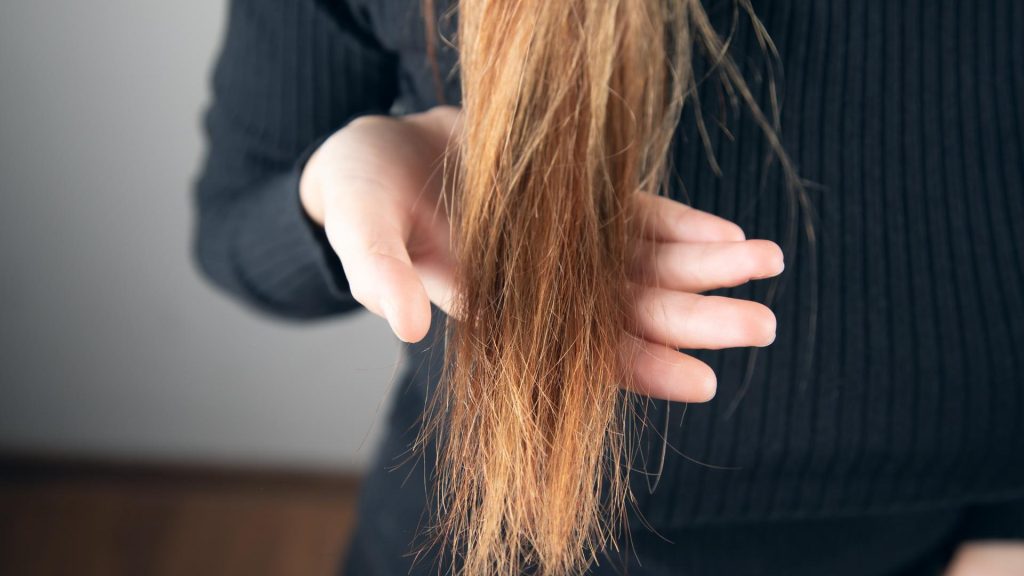
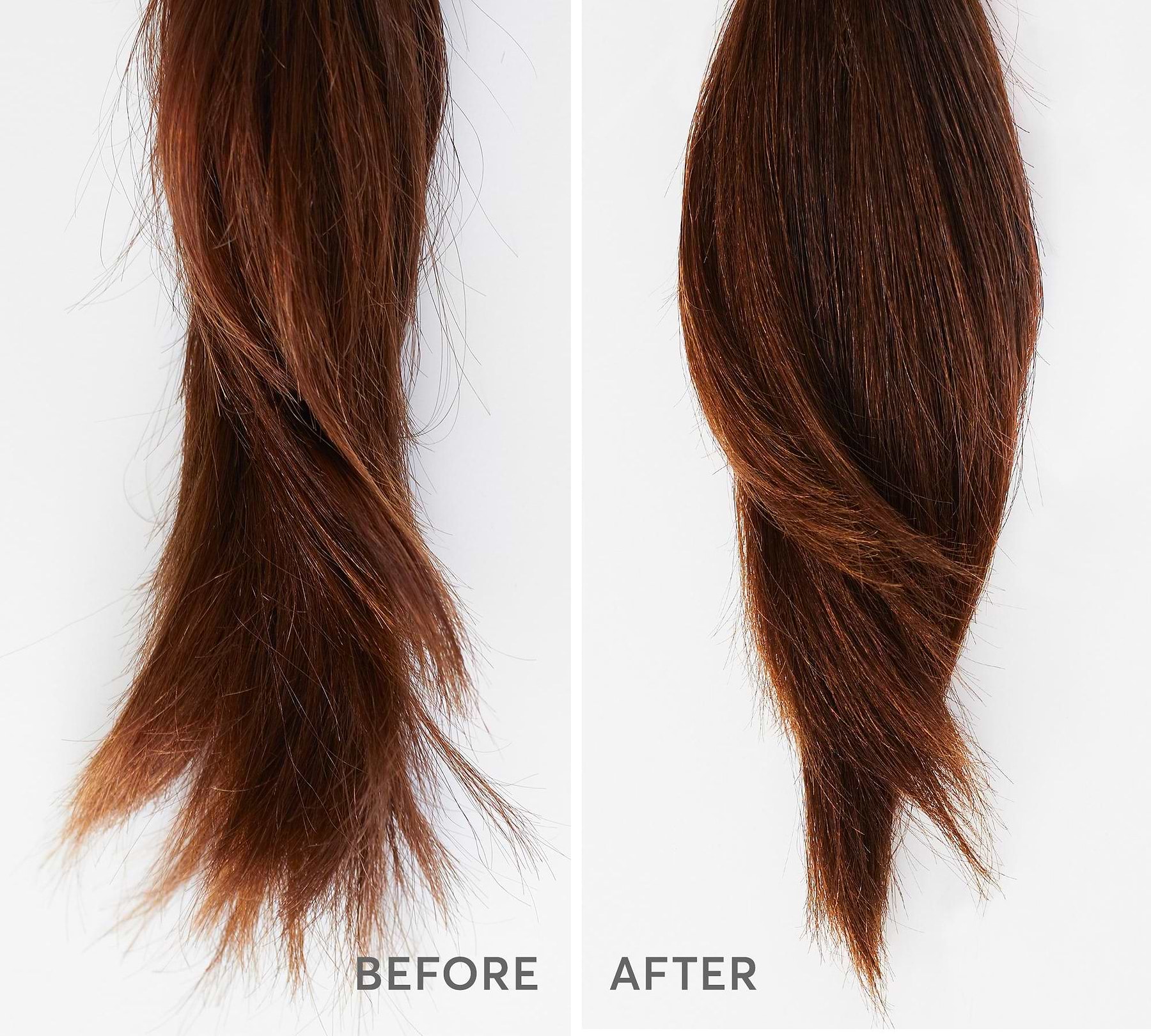
Split ends happen when hair tips break apart. The ends look frayed or forked. They give hair a messy, damaged look. Split ends can travel up the strand, causing more damage. Regular trims help keep split ends under control.
Dullness And Lack Of Shine
Healthy hair shines naturally. Damaged hair looks dull and lifeless. It fails to reflect light well. This lack of shine shows the cuticle is rough or lifted. Dull hair often feels dry and weak.
Frizz And Tangles
Frizzy hair sticks out in many directions. It feels hard to manage. Tangles and knots form easily. Frizz happens when the hair cuticle is damaged. This causes moisture to escape and makes hair rough.
Breakage And Short Pieces
Damaged hair breaks off in small pieces. These pieces appear around your head. Hair breaks especially when wet or brushed. Breakage leaves hair looking uneven and thin. It shows hair strength is lost.
Uneven Texture
Damaged hair feels different along its length. The ends may be rough while roots remain smooth. This uneven texture shows damage buildup at the tips. Hair loses uniform softness and strength.
White Specks On Strands
Small white dots on hair strands can appear. These specks often mean broken or split strands. They show the hair surface is rough and damaged. White specks are a warning to treat hair gently.
Credit: edenhairenergy.com.au
Tactile Signs
Feeling your hair can reveal much about its health. Tactile signs show how damaged your hair might be. Touch your hair gently and notice the texture and ease of combing. These clues help identify damage early, so you can treat your hair properly.
Rough Or Straw-like Feel
Healthy hair feels smooth and soft. Damaged hair often feels rough or straw-like. The outer layer, called the cuticle, may be broken or raised. This causes hair to lose its shine and smoothness. Run your fingers along a strand. If it feels coarse or dry, damage might be present.
Difficulty Detangling
Hair that tangles easily may be damaged. Healthy hair detangles with little effort. Damaged hair has rough cuticles that catch on each other. Brushing or combing can cause pain and breakage. Notice if your hair knots quickly or feels stiff. These signs point to damage needing care and repair.
Simple Hair Tests
Simple hair tests help you understand your hair’s health at home. These tests use easy steps and common items. They reveal if your hair is damaged and needs care. You can check elasticity and porosity without special tools. These tests give quick clues about your hair condition.
Elasticity Test With Wet Hair
Take a small strand of hair and wet it. Gently stretch the strand between your fingers. Healthy hair stretches without breaking and returns to its shape. If the hair snaps quickly, it lacks elasticity. This means your hair is weak and damaged. Elasticity loss happens when hair loses moisture and protein. This test shows how strong your hair is.
Porosity Test Using Water
Drop a clean strand of dry hair into a glass of water. Watch how it behaves for a few minutes. If it sinks fast, your hair has high porosity and absorbs water quickly. High porosity means your hair cuticle is open or damaged. If the hair floats, it has low porosity and resists moisture. Medium porosity hair floats then slowly sinks. This test helps you know how your hair holds water and moisture.
Credit: www.madison-reed.com
Common Damage Causes
Hair damage happens for many reasons. Knowing common causes helps you protect your hair better. Damage weakens hair, making it dry, brittle, and hard to manage. Understanding what harms your hair guides you to avoid these problems. Here are some main causes of hair damage.
Heat Styling Tools
Heat styling tools like flat irons and curling wands can harm hair. High temperatures break down the hair’s protein structure. This causes dryness and split ends. Frequent use without protection leaves hair weak and brittle. Always use a heat protectant spray before styling.
Chemical Treatments
Chemicals in hair dyes, relaxers, and perms damage hair strands. These treatments strip natural oils and weaken hair fibers. Overprocessing makes hair fragile and prone to breakage. Avoid harsh chemicals or space out treatments to reduce damage.
Environmental Exposure
Sun, wind, and pollution also hurt hair health. UV rays break down hair proteins and dry out strands. Wind causes tangles and rough texture. Pollution deposits dirt and toxins on hair, making it dull. Cover hair or use protective products outdoors.
Moisture And Protein Imbalance
Hair needs the right balance of moisture and protein to stay healthy. Too much moisture makes hair limp and weak. Too much protein makes it stiff and brittle. Damage happens when this balance is off. Use moisturizing or protein treatments as needed to restore hair.
Damage Effects On Hair
Hair damage affects its health and appearance deeply. Understanding how damage impacts hair helps you care for it better. Damage changes the hair’s structure and feel. It also makes hair weaker and less shiny. These effects show up in many ways. Knowing them lets you spot damage early and protect your hair.
Cuticle Layer Breakdown
The cuticle is the outer protective layer of hair. It shields the inner layers from harm. Damage causes the cuticle to break down and lift. This exposes the inside of the hair strand. The hair loses its smooth surface. It feels rough and looks dull. Broken cuticles also cause hair to tangle more. Hair becomes vulnerable to further damage.
Moisture Loss
Healthy hair holds moisture well. Damage makes hair lose this ability. Moisture escapes through gaps in the cuticle. Dry hair feels brittle and straw-like. It lacks softness and shine. Without moisture, hair is less elastic. It breaks easily during brushing or styling. Keeping hair hydrated is key to preventing dryness.
Weakened Hair Structure
Damage weakens the internal structure of hair. The cortex, which gives strength, becomes fragile. Hair breaks or splits under stress. Weak hair cannot stretch properly and snaps instead. It may look thin or uneven in texture. Weak strands reduce overall hair volume. Strengthening treatments help restore hair’s structure.
Frequently Asked Questions
How Do I Check If My Hair Is Damaged?
Check for dryness, split ends, frizz, dullness, and frequent breakage. Hair feels rough or straw-like and lacks shine. Perform an elasticity test by gently stretching wet strands; damaged hair snaps easily.
Can Damaged Hair Be Repaired?
Damaged hair cannot fully regenerate but can improve with proper care. Use moisturizing treatments, avoid heat, and trim split ends regularly.
What Are The Symptoms Of Damaged Hair?
Symptoms of damaged hair include dryness, split ends, frizz, dullness, frequent breakage, tangles, rough texture, and loss of shine. Hair feels brittle and snaps easily.
What Would Damaged Hair Look Like?
Damaged hair looks dry, brittle, and rough with split ends and frizz. It lacks shine and breaks easily. Hair feels coarse and tangles often. It may snap during stretching and appear dull or lifeless.
Conclusion
Damaged hair shows clear signs that you can easily spot. Dryness, split ends, and frizz mean your hair needs care. Hair that breaks or tangles a lot feels weak. Doing simple tests like the elasticity or porosity check helps. Protect your hair by avoiding too much heat and harsh chemicals.
Regular gentle care keeps hair healthier and stronger over time. Pay attention to your hair’s needs to enjoy its natural beauty.
As an Amazon Associate, I earn from qualifying purchases.
Lovingshe is a participant in the Amazon Services LLC Associates Program which is an affiliate advertising program designed to provide a means for sites to earn advertising fees by advertising and linking to Amazon.com. Amazon may use cookies to track referrals from our site. Visit Amazon’s privacy policy for details
