


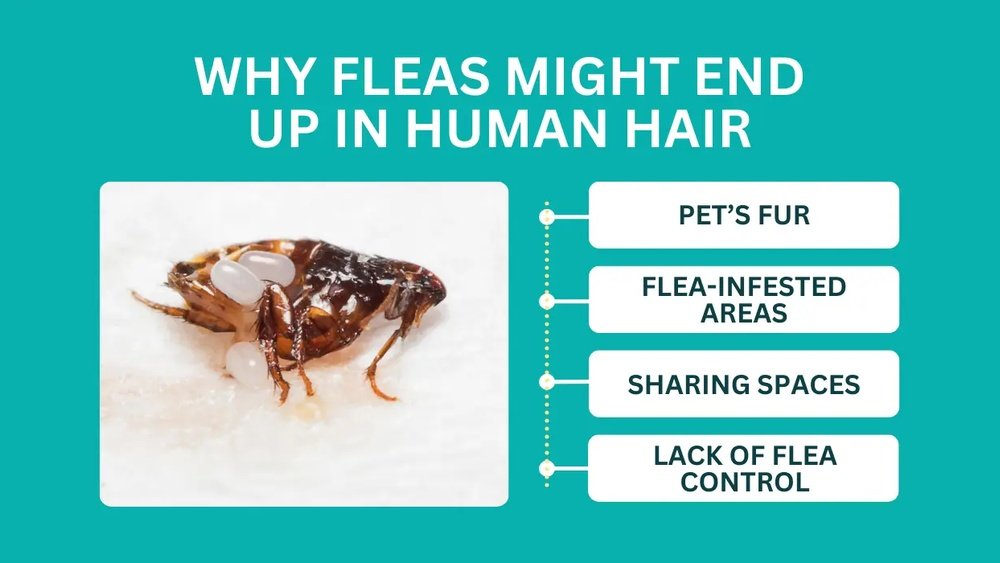
Have you ever wondered if fleas can actually survive on your hair? If you’re dealing with those relentless, itchy bites and can’t shake the feeling that something is crawling on your scalp, you’re not alone.
Many people worry about whether fleas can make human hair their home—and more importantly, how to get rid of them fast. You’ll discover the surprising truth about fleas and human hair, learn how to spot the signs of an infestation, and find out the most effective ways to protect yourself and your loved ones.
Keep reading—because knowing the facts could save you from endless itching and sleepless nights.
Flea Behavior And Habitat
Fleas are tiny insects that live by feeding on blood. Their behavior and habitat depend on their survival needs. Understanding where fleas live and how they behave helps in controlling them.
Fleas prefer warm and protected places. They often stay close to their hosts to feed regularly. Their movement and habitat choices are linked to their life cycle and host preference.
Flea Life Cycle
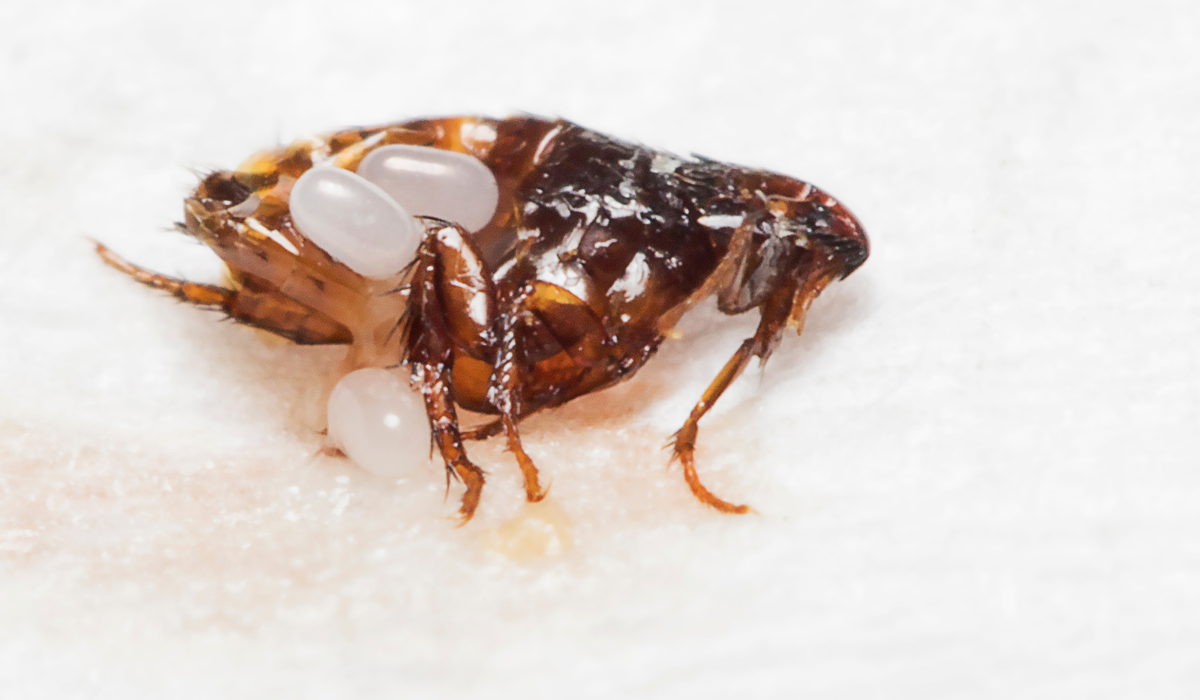
The flea life cycle has four stages: egg, larva, pupa, and adult. Eggs fall off the host into the environment. Larvae feed on organic debris before spinning cocoons. Adults emerge to find a host and start feeding on blood.
The entire cycle can last from two weeks to several months. Temperature and humidity affect the speed of development. Adults need a host quickly or they die within days.
Preferred Hosts
Fleas mainly choose animals with fur or feathers. Dogs, cats, rodents, and birds are common hosts. These animals provide easy access to blood and shelter among their hair or feathers.
Fleas rarely live on humans because human skin is less suitable. They prefer hosts that stay in one place and offer a stable environment. Pets are ideal hosts for fleas to complete their life cycle.
Fleas On Humans Vs. Pets
Fleas can bite humans but do not live in human hair. Human hair is too sparse and not warm enough for fleas to stay. Fleas jump on humans to feed but usually leave quickly.
Pets provide fleas with a better habitat. Their thick fur protects fleas and hides them from danger. Fleas can stay on pets for weeks, laying eggs and feeding regularly.
Human infestation is often temporary and caused by fleas moving from pets. Treating pets and their environment is key to preventing fleas on humans.

Credit: kdfoundation.org
Fleas In Human Hair
Fleas are tiny pests that often cause discomfort for pets. Many wonder if these bugs can live in human hair. Understanding how fleas interact with hair helps in preventing bites and infestations.
Fleas prefer animal fur but can sometimes be found on humans. Their ability to survive on human hair is limited but worth knowing about.
Can Fleas Live In Human Hair?
Fleas do not usually live in human hair. They prefer the fur of dogs or cats for feeding and breeding. Human hair lacks the right environment for fleas to thrive. Fleas may jump on hair briefly but cannot stay long. They struggle to hold on and find food on humans.
How Long Fleas Survive On Hair
Fleas can survive only a short time on human hair. Without a host animal, they die quickly. Usually, fleas survive less than 24 hours on human hair. They need animal blood to live and lay eggs. Fleas leave human hair to find a better host fast.
Signs Of Fleas In Hair
Itching on the scalp is a common sign of fleas. Small red bumps or rash may appear near the hairline and neck. Tiny, fast-moving dark bugs can sometimes be seen. Using a fine comb on wet hair helps spot fleas or flea dirt. Flea dirt looks like tiny black specks that turn red when wet. These signs help identify fleas rather than lice or other bugs.
Identifying Fleas On Humans
Identifying fleas on humans can be tricky. Fleas do not live long on human hair but can bite and cause irritation. Recognizing the signs helps to act quickly and reduce discomfort. This section explains how to identify fleas and their bites. It also shows how to tell fleas apart from lice.
Common Symptoms
Flea bites cause intense itching on the skin. You may see small red bumps in clusters. These often appear near the hairline, neck, or behind the ears. Some people notice tiny dark spots that move quickly. These spots are fleas or flea dirt, which is flea feces.
How To Spot Flea Bites
Flea bites are small and red. They often form groups or lines on the skin. The bites may feel itchy or cause a burning sensation. Flea bites are usually around the ankles, legs, or waist but can also be on the scalp. If bites are near the hairline or neck, check for fleas in the hair.
Distinguishing Fleas From Lice
Fleas jump quickly and are dark brown or black. Lice crawl slowly and are lighter in color. Fleas do not attach to hair strands like lice do. Use a fine-toothed comb on wet hair to find lice eggs or nits. Flea dirt looks like tiny black specks and turns red when wet.

Credit: www.itchpet.com
Effective Flea Removal From Hair
Removing fleas from human hair requires careful and consistent effort. Fleas can cause itching and discomfort. Effective removal helps stop the problem quickly. Several methods work well to clear fleas from hair. Combining washing, combing, and special shampoos gives the best results.
Washing Techniques
Start by washing hair with hot water and soap. Use regular shampoo or dish soap to drown fleas. The heat and soap break down flea bodies and eggs. Wash hair thoroughly, paying close attention to the scalp. Repeat washing daily to catch fleas that hatch later. Rinse well to remove all soap and dead fleas.
Using Flea Combs
A fine-toothed flea comb removes fleas and eggs from hair strands. Comb wet hair gently to avoid damage. Use a white towel or paper under the comb. Wipe the comb often to remove trapped fleas. Focus on the scalp, behind ears, and neck areas. Regular combing for several days ensures most fleas are gone.
Medicated Shampoos And Natural Options
Medicated shampoos with ingredients like permethrin help kill fleas. These products are often used for lice but work on fleas too. Follow the product instructions carefully. Natural oils like tea tree oil can also repel fleas. Mix a few drops with shampoo or dilute with water before use. Always test for skin sensitivity before applying natural treatments.
Preventing And Controlling Flea Infestations
Preventing and controlling flea infestations requires a clear plan. Fleas can quickly spread in homes and on pets. Acting fast reduces discomfort and stops the problem from growing. Focus on treating pets, cleaning the home, and avoiding errors. These steps help keep fleas away from hair and living spaces.
Treating Pets
Pets are the main source of fleas. Use veterinarian-recommended flea treatments. These include topical drops, oral pills, or flea collars. Check pets regularly for signs of fleas. Comb their fur with a fine-toothed flea comb. Bathe pets with flea-control shampoos as needed. Treat all pets in the home to stop flea transfer.
Cleaning Home Environment
Fleas live in carpets, bedding, and furniture. Vacuum floors and upholstery daily to remove eggs and larvae. Wash pet bedding and blankets in hot water every week. Use flea sprays or foggers designed for indoor use. Focus on dark, warm areas where fleas hide. Maintain cleanliness to break the flea life cycle.
Avoiding Common Mistakes
Do not treat pets without checking with a vet. Avoid skipping regular cleaning and pet treatments. Do not ignore flea eggs and larvae in the home. Avoid using harsh chemicals that can harm pets or people. Do not wait until fleas cause severe itching or skin problems. Consistency and care prevent flea infestations from returning.
Credit: www.nativepestmanagement.com
Myths And Facts About Fleas On Humans
Many people worry about fleas living in human hair. Some believe fleas can stay and breed on humans like they do on pets. Others think natural remedies easily get rid of them. It is important to separate myths from facts to handle fleas properly.
Understanding how fleas behave on humans helps reduce fear and guides better treatment. Here are key points to know about fleas on human hair.
Natural Remedies Limitations
Natural remedies like tea tree oil or vinegar may help repel fleas. They do not kill all fleas or eggs quickly. Fleas can survive if the treatment is weak or incomplete. Relying only on natural methods often fails to stop fleas fully.
Mechanical removal, such as using a fine-toothed flea comb, works best. Washing hair with hot, soapy water also helps drown fleas. Combining methods gives better results than natural remedies alone.
Why Fleas Don’t Stay Long On Humans
Fleas prefer animal hosts like dogs or cats. Human hair lacks the right environment and food source for fleas to live long. Fleas may jump on humans to bite but cannot survive or reproduce well.
Human body temperature and hair texture make it hard for fleas to stay. Fleas usually leave humans quickly, seeking animals to feed and breed on. This is why humans rarely have flea infestations like pets.
The Role Of Environment In Flea Control
Fleas thrive in warm, humid places with access to animal hosts. Controlling fleas requires treating pets and cleaning homes thoroughly. Vacuuming carpets, washing bedding, and using flea control products help remove fleas and eggs.
Ignoring the environment allows fleas to return despite treating humans. An effective flea control plan targets pets, environment, and any insects on humans. This stops flea problems from coming back.
Frequently Asked Questions
How Long Can Fleas Live In Human Hair?
Fleas cannot live long in human hair. They survive only a few hours without animal hosts. Treat pets and environment to stop infestations.
How Do I Tell If I Have Fleas In My Hair?
Intense scalp itching and red bumps near the hairline or neck suggest fleas. Feel tiny, fast-jumping dark bugs. Use a fine comb on wet hair over a white towel to spot fleas or flea dirt.
What Kills Fleas In Human Hair?
To kill fleas in human hair, wash thoroughly with hot, soapy water to drown them. Use a fine-toothed flea comb on wet hair, wiping it clean after each pass. Repeat daily and treat pets and home to prevent reinfestation.
Can Fleas Live On A Person’s Head?
Fleas can briefly jump onto a person’s head but cannot live or reproduce in human hair. They prefer animal hosts.
Conclusion
Fleas rarely live long on human hair. They prefer animal fur for food and shelter. Still, fleas can jump onto people briefly. Itching and red bumps may signal their presence. Washing hair with soap and using a fine comb helps remove fleas.
Treat pets and clean your home to stop fleas completely. Acting quickly prevents bigger infestations and discomfort. Staying informed keeps you and your family safe from fleas.
As an Amazon Associate, I earn from qualifying purchases.
Lovingshe is a participant in the Amazon Services LLC Associates Program which is an affiliate advertising program designed to provide a means for sites to earn advertising fees by advertising and linking to Amazon.com. Amazon may use cookies to track referrals from our site. Visit Amazon’s privacy policy for details
