


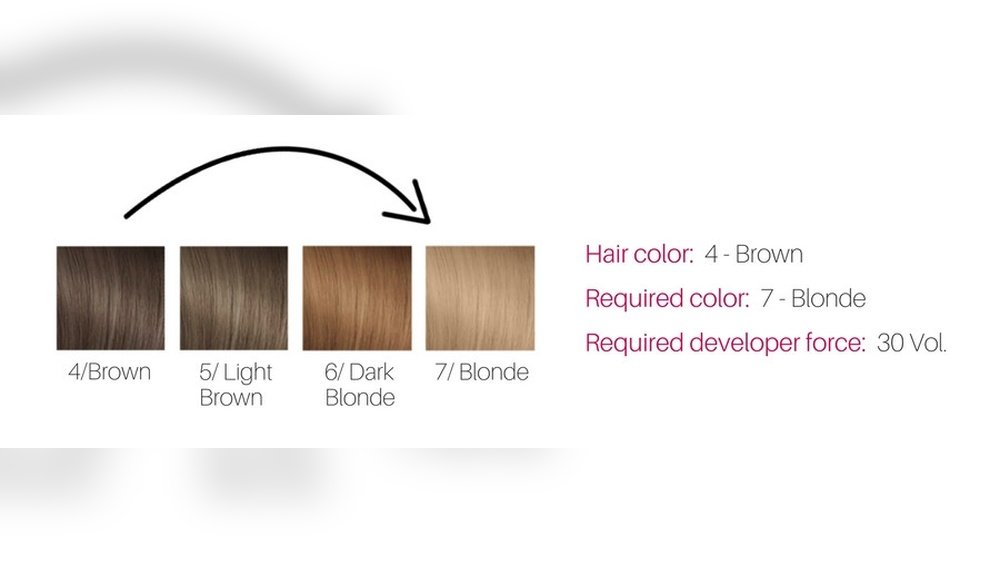
Have you ever wondered what a developer actually does to your hair during the coloring process? If you’re planning to dye your hair or curious about how hair color really works, understanding the role of developer is key.
It’s not just a fancy term hairstylists throw around—it’s the powerful ingredient that makes your new hair color possible. Without it, your dye won’t fully activate, leaving you with dull, uneven results that fade fast. You’ll discover exactly how developer interacts with your hair, why choosing the right strength matters, and what happens if you skip it altogether.
Keep reading to unlock the secret behind vibrant, long-lasting hair color that turns heads wherever you go.
Role Of Developer In Hair Coloring
The developer plays a vital role in hair coloring. It helps the hair dye work effectively. Without the developer, hair color may not show well or last long.
The developer controls how much the hair lightens or darkens. It also helps the color stay inside the hair for a longer time. This makes hair coloring successful and vibrant.
Activating Hair Dye
The developer contains hydrogen peroxide. It activates the color molecules in hair dye. This activation starts the chemical process needed for color change. Without activation, hair dye cannot deposit color on hair strands.
Lifting Hair Cuticle
The hair cuticle is the outer protective layer. Developer opens this cuticle slightly. This allows the dye to enter the inner layers of hair. Opening the cuticle is important for proper color absorption.
Ensuring Color Penetration
Once the cuticle lifts, the color can move inside. The developer helps color molecules reach the cortex. This deep penetration creates a strong, even color. It prevents patchy or uneven results on hair.
Locking In Color
The developer also helps lock the color inside hair. It oxidizes the dye, making it permanent. This locking process keeps hair color from washing out quickly. It ensures the hair stays vibrant for weeks.
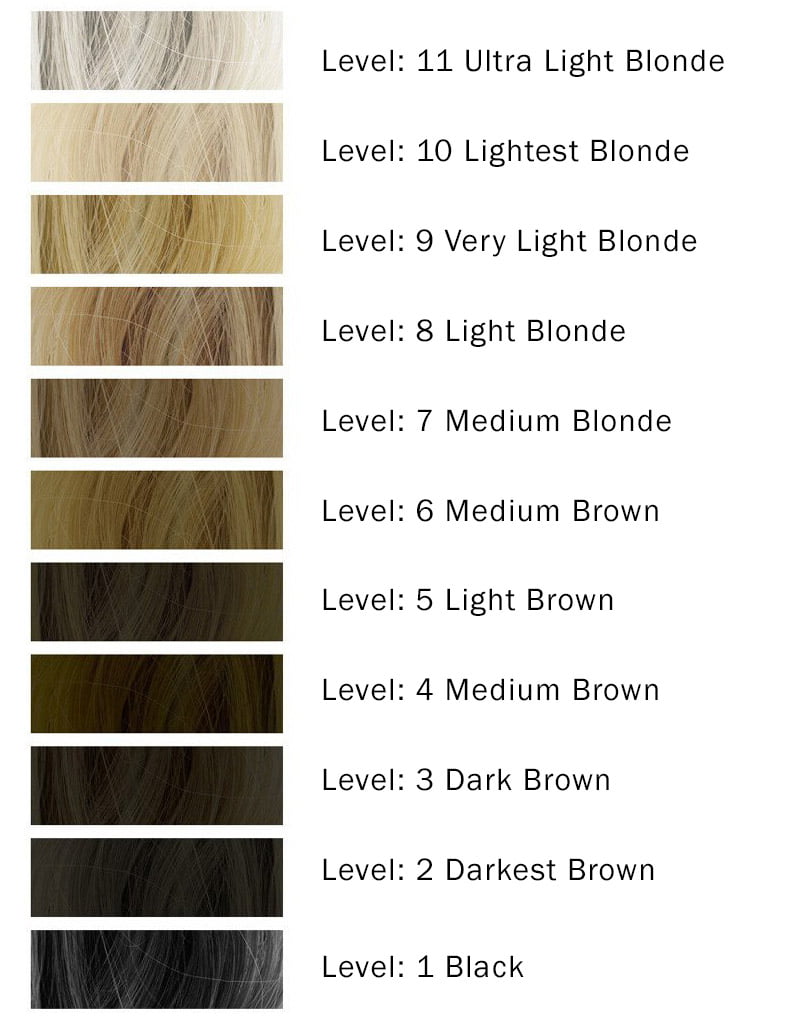
Credit: wunderkult.com
Types Of Developers
The developer plays a key role in hair coloring and lightening. It is a chemical that activates the hair dye or bleach. Developers come in different types based on their strength and purpose. Choosing the right type ensures the desired hair color results and maintains hair health.
Volume Levels Explained
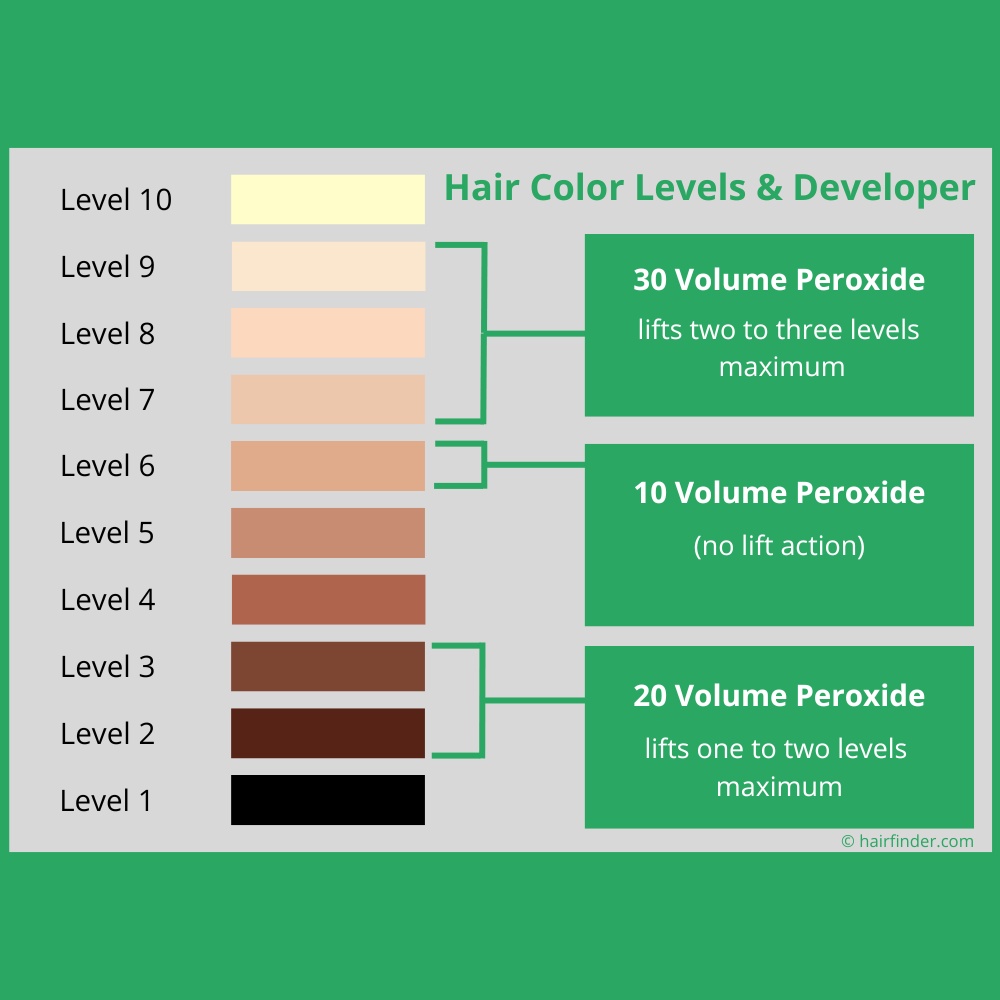
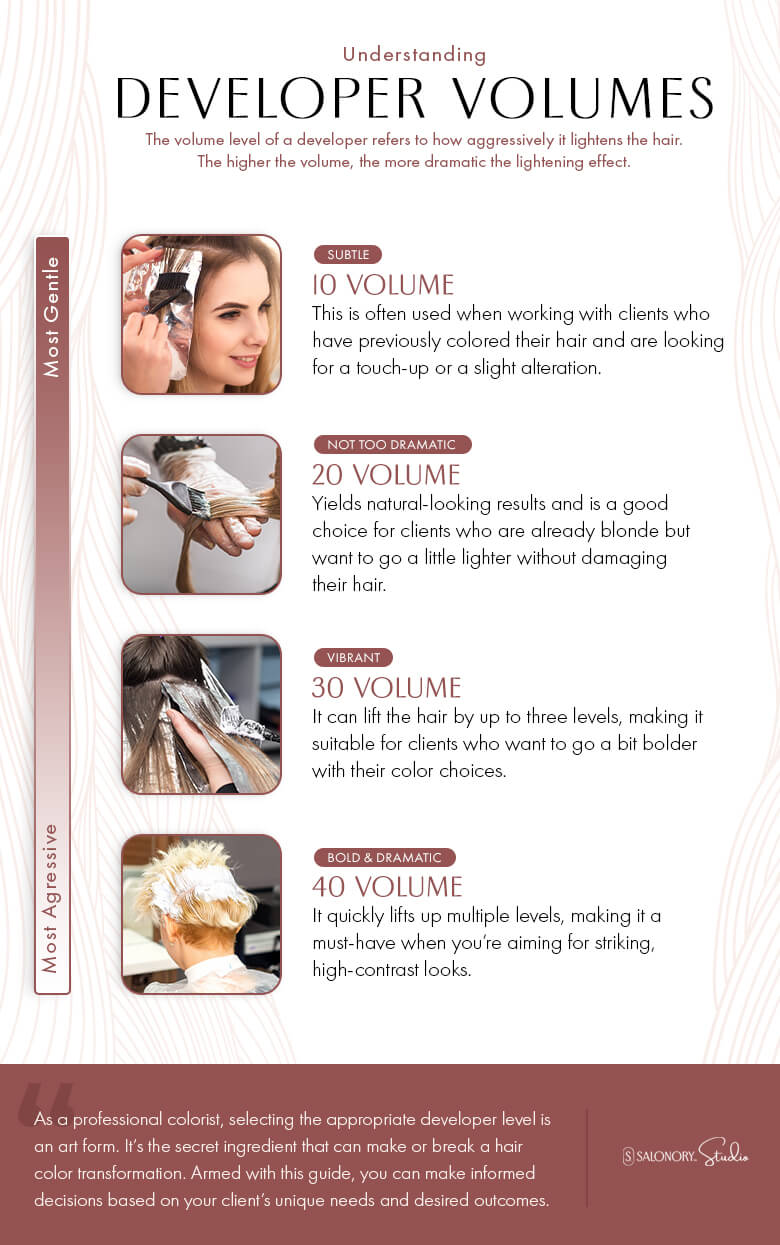
Developer strength is measured in volume levels. Common volumes are 10, 20, 30, and 40. Each volume lifts the hair to a different degree. A 10 volume developer opens the cuticle slightly for deposit-only color. A 20 volume developer lifts hair one to two levels and is the most used. A 30 volume developer lifts hair up to three levels. A 40 volume developer lifts hair four or more levels but is stronger and harsher on hair.
Choosing Developer Strength
Selecting the right developer depends on the hair color goal. For subtle color changes or darker shades, a 10 or 20 volume developer works well. For lightening hair several shades, use 30 or 40 volume. Stronger developers lift more but can cause damage. Always balance lift power with hair condition and desired results.
Developer For Coarse Vs. Fine Hair
Coarse hair is thicker and harder for color to penetrate. It often needs a stronger developer like 30 or 40 volume. Fine hair is delicate and lifts quickly. A lower volume developer, such as 10 or 20, is safer for fine hair. Using too strong a developer on fine hair can cause damage and breakage. Match developer strength to hair texture for healthy color results.
Effects Without Developer
Using hair color without a developer can cause several problems. The developer helps the color work properly on your hair. Without it, the dye cannot fully activate or penetrate the hair strands. This leads to poor and unsatisfying results. Below are some common effects of skipping the developer in hair coloring.
Weak Or No Color Development
Hair dye needs the developer to activate its color molecules. Without developer, the dye cannot open the hair cuticle. This stops the color from entering the hair shaft. The result is weak or no visible color change. Your hair may look almost the same as before coloring.
Uneven Color Results
Skipping the developer often causes patchy hair color. Some areas may absorb more dye than others. The color may appear blotchy or streaky. This happens because the dye does not fully penetrate the hair evenly. The final look can be very disappointing and unnatural.
Faster Color Fading
Developer helps lock the color inside the hair. Without it, the dye sits only on the surface. This makes the color wash out quickly. Your new hair color will fade after just a few washes. You may need to color your hair again soon to keep the shade.
Exceptions To Using Developer
Most hair coloring requires a developer to activate the dye. The developer opens the hair cuticle and allows color to enter. It also controls how much the hair lightens or darkens. Despite this, some hair dyes do not need a developer. These exceptions are gentle on hair and offer quick color changes. Understanding these helps in choosing the right product for your hair goals.
Semi-permanent And Temporary Dyes
Semi-permanent and temporary dyes usually skip the developer. They coat the hair shaft without opening the cuticle. This means less damage and easier removal. These dyes work well for subtle color shifts or fun tones. They wash out in a few shampoos. Ideal for people who want to try new colors often.
Direct Dyes That Skip Developer
Direct dyes contain color molecules that penetrate hair without a developer. They do not need oxidation to work. These dyes offer vibrant color with minimal processing. Often used for bright or pastel shades. They sit on the hair surface and fade over time. Great for adding highlights or creative looks without damage.
Developer And Hair Damage
The developer plays a key role in hair coloring but can also cause damage. It contains hydrogen peroxide, which helps lift the hair cuticle. This allows color to enter and change the hair’s shade. The process involves chemical reactions that may weaken hair if not used carefully.
Understanding how the developer affects hair helps prevent damage. Knowing the oxidation impact and cuticle damage is important. Taking steps to avoid overprocessing keeps hair healthier after coloring.
Oxidation Impact
The developer causes oxidation, a chemical reaction with hair pigment. This breaks down natural color and opens the hair shaft. Oxidation allows new color to form inside the hair.
Too much oxidation can dry out hair strands. It removes natural oils and moisture, making hair brittle. Weak hair breaks easily and looks dull after coloring.
Cuticle Damage
The hair cuticle is the outer protective layer of each strand. The developer lifts this layer to let color enter the cortex. Lifting the cuticle can make it rough and prone to damage.
Repeated use of developer can cause the cuticle to crack or peel. This leads to frizzy, weak hair that loses shine. Damaged cuticles also make hair more vulnerable to environmental harm.
Preventing Overprocessing
Overprocessing happens when hair is exposed to developer too long. It causes excessive dryness and breakage. Avoid leaving color on hair longer than recommended.
Using the right developer strength for your hair type is essential. Lower volumes cause less damage but may lighten less. Higher volumes work faster but increase the risk of harm.
Regular deep conditioning treatments help restore moisture and strength. Trim damaged ends to keep hair healthy after coloring. Proper care reduces damage from developer use.
Credit: www.hairfinder.com
Developer Alternatives
Many hair dye formulas rely on a developer to activate the color. The developer opens the hair cuticle and helps the color penetrate deeply. Some people seek alternatives to developers due to sensitivity or personal preference. Exploring options can help achieve hair color goals without the traditional developer.
When To Skip Developer
Skipping developer works for temporary or semi-permanent dyes. These dyes sit on the hair surface and do not need cuticle lifting. People with sensitive scalps may choose this to avoid irritation. Also, using direct dyes or color sprays often requires no developer.
Other Activators
Some products use gentle activators instead of traditional developers. These include natural ingredients like aloe vera or chamomile extracts. They cause less damage but may offer limited color change. Another option is using heat to open the hair cuticle, helping color absorb without chemicals.
Risks Of Not Using Developer
Not using developer with permanent dye can cause uneven color. The dye may not fully penetrate the hair shaft. Colors may fade quickly or appear dull and patchy. This can lead to an unsatisfactory hair color result and require more frequent touch-ups.
Tips For Using Developer Safely
Using developer safely is important for healthy, vibrant hair color. Developers contain hydrogen peroxide, which helps color penetrate hair strands. Misusing developer can cause damage or unwanted results. Follow these tips to protect your hair and get the best color outcome.
Selecting The Right Volume
Choose the correct developer volume based on your hair goals. Low volumes (10 or 20) deposit color gently or cover gray hair. Higher volumes (30 or 40) lift natural hair color for highlights or lightening. Using too strong a developer can cause dryness and breakage. Match developer strength to your hair type and the dye instructions.
Patch Testing
Always do a patch test before applying developer and dye. Apply a small amount behind your ear or on your wrist. Wait 24 to 48 hours to check for allergic reactions or irritation. Patch testing helps avoid serious scalp problems or redness. Never skip this step, even if you used the product before.
Aftercare For Colored Hair
After coloring, treat your hair gently to keep it healthy. Use sulfate-free shampoos made for color-treated hair. Deep condition regularly to restore moisture lost during processing. Avoid heat styling tools or use heat protectants to prevent damage. Protect hair from sun exposure, which can fade color and dry hair. Proper aftercare extends the life of your color and maintains softness.
Credit: studio.salonory.com
Frequently Asked Questions
Does A Developer Lighten Your Hair?
A developer (hydrogen peroxide) lightens hair by opening the cuticle and activating bleach or dye. It controls lift and color intensity.
Do You Really Need Developer For Hair Dye?
Yes, you need a developer for most permanent hair dyes. It opens the cuticle, allowing color to penetrate and last longer. Without it, color fades quickly and appears patchy. Temporary dyes may not require a developer but offer less lasting results.
Is Developer Damaging To Your Hair?
Developer can damage hair by opening the cuticle and lifting the hair’s natural pigment. Overuse or high volumes increase damage risk. Proper use minimizes harm while enabling effective color results.
Is A 20 Or 40 Developer Stronger?
A 40 volume developer is stronger than a 20 volume developer. It lifts hair color more intensely and faster. Use 40 volume for high lift or bleaching; 20 volume suits standard color depositing and gentle lift. Choose based on desired hair lightening and condition.
Conclusion
A developer plays a key role in hair coloring. It opens the hair cuticle to let color enter. This helps the dye last longer and look even. Without a developer, color may fade quickly or look patchy. Different developers have varying strengths for lightening or depositing color.
Choosing the right one protects hair health and improves results. Understanding what a developer does helps you get better hair color outcomes. Simple but important for vibrant, lasting hair dye.
As an Amazon Associate, I earn from qualifying purchases.
Lovingshe is a participant in the Amazon Services LLC Associates Program which is an affiliate advertising program designed to provide a means for sites to earn advertising fees by advertising and linking to Amazon.com. Amazon may use cookies to track referrals from our site. Visit Amazon’s privacy policy for details
