


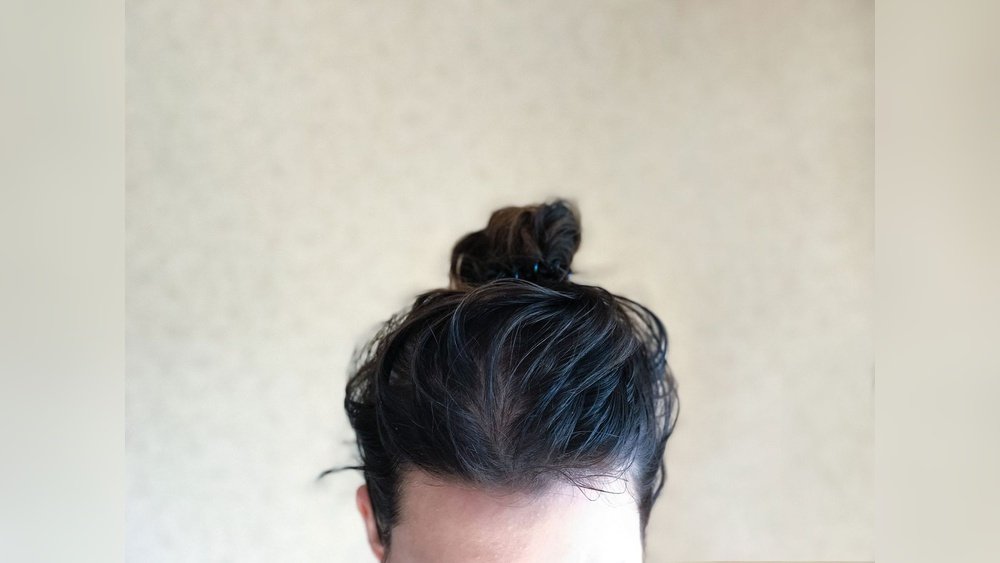
Do you find yourself running to wash your hair every day because it looks oily just hours after shampooing? You’re not alone.
Fast-greasy hair can feel frustrating and make you self-conscious, especially when you want your hair to look fresh and clean all day long. But why does your hair get oily so fast? Understanding what causes this can help you take control and keep your hair looking great for longer.
You’ll discover simple yet effective tips to manage oiliness, adjust your hair care routine, and even lifestyle changes that can make a big difference. Keep reading to uncover the secrets to saying goodbye to greasy hair once and for all!

Credit: www.reddit.com
Causes Of Fast Oily Hair
Fast oily hair can feel frustrating and hard to manage. Understanding the main causes helps you control oil better. Several factors make your scalp produce oil quickly and leave hair greasy soon after washing. Knowing these causes guides you to better hair care choices.
Scalp Oil Overproduction
The scalp has tiny glands called sebaceous glands. These glands produce oil to keep hair moist and healthy. Some people have glands that work too much. This leads to oily hair shortly after washing. Genetics often control how active these glands are.
Overwashing Effects
Washing hair too often can dry out the scalp. The scalp responds by making extra oil to balance moisture. This cycle causes hair to get greasy faster. Using harsh shampoos can worsen this problem. Gentle washing and spacing out washes help reduce oil buildup.
Hormonal Influences
Hormones affect oil production in the scalp. Changes during puberty, pregnancy, or stress can increase oil levels. Hormonal imbalances may cause glands to become more active. This leads to faster oily hair and sometimes acne on the scalp.
Diet And Lifestyle Impact
What you eat affects your scalp health. High-fat, sugary, or processed foods may increase oil production. Lack of sleep and stress also affect hormone levels and scalp oil. Drinking water and eating balanced meals support a healthy scalp.
Adjusting Your Washing Routine
Adjusting your washing routine can help control oily hair. Changing how often and how you wash affects oil levels on your scalp. Simple steps in your daily routine can reduce greasiness and keep hair fresh longer.
Skip Daily Shampooing
Washing hair every day removes natural oils. This causes your scalp to produce more oil. Try washing every other day or every few days. This gives your scalp time to balance oil production.
Focus Shampoo On Roots
Oil builds up mainly at your scalp and roots. Apply shampoo directly to these areas. Gently massage to clean without over-drying. Avoid scrubbing the ends, which are drier and need less washing.
Condition Ends Only
Conditioner can make your scalp oily if used too close to roots. Apply conditioner from the middle of your hair to the ends. This keeps hair soft without adding extra oil near the scalp.
Rinse With Cooler Water
Hot water can stimulate oil glands to produce more oil. Use cool or lukewarm water to rinse your hair. Cooler water helps close pores and reduces oil secretion. It also makes hair shinier and healthier.
Use Clarifying Shampoo Weekly
Clarifying shampoo removes buildup from styling products and excess oil. Use it once a week to deep clean your scalp. This prevents oil and residue from making hair greasy fast. Follow with a light conditioner on the ends.
Daily Hair Care Habits
Daily hair care habits play a big role in how oily your hair becomes. Small changes in your routine can help control excess oil. Paying attention to how you handle your hair each day makes a difference. These habits help keep your scalp clean and oil levels balanced.
Limit Hair Touching
Touching your hair often spreads oil from your hands to your strands. It also stimulates more oil production from the scalp. Try to keep your hands away from your hair throughout the day. This simple habit can slow down how fast your hair gets greasy.
Clean Brushes Regularly
Hairbrushes collect oil, dirt, and product buildup over time. Using a dirty brush spreads oil back onto your hair. Clean your brushes at least once a week with warm water and mild soap. Dry them completely before use to keep hair fresh and less oily.
Brushing Techniques
Brushing helps distribute natural oils from the scalp to the ends. Use gentle strokes to avoid irritating the scalp. Start brushing from the roots and move down to the tips. Over-brushing or harsh strokes can trigger more oil production.
Rinse Hair After Workouts
Sweat mixes with scalp oils and dirt, causing faster greasiness. Rinse your hair with water after exercise to remove sweat and oil. If possible, use a gentle shampoo on workout days. This keeps your scalp clean and controls oil buildup effectively.

Credit: www.youtube.com
Preventive Products And Tools
Using the right products and tools helps control oily hair. These items reduce excess oil without harming scalp health. They also keep hair fresh and clean longer. Choosing preventive solutions is key to managing fast oiliness. Simple tools and products make a big difference.
Dry Shampoo Benefits
Dry shampoo absorbs excess oil quickly. It refreshes hair without water or washing. Use it at roots to keep hair looking clean. Dry shampoo adds volume and texture too. It saves time on washing and styling. Apply it before hair gets greasy for best results.
Baby Powder For Quick Fix
Baby powder works as a quick oil absorber. Sprinkle a small amount on oily spots. Massage gently to spread powder evenly. It soaks up oil and reduces shine. Baby powder is an affordable, easy option. Ideal for emergency fixes or travel use.
Choosing Suitable Hair Products
Select shampoos and conditioners made for oily hair. Look for lightweight, oil-control formulas. Avoid heavy, creamy products that add weight. Use conditioner only on hair ends, not scalp. Products with natural ingredients help balance oils. Regular use of clarifying shampoo removes buildup. Proper products keep scalp clean and healthy.
Lifestyle Changes For Healthier Hair
Changing daily habits can improve oily hair problems. Small lifestyle shifts help balance scalp oils. Healthier hair starts with what you eat, how you handle stress, and your rest routines. These factors affect your scalp’s oil production and hair health.
Balanced Diet Tips
Eating right supports scalp health and controls oil. Include foods rich in vitamins A, B, and E. Nuts, fish, fruits, and vegetables help keep hair strong. Avoid too much greasy or sugary food. Drink green tea or water with lemon to detoxify.
Stress Management
Stress raises oil production in your scalp. Practice deep breathing or meditation daily. Take breaks to relax your mind and body. Regular exercise lowers stress and balances hormones. Less stress means less oily hair and better scalp health.
Hydration And Sleep Importance
Drink plenty of water to keep your scalp hydrated. Dehydration makes your scalp produce more oil. Aim for 7 to 8 hours of sleep each night. Good sleep repairs skin and balances oil glands. Well-rested hair looks fresher and less oily.

Credit: www.youtube.com
Common Myths About Oily Hair
Oily hair often leads to many myths that confuse people trying to manage it. These myths can make oily hair worse or cause unnecessary worry. Understanding the truth helps you care for your hair better.
Let’s clear up some common ideas that are not quite right about oily hair.
Washing More Means Less Oil
Many believe washing hair often stops oil buildup. Actually, washing too much removes natural oils. Your scalp reacts by making more oil to replace it. This makes hair oily faster. Washing every day or too frequently can worsen oiliness.
Conditioner Causes Greasiness
Some say conditioner makes hair greasy. Conditioner only makes hair oily if applied to the scalp. Applying conditioner to the ends keeps hair soft without adding oiliness at the roots. Avoid the scalp area when conditioning to prevent extra greasiness.
Brushing Reduces Oiliness
Brushing is thought to spread oil away and reduce greasiness. Brushing actually moves oil around the hair, making more strands oily. Over-brushing can also stimulate oil glands to produce more oil. Use a brush gently and don’t overdo it.
Frequently Asked Questions
How Do I Stop My Hair From Getting Greasy So Fast?
Wash hair less frequently to balance oil, use dry shampoo on roots, condition only ends, avoid touching hair, and clean brushes regularly. Rinse with cool water and clarify weekly to remove buildup. Manage stress and eat a healthy diet for better scalp health.
Why Is My Hair Greasy After 1 Day?
Your scalp overproduces oil due to overwashing, hormonal changes, or genetics. Touching hair and product buildup also cause greasiness.
How Do I Train My Hair To Be Less Oily?
Train your scalp by washing less often, shampooing roots only, conditioning ends, and using dry shampoo early. Avoid touching hair, clean brushes regularly, rinse with cool water, and clarify weekly to reduce oiliness. Manage stress and maintain a balanced diet for healthier scalp oil control.
How Do I Stop My Head From Being So Oily?
Wash hair less frequently to prevent oil overproduction. Shampoo scalp only and condition ends. Use dry shampoo to absorb oil. Avoid touching hair and clean brushes regularly. Rinse with cool water and use clarifying shampoo weekly for buildup. Manage stress and eat a balanced diet for healthier scalp.
Conclusion
Oily hair happens because your scalp makes extra oil. Washing hair too much can make oil production worse. Use dry shampoo and wash only the scalp to help. Apply conditioner only on hair ends to avoid heaviness. Keep hands off your hair to stop adding oil.
Clean your brushes often to remove oil buildup. Rinse hair after sweating to keep it fresh. A healthy diet and less stress support good scalp health. Small changes in care can slow down oily hair quickly. Try these tips to feel confident with your hair daily.
As an Amazon Associate, I earn from qualifying purchases.
Lovingshe is a participant in the Amazon Services LLC Associates Program which is an affiliate advertising program designed to provide a means for sites to earn advertising fees by advertising and linking to Amazon.com. Amazon may use cookies to track referrals from our site. Visit Amazon’s privacy policy for details
