


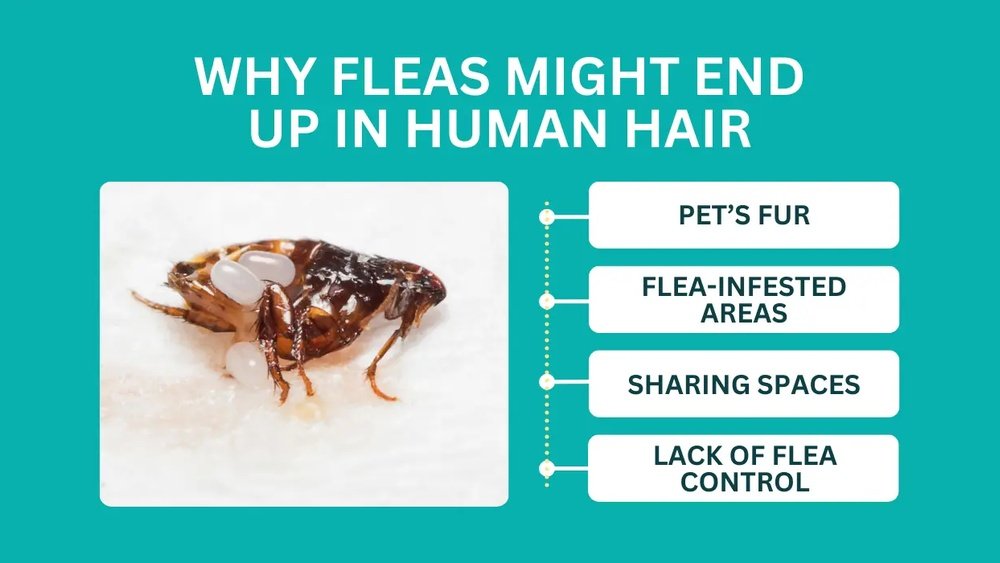
Have you ever wondered if fleas can actually get into your hair? That creepy feeling of something crawling on your scalp can make you instantly uneasy.
You might be asking yourself, “Could those tiny pests really be hiding in my hair, or is it just my imagination? ” Understanding whether fleas can live or hide in your hair is key to knowing how to protect yourself and your loved ones.
You’ll discover the truth about fleas and human hair, learn how to spot the signs of an unwanted visitor, and find out what steps you can take to keep your scalp itch-free. Keep reading to clear up the mystery and take control of the situation before it gets out of hand.
Credit: www.mosquitosquad.com
Fleas And Human Hair
Identifying whether tiny bugs in your hair are fleas or lice is important for proper treatment. Both insects cause itching and discomfort, but they differ in how they look and behave. Understanding these differences helps you handle the problem quickly and effectively.
Appearance And Movement Differences
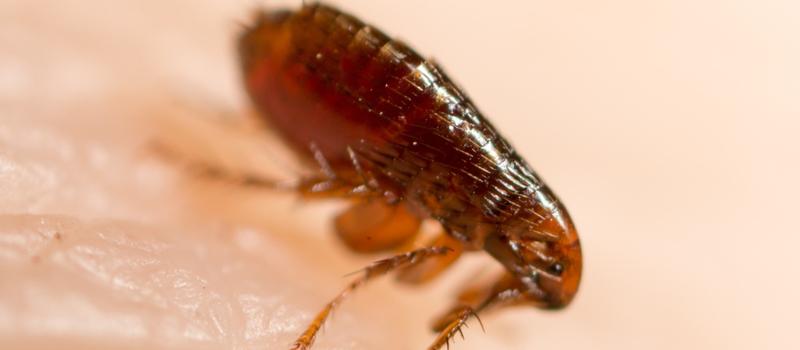
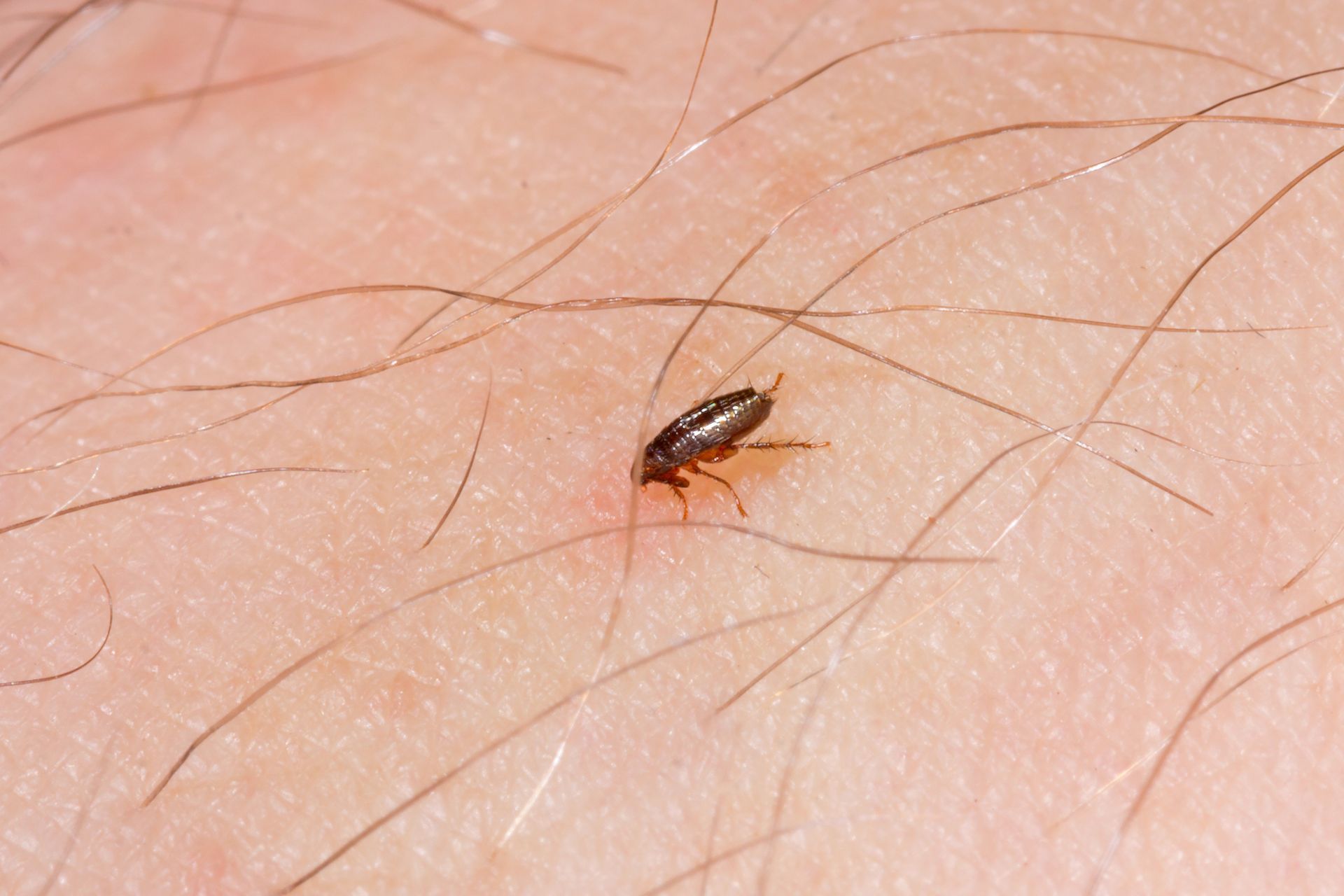
Fleas are small and dark brown. Their bodies are flat from side to side. Fleas can jump long distances quickly. This helps them move between hosts fast.
Lice are smaller and lighter in color, often gray or white. Their bodies are flatter from top to bottom. Lice crawl slowly and hold tightly to hair strands. They cannot jump or fly.
Behavioral Traits
Fleas prefer animals but can bite humans if nearby. They often jump off quickly after biting. Fleas lay eggs on pets or in carpets, not on human hair.
Lice live only on humans. They stay in hair and lay eggs attached to hair shafts. Lice feed on blood and cause constant itching. They spread through close contact or sharing personal items.

Credit: kdfoundation.org
Signs Of Fleas In Hair
Checking for fleas in human hair requires careful observation and the right tools. Fleas are tiny and fast, making them hard to spot. To confirm their presence, follow clear steps for inspection. This helps to avoid confusion with other pests like lice.
Using A Fine-toothed Comb
A fine-toothed comb is essential for detecting fleas in hair. Comb through small sections, starting from the scalp to the ends. Use steady, slow strokes to catch any tiny insects or debris. After each pass, tap the comb on a white towel to see what falls off. Fleas will often move quickly and jump off the comb.
Inspecting Flea Dirt
Flea dirt looks like small black specks in the hair. It is actually flea feces made of digested blood. To test, place the specks on a wet paper towel. Flea dirt will turn reddish-brown when wet. This test helps confirm if the black specks are flea dirt or just dirt.
Best Environment For Inspection
Inspect hair in a well-lit area for better visibility. Natural light or bright lamps work best. Sit over a white surface, such as a towel or cloth, to catch any falling fleas or dirt. A calm environment helps you focus and catch any signs of fleas more easily.
Identifying Fleas Vs. Lice
Preventing flea contact is essential to avoid discomfort and potential skin problems. Fleas can jump from pets or the environment onto humans, causing itching and irritation. Taking steps to control fleas on pets, clean the home, and protect yourself helps reduce flea encounters. These methods work together to keep fleas away from your hair and skin.
Pet Flea Control
Check your pets regularly for fleas. Use vet-recommended flea treatments like topical drops or collars. Bathe pets with flea shampoos to kill existing fleas. Groom pets often with a flea comb to remove fleas and eggs. Keep pet bedding clean and wash it frequently in hot water. Healthy pets mean fewer fleas jumping onto you.
Home Environment Cleaning
Vacuum floors, carpets, and furniture every day to remove fleas and eggs. Dispose of vacuum bags or empty canisters outside your home. Wash bedding, blankets, and rugs in hot water weekly. Use flea sprays or powders designed for home use to treat carpets and upholstery. Seal cracks and crevices where fleas may hide. A clean home reduces flea populations significantly.
Personal Protective Measures
Wear light-colored clothing to spot fleas easily. Avoid sitting or lying on floors or furniture that may have fleas. Use flea repellents on your skin or clothing if visiting areas with fleas. Shower and change clothes after contact with pets or infested areas. Comb hair regularly to check for fleas or flea dirt. Staying vigilant helps keep fleas away from your hair and skin.
Credit: www.ecoguardpestmanagement.com
Frequently Asked Questions
How Do You Know If You Have Fleas In Your Hair?
Intense scalp itching and red bumps on the neck or hairline signal fleas. Feel crawling sensations and spot tiny, dark, jumping insects or black specks (“flea dirt”) on a white towel after combing hair. Flea dirt turns reddish with water.
How Long Will Fleas Live In Human Hair?
Fleas cannot live long in human hair. They prefer animal hosts and usually survive only a few hours without a pet. Fleas may jump onto hair briefly but do not establish infestations there.
Does Showering Get Rid Of Fleas On Humans?
Showering helps wash away fleas and dirt from your skin but does not fully remove fleas from hair. Use a fine-toothed comb and flea treatment for effective removal.
Can Fleas Lay Eggs In Your Hair?
Fleas do not lay eggs in human hair. They prefer pets and rarely live on humans. Fleas may bite and cause itching but do not infest scalp or hair.
Conclusion
Fleas rarely live in human hair for long. They prefer pets as their main hosts. Fleas can jump onto your scalp but usually do not stay. You might feel itching or see small bites. Checking your hair with a fine comb helps spot fleas or flea dirt.
Treat pets and your home to prevent flea problems. Staying clean and using flea control keeps you safe. Remember, fleas on humans are usually temporary and not common. Taking quick action stops fleas from causing discomfort or spreading.
As an Amazon Associate, I earn from qualifying purchases.
Lovingshe is a participant in the Amazon Services LLC Associates Program which is an affiliate advertising program designed to provide a means for sites to earn advertising fees by advertising and linking to Amazon.com. Amazon may use cookies to track referrals from our site. Visit Amazon’s privacy policy for details
