


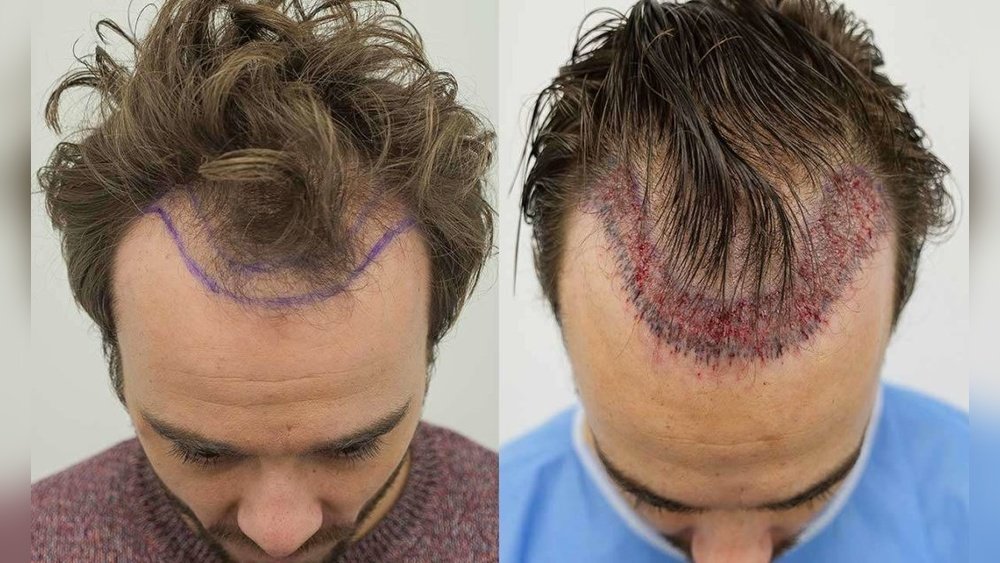
Are you wondering if a hair transplant is truly permanent? If you’re considering this life-changing procedure, you probably want to know how long the results will last.
After all, investing time, money, and hope into restoring your hair means you deserve lasting confidence and natural-looking results. The good news is that hair transplants use your own hair follicles—ones that are naturally resistant to hair loss—so they are designed to grow for a lifetime.
But there’s more to the story. Factors like your age, genetics, and how well you care for your hair afterward can influence the final outcome. Keep reading to discover what makes a hair transplant permanent, what to expect during the process, and how you can maintain your new look for years to come. Your journey to fuller hair starts here.
Permanence Of Hair Transplants
Hair transplants offer a lasting solution for hair loss by moving healthy hair follicles to thinning areas. The permanence of these transplants depends on several factors related to the nature of the transplanted hair. Understanding these factors helps set realistic expectations about the durability of hair transplant results. Transplanted hair usually remains for life, but ongoing care and genetics can influence outcomes.
Dht Resistance And Donor Hair
Hair follicles taken from the back or sides of the head resist DHT, the hormone causing baldness. These donor hairs keep their natural resistance after transplantation. This resistance means transplanted follicles do not fall out like other hairs. DHT-resistant donor hair is the key reason hair transplants last long.
Genetic Traits Of Transplanted Follicles
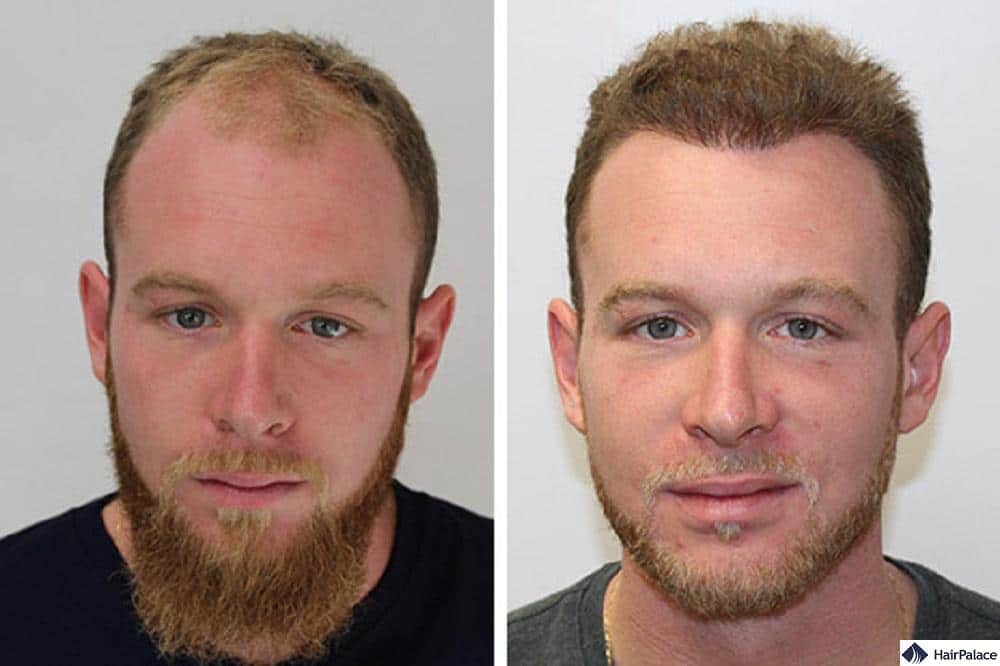
Each hair follicle carries genetic information that controls its growth and loss cycle. Transplanted follicles maintain their original genetic traits even after moving to a new area. This means they continue to behave like they did in the donor site. These genetic traits assure the transplanted hair grows permanently in its new location.
Credit: www.hairpalace.co.uk
Factors Influencing Longevity
Hair transplant longevity depends on several important factors. These factors affect how well the transplanted hair grows and lasts over time. Understanding these can help set realistic expectations and improve results.
Surgeon’s Expertise
The skill of the surgeon plays a big role in transplant success. Experienced surgeons handle hair follicles carefully. They place grafts in the right direction and density. This ensures natural appearance and better survival of transplanted hair. Poor technique can damage follicles and reduce longevity.
Quality Of Donor Hair
Donor hair quality is key for lasting results. Hair taken from the back or sides of the head is usually resistant to hair loss. Strong, healthy follicles grow better after transplant. Weak or thin donor hair may lead to patchy or short-lived growth. Good donor hair means the transplant will last longer.
Age And Genetic Impact
Age and genetics influence how hair transplant results hold up. Younger patients may lose native hair over time, changing the look. Genetics determine hair loss patterns and progression. Transplanted hair resists loss, but surrounding hair might thin. This can require future treatments to maintain a full look.
Post-operative Care And Medication
Proper care after surgery affects hair transplant longevity. Patients must follow doctor instructions carefully. Avoiding harsh chemicals and sun exposure helps. Medications like Finasteride or Minoxidil support hair health. These steps protect both transplanted and native hair for longer-lasting results.
What To Expect After Transplant
After a hair transplant, understanding the healing and growth process helps set realistic expectations. The journey involves stages that affect the appearance and feel of your hair. Patience is key during these phases. Knowing what happens next can ease concerns and guide proper care.
Initial Shedding Phase
In the first few weeks, transplanted hairs often fall out. This is normal and called shedding. It may seem like losing progress, but the follicles remain healthy under the scalp. Shedding clears the way for new hair to grow. Avoid touching or scratching the scalp to prevent damage.
New Hair Growth Timeline
New hair starts to grow around three to four months after the transplant. Growth is slow at first and may be thin. Over the next several months, the hair thickens and becomes fuller. By twelve months, most patients see the full results. Regular check-ups with your doctor help track progress.
Long-term Hair Maintenance
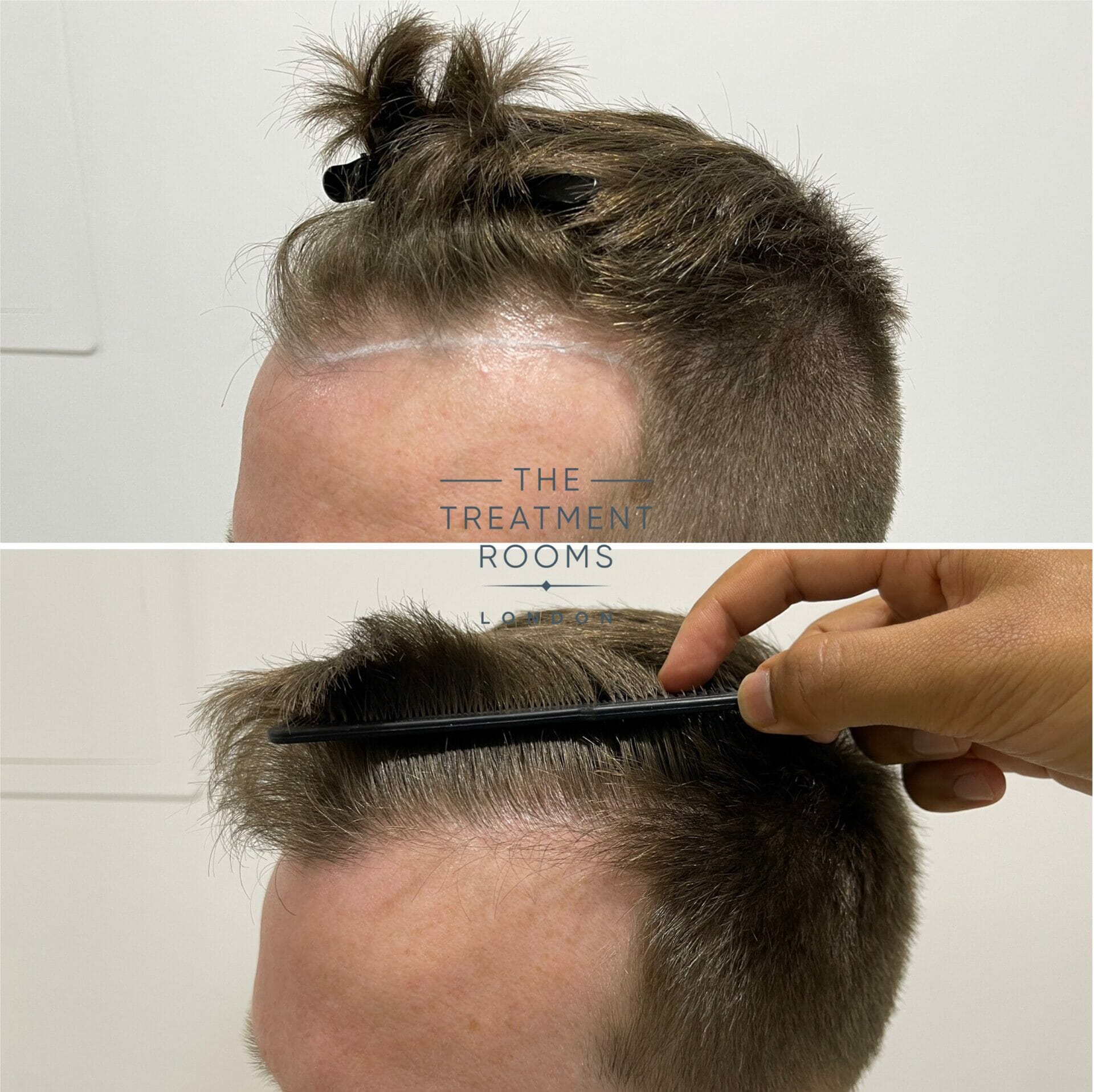
Transplanted hair is permanent but needs care to stay healthy. Use gentle shampoos and avoid harsh treatments. Protect hair from sun damage and avoid smoking. Sometimes, medications like Finasteride or Minoxidil support hair health. Regular visits to your specialist can help maintain the best results.
Credit: www.treatmentroomslondon.com
Hair Thinning Post-transplant
Hair thinning after a transplant is a common concern. Many wonder if their hair will stay thick forever. While transplanted hair is typically permanent, natural hair outside the transplant area may thin. This can affect the overall look and density over time.
Understanding how hair thins post-transplant helps set real expectations. It also guides proper care and planning for the future.
Balding In Non-transplanted Areas
Hair transplant only moves hair from one spot to another. It does not stop hair loss in other parts of the scalp. Non-transplanted areas remain vulnerable to thinning and balding. This can create a contrast between thick transplanted hair and thinning natural hair. Patients may notice gradual hair loss around the transplant site. This is normal and depends on age and genetics. Using medications like Finasteride or Minoxidil can slow this process.
Planning For Future Hair Loss
Planning is key to long-term hair health after transplant. A surgeon often maps out future hair loss patterns. This helps decide the number of grafts and placement. Planning helps maintain a natural look as hair changes with time. Patients should discuss ongoing care with their doctor. Regular check-ups and treatments can protect non-transplanted hair. Some may need follow-up sessions to keep hair density balanced. Staying proactive ensures the best results for years.
Touch-ups And Additional Treatments
Hair transplants offer a lasting solution to hair loss, but maintaining the best results sometimes requires extra care. Touch-ups and additional treatments help keep hair looking full and healthy over the years. These options address natural changes in hair density and support the growth of transplanted and existing hair. Understanding when to consider these steps and how medications can assist is key to long-term satisfaction.
When To Consider Touch-ups
Touch-ups are useful when transplanted hair thins or natural hair continues to fall out. Sometimes, new bald spots appear near the treated area. A touch-up session adds more grafts to improve coverage and density. Timing varies by person but often happens several years after the initial transplant. Those noticing less hair or uneven growth should consult their surgeon. Early intervention keeps hair looking natural and full.
Medications To Support Hair Density
Medications like Finasteride and Minoxidil help slow hair loss and boost density. Finasteride blocks hormones that shrink hair follicles. Minoxidil improves blood flow to the scalp, encouraging growth. These drugs work best when started early and used consistently. They support both transplanted and original hair, maintaining overall thickness. Combining medication with a transplant gives stronger, longer-lasting results.

Credit: haistaclinic.com
Frequently Asked Questions
How Long Do Hair Transplants Last?
Hair transplants last a lifetime as they use DHT-resistant donor hair. Natural thinning may occur, requiring maintenance or touch-ups.
Can You Go Bald Again After Hair Transplant?
Yes, transplanted hair is permanent, but natural hair around it can thin over time. Maintenance treatments may be needed.
What Happens 20 Years After A Hair Transplant?
Twenty years after a hair transplant, transplanted hair remains permanent and grows naturally. Native hair may thin, possibly needing maintenance or touch-ups. Age, genetics, and care affect overall density. Using medications and proper aftercare helps preserve results long-term.
Is A Hair Transplant Worth It?
A hair transplant offers permanent, natural hair growth using DHT-resistant follicles. Results last decades but may need maintenance due to aging or genetics. Skilled surgeons and proper aftercare improve success. Many find it worth the investment for lasting confidence and appearance enhancement.
Conclusion
Hair transplants use resistant hair to grow permanently. The transplanted hair usually lasts a lifetime. Still, original hair loss may continue around the area. This might change the overall look over time. Regular care and sometimes medication help maintain hair health.
Skilled surgeons and good donor hair improve results greatly. Expect some shedding at first; new growth follows. Touch-ups or treatments can support long-term appearance. Overall, hair transplants provide lasting improvement with proper care.
As an Amazon Associate, I earn from qualifying purchases.
Lovingshe is a participant in the Amazon Services LLC Associates Program which is an affiliate advertising program designed to provide a means for sites to earn advertising fees by advertising and linking to Amazon.com. Amazon may use cookies to track referrals from our site. Visit Amazon’s privacy policy for details
