


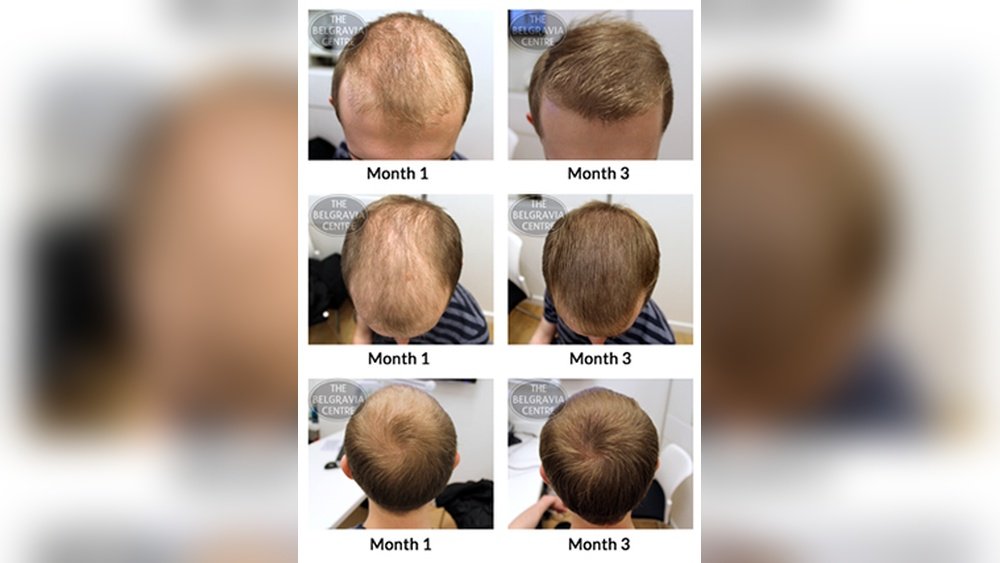
Are you noticing flaky, itchy patches on your scalp and wondering if it could be causing your hair to thin? Seborrheic dermatitis is a common skin condition that affects many people, often leaving them frustrated and concerned about their hair health.
You might be asking yourself: can seborrheic dermatitis actually lead to hair loss? Understanding the connection between this condition and hair shedding is essential if you want to protect your hair and regain confidence. You’ll discover how seborrheic dermatitis impacts your scalp, whether hair loss is permanent, and what steps you can take to stop thinning and support healthy hair growth.
Keep reading to find out how to tackle this stubborn issue and take control of your scalp’s health.
Seborrheic Dermatitis And Hair Loss
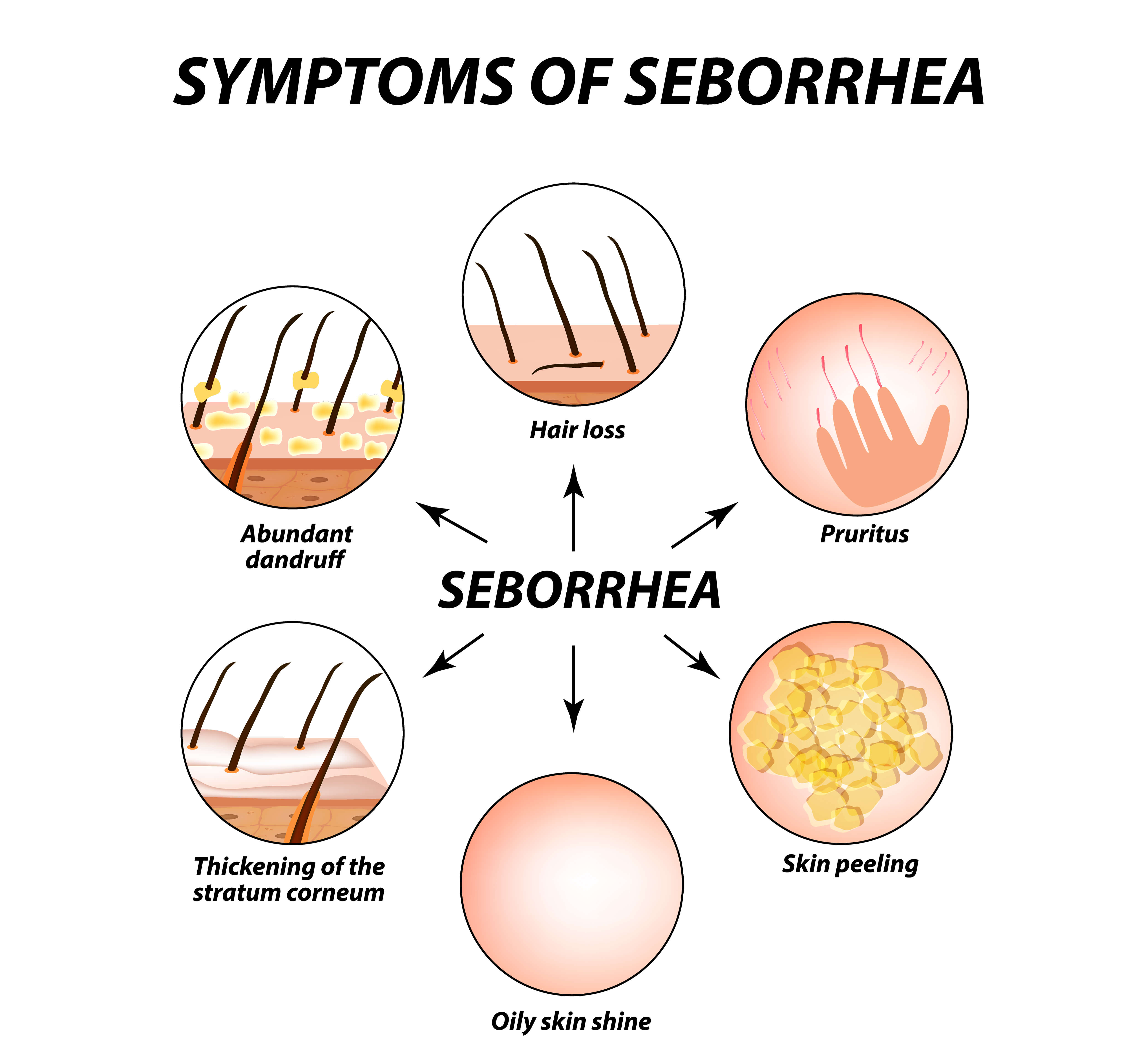
Seborrheic dermatitis is a common skin condition that affects the scalp. It causes redness, flakes, and itching. Many people worry about whether this condition can lead to hair loss. Understanding the connection between seborrheic dermatitis and hair loss helps to manage both problems effectively.
Scalp Inflammation Effects
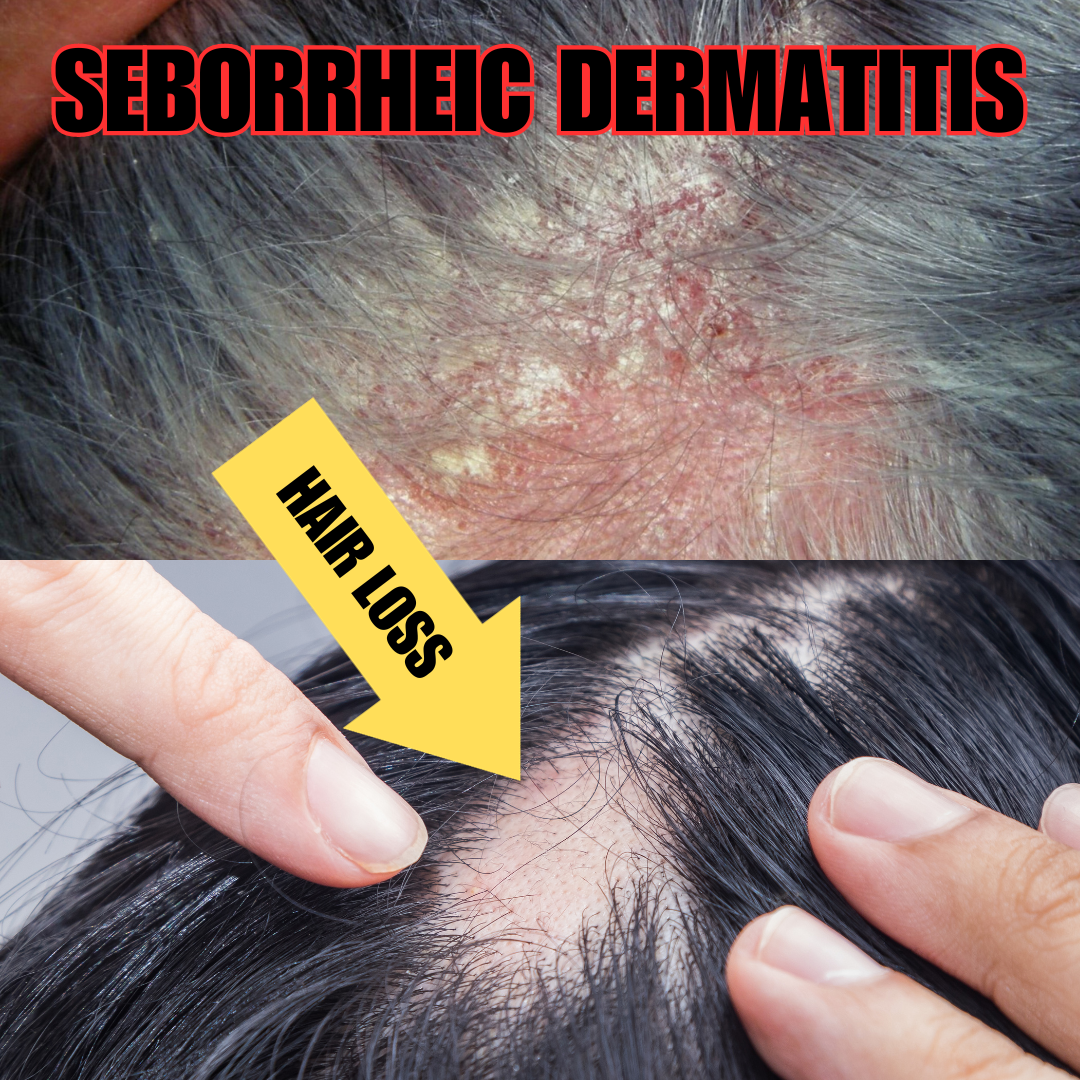
Inflammation is a key factor in seborrheic dermatitis. It causes the scalp to become red and irritated. This inflammation can weaken hair follicles. Weak follicles may slow down hair growth. In some cases, hair may fall out more easily. The good news is that this hair loss is usually temporary. Treating inflammation early helps protect the scalp and hair.
Role Of Scratching
Itching is a common symptom of seborrheic dermatitis. Scratching the scalp often feels like relief. But scratching can damage the skin and hair roots. This damage can lead to hair breakage and shedding. Frequent scratching may cause small wounds or infections. These problems make hair loss worse. Avoiding scratching and using proper treatments helps the scalp heal and reduce hair loss.
Temporary Vs Permanent Loss
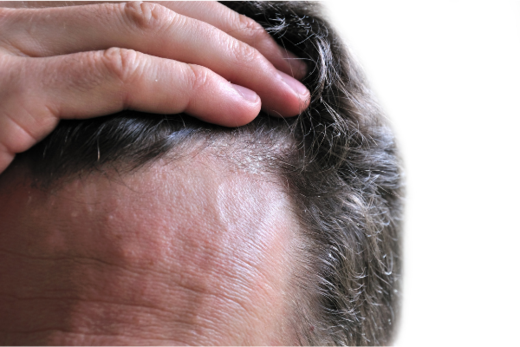
Hair loss caused by seborrheic dermatitis is mostly temporary. Once the scalp heals, hair usually grows back. Permanent hair loss is rare with this condition. Long-term untreated inflammation or constant scratching may risk permanent damage. Using medicated shampoos and creams helps control symptoms. Early care prevents lasting hair loss and supports healthy hair regrowth.
Credit: ghc.health
Signs Of Hair Thinning
Hair thinning often signals an underlying scalp issue like seborrheic dermatitis. Recognizing early signs helps in managing the condition and preventing further hair loss. These signs include visible changes on the scalp, unusual hair shedding patterns, and specific areas affected by thinning. Understanding these symptoms allows for timely care and treatment.
Visible Scalp Changes
Look for redness, flaking, or greasy patches on your scalp. These changes often accompany seborrheic dermatitis. The scalp may appear irritated or inflamed. Such symptoms can weaken hair follicles and lead to thinning. Early detection of these visible signs is important to protect hair health.
Hair Shedding Patterns
Notice if hair sheds more than usual during brushing or washing. Sudden or excessive hair fall can point to scalp inflammation. Shedding may be uneven, with patches of hair coming loose. This pattern differs from normal hair loss and often relates to skin irritation.
Affected Areas
Thinning often occurs in oily scalp regions like the crown and hairline. Seborrheic dermatitis usually targets these zones first. Other affected areas include behind the ears and near the eyebrows. Knowing the common spots helps identify if seborrheic dermatitis causes your hair loss.
Untreated Seborrheic Dermatitis Risks
Untreated seborrheic dermatitis can cause several risks that worsen the condition. Ignoring symptoms may lead to more discomfort and skin damage. These risks can affect your scalp health and potentially contribute to hair issues. Understanding these risks helps in managing the condition better.
Worsening Scaly Patches
The scaly patches become larger and thicker without treatment. Skin may look red and greasy or dry and flaky. These patches can spread to areas like the eyebrows, nose, and chest. The skin’s natural barrier weakens, causing more damage over time.
Increased Itching And Irritation
Itching grows stronger and more frequent. This causes frequent scratching, which injures the skin. The irritation leads to inflammation, making the skin sensitive and painful. Scratching worsens the condition and delays healing.
Secondary Infections
Open skin from scratching invites bacteria and fungi to enter. These infections cause redness, swelling, and sometimes pus. Infections increase discomfort and may require stronger treatments. They can further damage hair follicles and skin health.
Complications Beyond Hair Loss
Seborrheic dermatitis often affects the scalp and oily skin areas. Beyond hair loss, it can cause other significant problems. These complications impact both the skin’s appearance and a person’s well-being. Understanding these effects helps in managing the condition better.
Skin Discoloration
Seborrheic dermatitis can lead to changes in skin color. The affected areas might look red, yellow, or darker than normal. This discoloration happens due to ongoing inflammation and skin damage. It can make the skin appear uneven and patchy. Such changes may last even after the rash clears.
Emotional And Mental Impact
Living with seborrheic dermatitis can be stressful. The constant itching and visible patches affect self-confidence. People may feel embarrassed or anxious about their appearance. This condition can also cause frustration due to its chronic nature. Mental health may decline if symptoms are left untreated.
Associated Health Conditions
Seborrheic dermatitis may link to other health issues. People with weakened immune systems often face more severe symptoms. It can also appear alongside conditions like Parkinson’s disease and HIV. These connections suggest the need for careful medical evaluation. Managing seborrheic dermatitis can improve overall health.
Treatment Options
Managing seborrheic dermatitis is key to preventing hair loss and scalp discomfort. Treatment options focus on reducing inflammation, controlling flaking, and soothing the skin. Different methods suit various severity levels and skin types. Consistent care improves scalp health and supports hair regrowth.
Medicated Shampoos And Creams
Medicated shampoos contain ingredients like ketoconazole, selenium sulfide, or zinc pyrithione. These help fight the yeast causing inflammation and dandruff. Use shampoos two to three times weekly for best results. Creams with antifungal or anti-inflammatory properties can target affected skin areas. They reduce redness and calm irritation quickly.
Prescription Therapies
Doctors may prescribe stronger treatments if over-the-counter options fail. Corticosteroid creams or lotions reduce severe inflammation effectively. Antifungal medications in oral or topical form may be necessary for stubborn cases. These treatments need careful use under medical supervision to avoid side effects.
Lifestyle And Home Care
Simple lifestyle changes support medical treatments well. Washing hair regularly with gentle, non-irritating shampoos keeps the scalp clean. Avoid scratching to prevent skin damage and hair loss. Managing stress helps reduce flare-ups. Balanced diet and hydration improve skin health from inside.
Preventing Hair Loss
Preventing hair loss caused by seborrheic dermatitis requires consistent care. This skin condition inflames the scalp and can weaken hair follicles. Taking steps to control inflammation and avoid triggers helps protect hair. Managing stress also plays a key role in maintaining scalp health.
Managing Inflammation
Inflammation is the main cause of hair follicle damage in seborrheic dermatitis. Use medicated shampoos with antifungal ingredients to reduce scalp inflammation. Avoid harsh hair products that irritate the skin. Gently cleansing the scalp helps remove flakes and soothe itching. Follow treatment plans recommended by a dermatologist to keep inflammation under control.
Avoiding Triggers
Certain factors can worsen seborrheic dermatitis symptoms and increase hair loss risk. Avoid excessive heat styling and tight hairstyles that pull on hair. Limit exposure to harsh chemicals found in some hair dyes and sprays. Keep the scalp clean but avoid over-washing, which can dry out the skin. Identifying and avoiding personal triggers helps reduce flare-ups.
Stress Reduction Techniques
Stress can worsen seborrheic dermatitis and lead to more hair shedding. Practice relaxation methods such as deep breathing or meditation daily. Regular physical activity helps reduce stress hormones and improves scalp circulation. Getting enough sleep supports skin repair and hair growth. Managing stress improves overall scalp health and lowers hair loss risks.
When To See A Dermatologist
Knowing when to see a dermatologist is important for managing seborrheic dermatitis effectively. Early care can prevent complications like hair loss. Persistent symptoms or worsening signs need professional help. A dermatologist can provide a clear diagnosis and tailored treatment. Do not wait if symptoms interfere with daily life or worsen.
Signs Of Severe Symptoms
Watch for intense itching that does not improve. Notice if redness spreads beyond usual areas. Look for thick, yellowish scales or crusts on the scalp. Hair thinning or noticeable hair loss should raise concern. Pain, swelling, or signs of infection require immediate attention.
Professional Diagnosis
A dermatologist examines the scalp and skin closely. They may take a skin scraping to rule out infections. Accurate diagnosis helps differentiate seborrheic dermatitis from other skin conditions. This ensures the right treatment for your symptoms. Self-diagnosis can delay proper care and worsen the condition.
Specialized Treatment Plans
Dermatologists offer treatments based on symptom severity. Options include medicated shampoos, antifungal creams, and corticosteroids. They may suggest lifestyle changes to reduce flare-ups. Regular follow-ups track progress and adjust treatment. Personalized care improves skin health and supports hair regrowth.
Credit: www.hhclinics.co.uk
Credit: hairtransplantnetwork.com
Frequently Asked Questions
Is Hair Loss From Seborrheic Dermatitis Permanent?
Hair loss from seborrheic dermatitis is usually temporary. Treating inflammation and itching helps hair regrow. Permanent loss is rare.
How To Fix Hair Thinning From Seborrheic Dermatitis?
Treat seborrheic dermatitis hair thinning with medicated shampoos, antifungal creams, and corticosteroids. Avoid scratching to prevent follicle damage. Consult a dermatologist for persistent symptoms to reduce inflammation and support hair regrowth. Maintain gentle scalp care and manage stress for better results.
What Happens If Seborrheic Dermatitis Is Left Untreated?
Untreated seborrheic dermatitis causes persistent redness, flaky skin, and itching. Scratching may lead to infections and temporary hair loss. Symptoms can worsen, causing skin discoloration and emotional distress. Seek treatment to prevent complications and manage symptoms effectively.
How To Treat Seborrheic Dermatitis In Kids?
Treat seborrheic dermatitis in kids with gentle shampoo, medicated creams, and keeping the skin clean and dry. Consult a pediatrician for persistent cases.
Conclusion
Seborrheic dermatitis can cause scalp inflammation and itching. This may lead to temporary hair loss from scratching and irritated follicles. Treating the condition early helps reduce symptoms and protect hair health. Medicated shampoos and creams can calm inflammation and support regrowth.
Ignoring symptoms may worsen scalp damage and hair shedding. Managing seborrheic dermatitis improves comfort and helps maintain your hair’s strength. Stay consistent with treatment for the best results. Remember, hair loss from this condition is usually not permanent. Taking care of your scalp promotes healthier hair over time.
As an Amazon Associate, I earn from qualifying purchases.
Lovingshe is a participant in the Amazon Services LLC Associates Program which is an affiliate advertising program designed to provide a means for sites to earn advertising fees by advertising and linking to Amazon.com. Amazon may use cookies to track referrals from our site. Visit Amazon’s privacy policy for details
