


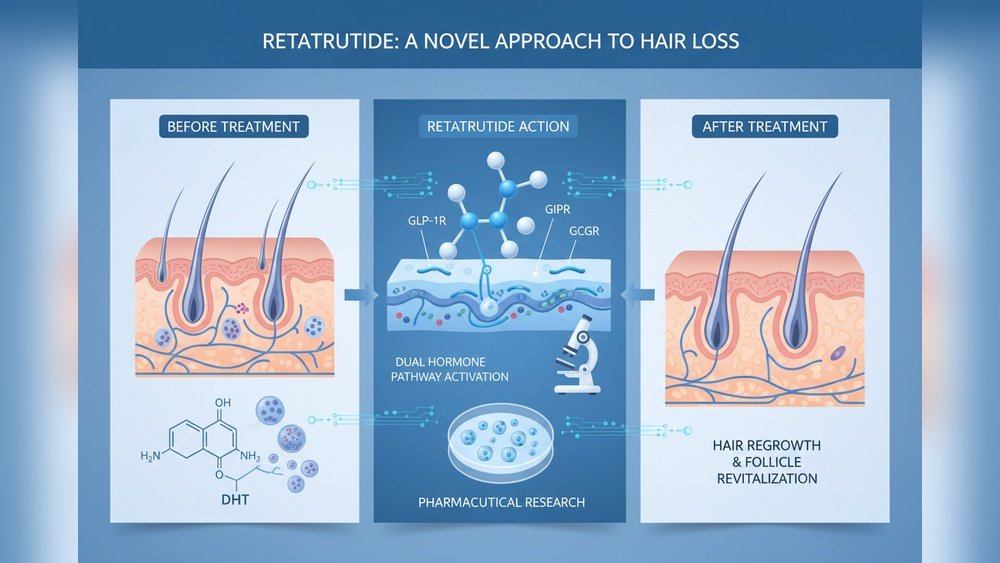
Are you worried that Retatrutide might cause hair loss? If you’ve started or are considering this medication, it’s natural to wonder about its effects on your hair.
Hair loss can be stressful, and understanding whether Retatrutide plays a role is important for your peace of mind. You’ll discover what the current research says about Retatrutide and hair loss, what side effects to expect, and practical steps you can take to protect your hair.
Keep reading to get clear answers and take control of your health without unnecessary worry.
Retatrutide Overview
Retatrutide is a new medication studied for weight loss and diabetes. It works by activating specific receptors in the body to control blood sugar and reduce appetite. This drug belongs to a class called dual or triple agonists, targeting multiple pathways.
Researchers are still learning about retatrutide’s full effects and safety. Like all medications, it may cause side effects. Understanding its profile helps users make informed decisions.
How Retatrutide Works
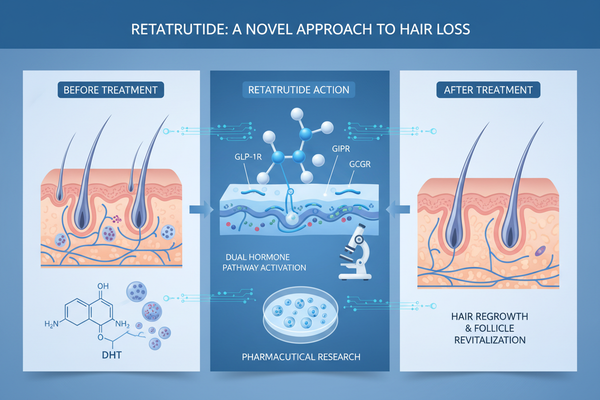
Retatrutide stimulates receptors called GLP-1, GIP, and glucagon receptors. These signals help regulate insulin and decrease hunger. The result is improved blood sugar control and weight loss in patients.
Most side effects are related to the stomach and digestion. People may experience nausea, vomiting, diarrhea, or constipation. These effects often lessen over time or with dose adjustments.
Retatrutide And Hair Loss
Current studies do not list hair loss as a common side effect. Some users worry about hair thinning due to rapid weight loss or stress. Hair loss linked directly to retatrutide remains unproven and rare.
Credit: thecarepharmacy.com
Common Side Effects
Retatrutide is a new medication gaining attention. Understanding its side effects helps users stay informed. Common side effects mostly affect the digestive system. These side effects vary by dose and can be managed carefully. Let’s explore the common side effects and their details.
Gastrointestinal Symptoms
Many users report nausea, vomiting, diarrhea, and constipation. These symptoms often appear early in treatment. They can cause discomfort and affect daily life. Drinking water and eating small meals may help ease symptoms. Most side effects reduce over time as the body adjusts.
Dose-dependent Reactions
Side effects tend to increase with higher doses of retatrutide. Doctors usually start with a low dose to reduce risks. Gradually increasing the dose allows the body to adapt. Patients should follow medical advice and report any severe symptoms. Managing the dose helps balance benefits and side effects.
Hair Loss Concerns
Hair loss is a common worry among those starting new medications. Retatrutide, a drug gaining attention, raises questions about its effects on hair health. Understanding the connection helps users make informed choices.
Reports about hair shedding linked to Retatrutide are still limited. Patients and healthcare providers are closely watching for any signs of this side effect.
Reports Of Hair Shedding
Some users have shared experiences of mild hair shedding after using Retatrutide. These reports are mostly anecdotal and not yet confirmed by large studies. Shedding, if it occurs, tends to be temporary and mild. It often happens during the initial stages of treatment.
Experts suggest that hair loss may relate more to rapid weight loss than the medication itself. Weight loss can cause stress on the body, affecting hair growth cycles. Monitoring and support can help reduce this risk.
Comparison With Tirzepatide
Tirzepatide, a similar drug, also has reports of hair shedding. The pattern of hair loss is alike in both drugs. Both may cause temporary shedding linked to weight changes.
Users of Tirzepatide often manage hair loss by improving nutrition and reducing stress. These approaches might work for Retatrutide users too. No strong evidence shows Retatrutide causes more or less hair loss than Tirzepatide.
Doctors recommend regular check-ups and proper care during treatment. This helps detect any hair loss early and provides timely advice.
Causes Of Hair Loss
Hair loss can happen for many reasons. Understanding these causes helps to know if retatrutide plays a role. Hair follicles need good care to stay healthy. When something changes inside the body, hair might thin or fall out. Some reasons come from diet, stress, or fast body changes.
Nutritional Deficiencies
Hair needs nutrients to grow strong. Lack of protein, iron, zinc, and vitamins can cause hair loss. These nutrients help build hair and keep follicles alive. Poor diet or poor absorption of nutrients can lead to weak hair. Without enough vitamins like biotin or vitamin D, hair may fall out faster.
Stress And Lifestyle Factors
Stress affects the hair growth cycle. High stress can push hair into a resting phase, leading to shedding. Sleep problems, smoking, and poor habits also harm hair health. Gentle hair care and stress management help reduce hair loss. Changing daily habits supports hair recovery and strength.
Rapid Weight Loss Effects
Fast weight loss often causes temporary hair loss. The body reacts to sudden changes by slowing hair growth. This happens even if the diet is healthy. Losing weight too quickly can shock hair follicles. Slower, steady weight loss is better for hair and overall health.
Nutritional Support
Nutritional support plays a key role in maintaining healthy hair. Proper nutrients help strengthen hair and reduce shedding. A balanced diet fuels hair growth and repair.
Retatrutide may cause side effects that affect nutrient absorption. Supporting your body with the right nutrients can ease potential hair loss. Focus on protein, vitamins, and minerals to keep hair strong.
Protein Intake
Hair is mostly made of a protein called keratin. Eating enough protein helps build and repair hair strands. Good sources include lean meats, eggs, beans, and dairy. Low protein intake can weaken hair and cause shedding.
Key Vitamins And Minerals
Some vitamins and minerals are vital for hair health. Iron supports oxygen flow to hair follicles. Zinc helps tissue growth and repair. Biotin strengthens hair structure. Vitamin D promotes hair follicle cycling. B vitamins help produce healthy hair cells. Deficiencies in these can lead to hair thinning.
Supplement Options
Supplements may help fill nutritional gaps. Biotin, zinc, and iron supplements support hair growth if diet falls short. Vitamin D supplements can be useful, especially in low sunlight areas. Always talk to a healthcare provider before starting any supplements. Proper dosing is important to avoid side effects.
Credit: watermanshair.com
Hair Care Tips
Proper hair care helps reduce hair loss and keeps hair healthy. Simple habits protect hair from damage. These tips support hair strength and shine.
Follow gentle handling and avoid harsh treatments to maintain hair health. These practices suit all hair types and prevent breakage.
Gentle Hair Handling
Use a wide-tooth comb to detangle hair carefully. Avoid brushing wet hair as it breaks easily. Pat hair dry with a soft towel instead of rubbing. Sleep on a silk or satin pillowcase to reduce friction. Avoid pulling hair tightly in ponytails or buns to prevent stress on roots.
Avoiding Harsh Treatments
Limit the use of heat styling tools like flat irons and curling wands. Choose sulfate-free shampoos and mild conditioners to protect scalp moisture. Skip harsh chemical treatments such as bleaching, perming, or frequent coloring. Give hair time to recover between styling sessions. Regular trims remove split ends and keep hair looking healthy.
Medical And Topical Solutions
Medical and topical solutions can help manage hair loss concerns linked to Retatrutide use. These methods aim to support hair health, reduce shedding, and promote regrowth. Early intervention improves the chances of restoring hair density and strength. Users experiencing hair thinning should explore these options to find the best fit.
Doctor Consultation
Start with a doctor consultation to identify the cause of hair loss. A healthcare provider can perform blood tests to check for nutrient deficiencies or hormonal imbalances. They also review your medication history and overall health. This step ensures that treatments target the right problem safely.
Minoxidil Use
Minoxidil is an FDA-approved topical treatment for hair loss. It works by improving blood flow to hair follicles, encouraging growth. Apply it directly to the scalp twice daily for best results. Some users may experience mild scalp irritation, which usually fades over time.
Topical Serums
Topical serums containing nutrients and growth factors can support scalp health. Ingredients like biotin, caffeine, and peptides nourish hair roots. Some serums also use exosomes to stimulate cell repair and regeneration. Consistent use may enhance hair thickness and reduce breakage.
Managing Expectations
Managing expectations about Retatrutide and hair loss helps reduce worry. Many users wonder if hair thinning or shedding is permanent. Understanding the typical pattern of hair changes during treatment can ease concerns. Clear knowledge guides better decisions and promotes calm.
Temporary Nature Of Hair Loss
Hair loss linked to Retatrutide is usually temporary. The shedding often occurs during early treatment stages. This phase may last a few weeks to months. Hair growth cycles adjust to body changes caused by the medication. Most users notice regrowth once their body adapts. Patience is key during this period.
When To Seek Medical Advice
Consult a healthcare provider if hair loss worsens or lasts too long. Sudden or patchy bald spots need immediate attention. A doctor can check for other causes like nutrient deficiencies or scalp issues. Professional advice helps decide if treatment adjustments are necessary. Never ignore severe or persistent hair problems.

Credit: oviva.com
Frequently Asked Questions
What Are The Side Effects Of Retatrutide?
Retatrutide commonly causes gastrointestinal side effects like nausea, vomiting, diarrhea, and constipation. These effects often depend on dosage and may lessen with gradual dose increase. Hair loss is not a typical side effect of retatrutide. Always consult a doctor for personalized advice.
How To Stop Hair Loss On Tirzepatide?
To stop hair loss on tirzepatide, eat enough protein and key nutrients like iron, zinc, biotin, and vitamin D. Manage stress and use gentle hair care. Avoid rapid weight loss. Consult your doctor about supplements or treatments like minoxidil if needed.
Hair shedding is often temporary.
What Are The Side Effects Of Retatrutide Vs Tirzepatide?
Retatrutide mainly causes gastrointestinal side effects like nausea, vomiting, diarrhea, and constipation. Tirzepatide may also cause similar GI issues and occasional hair thinning linked to rapid weight loss. Both require gradual dose increase to reduce side effects.
What To Expect When Starting Retatrutide?
Starting retatrutide may cause mild gastrointestinal symptoms like nausea or diarrhea. Expect gradual dose increases to reduce side effects. Some users experience temporary appetite reduction and weight loss. Always follow your doctor’s instructions and report any severe reactions promptly.
Conclusion
Retatrutide does not commonly cause hair loss. Most side effects relate to the stomach. Hair shedding, if any, usually links to weight changes. Proper nutrition helps keep hair healthy and strong. Managing stress also supports normal hair growth cycles. Gentle hair care prevents unnecessary damage and breakage.
Consult a doctor for persistent hair concerns or treatments. Staying informed helps you handle side effects better. Hair loss worries should not stop you from using retatrutide.
As an Amazon Associate, I earn from qualifying purchases.
Lovingshe is a participant in the Amazon Services LLC Associates Program which is an affiliate advertising program designed to provide a means for sites to earn advertising fees by advertising and linking to Amazon.com. Amazon may use cookies to track referrals from our site. Visit Amazon’s privacy policy for details
