


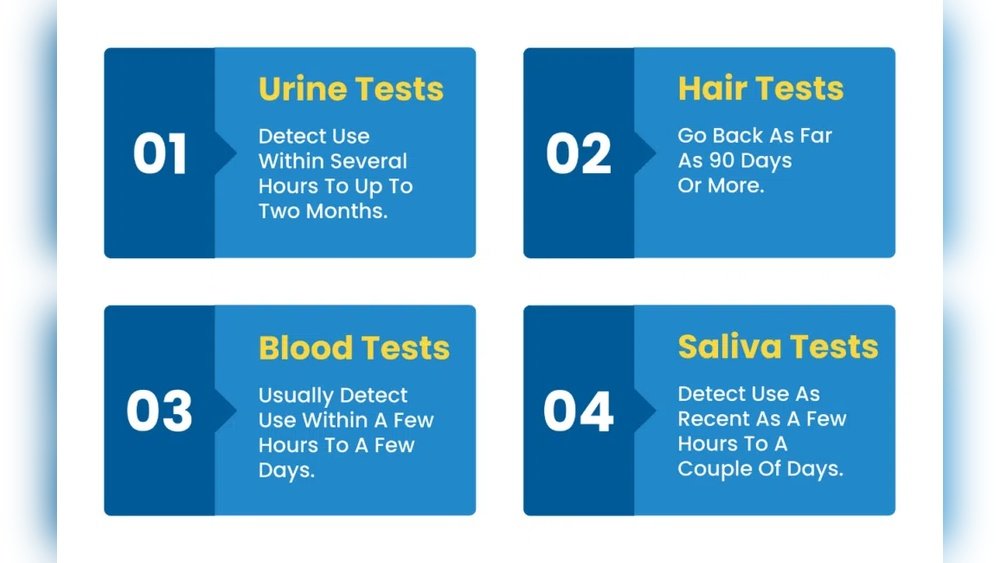
You might be wondering how far back a hair test can actually detect drug use. Unlike urine or blood tests that only reveal recent activity, hair testing offers a much longer window into your history.
But how long exactly? Can a hair test really show what you used weeks or even months ago? Understanding this can make a big difference if you’re facing a drug screening or just curious about how these tests work. You’ll discover how hair tests capture drug traces, what factors affect their detection window, and why they are considered one of the most reliable methods for tracking substance use over time.
Keep reading to get clear answers and learn what you need to know about hair testing.
Hair Test Mechanics
Hair drug testing reveals past drug use by analyzing hair strands. It uses the natural growth of hair to track drug exposure over time. Understanding how drugs enter and stay in hair helps explain the test’s timeline. The process involves several key steps that lock drug traces in the hair shaft. These steps define how far back the test can detect drug use.
Drug Incorporation
Drugs enter the bloodstream after use. The blood carries drug molecules to hair follicles. As hair grows, it absorbs these substances. The drugs become part of the hair structure. This incorporation happens gradually as new hair forms. Older hair sections hold older drug use records.
Detection Window
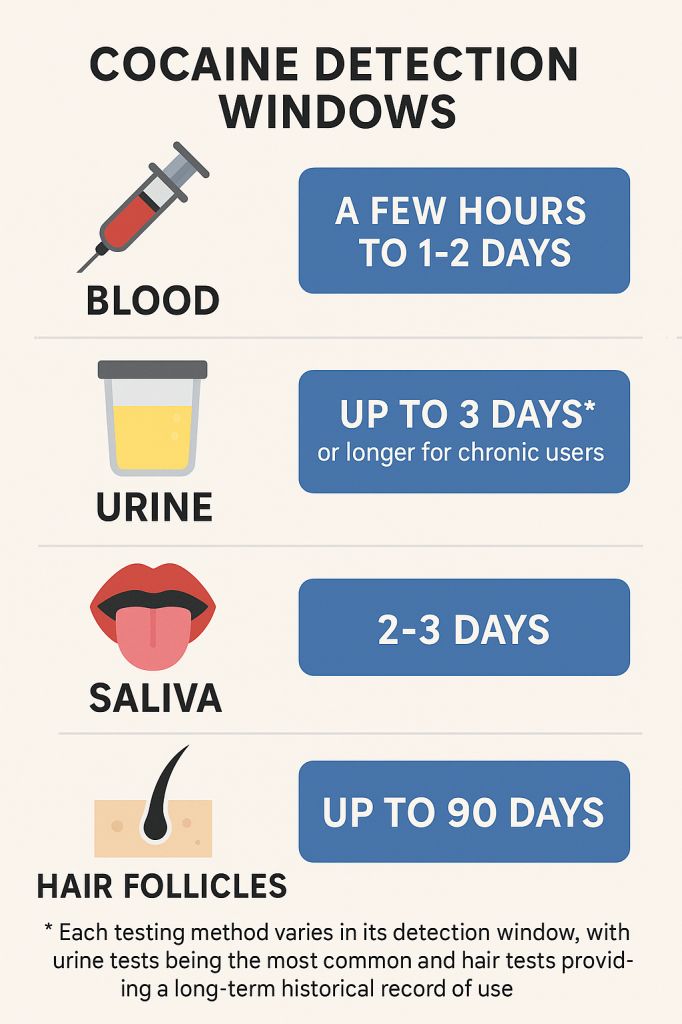
The test can detect drugs about one week after use. Hair grows roughly half an inch per month. A 1.5-inch hair sample shows drug use over three months. This period provides a longer detection window than urine or blood tests. The window depends on the hair length tested.
Drug Entry And Trapping
Drugs enter hair through the bloodstream and sweat. Once inside, drug traces get trapped in the hair shaft. The hair shaft is a tough, protective layer. It locks in drug metabolites as the hair grows out. This trapping keeps drug evidence stable for months.
Credit: compassionbehavioralhealth.com
Detection Timeframe
The detection timeframe of a hair test reveals how far back drug or substance use can be identified. Hair testing can track drug use over weeks or months. This makes it a preferred method for long-term drug monitoring. Unlike urine or blood tests, hair tests provide a broader picture of past behavior.
Typical Hair Length Tested
Most hair tests use 1.5 inches of hair from the scalp. Hair grows about half an inch per month. This length usually shows drug use from the past 90 days. Longer hair can extend the detection period. Shorter hair samples reduce the timeframe tested.
Segmented Analysis
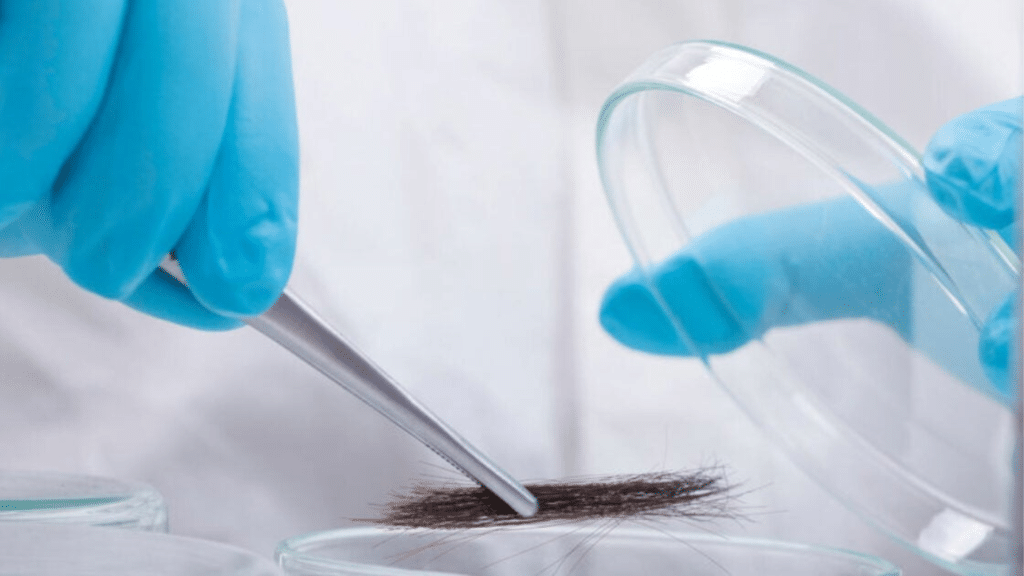
Segmented analysis divides hair into smaller sections. Each segment represents a specific time period. This method can pinpoint drug use within weeks. It helps track changes in drug use patterns. Labs cut hair into 1-centimeter segments for detailed results.
Comparison To Other Tests
Hair tests detect drug use over months. Urine tests only detect recent use, usually days. Blood tests show use within hours or days. Hair tests are harder to cheat or mask. This makes them useful for long-term monitoring and court cases.
Factors Impacting Results
The accuracy of a hair test depends on several factors. These influence how far back the test can detect substances. Understanding these helps explain variations in results. Hair tests analyze drug traces embedded in hair strands over time. The condition and type of hair impact detection windows. Treatments and environmental exposure also play key roles. Each factor affects the test’s sensitivity and reliability.
Hair Source And Color
Hair type affects drug absorption and retention. Scalp hair is most common for testing. Body hair grows slower and less uniformly. Darker hair may bind drugs more strongly than lighter hair. This difference can affect detection levels. Hair color influences how drugs are incorporated and held.
Hair Treatments And Damage
Bleaching, dyeing, and perming can alter hair structure. These treatments may reduce drug concentration in hair strands. Damaged hair can lead to weaker or inconsistent test results. Chemical treatments might remove or degrade drug traces. Untreated hair tends to provide more reliable data.
Environmental Contaminants
External exposure can contaminate hair samples. Smoke, dust, and other pollutants may deposit substances on hair. Proper washing is needed to remove surface contaminants. Without cleaning, test results might show false positives. Lab protocols address environmental contamination carefully.
False Positives Causes
False positives in hair drug tests can confuse many people. These results show drug use when there was none. Understanding what causes false positives helps reduce worry. Several factors can lead to inaccurate results. These include medications, exposure to smoke, and hair care products. Each factor affects the test differently. Knowing these causes helps interpret hair test results better.
Medications Effects
Certain medications can trigger false positives in hair tests. Some antibiotics and cold medicines contain ingredients similar to drugs tested. These ingredients may appear as drug traces in the hair. Painkillers and antidepressants can also interfere with test results. Always inform the tester about any medicines taken recently. This helps avoid confusion and wrong test outcomes.
Secondhand Smoke
Exposure to secondhand smoke may cause false positives. Being near people who smoke drugs can leave traces on hair. Smoke particles settle on hair strands and may show up in tests. This is more likely in enclosed spaces with heavy smoke. Simply breathing in such environments might lead to positive results. Hair testing labs usually consider this but it can still cause issues.
Hair Products Influence
Hair care products can affect drug test accuracy. Some shampoos and dyes contain chemicals that mimic drug metabolites. Frequent use of these products may lead to false positives. Hair treatments like bleaching or coloring also change hair structure. This can cause test labs to misread results. Informing testers about recent hair treatments is important for accurate analysis.
False Negatives Causes
False negatives can occur in hair drug tests despite drug use. Various factors cause these inaccurate results. Understanding these causes helps interpret test outcomes better. The following sections explain common reasons behind false negatives.
Bleaching And Chemical Treatments
Bleaching or using harsh chemicals can damage hair structure. These treatments strip away drug metabolites from the hair shaft. Damaged hair may show reduced drug traces or none at all. This leads to false negative results even if drugs were used.
Repeated chemical processes weaken hair and affect test accuracy. Hair treatments like dyeing or perming also interfere with drug detection. Laboratories may fail to detect drugs in chemically treated hair samples.
Hair Shaving
Shaving the head or body hair removes the sample source. Without enough hair, labs cannot perform accurate tests. Some users shave to avoid detection, causing false negatives. Short hair may not contain enough growth to reveal drug use.
Tests require a minimum hair length to detect drugs. Shaving reduces the detection window to almost zero. This practice makes it hard to identify drug use during the testing period.
Sample Collection Issues
Poor sample collection affects test reliability and accuracy. Collecting hair from the wrong area or too little hair causes problems. Contamination or improper handling can also lead to false negatives. Laboratories need proper samples for valid results.
Errors during collection or storage may degrade drug evidence in hair. Skilled technicians must follow strict protocols. Otherwise, tests may not detect existing drug traces.
Accuracy And Limitations
Hair tests offer a unique way to detect drug use over an extended period. Accuracy depends on various factors, including lab procedures and test sensitivity. Knowing the limits helps understand what hair testing can and cannot reveal. This section explains key accuracy points and common misconceptions.
Lab Washing Procedures
Labs wash hair samples to remove external contaminants. This step prevents false positives caused by environmental exposure. Washing does not remove drugs inside the hair shaft. Proper lab techniques ensure reliable results. Poor washing can lead to inaccurate outcomes.
Detection Sensitivity
Hair tests detect very small drug amounts. Sensitivity varies by lab and test type. Some drugs are easier to detect than others. Hair color and thickness may affect detection. Tests usually cover about 90 days of hair growth. Shorter detection windows happen with less hair length.
Myths Vs Facts
Myth: Hair tests can detect drug use from years ago. Fact: Most tests detect about three months back. Myth: Hair treatments remove drug traces. Fact: Treatments may reduce levels but do not erase them completely. Myth: Only heavy use shows in hair tests. Fact: Even occasional use can be detected.
Common Testing Practices
Hair testing detects drug use by examining hair strands for drug metabolites. Common practices in hair testing vary by company and purpose. Understanding these practices helps clarify how far back a hair test can detect substances. The length of hair tested and the timeframe set by companies influence the detection window. Employment screening often follows specific standards to ensure fairness and accuracy.
Company Testing Timeframes
Most companies test hair samples that reflect drug use over the past 90 days. This period aligns with the average hair growth rate. Some firms may choose shorter or longer timeframes based on their policies. Testing beyond 90 days is rare due to hair length and reliability concerns. Companies balance detection needs with privacy and legal guidelines.
Sample Length Standards
Standard hair samples are usually 1.5 inches long. This length corresponds to about 90 days of hair growth. Labs measure hair carefully to maintain consistent results. Longer samples can test for drug use farther back but may be harder to obtain. Shorter samples provide a smaller detection window but are easier to collect.
Use In Employment Screening
Employers use hair tests to check for long-term drug use. Hair testing is less invasive than other methods like blood or urine tests. It detects drug use over months, not just days. This helps employers make informed hiring decisions. Hair tests also reduce the chance of cheating or tampering.

Credit: www.relialabtest.com
Credit: stemsontx.com
Frequently Asked Questions
How Far Back Does A Hair Strand Drug Test?
A hair strand drug test can detect drug use up to 90 days prior. It analyzes drug metabolites trapped in growing hair shafts.
How Long Do Most Companies Go Back On A Hair Follicle Test?
Most companies test hair follicles for drug use up to 90 days, reflecting about three months of drug history.
What Will Mess Up A Hair Follicle Drug Test?
Heavy bleaching, dyeing, shaving all hair, certain medications, and environmental exposure can disrupt hair follicle drug test results.
Can A Hair Follicle Test Detect Infrequent Use?
A hair follicle test can detect infrequent drug use typically within a 90-day window. Even occasional use leaves traces in hair strands.
Conclusion
Hair tests can reveal drug use for up to 90 days. This method tracks drug traces as hair grows. Different factors like hair length and treatment affect results. Hair testing gives a longer view than urine or blood tests. It helps understand patterns, not just recent use.
Keep in mind, heavy hair treatments might affect accuracy. Overall, hair tests provide valuable information about past drug use. They remain a reliable tool for many testing needs.
As an Amazon Associate, I earn from qualifying purchases.
Lovingshe is a participant in the Amazon Services LLC Associates Program which is an affiliate advertising program designed to provide a means for sites to earn advertising fees by advertising and linking to Amazon.com. Amazon may use cookies to track referrals from our site. Visit Amazon’s privacy policy for details
